Do Citronella Ants Bite? Facts, Risks & Control
Homeowners often panic when small, light-brown ants flood basements each spring. According to Penn State Extension, these subterranean insects rarely deserve alarm — their strong lemon odor, released when crushed, simply signals identity, not aggression.
Curiously, the real story sits underground. Colonies farm honeydew from aphids clinging to roots, meaning workers you spot indoors wandered off-course, not hunting your kitchen — a distinction most pest blogs completely overlook.
What Do Citronella Ants Look Like?
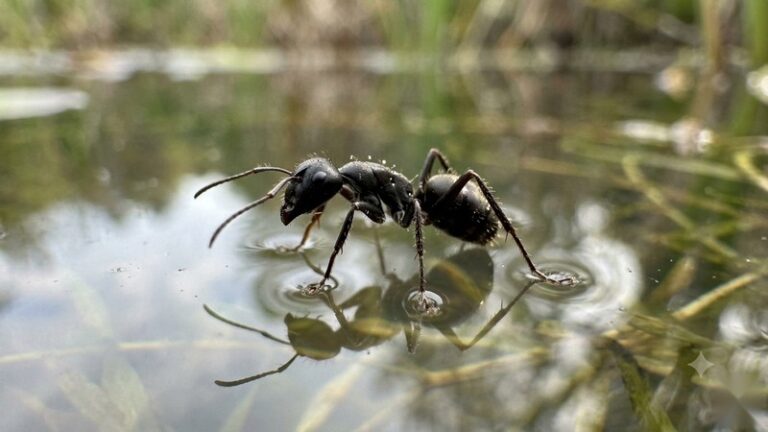
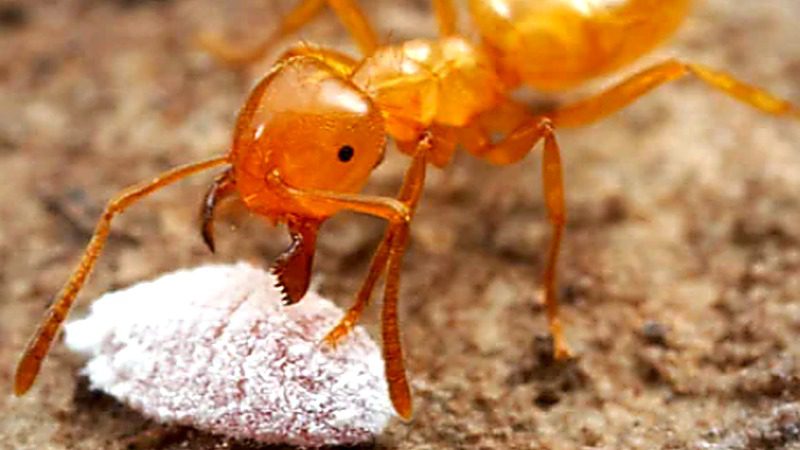
Recognizing these tiny yellow ants starts with color: a golden yellow to amber sheen unlike common household species. Their slender bodies appear segmented, carrying bent antennae — a distinctive trait separating ants from termites. According to the University of Minnesota Extension, identification improves when crushed workers release that lemony scent.
Are They Dangerous or Harmful?
Contrary to what most homeowners assume, these golden-hued insects lack functional stingers entirely. According to the University of Minnesota Extension, they’re generally harmless insects rather than a direct threat. Even when threatened, attacking isn’t their instinct — that citrus-like odor signals defense, not aggression toward pets.
Signs Of An Infestation
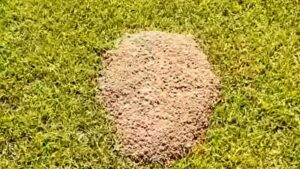
Yellow ants stay hidden underground for months, so most homeowners never notice the colony until spring arrives. If you suspect a citronella ant problem inside your house, watch carefully for these five telling signs:
- Lemon smell: A strong citronella odor rises whenever workers get crushed or threatened.
- Swarming: Winged reproductives appear indoors in large numbers during early spring.
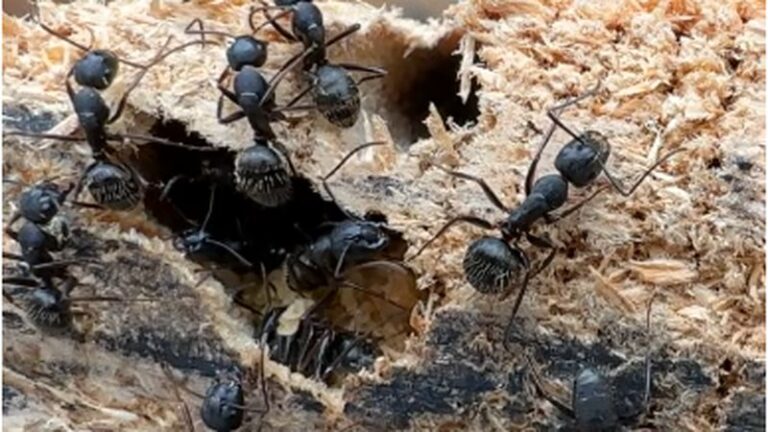
- Nesting: Activity concentrates in wall voids, crawl spaces, and basement walls.
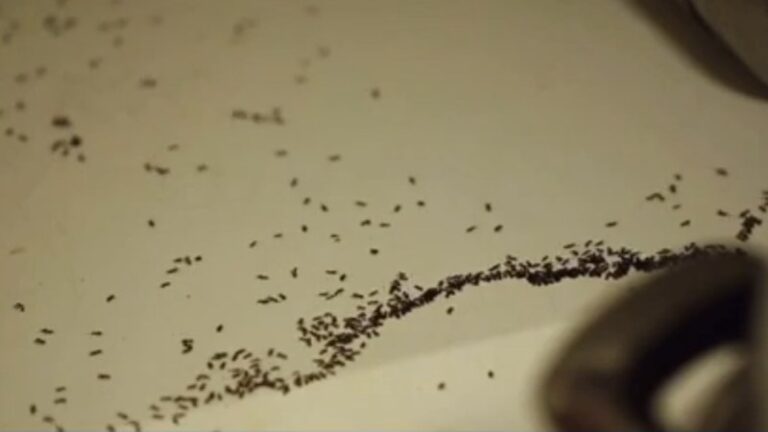
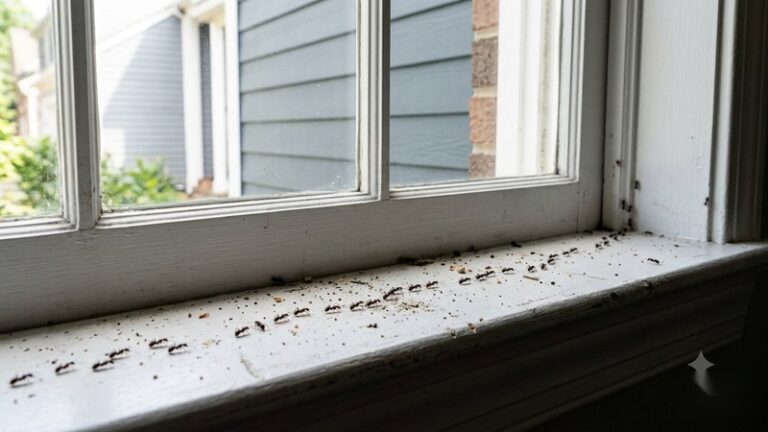
- Trails: Foraging workers follow pheromones toward the same spot repeatedly.
- Soil activity: Mounds of soil surface near foundations and slab floors.
Where Are They Coming From?
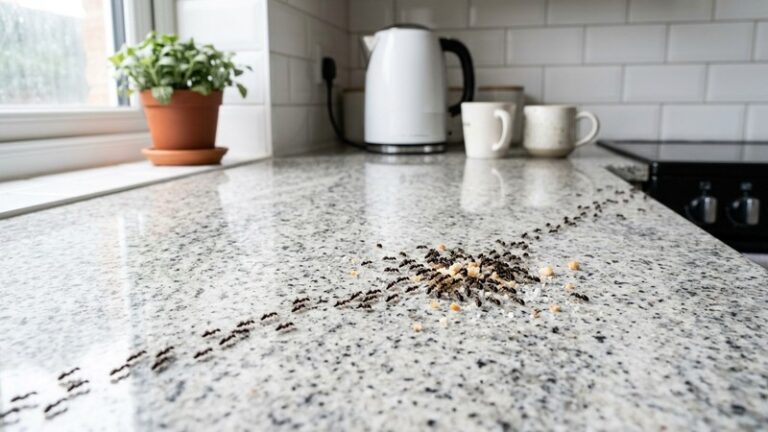
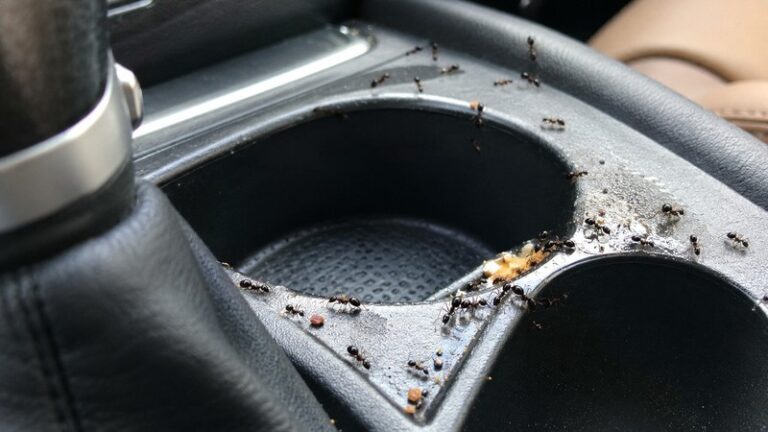
Most sightings trace back to outdoor colonies, not interior nesting. These ants wander in through open doors, open windows, or foundation gaps while foraging. They don’t build nests indoors and don’t breed inside homes, so whatever you’re seeing is often temporary. Understanding where they’re coming from matters more than spraying.
How To Get Rid Of Citronella Ants
Squashing swarmers causes more harm than good. According to the National Pest Management Association, DIY chemicals near family and pets raise risk. A quality pest control company sends a technician for thorough inspection, then builds a plan — drilling, treating beneath the slab, sealing floor cracks — so colonies vanish permanently.
Citronella Ants vs. Termites
Misidentification drives most panic calls. Winged swarmers emerging near foundations get mistaken for termites instantly, yet appearance separates them cleanly: citronella reproductives show a pinched waist and 12-segmented antennae, while termite alates carry straight beads and uniform bodies. Coloration differs too — golden yellow versus translucent brown.
Termites feed on wood structurally; citronella species don’t build nests inside timber. According to the University of Kentucky Entomology department, their primary food remains honeydew from subterranean aphids. Crushed specimens emit a strong lemon smell — termites never do. That single scent test prevents costly structural damage misdiagnosis.
Behavior and Habitat
Most homeowners never notice these insects until spring arrives. Lasius interjectus spends nearly its whole existence beneath us, tending root aphids and mealybugs for honeydew rather than hunting kitchen scraps. That subterranean diet explains why foraging workers so rarely wander in through open doors.
Their underground colony favors damp areas — near foundations, beneath mulch, inside gardens where soil stays moist. According to the University of Kentucky Entomology department, soil mounds and small holes across a landscape simply mark ventilation shafts. Small golden-yellow ants here don’t breed inside homes; they merely follow warmth.
Lifecycle and Reproduction
Colony survival hinges on the queens, whose reproduction cycle drives everything. Winged females and winged males emerge during mating season, typically late spring through early summer. Their social structure assigns wingless workers to tend brood while reproductive males perish post-flight, letting established colonies quietly thrive underground.
Prevention Tips
Most infestations begin quietly, long before anyone notices a lemon smell, so shutting down easy access points and damp harborage matters more than reacting after swarmers show up indoors.
- Keep the ants out by grading soil away from your slab.
- Remove rotting logs, mulch piles, and landscape timbers near walls.
- Repair leaky pipes feeding damp spots beneath kitchens.
- Use dehumidifiers in moist environments.
- Seal entry gaps around doors, windows.
- Caulk small cracks promptly.
At the first sign of a pest problem, contact Bold Pest Control. We serve Hurst, Southlake, Keller, and Austin with thorough inspection, targeted treatment, moisture assessment, and a written plan to protect your home or business.
Still Fighting Ants?
Get rid of ants for good — book your free inspection.
Fast, no-obligation quote from trusted local pest control pros.
FAQs
Are Citronella Ants Dangerous?
Homeowners often panic unnecessarily. These insects are generally considered not dangerous — they don’t sting, cannot transmit diseases, and pose no health risk to humans or pets. According to the National Pest Management Association, their presence signals underlying moisture problems rather than any direct threat or significant damage to building materials.
Do Citronella Ants Bite?
Reverse the assumption: mandibles exist, yet these ants don’t bite people meaningfully. The key takeaway entomologists at university extension programs emphasize is that they swarm in large numbers, becoming difficult to eliminate without professional help — more of a nuisance than a danger. Nothing here is harmful.
Why Do I Have A Citronella Ant Problem?
Water damage is the real culprit. Water-damaged wood and high-moisture areas signal perfect nesting areas, while open windows allow entry. Colonies enter homes hunting food, sugary substances, and waste. Being drawn to moisture, they favor bathrooms, exploiting crevices throughout walls — a chemical trail leads onward.
Where Are The Citronella Ants Coming From?
Underground, mostly. An established colony sitting beneath slabs will lead foragers indoors, their presence attracted by dampness. According to entomologists, subterranean galleries beneath foundations explain sudden interior sightings better than exterior invasion theories homeowners typically favor when interpreting these appearances during warmer stretches.
How Do I Know If I Have A Citronella Ant Infestation?
Look for a distinct lemony odor or citronella-like odor first. Swarming winged reproductives appear in large numbers during early spring through mid-spring mating season, lasting three to four days. Small mound-like nests, ant trails, and soil disturbances near moisture remain visible signs.