How to Get Rid of Ants in Window Frames (Fast & Easy)
Quick Answer
To get rid of ants in window frame areas, wipe the frame with a 50/50 solution of vinegar and water to erase trail scent, then seal entry cracks and set borax-based ant baits nearby for lasting colony control.
- Wipe the sill and frame with soapy water to remove scent trails.
- Spray a 50/50 vinegar-water blend across tracks and frames.
- Apply diatomaceous earth along window sills as a natural barrier.
- Place borax-based bait stations to reach the whole colony.
- Seal cracks and entry points with caulk.
- Monitor frames weekly and repeat as needed.
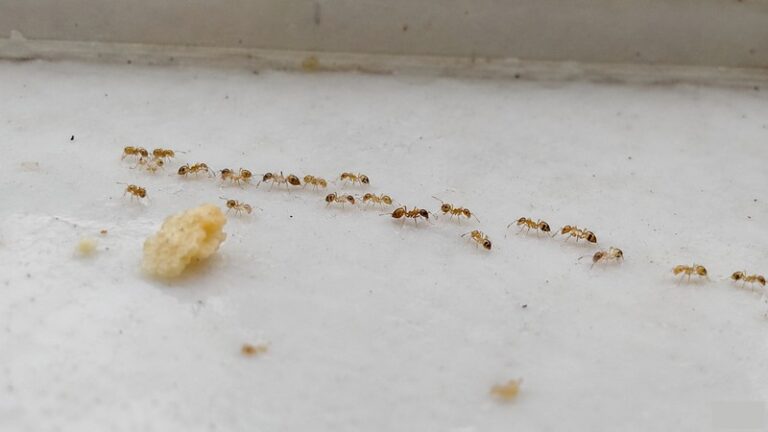
According to Texas A&M AgriLife entomology research, ants invading a window frame rarely arrive by random chance. These tiny opportunists follow a faint scent, drawn by moisture, crumbs, or water seeping through worn-out window seals.
Once a lone scout ant discovers food near your kitchen window, it lays a chemical trail, and soon hundreds of ants exploit tiny cracks, structural openings, and gaps to swarm through microscopic entryways.
Why Are There Ants in My Window Frame?
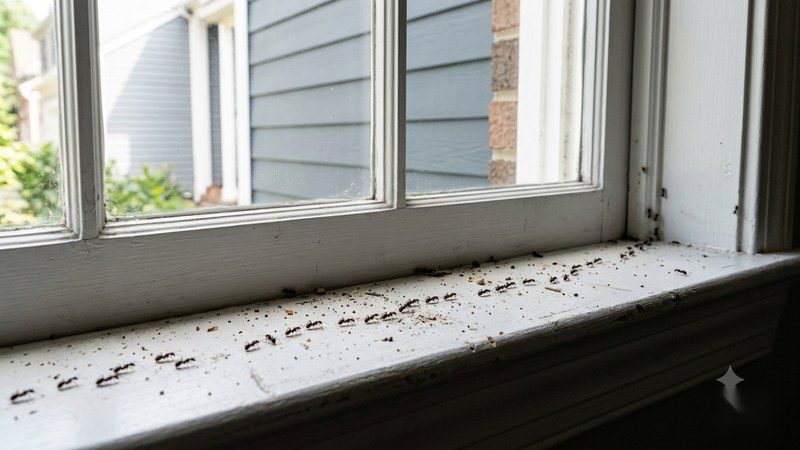
Those tiny ants marching along your window frame aren’t there by accident—they’ve got an agenda. Let’s decode why these little squatters picked your window as their new favorite hangout spot.
- Cozy Shelter Seekers. Your window frame corners offer warmth and a safe hideout from harsh weather. It’s basically a five-star hotel for a colony looking to escape the elements.
- Nearby Plant Highways. Branches and shrubs brushing your windows act as bridges. According to Texas A&M AgriLife Extension, vegetation touching your home gives ants a direct tracks-free route inside.
- Sweet Spill Magnets. A sticky residue or forgotten crumb near the sill is an open invitation. The same relentless foragers hitting your ants in kitchen sink will happily detour to your window.
- Predator Escape Route. Outdoors, ants face birds and beetles hunting them down. Slipping into your frame offers safety, making your window a fortress against their many enemies.
Understanding these motives is the first step toward reclaiming your window from these persistent little invaders.
Identifying Ants: What Are You Dealing with?
Before you wage war on that chemical warzone near your sill, pause—knowing your enemy changes everything about how you fight back. Here’s what typically shows up around a window frame:
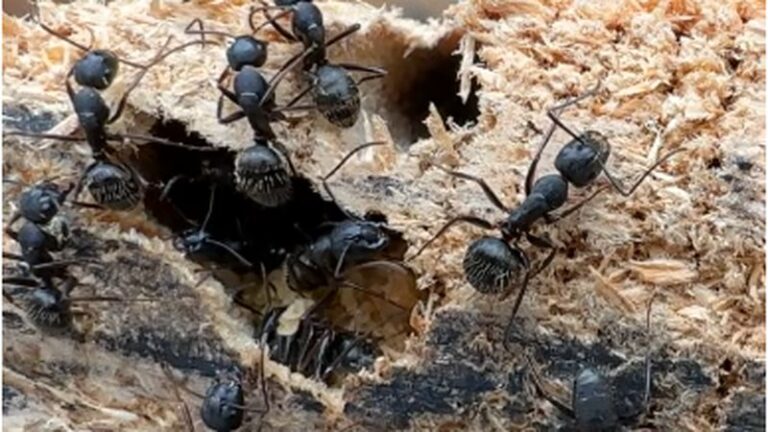
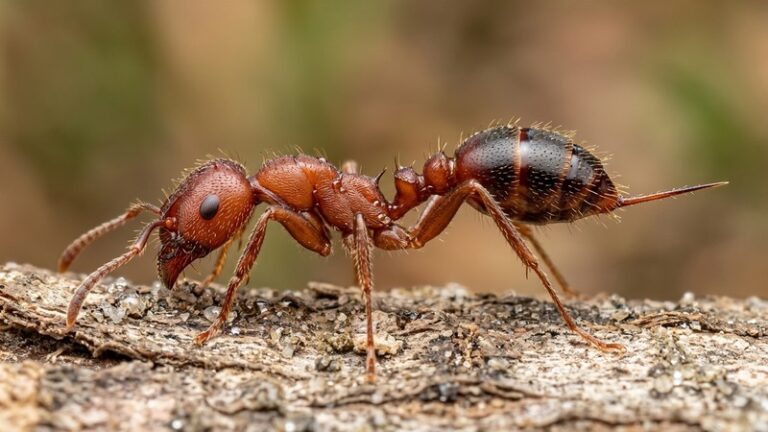
- Carpenter ants. These large invaders tunnel into wood that’s gone soft from moisture, often building a nest deep inside an older frame. Spotting them early prevents serious structural damage down the line.
- Odorous house ants. Drawn by sugar and kitchen spills, they follow a pheromone trail straight to your window sill. Crushing one releases a distinct rotten-coconut smell that confirms the ID.
- Little black ants. Tiny but relentless, these household ants squeeze through gaps barely 1 millimeter wide. According to Texas A&M AgriLife Extension, they nest in wall voids and forage in long, steady lines.
- Pavement ants. Common common invaders across homes in the United States, they exploit cracks near foundations and door tracks. They’re harmless to structures but persistent once scent trails are established.
Correctly identifying the species is the single smartest move before choosing any removal method.
How to Get Rid of Ants in Window Frames (DIY Removal & Natural Repellents)
Skip the heavy artillery—these practical fixes tackle an ant invasion in your window frames without turning your home into a chemical battlefield.
Immediate DIY Removal
- Wipe the trails. Grab soapy water and wash down window sills and windows to erase scent trails, so scouts lose their directional guidance back to the colony.
- Vacuum instantly. Suck up visible ants clustered around bottom corners and the seam where window frames meet drywall, then empty the canister outside immediately.
- Clear the buffet. Remove crumbs, wipe up spills, and clear food remains near the kitchen window so foragers find no reason to return.
Natural Ant Repellents (Eco-Friendly Options)
- White vinegar spray. This water-based mix dissolves pheromone markers and leaves a scent that ants actively avoid crossing.
- Peppermint essential oils. A few drops diluted along the frame creates a barrier whose smell foragers refuse to breach.
- Diatomaceous earth dusting. Sprinkle this fine powder into cracks and gaps where it dries out and kills ants on contact.
- Coffee grounds barrier. Scatter used grounds along the sill and exterior perimeter to disrupt ant pathways naturally.
Using Ant Baits for Long-Term Control
According to the EPA, baiting outlasts spraying because workers carry poison back to hidden nests, wiping out the colony at its source:
- Place bait traps near entry points where ant activity consistently appears.
- Let ants feed undisturbed—resist wiping the area for several days.
- Reapply along window frames until ant activity returns to zero.
How to Prevent Ants from Coming Back
Once ants find your window frames, they leave behind pheromone trails that invite repeat activity—so long-term prevention demands proactive, heavy-duty defense rather than reactive DIY fixes.
Seal Entry Points
- Caulk every gap around sashes, frames, and trim
- Repair worn weather stripping before temperature swings hit
- Install tight window screens and patch cracks in walls
Control Moisture & Crumbs
- Fix any small leak feeding condensation near sills
- Wipe crumbs and food residue from kitchen-facing windows daily
- Reduce interior humidity—damp wood softens and becomes a nesting buffet for foraging colonies
Regular Pest Maintenance
- Inspect older frames monthly for fresh tunnel activity or dust
- If ant activity returns, reapply natural methods at known access points
- Clear yard debris, vines, and vegetation touching your exterior walls
When It’s Time to Call a Pro
While DIY fixes handle surface problems, certain situations demand expertise. When ant nests burrow deep inside window frames and ants coming in persist despite sealed cracks, acting early with professionals prevents structural headaches down the road entirely.
According to entomologists at university extension programs, some infestations resist natural methods and commercial products completely. Professional exterminators eradicate stubborn colonies that homeowners struggle to kill or repel, making proactive intervention smarter than repeated failed attempts at long-term prevention.
Still Fighting Ants?
Get rid of ants for good — book your free inspection.
Fast, no-obligation quote from trusted local pest control pros.
Pesticides And Commercial Products That Eliminate Or Repel Ants
When over-the-counter fixes fall short, commercial repellents and store-bought formulas step in. According to university extension programs, effective options split into ant baits, contact spray formulas, powdery insecticide dusts, and scent-based barriers designed to guard vulnerable window frames and sills.
The critical divide is function. Some products eradicate large amounts of workers and destroy the whole colony through slow-acting toxins carried home, while others simply deter foragers, masking pheromone trails and blocking ant entrances without killing anything.
- Fipronil — a potent slow-acting toxin common in gel ant baits for colony wipeout.
- Boric acid (also sodium tetraborate) — a cleaning product derivative used in DIY ant traps and bait stations.
- Bifenthrin — a residual active found in perimeter/residual sprays for long-lasting exterior control.
- Permethrin — a synthetic contact spray ingredient that knocks down worker ants fast.
Final Thoughts
According to entomologists at Texas A&M AgriLife, tackling ants starts with patience, not panic. Persistent DIY approaches paired with proper sealing of entry points quietly outlast most infestations without expensive chemical intervention over time.
When recurring trouble signals deeper structural problems, calling a professional becomes wise. Combining natural deterrents, disciplined moisture control, and vigilant prevention creates lasting defense, keeping your window frames genuinely ant-free through every changing season ahead.
FAQs
How Do I Get Rid Of Ants Permanently?
Permanent control means sealing entry points where ants slip through cracks and gaps around window frames. According to the EPA, borax-based ant baits destroy the colony at its source. Pair exterior-grade caulk with regular pest maintenance, removing crumbs and moisture that invite recurring invasions back.
How Do I Get Rid Of Ants In My House Fast?
For immediate DIY removal, wipe the sill using a vinegar and water solution to erase scent trails instantly. Vacuum stragglers, then dispose of the bag outdoors. Diatomaceous earth sprinkled along windowsills works fast, absorbing oils that dries them out. Soapy water kills foraging ants on contact quickly.
What Smell Do Ants Hate?
Ants detest peppermint oil, cinnamon, and citrus peels rich in limonene. According to entomology research, a 2020 study found essential oil blends deter them strongly. Coffee grounds, lemon juice, and tea tree oil disrupt pheromone trails, masking the chemical tracks that guide their marching lines home.