10 Types of Ants in Texas: Identify & Control Them
When homeowners ask about the Types Of Ants In Texas, the state hosts numerous ants, with over 200+ species documented. The most frequent household invaders are fire ants, carpenter ants, odorous house ants, and Argentine ants, each with distinct nesting and foraging habits.
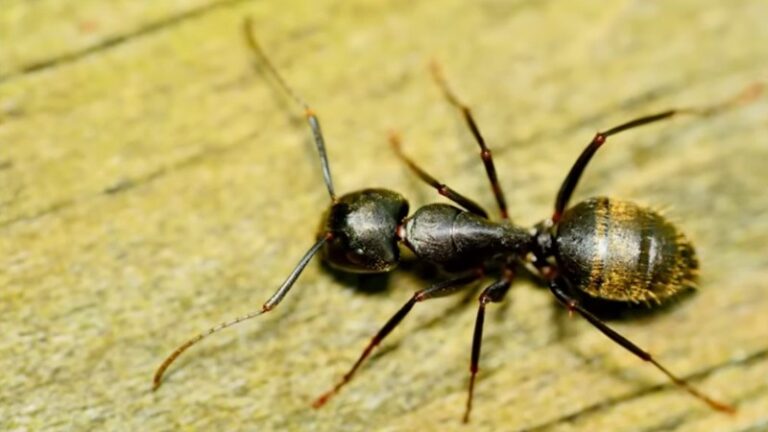
Not every ant threatens your home equally. According to the Texas A&M Urban and Structural Entomology Program, carpenter ants (1/4 to 1/2 inch) cause genuine structural damage by tunneling wood, while species like pharaoh and acrobat ants remain mostly a nuisance rather than destructive.
Most Common Texas Ant Species:
- Fire Ant (Solenopsis invicta)
- Carpenter Ant (Camponotus spp.)
- Odorous House Ant (Tapinoma sessile)
- Argentine Ant (Linepithema humile)
- Pharaoh Ant (Monomorium pharaonis)
- Crazy Ant (Nylanderia fulva)
- Texas Leaf-cutting Ant (Atta texana)
Across Texas, ants rank among the most persistent household invaders, from aggressive fire ants to wood-damaging carpenter ants. According to Texas A&M AgriLife Extension, dozens of species thrive here, each with distinct biology, nesting habits, and behaviors worth understanding.
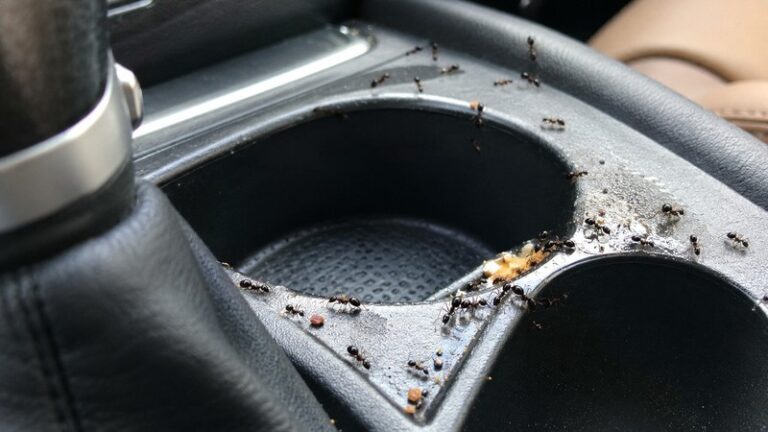
Some ants stay beneficial insects outdoors, while others invade a home, becoming a serious nuisance. Certain colonies can spread disease organisms, making identification essential before any infestation expands into walls, kitchens, or pantries unnoticed by homeowners.
Red Imported Fire Ants
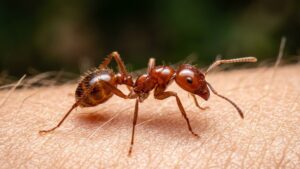
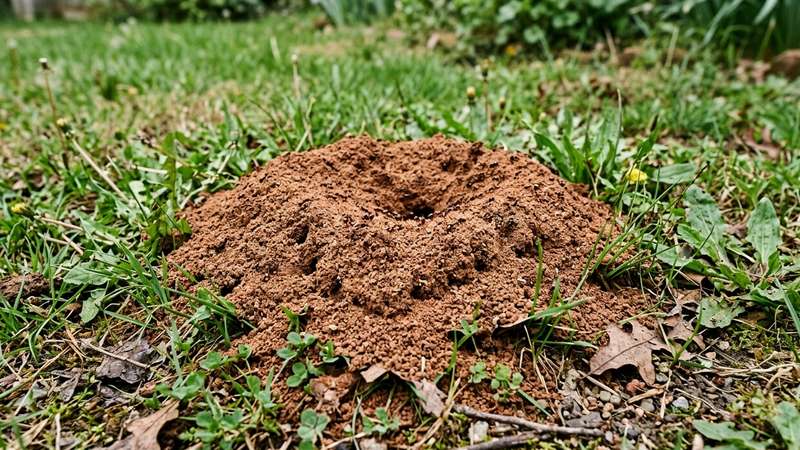
According to Texas A&M AgriLife Extension, this red imported fire ant is a major aggressive species building visible mounds across lawns and open sunny areas. Colonies spread quickly, and disturbed workers deliver a painful sting posing real health risks.
These social insects thrive in warm humid soil, foraging for food near foundations, utilities, and structure edges. Their dense colonies contain thousands of workers, making this a persistent pest across suburban and rural Texas property.
How To Get Rid of Fire Ants
Effective control starts with sanitation and exclusion: seal cracks, gaps, windows, and doors, then remove food sources attracting foraging workers. According to the EPA, bait stations let workers carry insecticides back to the colony.
For larger infestations, professional pest control services apply targeted treatments and specialized treatments directly to each nest. Regular inspections, proactive measures, and a trusted local pest control service reduce the likelihood of recurring damage.
Carpenter Ants
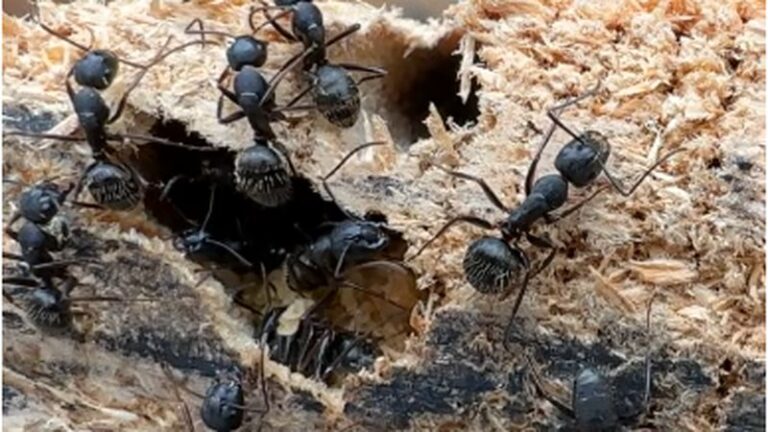
According to Texas A&M AgriLife, a carpenter ant infestation rarely stays visible, since these pests tunnel through wood structures, leaving sawdust-like debris called frass near hidden nests while quietly weakening damp framing indoors.
Effective control of Carpenter ants Texas homeowners face begins by targeting moisture problems, cutting off food sources, and choosing to seal entry points before reliable professional pest control locates and treats the deeper colony.
How To Get Rid of Carpenter Ants
According to the University of Texas extension experts, carpenter ants don’t eat wood but excavate galleries inside moisture-damaged timber. Locating the nesting location matters, since water damage near window frames attracts these persistent social insects seasonally.
Homeowners spotting winged ants indoors during spring should inspect basements, attics, and behind walls for damp conditions. Fixing leaks, replacing decaying wood, and treating hidden nesting galleries prevents ongoing structural damage throughout affected wooden structures effectively.
Tawny Crazy Ants
Known scientifically for erratic movement, these massive colonies overwhelm properties through sheer persistence. According to Texas A&M AgriLife specialists, managing infestations requires sealing entry points, reducing moisture, and eliminating accessible food sources around foundations systematically before populations explode.
Effective control targets the colony directly using ant bait placed near wiring, appliances, and electrical areas they favor. When future infestations persist, hiring professional pest control services to treat the nest delivers reliable, lasting results.
How To Get Rid Of Crazy Ants
According to Texas A&M AgriLife Extension, correct identification matters first, since erratic movements and unpredictable behavior across soil, mulch, and leaf litter make tawny crazy ants genuinely difficult to track through gardens and lawns.
These exotic invasive pest ant populations form extremely large colonies infesting electrical equipment, appliances, and wiring. Experts note damage near wall voids and sheltered locations demands a professional service strategy, because scattered foraging defies orderly trails.
Texas Leaf Cutter Ants
Texas leaf-cutting ant, named by Buckley, is a destructive species scarring landscape plants across central and southern regions. Known as town ant or parasol ant, these foraging worker ants relentlessly harvest vegetation from gardens and agricultural crops.
According to Texas A&M AgriLife Extension, the cut ant or fungus ant builds sprawling hills and colony sites, sometimes called towns. This night ant, roughly 1/4 inch, will cut leaves damaging turfgrass areas, crops, and landscaping throughout rural and suburban properties.
How To Get Rid of Texas Leaf Cutter Ants
Managing the Texas leaf-cutting ant demands patience since these large, reddish-brown foragers cut leaves to cultivate fungus underground. According to Texas A&M AgriLife, contact insecticides applied directly to multiple entry points disrupt thousands of workers effectively.
Because cut plant material feeds their grow a fungus lifecycle, eliminating the colony matters more than surface spraying. Target large nests across open sunny areas, lawns, and wooded areas, treating ground tunnels to prevent recurring damage to ornamental plants.
Odorous House Ants
The odorous house ant earns its name from a coconut-like smell when crushed, a quirk pest professionals use for quick identification. These tiny brown workers infiltrate kitchens relentlessly, trailing along countertops toward any sweet residue left behind.
According to the University of California IPM program, colonies relocate frequently and split under stress, making them stubborn. They favor moisture, nesting near sinks, wall voids, and warm spots where scattered food crumbs draw persistent foraging activity indoors.
How To Get Rid of Odorous House Ants
According to Texas A&M AgriLife Extension, tackling these ants means disrupting their scent-marked trail rather than merely spraying visible workers. Wipe down counters, baseboards, and plumbing lines where moisture and sugary foods invite persistent movement across your home.
Because colonies thrive across multiple nesting sites, one treatment rarely finishes an infestation. Baiting outperforms contact sprays, letting foragers carry poison back to hidden nest locations tucked under floors, inside wall cavities, or behind baseboards near debris.
Pharaoh Ants
According to entomology researchers, disturbing a colony triggers split colonies, so aggressive managing backfires badly. These tiny workers scatter into new nests, making eradication challenging whenever homeowners reach impatiently for sprays instead of scientifically proven baiting strategies.
Effective control relies on ant bait that foragers deliver internally, dismantling reproduction over time. Because reinfestation stays likely, partnering with a professional pest control service ensures ongoing management and consistent monitoring throughout your property’s vulnerable interior zones.
How To Get Rid Of Pharaoh Ants
Never crush these troublesome indoor pests, because disturbance triggers budding, splitting one colony into multiple colonies across walls, attics, and under floors. According to entomologists, that reaction explains their frustrating persistent activity inside Texas structures.
Instead, target their hidden spaces near plumbing, kitchens, bathrooms, and high moisture zones using slow-acting bait. Since improper treatment worsens spread within hospitals and food handling areas, professional evaluation protects vulnerable healthcare facilities effectively long-term.
Red Harvester Ants
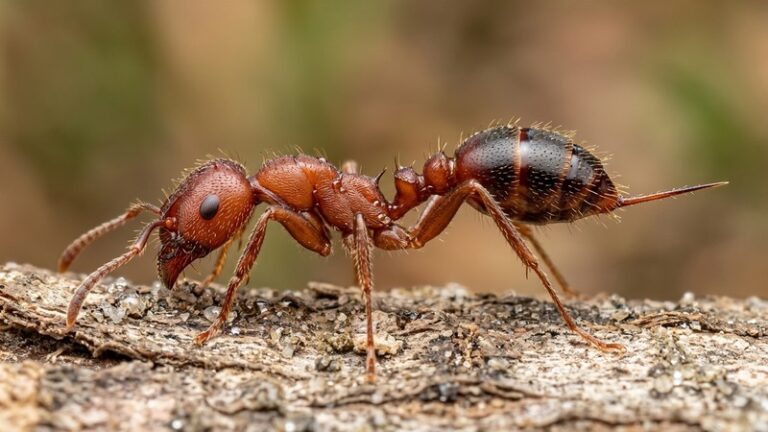
According to Texas A&M AgriLife Extension, red harvester ants clear large colonies across open areas, parks, and golf courses. Their soil mounds dot sunny areas, pastures, and hillsides where warm climate conditions favor rapid nesting.
These native ants turn aggressive when a nest gets disturbed, delivering a painful sting with real burning sensation. Their reddish-brown workers forage near sidewalks, driveways, and water sources throughout spring and summer.
Acrobat Ants
According to University of Florida entomologists, acrobat ants raise their abdomens defensively, nesting inside wall voids, attics, and decaying heartwood where moisture problems and leaks create high moisture levels attractive to foraging workers seeking food.
These small insects, roughly 1/8 inch, wander cracks, crevices, and plumbing penetrations near door frames and eaves. According to experts, they trail tree trunks, limbs, and stored firewood while foraging actively during summer.
Pavement Ants
Homeowners across Texas rarely notice these tiny invaders until trails appear near foundations. According to Texas A&M AgriLife Extension, pavement ants thrive in soil beneath sidewalks, driveways, and slabs, staying highly adaptable through shifting seasons.
Unlike fire ants, they don’t bite or sting aggressively, remaining a mild nuisance inside kitchens and bathrooms. Extension entomologists note they favor sugary foods and crumbs, foraging indoors during cooler summer months across warmer humid regions.
How To Get Rid of Pavement Ants
Prevention starts when you clean up food sources and seal entry points around slabs and cracks. Pest specialists recommend baiting stations plus sticky traps, letting foragers carry toxicants inward to eliminate the colony at its root.
For stubborn returns, targeted treatments outperform surface sprays that scatter workers uselessly. According to industry pest experts, professional pest control services deliver reliable control, combining perimeter barriers with interior bait placement for lasting, colony-level suppression indoors.
Argentine Ants
According to Texas A&M AgriLife Extension, Argentine ants form enormous interconnected supercolonies. These persistent invaders overwhelm properties through sheer coordination, working as unified networks rather than isolated groups, dominating territory relentlessly across yards.
Unlike solitary pests, Argentine ants share resources between multiple nests seamlessly. Their cooperative structure lets populations balloon rapidly, displacing native species while trailing indoors toward moisture, sweets, and any accessible household food.
How To Get Rid of Argentine Ants
Effective control demands slow-acting ant bait carried back to hidden nests. Spraying visible workers rarely helps, since eliminating scattered subcolonies requires patience, consistency, and targeted treatments reaching queens deep within.
For stubborn infestation spread across walls or foundations, contacting a pest control professional ensures thorough coverage. Experts treat the nest systematically, attracting foragers while sealing entry gaps, restoring lasting relief indoors.
Other Ant Species
Beyond the usual suspects, Texas hosts the red harvester ant, known for denuded areas and central openings surrounded by coarse soil particles. Their colonies deliver a painful sting, especially dangerous for sensitive individuals encountering these mounds.
Acrobat ants flash a distinctive heart-shaped abdomen when disturbed, ranging brown, black, or reddish. According to the Texas A&M AgriLife Extension, they nest outdoors beneath bark, stones, and landscape materials, occasionally moving indoors into damp, damaged wood.
Household Ants
Pavement ants, tiny at 1/8 inch and dark brown to black, favor nesting within cracks across sidewalks, driveways, and pavement. Though not aggressive, this nuisance invades kitchens, foraging for grease and sugary substances relentlessly.
Argentine ants form massive supercolonies, their long trails invading homes through gaps near windows. According to pest control experts, these small pests cluster around sweet substances in bathrooms, thriving in warm moist environments and humid conditions statewide.
Common Types of Ants in Texas
Texas is home to a remarkable range of ants, from the notorious fire ants to the wood-damaging carpenter ants. Homeowners across the state encounter these native and invasive species, each bringing distinct behaviors, risks, and challenges worth recognizing early.
- Fire Ants (Solenopsis invicta) — aggressive stingers with visible mounds, dangerous to children and pets
- Carpenter Ants (Camponotus spp.) — largest ants in Texas homes, hollow out wood into galleries
- Tawny Crazy Ants (Nylanderia fulva) — scurry in irregular patterns, notorious for infesting electrical equipment
- Texas Leaf-cutting Ants (Atta texana) — destructive foragers that harvest vegetation for fungus
- Pharaoh Ants (Monomorium pharaonis) — very small yellow pests that spread diseases in healthcare facilities
- Odorous House Ants (Tapinoma sessile) — emit a rotten coconut smell when crushed
-
Argentine Ants (Linepithema humile) — form dense colonies that invade homes and plumbing
- Pavement Ants (Tetramorium spp.) — 1/8 inch foragers nesting under stones near driveways
- Red Harvester Ants (Pogonomyrmex barbatus) — rarer now, key prey for the horned lizard
- Little Black Ant (Monomorium minimum) — common with large colonies, seldom encountered indoors
What Texas Homeowners Can Do
According to Texas A&M AgriLife Extension, homeowners should first identify the species before acting, since ant management depends on biology, nesting habits, and whether colonies nest indoors or nest outside, near food.
Watch for persistent activity around kitchens, bathrooms, and pantries. Seal cracks near windows, doors, and foundation gaps. Clean up food spills, store items in airtight containers, and prevent attracting these beneficial insects indoors.
When To Call An Ant Professional
Severe infestations, massive colonies, or ants infesting electrical equipment signal trouble. A pest control professional can treat the nest directly, especially when budding creates multiple colonies through improper treatment that spread persistent problems.
Aggressive species like red imported fire ants swarm and sting in unison, proving dangerous to children, pets, and anyone allergic. Professional pest control services deliver targeted treatments and long-term management to eliminate the colony safely.
Still Fighting Ants?
Get rid of ants for good — book your free inspection.
Fast, no-obligation quote from trusted local pest control pros.
Effective Ant Control Strategies
Strategy depends on species. Bait stations and granular bait let workers carry sweetened insecticides back, reaching the queen to reduce the colony’s population. Mound treatments and liquid drenches target the colony at fire ant nests.
According to the University of Florida IFAS, combining mound-top insecticide with bait works best. Seal cracks around pipes and entry points, remove food sources, and use professional treatments for larger infestations requiring long-term management control.