Carpenter Ants in Texas: Signs, Damage & Control
Carpenter ants in Texas are large, social insects (Camponotus sp.) that tunnel through wood to build nests but do not eat wood, unlike termites — making them a widespread and potentially destructive structural threat statewide. They damage timber by hollowing it out rather than consuming it.
According to Texas A&M AgriLife Extension, these wood-nesting ants are most active from late winter through early spring, when reproductive forms with two pairs of wings emerge to mate. A key infestation signal is frass — small piles of shredded wood near galleries.
Watch for these quick signs:
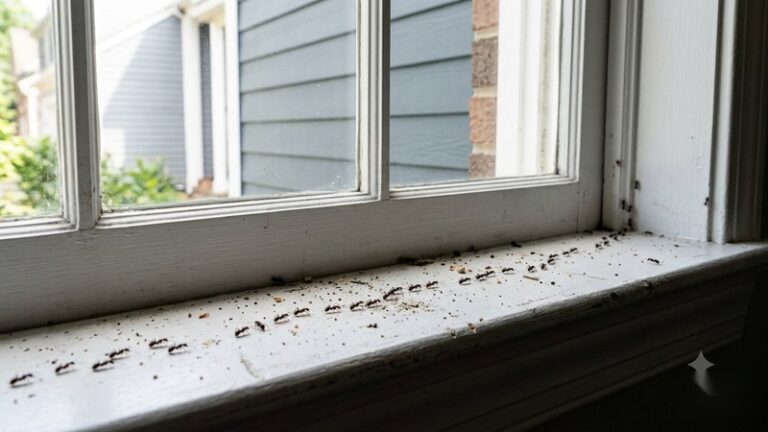
- Winged ants indoors near walls
- Frass or sawdust piles
- Rustling inside structure voids
- Conspicuous ants all year around
Carpenter ants are among the most misunderstood wood-destroying insects in Texas homes. Unlike termites, these larger ants don’t feed on wood—they excavate galleries to build nests, often searching for food, water, and shelter.
According to Texas A&M AgriLife Extension, Texas hosts numerous species of these robust bodies with large compound eyes. Understanding their biology, nesting patterns, and preventive measures helps homeowners protect structures before a heavy infestation causes damage.
What Is a Carpenter Ant?
Among the types of ants in Texas, the winged carpenter ants stand out. Their reproductives, or swarmers, appear as sexually mature ants during a several day period. Both reproductive males and females emerge, winged, seeking mating opportunities.
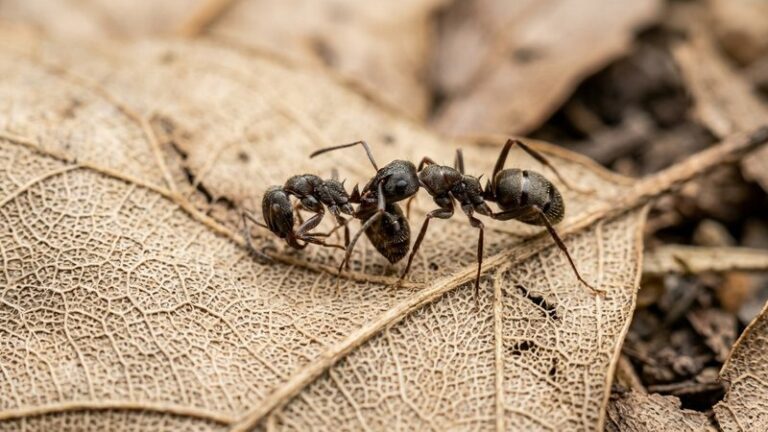
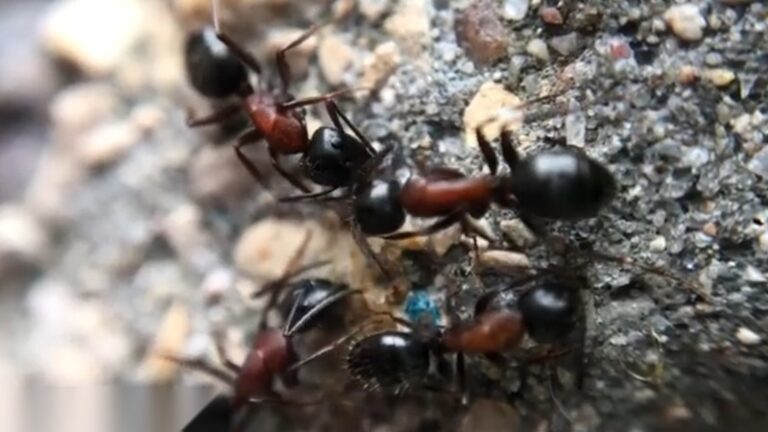
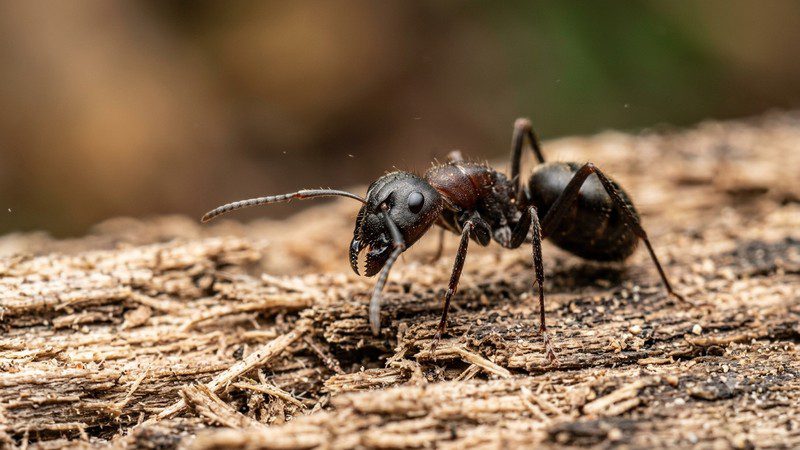
Size varies notably across adults: workers range 1/4 inch, 5/8 inch, up to ¾ inch long. Coloring spans red, reddish orange, and darker shades, and their bodies show one segment connecting thorax to abdomen, distinguishing them clearly.
According to Texas A&M AgriLife Extension, winged carpenter ants and winged termites often swarm at the same time, confusing homeowners. However, carpenter ants have a constricted, wasp waist and wings unequal in length, distinguishing their identity.
Are Carpenter Ants Dangerous for Humans and Pets?
Unlike termites, these normal ants rarely target humans or pets directly. According to Texas A&M AgriLife Extension, they lack venom potent enough to seriously harm people, though their strong mandibles deliver noticeable pinching bites when provoked.
The real threat targets your home’s structure. As serious pests, they excavate through moisturized wood, framing lumber, and insulation, quietly compromising buildings. Their excavations weaken tree branches and limbs, creating potential wood-destroying organism concerns that home sellers genuinely dread facing.
For pets, curiosity around an existing colony occasionally sparks defensive bites, rarely dangerous. Once carpenter ants invade and move into a house, addressing conditions conducive to infestations early helps you get rid of them before structural damage escalates significantly.
Where Do Carpenter Ants Live in Texas?
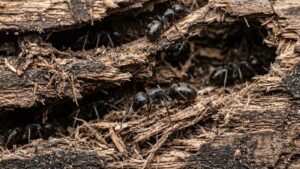
Carpenter ants build nests inside dead wood, trees, and wooded areas, though Texas carpenter ant species frequently live indoors within damaged or rotten timber. Their natural nesting sites often start outdoors before they spread toward a home’s structure.
According to Texas A&M AgriLife Extension, these ants gravitate toward wood softened by moisture. That underlying dampness weakens fibers, letting them excavate tunnels easily, which explains why decayed spots become preferred over sound, dry material every time.
They slip inside through gaps around utility lines, plumbing gaps, and foundation cracks. Overhanging limbs and branches touching rooflines also give them direct bridges from outdoors into interior wall spaces.
Here’s where these ants are most commonly discovered around a property:
- Trees with rotten cores
- Wood damaged by termites
- Excavate insulation in walls
- Weakened, hollow tree branches
- Fence posts and wooded areas
- Damp framing near a home’s structure
- Dead wood stumps and logs
According to that same extension research, these ants forage for food at night, traveling long linear routes toward buildings. They follow branches, wires, and ground edges, quietly weakening structures unless you get rid of them early as a potential wood-destroying organism.
What Attracts Carpenter Ants?
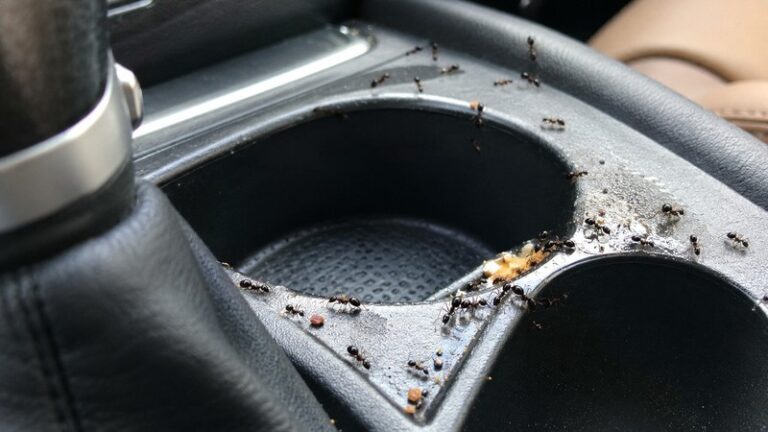
Carpenter ants are drawn primarily to moisture and accessible food, which is why homes with damp conditions become prime targets. Contrary to popular belief, what carpenter ants eat isn’t wood at all.
Several conditions and materials tend to pull these pests toward a structure:
- Higher moisture levels
- Leak and condensation
- Damaged by water wood
- Honeydew from insects
- Sweets and proteins
- Clogged gutters
- Dead insects
- Wood in contact with soil
- Tree branches touching structures
- Firewood stored nearby
According to Texas A&M AgriLife Extension, these ants seek out decayed or water-softened timber for nesting rather than feeding, since they excavate galleries instead of consuming the material.
How to Get Rid of Carpenter Ants
Eliminating these pests demands locating the actual colony rather than chasing individual foragers, because visible ants are only scouts. The real complication lies in their habit of building interconnected satellite colonies, meaning one treatment rarely reaches every hidden nest.
Locating The Hidden Nest
Finding the primary gallery starts with tracing worker movement back to its origin. Watch where ants forage along fence rails, water hoses, or garden edging, then follow those linear guidelines toward wall voids, window frames, or moist wood. Look for frass piles near any tiny opening or kick-hole.
Applying Targeted Treatment
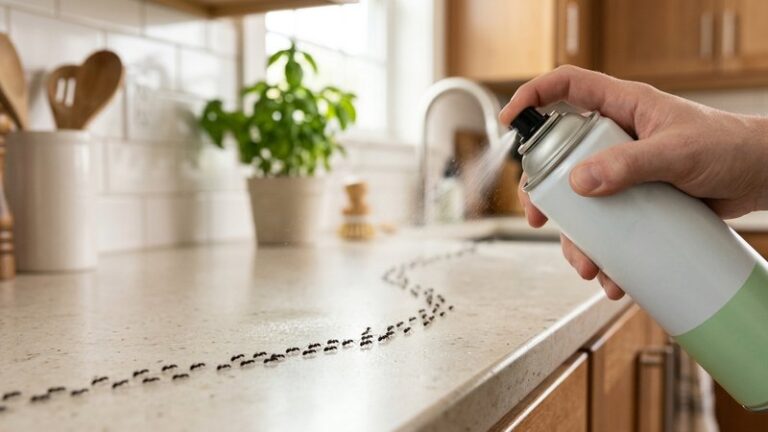
Once located, direct insecticide into the gallery and surrounding void areas for contact kill. According to the University of Kentucky Entomology department, baiting works when ants carry slow-acting product back to the queen. Place bait along narrow pathways where year-round residents actively travel seeking food.
Removing Moisture And Attractants
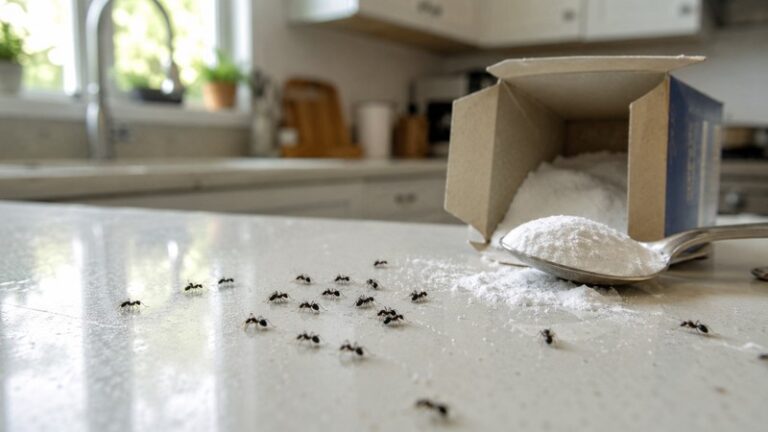
Because colonies favor higher moisture content, correcting water leaks, water seepage, and poor ventilation removes the conditions they need. Seal cracks, crevices, and ventilation openings around foundation walls. Clear dead or weakened wood, and eliminate indoor sweets, grease, and meat that draw omnivorous invaders.
Prevention As The Long-Term Fix
The durable solution is denying access rather than repeated spraying. Trim tree branches touching the structure, replace damaged flashing, and improve airflow in crawl spaces, attic areas, and cellars. Addressing damaged by termites wood and water leaks early stops re-infestation before another colony takes hold.
Still Fighting Ants?
Get rid of ants for good — book your free inspection.
Fast, no-obligation quote from trusted local pest control pros.
Biology And Habits
Carpenter ant colonies contain thousands of workers, yet only one functional queen sustains them. Mature colonies produce winged reproductives—the kings and queens that emerge during swarming season, each relatively large compared to ordinary worker ants.
According to Texas A&M AgriLife Extension, these wood processors don’t consume timber; they forage widely, gathering carbohydrates from honeydew and proteins from insects. At night, foragers travel 100 yards from the nest, following foraging trails across surfaces.
Unlike termites, they process dead wood by carving galleries smooth and clean, driving cavity formation inside hollow trees. This nesting behavior benefits ecosystems, supplying bird food and becoming valued food for woodpeckers seasonally.
Ecology
Carpenter ants shape the wooded environments they occupy across Texas. They tunnel through decaying timber, forage after dark, and interact constantly with other insects. Their presence signals both forest health and potential structural risk near homes.
- Habitat: hollow trees, logs, landscaping timbers, posts
- Feeding: honeydew, aphids, plant juices, small living insects and dead insects
- Activity: forage at night, warm months, invade properties at night
- Role: weaken tree branches, already damaged trees, excavate galleries
Species Info
Across Texas, the carpenter ant is best understood as an outdoor and indoor insect that builds colonies in wood, and the state hosts 18 recorded species worth knowing. According to Texas A&M AgriLife Extension entomologists, these ants range comparatively larger than most household pests, with a varying length range and an uneven round shape to the thorax that sets them apart at a glance.
- Black Carpenter Ant: Often entirely black or solid black, this indoor species measures roughly 1/4-1/2 inch-long, with workers showing a smooth, evenly rounded thorax and a pinched waist.
- Red-And-Black Carpenter Ant: Displays a reddish-brown head and thorax paired with a black tail and abdomen, its coloring shifting from yellowish red to black across the size variation seen among soldiers and workers.
- Southern Carpenter Ant: A native Texas carpenter ant species favoring already damaged trees and hollow parts of trees, known to weaken tree branches rather than attack wood for food.
- Acrobat Ant Look-Alike: A common look-alike (Crematogaster sp.) frequently confused with true carpenter ants; it is smaller at 1⁄8 inch to 3⁄8 inch, with a distinctive heart-shaped abdomen ranging dark brown to black and a habit to nest in dead wood.
Every genuine carpenter ant shares a telling profile — a single bump or node, elbowed antennae, and a circle of hairs at the tip of the abdomen with no spines and no bumps when viewed from the side — traits that help you distinguish ants from termites and get them identified accurately before any control measures.