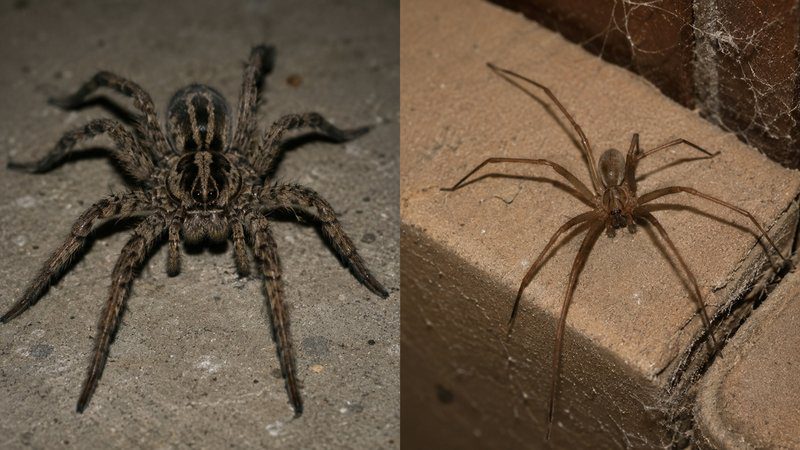
Wolf Spider vs Brown Recluse: 4 Ways to Tell Them Apart
Quick Answer
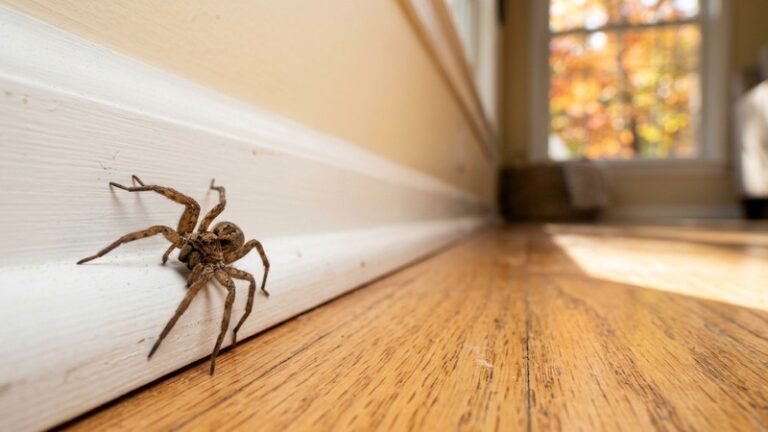
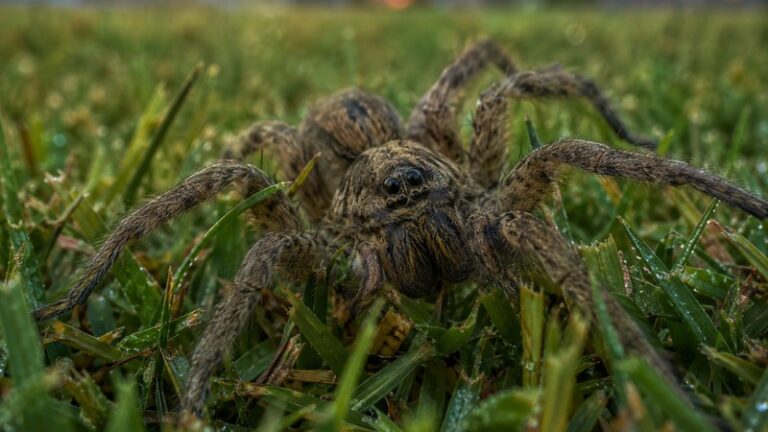
The wolf spider is larger, hairier, and a fast, ground-level hunter you’ll spot running across the floor at night, showing a robust, stocky build with distinctive dark stripes down its back.
A brown recluse stays shy and secretive, tucked into dark, undisturbed places; its slender, almost hairless body carries the tell-tale violin-shaped marking behind the head.
Size separates them fast: wolf spiders reach 6 to 35 mm, while recluse adults measure 7 to 12 mm, roughly the size of a quarter with plain, uniform coloring.
The eye pattern settles it — recluses show six eyes in three pairs, wolf spiders eight eyes.
Homeowners often panic spotting a large brown spider encountered indoors. Wolf spiders are the most common and harmless, running across the floor at night. Brown recluses stay hidden, favoring an undisturbed area—a closer look matters before assuming danger.
Appearance
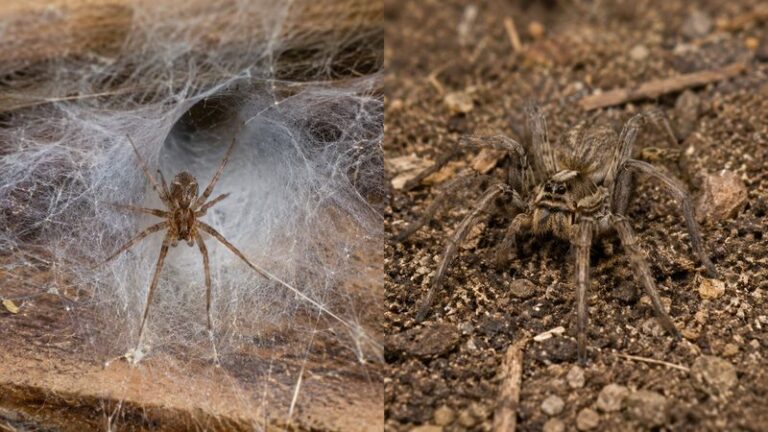
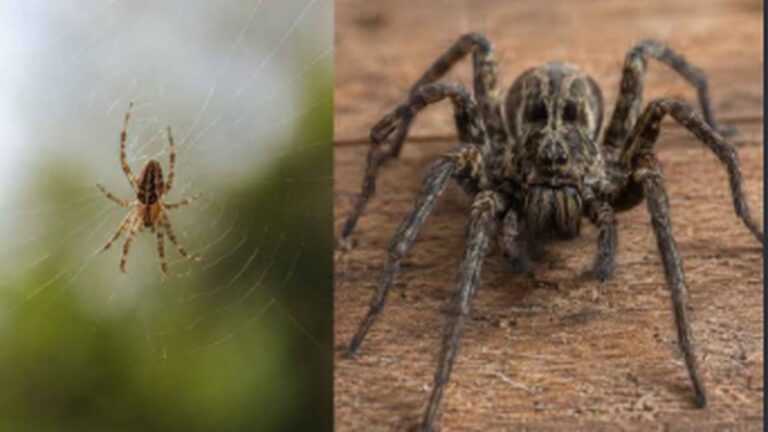
Entomology experts note that the wolf spider stands out through texture and average size: a hairy, brownish-gray body spanning 6 to 35 mm, often visibly striped. The brown recluse stays modest at 7 to 12 mm, wearing a plain tan coat.
Look closely at the color and legs. The recluse shows no markings on legs and a light brown, mottled tone, marked by a dark violin shape whose neck pointing toward rear identifies it. A central stripe and lighter bands trace the smooth violin marking. If you’re still unsure between similar-looking species, a Hobo spider vs wolf spider comparison can help you rule out other common brown spiders.
Where You’ll Find Them
Wolf spiders prefer open floors, roaming across garages and basements where they move actively at night. You’ll spot them near baseboards or darting past boxes and shoes, since these ground-dwelling spiders hunt rather than build low-to-the-floor webs in corners.
Brown recluses favor hidden spots, tucking into undisturbed corners, stored cardboard boxes, and closets with low foot traffic. They gather in garages, outbuildings, and storage areas, hiding inside unused clothing for weeks before anyone notices them.
Hazards
A wolf spider poses little real danger; not dangerous to healthy adults, its bite typically causes only mild redness. These fast movers roam floors and walls, but their startling speed rarely translates into a serious medical threat worth panicking over indoors.
The brown recluse carries greater bite risk, though serious cases stay rare. Attacks happen when spiders hide in stored clothing, shoes, or cardboard boxes you reach into. A slow-healing wound may develop, and severe reactions occasionally cause meaningful skin damage requiring attention. Bites from other species can look alarming too — for example, what does a yellow sac spider bite look like is a common question, since those bites are sometimes mistaken for a recluse.
Eye Pattern: The Most Reliable Field Test
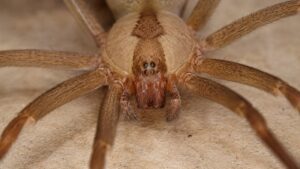
When appearance leaves you uncertain, the eye count settles it. A brown recluse carries 6 eyes in 3 pairs arranged in a loose semicircle, while a wolf spider shows 8 eyes in 3 rows, including two large reflective eyes that catch light dramatically.
This eye count distinction stays consistent even when violin marking references fail. That defining feature—those two large reflective orbs glowing in the middle row—makes the wolf spider unmistakable once you photograph it from a safe distance.
How To Reduce Spider Pressure In Your Home
Reducing indoor spider activity starts with limiting the quiet, cluttered spots they favor. Targeting these zones cuts down on encounters far more than random spraying ever will. For persistent problems, professional spider control targets the shelter and entry points do-it-yourself methods usually miss.
Seeing Spiders at Home?
Get rid of spiders for good — book your free inspection.
Fast, no-obligation quote from trusted local pest control pros.
Seal Entry Points
Seal off crawl space gaps and clear storage areas where spiders retreat into nooks, crannies, and forgotten corners over the months.
Store Items Off The Floor
Keep stored clothing, shoes, and cardboard boxes off the floor, since these tight spaces and low spots invite wolf spider and brown recluse shelter alike.
Control Moisture
Control damp conditions in basements, attics, and garages, because moisture draws prey that fuels ongoing infestation and hidden webbing.
Check Before Reaching
Practice checking first before reaching into bins or pulling boxes, especially in the garage, where highest-risk moments cluster.
Consistent decluttering, paired with sealing entry points, steadily shrinks the sheltered territory spiders depend on inside living spaces.
Wolf Spider Vs. Brown Recluse: Bottom Line
The size and texture truly separate these two. Wolf spiders appear large, hairy, and visibly striped, often running openly across your floor at night. Brown recluses stay small, smooth, and plain-colored, preferring hidden spots you rarely check daily.
Watch undisturbed corners, boxes, and shoes where a brown recluse hides quietly. Actual confirmed encounters remain uncommon. The violin marking on its back signals genuine risk, warranting cautious attention rather than panic.
Frequently Asked Questions
Is The Spider I Found In My Home Likely A Brown Recluse?
Statistically, probably not. Most spiders people encounter are harmless house spiders or a wolf spider scurrying across floors. Brown recluses favor dark, undisturbed places—closets, attics, basements, behind furniture—so a spider moving openly or roaming is rarely one. If you’re comparing everyday indoor spiders, a House spider vs brown recluse breakdown clears up most of the confusion.
Brown recluse populations stay documented to specific regions, and suspected recluse sightings often turn out to be other species. Check the violin marking and six-eyed pattern; when unsure, a licensed pest control professional provides confirmation before handling.
How Can I Tell A Wolf Spider From A Brown Recluse Without Touching It?
Start with a zoomed photo taken from a safe distance—your phone camera handles this well. A large, hairy shape running openly across the floor at night signals a wolf spider. Keep watching how it moves actively at night near baseboards.
For a brown recluse, look for the dark violin shape with its neck pointing toward rear. The eye-count test stays the most reliable: recluses show a six-eyed pattern, unlike the wolf spider’s rows.
Are Brown Recluse Spiders Found In My Area?
Brown recluses are firmly documented across specific regions, mostly the central and southern United States. In other regions they remain genuinely uncommon, so encountering one truly depends heavily on where your particular home actually sits geographically.
Even inside established regions, these spiders stay hidden rather than roaming. Confirmed sightings often get overstated. Being documented somewhere statewide doesn’t guarantee they’re uncommon nearby, yet local pockets shift block by block quite noticeably.
What Should I Do If I Think I Was Bitten By A Brown Recluse?
Stay calm and act fast. Clean the area, apply ice, and elevate it. If blistering, tissue damage, or spreading localized redness appears, see a doctor promptly, since delayed care risks worsening the injury.
Capture the spider if safe, since accurate ID guides treatment. Watch for mild swelling that won’t clear up on its own, plus skin wounds signaling bacterial infections. In severe cases, medically significant venom causes deeper tissue harm, so seek medical attention without hesitation.
How Can I Tell If A Spider Is Venomous?
A close look at eye count and arrangement offers the most definitive clue. Brown recluses show six eyes in pairs, while a wolf spider carries eight eyes in three rows, with two notably large eyes that are highly reflective under a flashlight.
Check the back for a violin marking, the real identifier of a recluse. Uniform coloring and a plain, smaller frame separate it from the larger, hairier wolf spider. When uncertain, consult a licensed pest control professional for confirmation.