Wolf Spider Texas: Are They Dangerous? (Full Guide)
Quick Answer
- Terrifying mud-colored creatures appear on your porch, garage, and grass
- Big wolf spiders crawling near your keyboard trigger a startle reaction
- Family Lycosidae thrives everywhere—cotton fields, wooded areas, beneath rocks
- These scary spiders are harmless unless you provoke them
- Rabidosa rabida roams homes, shrubs, debris, and shed corners
According to the entomologists cited by Texas A&M University, wolf spiders rarely bite and pose little harm to humans, making these oddest animals far less terrifying than their appearance suggests.
Across the planet, wolf spiders thrive everywhere except Antarctica, and statewide in Texas they are remarkably common around homes. According to the Missouri Department of Conservation, these hunting spiders chase down prey rather than spin webs. Formidably named, the rabid wolf spider intrigues homeowners despite its harmless reality. If these ground hunters are becoming a nuisance, professional spider control services can help keep your property clear.
Appearance & Identification
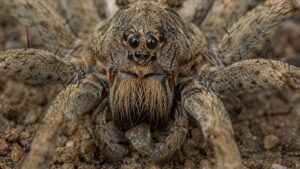
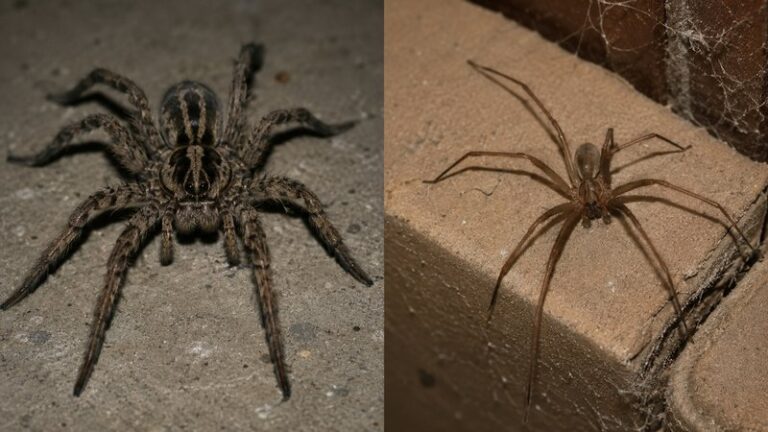
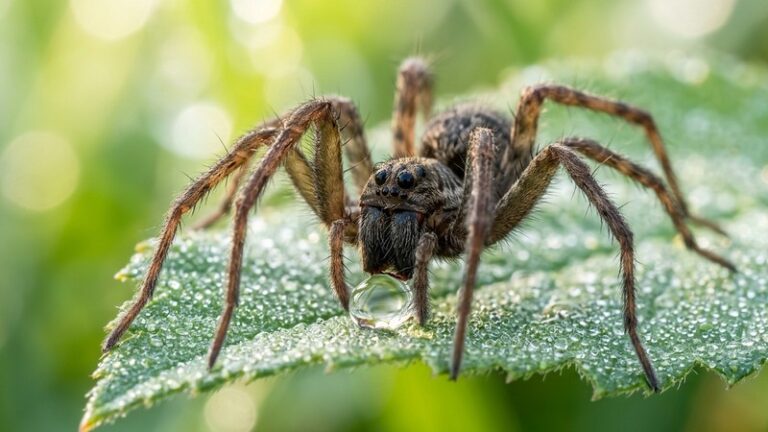
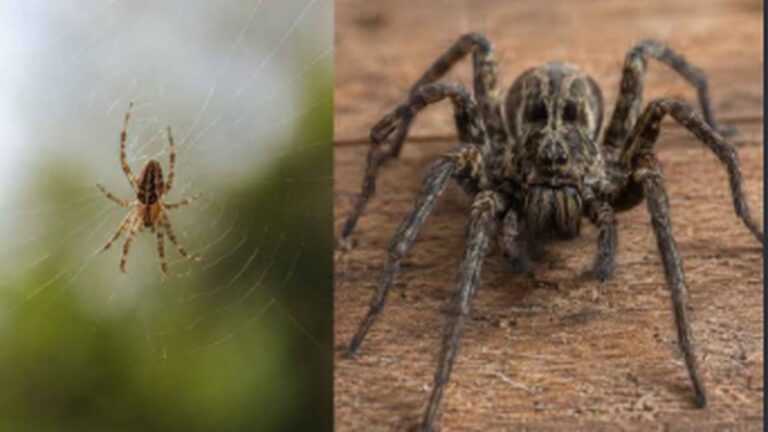
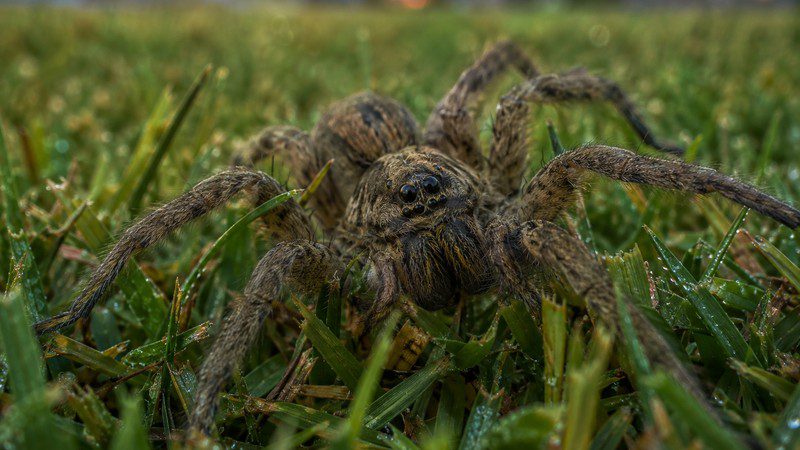
According to Valerie Bugh of Spiders of Texas, these hunters earn their name through robust, hairy bodies and long legs. Their forward-facing arrangement of eyes distinguishes them, while stout builds signal ground-dwelling predators rather than passive web-spinners waiting quietly.
Richard Bradley, in Common Spiders of North America, notes their large primary eyes that reflect light dramatically. Brownish-gray tones blend seamlessly with soil, giving these creatures natural camouflage. Their reflective eyes betray them only when a flashlight catches that eerie glow.
Habitat & Where They’re Found
According to Texas A&M University research, wolf spiders thrive across diverse Texas landscapes, favoring the grass, weeds, and unmowed field margins where prey concentrates. These nocturnal hunters settle into any location offering shelter, moisture, and steady insect traffic year-round.
Unlike web-building relatives, they roam natural haunts ranging from suburban lawn edges to open rubble. Per Valerie Bugh’s Spiders of Texas, shifting temperatures push them toward shaded retreats or sunny areas — wherever seasonal conditions stay tolerable.
Household Spiders in Texas
Household spiders in Texas often include wolf spiders that wander indoors while hunting, especially as temperatures shift. Unlike web-builders that settle in corners, wolf spiders enter homes chasing insects and are typically found at floor level near doors, garages, and baseboards.
Hunting Behavior
According to Valerie Bugh of Spiders of Texas, these arachnids reject webs entirely. Wolf spiders stalk insects across open ground, ambushing crickets, moths, and grasshoppers directly. Their excellent eyesight lets two large eyes track food while they wander patiently through darkness.
Nighttime activity peaks when temperatures turn tolerable. A hunting spider encounters prey, then pounces without warning. According to Bradley’s Common Spiders of North America, this ground-based hunting strategy separates them from web-builders across every Texas landscape.
Reproduction & Egg Sacs
Female wolf spiders carry a maternal duty unlike most arachnids. According to Texas A&M AgriLife Extension, mothers attach a rounded egg sac to their spinnerets, dragging this bundle everywhere while hunting continues, protecting developing young throughout the vulnerable incubation period.
Once spiderlings emerge, they climb aboard their mother’s abdomen, riding in living clusters for days. According to entomologist Valerie Bugh, this rare backpacking behavior distinguishes wolf spiders dramatically, as siblings disperse gradually afterward, molting repeatedly before reaching independence across lawns, fields, and shadowy Texas grasslands.
Spotlight: Hunting at Night
According to Valerie Bugh’s Spiders of Texas, these nocturnal predators rarely sit passively for a meal. Instead, they ambush or run prey down like a wolf, actively tracking any insect or small arthropod across dark terrain after sundown.
Unlike a spider that builds a web and waits, wolf spiders search for food and come out at night. When things get slow, they move to a new location, patiently choosing a likely spot to wait for opportunity.
Number of Species in Texas
Texas hosts an astonishing variety of these creatures across its sprawling landscapes. According to Valerie Bugh of Spiders of Texas, dozens of distinct wolf spider types roam here — from riverbanks to desert flats — each adapted uniquely to survive in wildly different microhabitats.
Counting exact numbers proves tricky since new species occasionally surface during research surveys. The famous rabid wolf spider, or Rabidosa rabida, remains among the most recognizable Texas residents, though many lesser-known relatives quietly thrive unnoticed in grassy terrain nearly everywhere.
Bites & Danger to Humans
Here’s a contrarian truth: the wolf spider you spotted in your backyard rarely deserves the panic. Despite looking like a weapon on eight legs, these hunters aren’t aggressive. According to entomologist Richard Bradley, most bites happen only through accidental close encounters.
A big wolf spider may deliver a sting-like nip if trapped against skin, yet it never intends to harm us. According to Taylor Donaldson, assistant research scientist at the tick research laboratory at Texas A&M University, reactions stay mild — unlike scorpions or parasitic spider wasps — rarely warranting anything harsher than a soapy water rinse.
Seeing Spiders at Home?
Get rid of spiders for good — book your free inspection.
Fast, no-obligation quote from trusted local pest control pros.
Wolf Spider vs Brown Recluse
People often confuse the two, but the wolf spider vs brown recluse comparison is important for safety. A wolf spider is larger, hairier, and has a distinctive eye arrangement, while a brown recluse is smaller, smoother, and carries a violin-shaped marking. Crucially, a brown recluse bite can be medically significant, whereas a wolf spider bite is typically harmless.
What They Eat
According to Common Spiders of North America, these hunters actively search for food rather than wait for insects to get stuck. Being nocturnal, they come out at night, choosing a likely location where a small arthropod might move.
Unlike a spider that lazes around a web, wolf spiders hunt and ambush their prey. Rather than sit passively, these namesakes run prey down like a wolf, and when things get slow, they simply relocate.
Seasonal Activity
When a male spider begins to wander across Texas terrain, timing matters more than most realize. Wolf spiders stay active seasonally, laying down silk draglines as they roam to navigate shifting ground and mark familiar routes home.
According to the National Wildlife Federation, warmer months amplify movement dramatically. If a male encounters a line left by a female, he’ll follow it to find her. Cooler seasons quiet this restless searching considerably each year.
Silk Draglines
Wolf spiders trail silk lines during activity, anchoring threads as they move. Unlike web-builders, these hunters don’t get stuck in their own silk; instead, draglines mark paths across grass, weeds, and leaves while they roam at night.
The spinnerets producing these strands also spin the silk covering for egg sacs. Females carrying young rely on this same tough silk to protect the sacs, safeguarding eggs and spiderlings as mothers patrol the lawn.
How to Get Rid of Spiders in Texas
If wolf spiders keep appearing indoors, knowing how to get rid of spiders in Texas comes down to reducing what attracts them. Seal cracks around doors and windows, reduce outdoor lighting that draws insects, clear clutter and debris near the foundation, and keep grass trimmed. Since wolf spiders follow their prey, controlling the insects they hunt is the most effective long-term step — and professional treatment handles heavier infestations quickly.