Best Time to Spray for Spiders in Texas (Spring vs Fall)
Quick Answer
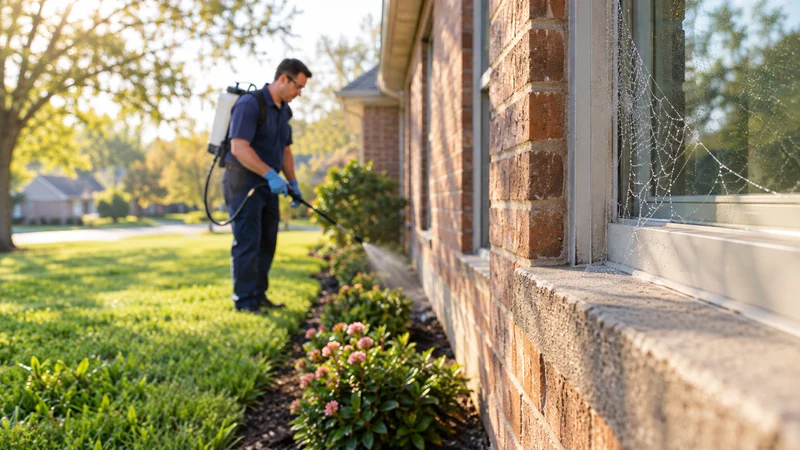
- Early spring works best, since spiders on the move after hibernating hit a protective barrier while residue is strongest.
- A second round in early summer hits the busiest time, when mating and hatching peak, so fewer spiders survive indoors.
- Winter treatments are not particularly effective, because spiders in diapause stay hidden away in attic spaces with minimal activity.
- Book reapplication every 6–9 months at regular intervals; dial (512) 646-0117 for a local pest controller offering professional spider spraying.
Spring gets the credit, yet fall offers better value for spider spray. According to Texas A&M AgriLife Extension, cooled weather pushes spiders indoors, looking for food, shelter, and mates. Wolf spiders don’t spin webs; these ground-dwelling spiders absorb a lethal dose crawling around treated surfaces, while fresh residue at its most effective guards your property.
How Spider Spraying Works
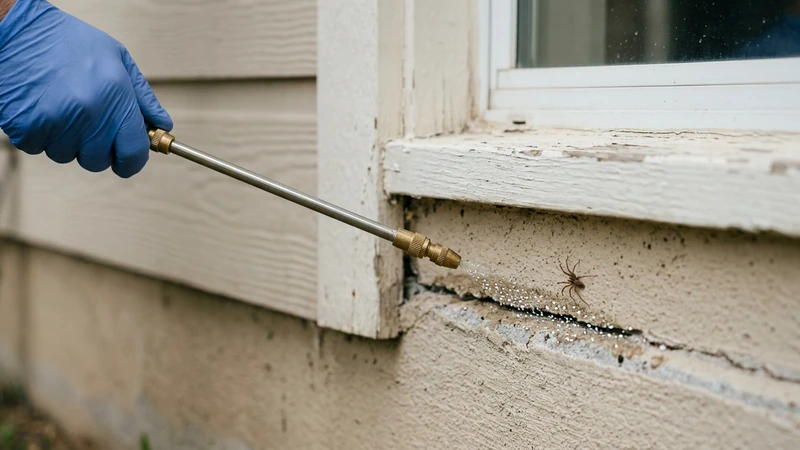
Most people judge spider spraying by what dies instantly, missing the point. The effects of a spray build slowly: a pest controller lays residue along cracks, crawl spaces, and window sills, and spiders absorb it while crossing. Delayed contact is how a spider spray works.
Product selection matters equally. According to the EPA, pesticide labels are legally binding, so formulations and ingredients must suit the exact spot treated. Environmental conditions decide timing: sun and rain mean residue wears away quickly, while sheltered corners keep residue still working for several months.
Where Do Spiders Go in the Winter?
Most spiders never move indoors for winter. According to Burke Museum arachnologist Rod Crawford, outdoor species stay outside, sheltering under bark, leaf litter, siding cracks, any ideal spot holding warmth, while house spiders live indoors year-round. Your unwanted house guest likely moved in months ago.
Those slipping inside hunt warm areas like attics, wall voids, and garages, where household pests supply a food source through the winter months. Cold weather leaves outdoor populations weaker, so late winter is often the best time to spray for spiders, before warmer months return.
Why Good Spider Spray Results Are Possible All Year Round (Targeted Pest Control)
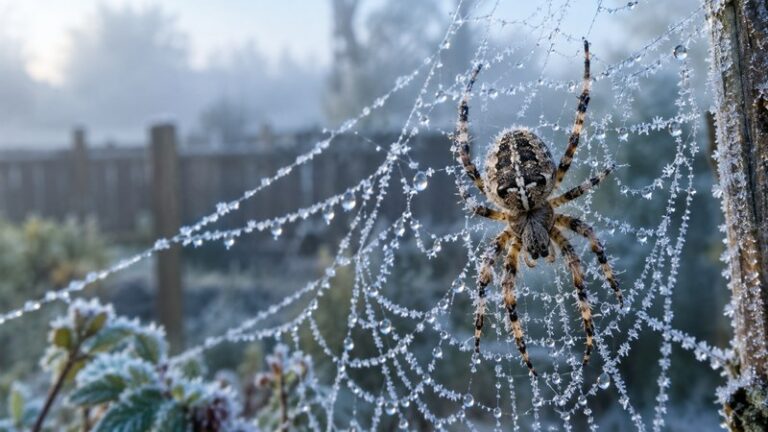
Counterintuitive truth: spraying in winter can outperform a midsummer blitz. Texas A&M AgriLife Extension notes many spiders overwinter in sheltered cracks around homes. Their body pauses, but not forever. Treat those cracks along the perimeter, and spring’s first crawl brings contact with the surface residue.
Good results any time of the year depend on residual power, not calendar luck. During warmer stretches, the spiders most active cross that invisible barrier, and grooming means product gets ingested from legs and bodies. A six-monthly service from a vetted pro helps prevent infestation.
Seeing Spiders at Home?
Get rid of spiders for good — book your free inspection.
Fast, no-obligation quote from trusted local pest control pros.
Common Household Spiders
Knowing which local species you’re facing shapes a targeted plan more than spotting spiders ever will.
House Spider
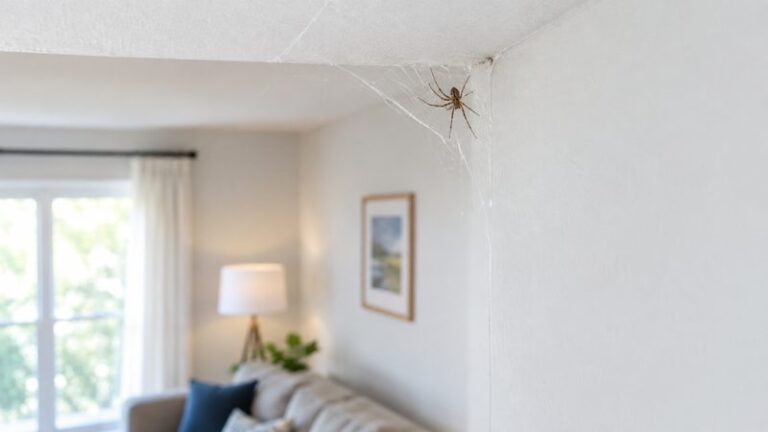
A dusty cobweb in the garage usually signals prey, not poor housekeeping. According to Texas A&M AgriLife Extension, the common house spider builds tangled webbing in places not regularly moved and waits for flies and small insects to blunder in. Its bite rarely troubles people.
- Clear spider webs from attic rafters weekly; fresh ones reappear wherever bugs keep gathering.
- Cutting porch lights near doors and windows leaves fewer spiders, because fewer insects gather there.
Wolf Spider
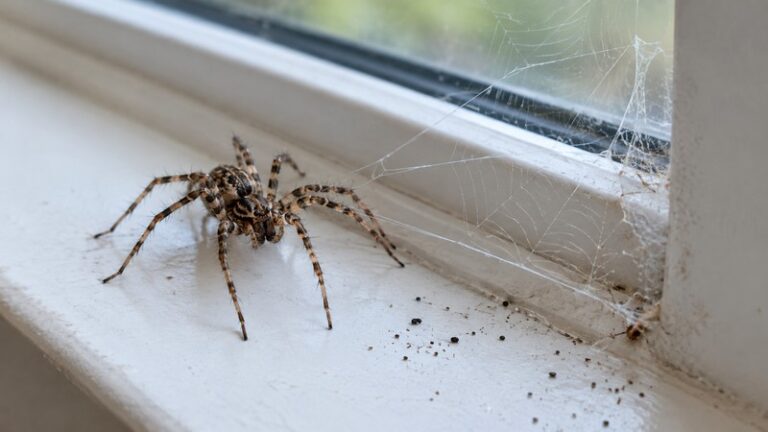
Checking where spiders build webs won’t find wolf spiders, which is why web-focused cleaning barely touches them. This predator prefers to hunt on foot at night rather than lie in wait. Cold weather nudges them indoors, and their size often alarms homeowners more than necessary.
- Per University of Kentucky Entomology, females carry young on their backs, scattering spiderlings through living areas when swatted.
- A sticky trap near baseboards works well, since these wanderers constantly cross open surfaces at night.
Black Widow Spider
The female with a red hourglass matters most, because the Centers for Disease Control and Prevention notes her venom affects the nervous system. She claims an undisturbed, safe hidden place like woodpiles, meter boxes, or patio furniture, staying out of sight until hands reach in.
- Clear clutter along outside walls where little ones play; widows treat piles as a private area.
- Recurring sightings? A licensed professional pest controller confirms which types of spiders you have first.
What Spiders Look For in a Hiding Spot
Anyone asking “Why are there so many spiders in my house?” usually expects one dramatic cause. In practice, it comes down to a few perfect hiding spots meeting specific needs that most spider species share.
Stillness Matters More Than Darkness
Spiders avoid high-traffic areas and settle wherever they’re infrequently disturbed, such as attics, closet corners, and storage boxes. According to Rod Crawford of the Burke Museum, the common house spider often lives its whole life indoors, never needing to leave.
Dinner Within Reach
A quiet corner means little without a reliable food source. Porch lights and dampness attract insects, so spiders get drawn to the area, spin expansive webs, and claim nesting spots nearby. Cut off that prey, and the chance of them staying drops.
Clutter Close to the Floor
Wolf spiders do not build webs; they actively hunt prey from cover instead. Texas A&M AgriLife Extension notes these wanderers favor debris, so wood piles, leaf piles, and stacked items at ground level become ideal launch points near entry doors.
The Cold-Season Retreat
When the weather turns colder, spiders from outdoor spaces seek shelter and enter homes, chasing warmth in warm indoor areas and deep hidden places behind appliances. That inactivity fools homeowners until spiders wander into the living space, where they’re most commonly found.
What Else Can You Do If You Find Spiders in Your Home?
If you’re working out how to get rid of spiders in Texas, the sight of a spider calls for layered moves, not one frantic spray.
Organic Pesticides
Does vinegar kill spiders? A direct soak can stress smaller web-spinning spiders, but it leaves no residue barrier, so survivors rebuild. Plant-based oils like peppermint or cedar offer less residue and minimal impact around pets, working through absorption via skin contact rather than lingering protection.
- Spot-treat webs and corners every couple of months; natural oils fade quickly and need reapplying.
- Keep expectations realistic: organics reduce spider activity but rarely stop large infestations or huntsmans outright.
Glue Traps
According to the University of California Statewide IPM Program, sticky traps along baseboards catch wandering hunters and reveal which different species of spiders move through your house. Their value is diagnostic: they map effective areas and show whether numbers climb within a week or two.
- Set traps near doors and behind stored boxes, where spiders outside usually slip indoors first.
Spider Sprays
A bottle with a spray trigger kills on contact, yet results come from insecticide along the property boundary. Per the EPA, the label is the law, so mixing stronger than allowed adds risk, not protection. You’ll see the effects within several hours to a day.
- Reapply perimeter treatments about every 3 months; no product works as a magic barrier year-round.
- For black widow spider sightings or repeat nests, a licensed spider control service is safer.
Final Thoughts
Timing matters more than the product. Spring and early summer remain the best time of year because baby spiders emerge from hibernation hungry and exposed. Texas A&M AgriLife Extension notes spiders are carnivores with a helpful reputation, so targeted pest control beats blanket treatment everywhere.
Watch for dodgy operators pushing misleading advertising. A residual product fades, so a professional spider control service should treat the perimeter of the home, read the product label, and top it up when needed. Call (512) 646-0117 and we’ll connect you with trusted local experts.