Beetle vs Bed Bug: 6 Key Differences to Spot Fast
Quick Answer
- Start with damage, not the bug: unexplained bites point to bed bugs, while irregular holes in silk or leather signal carpet beetles.
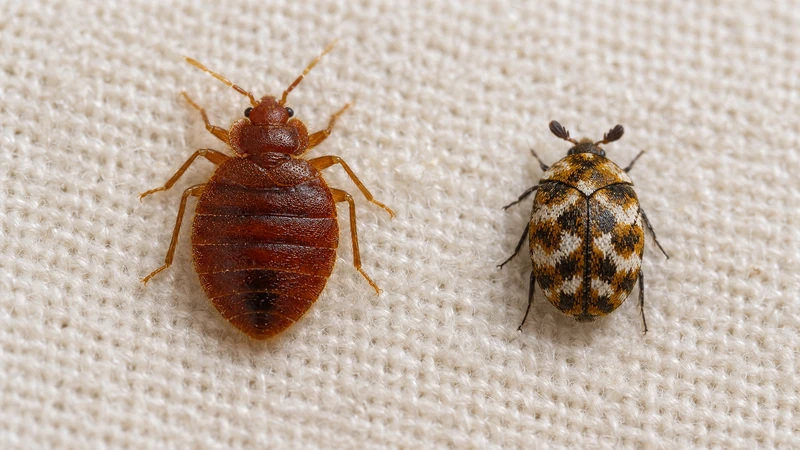
- Bed bugs are flat, wingless, reddish-brown ovals sized like an apple seed; adult carpet beetles wear a patterned shell and can fly.
- The real fabric-eater is the slow-moving larva, not the adult beetle, and those hairy worms leave exoskeletons along carpet edges and under rugs.
- Both pose no disease risk, yet bed bugs leave red itchy welts in clusters, while carpet beetle barbed hairs spark allergic contact dermatitis.
- According to the U.S. EPA, carpet beetles are common bed bug look-alikes, so misidentification breeds ineffective treatments. Let a licensed local exterminator confirm species first, then pick the right treatment.
Accurate identification comes first, because misdirected effort wastes weeks. According to the EPA, bed bugs are a public health pest: blood-feeding parasites after human blood, causing nighttime irritation. Carpet beetles, with their ladybug-like shell, cause silent damage instead; their grubs chew wool blankets and animal-based materials. Both travel by hitchhiking inside luggage or secondhand items.
Appearance & Identification: Bed Bugs
Bed bugs come in a similar size to carpet beetles, yet their flatter, wingless profile becomes obvious once you know where to look.
- Adults are reddish-brown insects with an oval body roughly apple-seed sized, according to the EPA.
- They can’t fly and have no working wings, and a beak-like mouthpart tucks neatly beneath the head.
- After feeding, that smooth, segmented body turns swollen, elongated, and darker red within minutes.
- Bed bug nymphs begin translucent and paler, darkening toward tan after each molt.
Appearance & Identification: Carpet Beetle
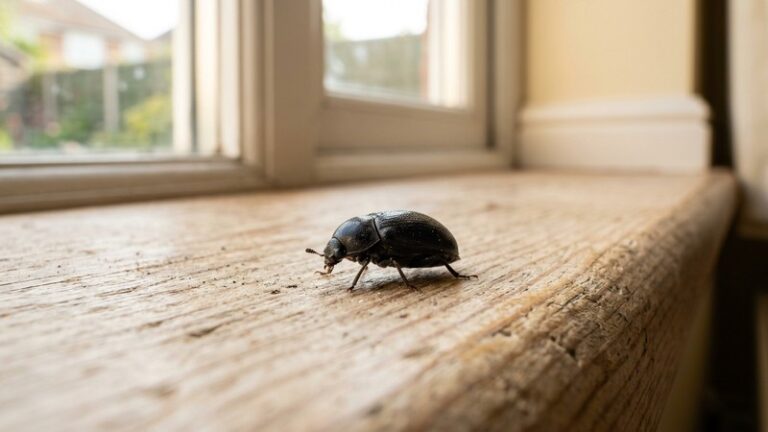
Many little black beetles in house window frames are actually carpet bugs, and spotting them early saves your wardrobe from silent damage.
- These beetle-like insects look rounded from above, ranging from pinhead size to roughly a peppercorn.
- According to Texas A&M AgriLife Extension, glossy black or mottled scales help identify species at a glance.
- Under a magnifier, short clubbed antennae separate them from bed bugs and many household pests.
- Pollen and nectar feeders, they’re attracted to light, so dead beetles collect near light fixtures.
Beetle vs Bed Bug
Main Differences
Both are tiny insects people often call bugs that look like chia seeds, yet their diet, hiding habits, and threat to people differ.
Carpet Beetle Larvae vs Bed Bug Nymphs
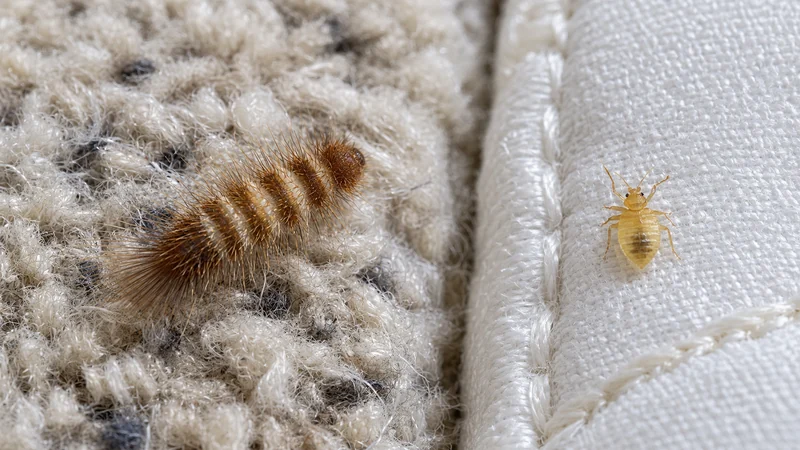
According to University of Kentucky Entomology, fuzzy larvae chew natural fibers while pale nymphs need blood meals, which makes pest identification straightforward.
Carpet Beetle Shells Vs Bed Bug Shells
Per University of Minnesota Extension, bed bug skins keep their oval body outline; beetle sheds don’t.
How They Get In & Spread (What Attracts Them)
One pest rides in on your belongings, the other flies through an open window; what attracts them differs sharply.
Bed Bugs: Hitchhikers Chasing Warm Hosts
- Per the EPA, bed bugs ride in on suitcases, bedding, and secondhand furniture from hotels or rentals.
- Dirt isn’t the draw; body heat and carbon dioxide from sleeping hosts steer them toward beds.
- University of Kentucky entomologists note they spread to neighboring units via electrical outlets and utility lines.
Carpet Beetles: Fliers Seeking Fibers & Fur
- Adults sip pollen from nearby vegetation, then slip past window sills and door gaps in warmer months.
- Per University of Minnesota Extension, females lay eggs on animal products like wool, furs, and pet hair.
- Larvae feast on dead insects in attics and storage areas, often entering from nests in overhanging trees.
Where They Live & Hide (Habitat)
Pinpointing the habitat often settles the debate faster than a magnifying glass, since each pest claims very different territory indoors.
Bed Bugs: Anchored Close To The Host
- The EPA notes bed bugs shelter within about eight feet of sleeping areas, staying near hosts.
- Mattress folds, seams, and headboard crevices hide them during the day before nocturnal feeding begins.
- Heavy cases push outward into wall voids, behind baseboards, and even inside nightstand drawers near beds.
Carpet Beetles: Wherever Fibers Quietly Collect
- University of Kentucky entomologists find larvae in undisturbed spots, chewing natural fibers, wool, and animal hair.
- Check carpet edges where pet hair, lint, and organic debris accumulate in dark areas.
- Adults drift toward window sills chasing light, while closet stored items nourish the next generation.
Activity Patterns
Comparing activity patterns exposes the sharpest split in behavior: one pest stalks sleeping hosts, the other’s adults chase light while larvae hide.
Bed Bugs: The Pre-Dawn Shift
Darkness switches them on. According to New Hampshire’s Division of Public Health Services, feeding peaks just before dawn, when human activity hits its lowest. Exhaled carbon dioxide and skin odors act as chemical signals, guiding them from seams and headboards. Once disturbed, they move quickly into cracks, though a starving bug may bite by daylight.
Carpet Beetles: Daylight Wanderers, Darkness Feeders
Flip the clock for this pest. According to the University of Florida’s IFAS Extension, adults are drawn to light, which explains why spring sightings involve tiny beetles climbing walls toward windows. Their larvae reverse that instinct, shunning light and feeding inside dark folds of natural materials, a pattern repeated across all the common household species.
Do They Bite?
Bed bugs deliver bites; carpet beetles don’t. These blood-feeders track body heat and carbon dioxide while you sleep, leaving itchy bumps or red welts in lines along arms, neck, and face. Carpet beetle larvae feed on fibers and never pierce skin.
According to the CDC, bed bugs aren’t known to spread serious diseases, and marks may surface hours to days later. Carpet beetle larval hairs can still cause bite-like skin reactions in sensitive individuals.
Bites vs Skin Reactions
Only one of these pests actually bites, yet both leave skin itching, so learning to tell them apart starts on your arms.
Bed Bug Bites Follow a Feeding Route
Start with the pattern, not the bump. According to the American Academy of Dermatology, bed bug bites often appear in a line or zigzag on skin exposed during sleep, sometimes days later. Look for blood spots on pillowcases. Per the CDC, bites aren’t known to spread disease, yet repeated nightly feeding drives insomnia and distress.
Carpet Beetle Rashes Come From Contact, Not Feeding
Carpet beetles never bite, so that itch on your neck or hands is usually carpet beetle dermatitis. Bristly hairs on the true larvae shed into infested fabrics and dust, then irritate sensitive skin through clothing contact. The beetle is harmless medically, but the rash keeps flaring until those larvae are found, making early detection worthwhile.
Signs Of Infestation
Each pest leaves different clues, and reading them correctly saves wasted time and lets you act early on treatment.
Carpet Beetle Clues In Your Fabrics
- Irregular holes and patchy fabric damage show up on natural-fiber items first.
- Shed larval shells carry a bristly texture and gather quietly along baseboards.
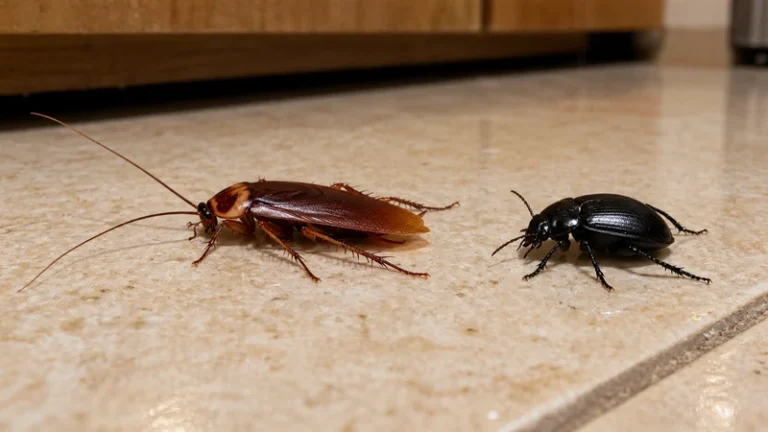
- A homeowner comparing beetle vs cockroach often misreads tiny, sand-like pellets near carpets.
- Live adults hovering at sunny windows signal noticeable activity, not a stray visitor.
Where Bed Bugs Leave Their Mark
- According to the EPA, rusty sheet stains often mean crushed, blood-fed bugs.
- Dark, ink-like dots mark furniture crevices and hidden spots around sleeping areas.
- Translucent shed skins and pale eggshells gather along upholstered furniture seams and tufts.
- Bites aren’t reliable: some sleepers get puncture wounds, others show no reaction.
Prevention
Stopping both pests early lets you protect your home before growing infestations quietly reach furniture, fabrics, and sleeping areas.
- Check hotel rooms, purses, and personal belongings after trips, since bed bugs hitchhike home unnoticed.
- Carpet beetles are attracted to flowers and plant material, so screen open windows and seal doors.
- The EPA advises you to wash bedding and clothes on high heat and vacuum flooring edges weekly.
- Per Texas A&M AgriLife Extension, larvae eat hair and furs; clean hairbrushes and seal woolens.
- Schedule an inspection for apartments and shared units when tenants turn over, so you act fast.
How to Get Rid of Them
Both pests need different plans, yet every eviction starts by stripping away clutter and committing to steady monitoring first.
Clearing Out Carpet Beetles
- Run a vacuum along baseboards, closet floors, and pet beds, then empty the canister outdoors.
- Launder washable textiles in hot water, and dry-clean wool or silk pieces larvae have chewed.
- Dust a thin layer of food-grade diatomaceous earth under rugs and along carpet edges.
- Seal stored sweaters and blankets in airtight bags so returning adults find nothing to eat.
Wiping Out Bed Bugs
- Isolate bedding, curtains, and clothing in sealed plastic bags before carrying them to the laundry.
- Wash clothes, then dry on high heat; according to the EPA, 30 minutes does the job.
- Work a steam cleaning nozzle slowly over mattress seams, box spring corners, and headboard joints.
- Place glue traps under bed legs and check them every 48 hours to confirm progress.
When To Call A Professional
Misreading confused pests costs time; DIY sprays often prove ineffective, letting either insect multiply before anyone realizes different treatments were needed.
- Rust-colored stains on pillows or seams in bedrooms signal bed bugs needing heat treatment fast.
- Thinning patches resembling moth damage mean larvae already damage fabrics, risking costly property damage across rooms.
- Shed eggshells behind dressers or in wall cracks show insects that lay eggs beyond surface reach.
- Allergies or flaring eczema after empty home inspections warrant professional identification before specialized insecticides.
According to the EPA, bed bug elimination usually needs combined methods. We’ll connect you with vetted local pros for cost-effective results.