Little Black Beetles in House: ID & Get Rid of Them
TLDR
—Those tiny dark crawlers you spot near windowsills and baseboards often turn out to be dermestids, drugstore beetles, spider beetles, confused flour beetle invaders, or wood-boring powderpost beetles.
—Before any treatment plan, nail down the species: grab a magnifying glass, check antenna shape and body texture, and capture a beetle with clear tape for a proper ID.
—Carpet beetle larvae chew through wool, silk, and fur; pantry types ruin grains and flours; the wood-borers leave exit holes in oak and hickory.
—Most won’t hurt you—ground beetles are scavengers that wander in through cracks and crevices, do not fly toward your food, and do not jump or breed in living spaces.
—According to the University of Kentucky Entomology Department, when DIY efforts stall past 30 days or sightings cover multiple rooms, bring in a pro for accurate identification and targeted treatment.
According to University extension entomologists, little black beetles in house spaces usually fall into a few species: carpet beetles, flour beetles, ground beetles, and the occasional spider beetles that wander in by accident and often die quickly indoors.
What surprises most homeowners is that proper ID changes everything. Each type demands different treatment because some damage fabrics, others contaminate food, certain ones damage wood, while many simply don’t breed inside at all.
Common Types Of Little Black Beetles Found Indoors
Not all small dark beetles are the same, and knowing which one you’re dealing with is the first step toward an effective fix.
Carpet Beetles
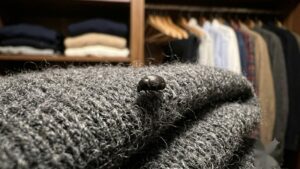
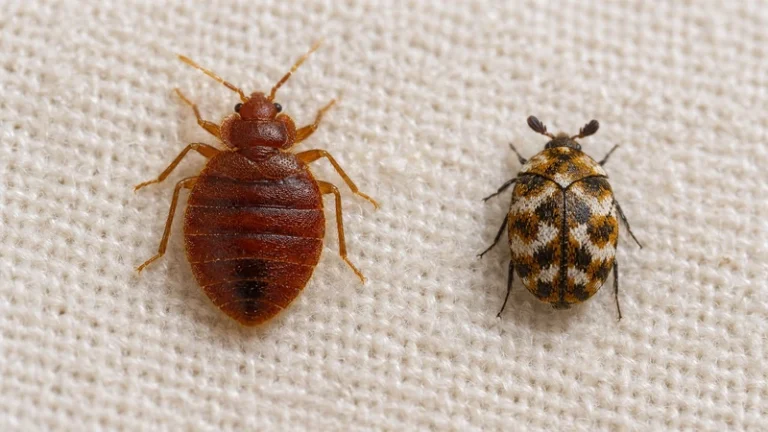
According to the University of Kentucky Entomology department, carpet beetles are among the most frequently misidentified household insects. Black carpet beetle adults measure roughly 3–5mm with rounded, shell-like bodies, while the larval stage carries the bristly-looking brown molt skins that often give an infestation away. You’ll typically find them in dark undisturbed locations — inside stored woolens, beneath upholstered furniture, and tucked into closet corners. Their larvae quietly feeding on wool, silk, leather, and fur create scattered holes across a garment or carpet, and the telltale brown cast skins they leave behind confirm their presence long before you spot a live adult.
Ground Beetles
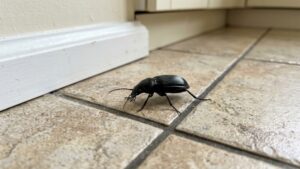
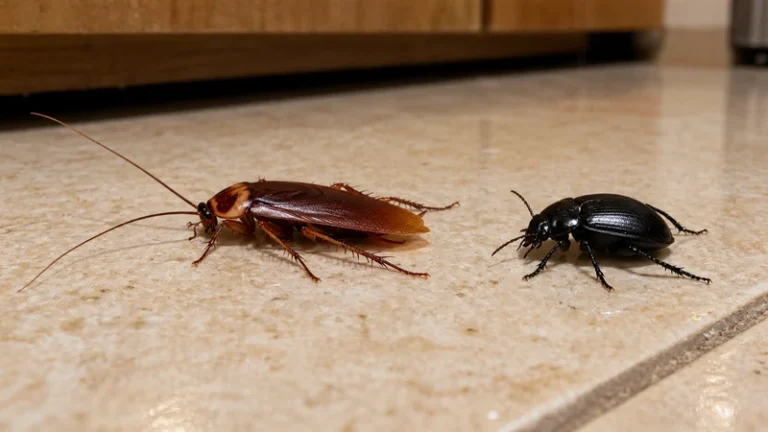
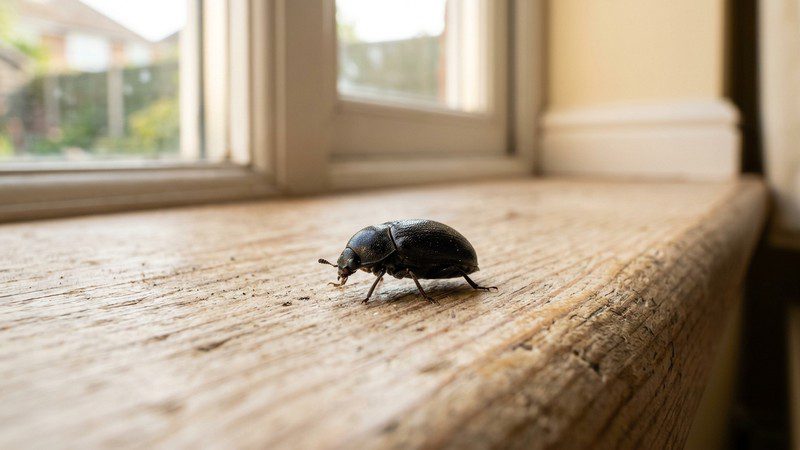
Ground beetles are the wanderers of the group, slipping indoors by accident rather than intent. Most species run 6–12mm long with elongated, glossy bodies and noticeably ridged wing covers built for speed. They’re nocturnal hunting specialists drawn toward bright outdoor lights, which leads them through gaps around doors and windows, often after landscaping work or heavy rain. Unlike fabric or food pests, they cause no real harm inside — they don’t breed inside and tend to die quickly indoors. Finding several near ground-level walls or mudrooms usually points to entry cracks rather than an established colony. If you’re unsure whether the dark crawler you found is truly a beetle, comparing it against a beetle vs cockroach breakdown can help you rule out other common household lookalikes at a glance.
Pantry Beetles Or Flour Beetles

The Penn State Extension notes that flour beetles are reddish-brown to near-black, slim, and only about 3–4mm long — easy to overlook until you find them streaming through stored grains. These pantry pests target flour, rice, cereal, and bulk dry goods, frequently arriving hidden inside groceries before spreading through a kitchen. Their populations multiply fast in warm conditions, and you’ll often notice them crawling across pantry shelves or clustering near food sources. Signs include fine powdery residue in infested food, live insects in sealed bags, and an unpleasant odor signaling it’s time to toss infested food.
Spider Beetles
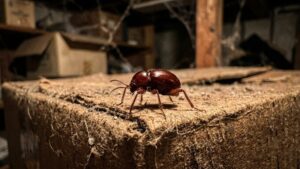
Spider beetles earn their name from their long legs and bulbous, rounded abdomens that mimic a tiny arachnid. Typically 2–4mm and shiny reddish-brown to dark, they thrive in neglected spaces like attics, damp basements, and forgotten storage. According to the Smithsonian’s pest resources, they scavenge an unusually broad diet — dead insects, bird nests, rodent nests, feathers, and stale food all sustain them. They favor humidity and clutter, hiding in hidden places that are hard to locate. Their slow, deliberate crawl and preference for undisturbed corners make them a quiet but persistent infestation in older homes.
How Are They Getting Inside?
According to the University of Kentucky entomology resources, most little black beetles exploit unsealed gaps around doors, windows, and foundation cracks, then drift toward bright lights glowing through window panes at dusk.
Others arrive hidden inside infested food products, bird seed, or bulk items, while carpet beetles sneak in on cut flowers, pollen, and woolens, quietly seeking dark secluded places for egg-laying.
Control Beetles (DIY & Treatment Methods)
Treatment hinges entirely on which species has settled into your space.
For Carpet Beetles
- Vacuum carpets, baseboards, and furniture thoroughly, then discard the bag far from the home immediately.
- Hot wash stored fabrics, or freeze delicate woolens for several days to kill hidden larvae.
- Seal items in airtight containers, keeping wool, fur, and feathers protected from active feeding.
- Wipe down shelving and closets where shed skins, fecal pellets, or bristly hairs collect quietly.
For Pantry Beetles
- Toss infested grains, flours, and cereals showing signs of larvae, webbing, or off-odors.
- Transfer dry goods into sealed glass jars, rotating stock so older packaging never lingers.
- Scrub pantries and drawers with soapy water, targeting cracks where eggs and powder hide.
- Set sticky traps near food storage areas, checking every 48 hours for crawling adults.
For Ground Beetles
- Seal gaps around doors, windows, and foundation walls where these fast crawlers slip inside.
- Reduce moisture in damp basements and crawl spaces, since humidity draws them toward shelter.
- Clear clutter, lint, and debris from mudrooms and ground-level walls that invite accidental entry.
- Swap bulbs for yellow outdoor lighting, as bright fixtures lure beetles during peak summer activity.
According to the University of Kentucky Entomology department, accurate species identification should always precede treatment, because methods effective against fabric-feeding larvae differ sharply from those targeting stored-product or outdoor beetles. If those tiny dark crawlers keep reappearing no matter what you try, a full how to get rid of beetles in your house walkthrough covers every step from inspection to long-term prevention.
When to Call a Professional
DIY efforts stretching past 30 days without progress signal trouble. According to the National Pest Management Association, persistent beetles spreading across multiple rooms, signs of wood damage from powderpost beetles, or family members suffering allergic reactions warrant calling a professional alongside thorough cleaning. A licensed pro can confirm the exact species, target hidden breeding sites, and stop a small problem from becoming a widespread one.
How To Inspect For Beetles
Step 1: Map peak activity. Track exactly where little black beetles show up and during which hours, since many species fly toward lights at dusk while others crawl near ground-level walls after rain. Logging this against July through September windows narrows down whether you’re chasing carpet beetles or pantry pests.
Step 2: Trace the source. Follow the trail back to damp basements, mudrooms, or a forgotten bag of bird seed, because abundant pollen, moisture, and shelter are what pull them in. According to the University of Kentucky Entomology department, secondhand finds like used furniture and secondhand rugs are common hitchhiking points worth examining first.
Step 3: Probe hidden gaps. Run your fingers along cracks, crevices, and utility lines where powderpost beetle larvae or adults slip through foundation walls. Check light fixtures and any open windows that let them hitch a ride indoors.
Step 4: Read the conditions. Gauge warmth and humidity in neglected spaces and older row houses with hardwood floors, since humid summers accelerate breeding. Pay attention to clutter, stray lint, and trapped fur that quietly feed an unseen population. Because their bites are so often mistaken for something else, it helps to know how a beetle vs bed bug comparison separates harmless beetle reactions from a genuine bed bug problem.
💡 Note whether the accidental entry lines up with peak activity in spring or early summer. Pinpointing the season tells you if you’re dealing with pollen feeders drifting from the garden versus a settled indoor breeder.
Prevention
Good prevention works best when you treat it as ongoing habit rather than a one-time fix, and most homeowners find that little black beetles lose interest fast once their food sources vanish.
Sanitation: Run a HEPA vacuum across carpets, baseboards, and under furniture every week, then empty bag outside so stray larvae never crawl back in. Pay attention to lint, dust, and pet hair, since these quietly feed a beetle population you cannot even see yet.
Fabric Care: Store woolens and natural fiber items inside sealed containers with tight lids rather than loose on open shelving. According to the University of Kentucky Entomology department, occasional dry cleaning or a hot wash followed by thorough drying disrupts the eggs and adults hiding deep in folds.
Pantry Discipline: Keep dry goods in glass containers or plastic containers, wipe shelves with soapy water, and route any spoiled bag straight to outdoor trash. A quick monthly check of pantry shelves stops a minor issue from turning into a full infestation.
Moisture Control: Run a dehumidifier to hold humidity below 50%, and reduce humidity in damp corners where beetles thrive. Fixing leaks and trimming dampness removes the shelter these pests quietly depend on.
Exclusion: Seal gaps around doors and windows, patch foundation cracks, and fit window screens over vents to block accidental entry. Swap exterior lighting for yellow LED bulbs and pull mulch back about 12 inches from the wall to reduce the warmth and glow that draw them near.
If little black beetles keep showing up despite your best routine, connecting with a licensed pest professional is the fastest way to pin down the exact species and put a targeted plan in place before the problem spreads further.
Do Black Carpet Beetles Bite?
Here’s a misconception worth flipping: black carpet beetles never sink mouthparts into skin. According to the University of Kentucky Entomology department, true bites simply don’t occur—these insects lack the anatomy. What troubles sensitive people are reactions, not actual feeding wounds.
The culprit is carpet beetle larvae, whose bristly hairs shed and provoke skin rashes. Some folks develop breathing issues alongside irritation, mimicking bug bites entirely. According to Penn State Extension, this allergic response—not biting—explains those itchy welts people wrongly blame on hungry beetles.
Damage
According to the National Pest Management Association, little black beetles like carpet beetles quietly ravage stored woolens, linens, and furs, where carpet beetle larvae chew holes in fabric while feeding on natural fiber, leather, and overlooked animal products indoors.
Beyond textiles, pantry beetles spoil whole grains, cereals, and spices, leaving off-odors that force you to toss infested products. Meanwhile powderpost beetles tunnel through hardwood flooring, trim, and structural wood, causing slow structural damage demanding professional treatment.
Preventing and Excluding Carpet Beetles
According to the University of Kentucky entomology experts, prevention outranks any cure. Regular vacuum passes across carpets, baseboards, and corners lift pet hair, lint, and stray feathers that silently feed developing larvae beneath furniture.
Smart food storage seals dry goods inside sealed containers, while rotate stock habits and first in first out discipline starve hidden pantry invaders. Monthly inspections plus fix leaks routines keep moisture and stubborn beetle populations firmly under your control.
Protecting Items In Storage
According to the National Pest Management Association, the smartest defense begins before any pest arrives. Stored woolens, linens, and furs should rest inside airtight containers that block entry, keeping vulnerable fabrics sealed against wandering larvae searching quietly for protein.
Cedar chests carry a reputation that experts now temper honestly. The aromatic oil dissipates within months, becoming largely not effective afterward, so relying solely on scent leaves treasured garments exposed to determined feeding insects over longer seasonal storage windows.
Before tucking anything away, clean each item thoroughly. Food residues and perspiration residues silently attract beetles toward closets, so washing removes those invisible lures. Texas A&M Extension stresses spotless garments resist infestation far better than soiled ones do.
Rotation matters more than people assume during quiet months. Airing items in the air in the sun annually disrupts hidden larval development, while periodic inspection inside any seldom-opened closet catches trouble early before damage spreads across irreplaceable woolen collections.
Choosing the right space shapes everything afterward. A genuine pest-free storage area, sealed and monitored, prevents reinfestation cycles. According to University of Kentucky entomologists, controlled environments paired with regular checks dramatically reduce beetle establishment within domestic textile reserves.
Finally, structural diligence reinforces every other step taken. Seal cracks along walls and the ceiling where insects slip through unnoticed. Combining tight architecture with vigilant habits, families guard belongings against silent destruction year after quiet year reliably.
Other Chemical Methods
When non-chemical tactics fall short, homeowners often turn to targeted chemical insecticides for stubborn beetle populations. According to the National Pesticide Information Center, proper product selection determines both effectiveness and household safety throughout any application process you choose.
Liquid sprays formulated for crawling insects work well along baseboards, window sills, and entry seams where beetles travel. These professional-grade products penetrate cracks that surface cleaning misses, reaching the hidden places where larvae quietly develop unseen.
Dust-based options such as diatomaceous earth offer a slower but persistent approach. Applied lightly into wall voids, vents, and foundation cracks, this powder abrades insect exoskeletons, making it ideal for basements and attics with recurring activity.
For pantry-dwelling species, pheromone traps paired with light residual treatment near pantry shelves create a reliable monitoring program. The Texas A&M AgriLife Extension recommends combining these sticky traps with thorough sanitation rather than relying on chemicals alone.
Insect growth regulators represent a sophisticated tool that disrupts the beetle life cycle directly. Rather than killing on contact, these compounds prevent larvae from maturing into reproducing adults, breaking the cycle over successive weeks.
When wood-boring damage appears, borate wood treatments penetrate untreated lumber to protect structural elements long-term. According to the EPA, borates remain effective against powderpost beetles tunneling through walls, insulation, and exposed framing inside older homes.
Severe, widespread infestations occasionally warrant fumigation, where a sealed structure or fumigation vault is filled with lethal gas. This intensive method reaches every void simultaneously but legally requires certified applicators and complete evacuation of the treated space.
Smaller hotspots respond better to spot treatment, concentrating product precisely where beetles congregate. Treating carpets, rugs, draperies, and upholstered furniture edges delivers control without saturating living areas where child-friendly products matter most for families.
Households with animals should prioritize pet-friendly products and verify each label before use. According to PetMD veterinary guidance, flea products and barrier sprays must list specific species safety, since residue exposure affects curious pets exploring treated under furniture zones.
Outdoor sources frequently feed indoor problems, so perimeter granules spread across the yard intercept beetles before entry. Scheduling quarterly treatments and choosing commercial-grade barrier formulations near the foundation reduces seasonal waves that recolonize cleaned interiors repeatedly.
Safety & Legal Disclaimer: Always read and follow the complete pesticide label, as it is the legally binding instruction for any product. Improper use of chemical insecticides may violate state and federal regulations and pose health risks. Restricted-use products and fumigation must be applied only by licensed, certified professionals.
FAQs
What Attracts Little Black Beetles Into My House?
According to entomologists at the University of Kentucky, these pantry pests slip through open doors, windows, and tiny gaps in building walls. Stored grains, cut flowers, pet food, and bird seed lure them indoors, while humidity in damp basements and clutter harboring feathers keeps black carpet beetle populations thriving.
How Can I Tell If Little Black Beetles Are Carpet Beetles Or Pantry Beetles?
Examine the larvae: carpet beetle young show bristly hairs and feed on leather, feathers, and natural fiber, hiding in closets or drawers. Pantry beetles like the red flour beetle infest cereals, spices, and whole grains. Adult carpet beetles display mottled white and yellow scales across their wing covers.
Are Little Black Beetles Harmful To My Family Or Pets?
According to the EPA, most species don’t bite, though larvae hairs trigger skin irritation, itchy welts, or rashes in those who are allergic. They damage woolens and stored products rather than threaten health. Over-the-counter antihistamines and anti-itch creams ease reactions; persistent breathing issues warrant a doctor’s visit.
How Do I Get Rid Of Little Black Beetles On My Own?
Start with frequent vacuuming using a HEPA vacuum, then dispose of bag in outdoor trash. Hot wash infested fabric at 120°F, store dry goods in sealed containers, and wipe shelves with soapy water. A dehumidifier keeping humidity below 50% discourages return, while glue traps monitor remaining activity.
When Should I Call A Professional?
According to pest management associations, expert help becomes essential when DIY efforts fail beyond 30 days or infestation spreads across multiple rooms. Registered techs provide accurate identification, professional-grade products, and targeted treatment of wall voids and hidden sources. Powderpost beetles causing wood damage with exit holes demand borate-based wood treatments immediately.
Can Little Black Beetles Cause Structural Damage?
According to forestry extension experts, carpet beetles and flour beetles rarely harm hardwood, but powderpost beetles tunnel through ash and walnut, leaving powder-like dust measuring 1/32 to 1/8 inch. Their larvae weaken structural timber over years, producing holes unlike the surface fabric damage typical of dermestid beetles.