Flying Roaches in Texas: Types, Causes & How to Stop Them
Can Cockroaches Fly?Quick Answer
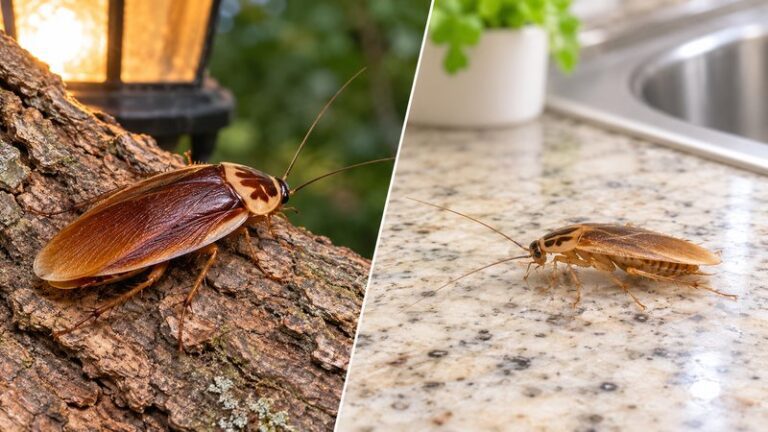
Flying roaches in Texas are winged roach species, chiefly the smokybrown cockroach and American cockroach, that glide on warm nights. According to Texas A&M AgriLife Extension, the warm humid climate lets adults with full wings take off, while the German cockroach seldom flies and Oriental roaches cannot fly.
- The most common flier drops from trees and mulch into attics.
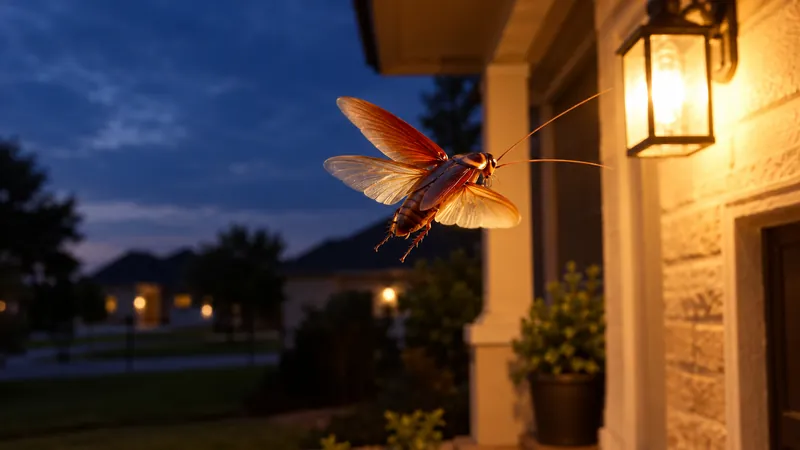
- Porch lights and outdoor lights pull gliders toward doors during heat waves.
- Floods and warm humid weather push infested colonies into a Texas home.
Since only some species fly, tracing where it came from helps keep it out.
Most people first meet flying roaches in Texas on one of those warm still nights, when something winged peels off the porch screen and aims for lit doorways. It feels personal, yet it’s hardly attacking anyone. A few common species simply chase warmth, moisture, and light, turning a calm evening into a startled scramble.
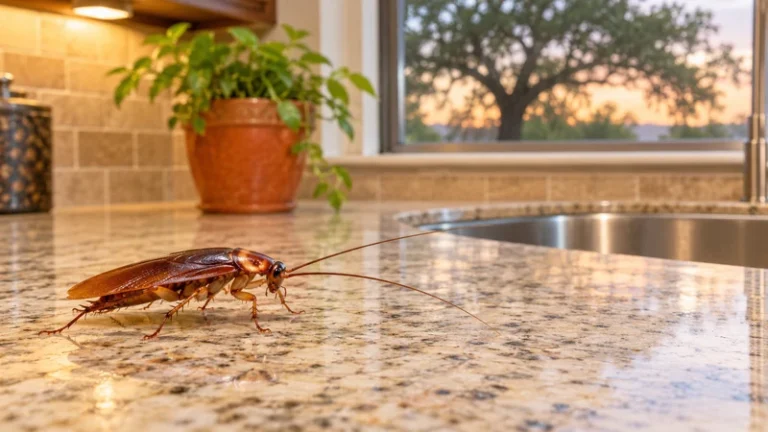
The real worry is what one visitor says about your home. According to Texas A&M AgriLife Extension, several big cockroaches live mostly outside and slip inside hunting something to eat or drink, so repeated sightings outweigh one stray. Among pest problems across Texas, fast identification shapes every decision.
Next: which kinds take wing, why porch glow draws them, how exclusion works, and when homeowners call vetted local pros.
Can Cockroaches Fly?
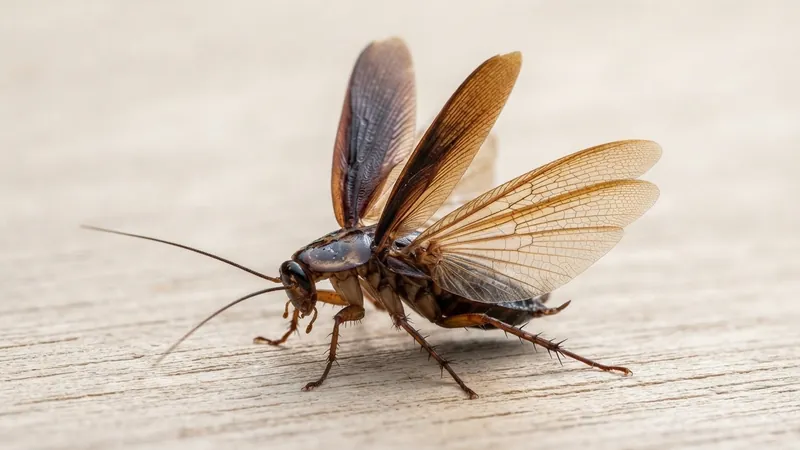
Yes, plenty of cockroaches can fly, though most would rather sprint than take off. Across the U.S., ability splits by species: some flap short distances, others glide down from high perches, and a few never fly at all. Texas, home to some of the roachiest areas nationwide, hosts every version.
Most adults carry two pairs of wings: tough forewings acting as covers and thin hindwings that power lift. Smokybrowns have wings longer than bodies, built for real flight. According to Texas A&M AgriLife, they measure 1¼ to 1½ inches, while the American, the largest in Texas, reaches up to 2 inches. The German roach rarely flies despite full wings.
- Hot weather unlocks true flight; flying cockroaches in NYC appear mostly during summer heat waves.
- When startled, a large dark roach may launch from a wall rather than run.
- After dark is peak flight time, especially when outdoor species chase light toward homes.
Across Texas’s varied climates, knowing which roach flies helps the local pro we match you with treat it right.
Common Flying Roaches in Texas
Not every winged roach in Texas truly takes off; some glide from rooftops, others prefer walking, and a few never lift off despite carrying full wings on their backs.
Smokybrown Cockroach
According to Texas A&M AgriLife Extension, smokybrown cockroaches favor tree holes, attic eaves and soffit gaps. These strong fliers leave at dusk for outdoor lights. Comparing wood roach vs cockroach? Both species crave high humidity.
- Appearance: uniform dark brown to black, roughly 1.5 inches.
- Flight ability: flies readily, especially on warm, humid nights.
- Texas range: East Texas attics, gutter debris, leaf litter.
American Cockroach
Texas A&M AgriLife calls this large southern species the state’s biggest roach, a sewer and drain regular. American cockroaches usually fly short distances, mostly gliding once heat passes 85°F or when disturbed on shady porches.
- Appearance: reddish-brown, up to two inches, pale-yellow pronotum edges.
- Flight ability: glides from heights, flaps briefly in hot weather.
- Texas range: statewide, especially Houston sewers and urban areas.
Australian Cockroach
Texas Master Naturalist volunteers in the Rio Grande Valley have logged the Australian cockroach at night lights, showing this warm-climate species thrives here. It shelters in mulched areas, firewood and landscaping, slipping through soffit gaps when humidity climbs. Plenty of homeowners confuse it with an American roach.
- Appearance: reddish-brown, 1¼–1½ in, yellow streaks edging each forewing
- Flight: accomplished flier, readily drawn to light around dusk
- Location: South Texas and Gulf Coast, seldom the arid west
German Cockroach
The odd truth: the roach least likely to fly causes the most trouble. German roaches rarely use their wings, yet their indoor breeding speed makes them the main threat inside Texas kitchen cabinets and apartments.
- Appearance: tan, half-inch body with two dark stripes behind head.
- Flight ability: winged, but adults seldom manage more than gliding.
- Texas range: statewide indoors, behind appliances and bathroom plumbing.
Asian Cockroach
Texas A&M entomologists note this German lookalike first appeared in Florida in 1986. Spreading across Texas, Asian roaches fly from mulched yards toward porch lights, then enter any lit room through open doors at night.
- Appearance: German twin with two dark stripes, slightly longer wings.
- Flight ability: flies like a moth, straight toward lit surfaces.
- Texas range: Gulf Coast lawns, shaded mulch beds, leaf piles.
Brown-banded Cockroach
Sex decides flight. Male brownbanded roaches take short flights through living rooms, while females stay grounded. Brown-banded roaches chase dry warmth, so they settle near ceilings, inside electronics and in sheltered spots across upper floors.
- Appearance: half-inch, tan body with two pale bands across wings.
- Flight ability: adult males fly well; females have shorter wings.
- Texas range: statewide indoors, especially warm rooms near appliances.
Oriental Cockroach
Including it here corrects a common mistake. Oriental roaches are strict ground-runners. Homeowners reading about cockroaches in Ohio meet them in damp basements, while Texas residents find them hugging moisture around drains and water meters.
- Appearance: glossy black, one inch, males with shortened wings.
- Flight ability: neither sex flies; females have tiny wing pads.
- Texas range: statewide damp crawlspaces, drains and foundation edges.
Why Are Flying Roaches So Common in Texas?
Warm humid conditions are the main reason flying roaches stay so visible across Texas, since heat fuels their wings and moisture keeps them breeding. According to Texas A&M AgriLife Extension, about thirty cockroach species live here, and most spend their whole lives outdoors, where flying species thrive.
- Climate: Mild winters rarely wipe out colonies here, unlike roaches in colder states like Michigan, where outdoor populations die off.
- Humidity: Texas A&M entomologists note smoky browns require high humidity, so damp Gulf areas see the most fliers.
- Seasons: Flights peak from late spring through summer, when evenings stay near 85°F and the mating season pushes adults airborne.
- Habitat: Mulch beds, leaf litter, storm drains and shaded trees in urban areas and rural areas give them endless shelter.
Because sightings are very common here, we can connect you with a trusted local exterminator who knows Texas species.
Why Do Cockroaches Fly at You?
Cockroaches don’t come at you on purpose; they launch to escape danger, and you simply end up in the path. According to Texas A&M’s Urban and Structural Entomology Program, the palmetto bug has well-developed wings but seldom flies, so most “attacks” are clumsy glides, not targeting people.
- Panic Response: A disturbed roach bolts off the wall without steering, so whoever stands nearby becomes its landing pad.
- Bright Lights: Fliers drawn to light circle lit windows on warm humid evenings, overshooting onto whoever steps outside.
- Gliding Drops: A roach leaving trees, roofs, or gutters can glide downward, and anyone below simply interrupts its descent.
Step aside and let it land; a roach in the air wants an exit, not a fight with you.
Are Winged Cockroaches Dangerous to Humans?
Yes, flying roaches pose genuine health risks, though the threat comes from contamination rather than aggression. According to Texas A&M AgriLife Extension, roaches that crawl through sewers, drains, and dumpsters carry disease organisms on their legs, then deposit them across kitchens and bathrooms.
- Their legs and droppings spread Salmonella and E. coli gathered from compost and decaying logs.
- Uncovered pet food, dirty dishes, and open pantry boxes turn contaminated after a single visit.
- The EPA notes shed skins and saliva release allergens that trigger asthma attacks in children.
- Bites are rare, though large roaches that fly toward people occasionally nibble eyelashes or fingernails.
Spotting them around your kitchen often? We connect Texas homeowners with licensed local pros who stop the source.
Does One Flying Roach Mean You Have an Infestation?
Not usually. One flying cockroach in a Texas home is more often an outdoor wanderer than proof of an infestation. American and smokybrown roaches fly in from trees and mulch on warm nights. A larger problem shows up through daytime activity, young roaches and the evidence they leave behind.
- Repeated sightings across several nights or rooms suggest roaches are breeding indoors, not visiting.
- According to Texas A&M AgriLife Extension, droppings look like crushed pepper stuck near hiding spots.
- Egg cases, small brown capsules tucked behind appliances, mean another generation is coming.
- A musty, oily odor lingering in cabinets or closets points to a sizable hidden population.
Noticing two or more of these signs? We’ll connect you with trusted Texas pest inspection services for confirmation.
How to Prevent Flying Roaches
Spraying after a sighting is backwards; most flying roaches in Texas live outdoors, so real prevention starts at the walls, yard and lights.
- Seal the Gaps First: Exclusion comes first: caulk gaps around windows, pipes and the roofline, add door sweeps, and screen vents where smoky browns slip in high.
- Dry Out Damp Zones: According to Texas A&M AgriLife Extension, roaches depend on water, so repair plumbing, patch any leaky roof, and run dehumidifiers to reduce humidity indoors.
- Lock Down Food and Garbage: Store pantry goods and pet food in sealed bins, empty garbage nightly, and clean counters; peppermint and other smells roaches hate repel only briefly.
- Dim the Porch at Night: Outdoor lighting pulls Asian roaches toward the front door at night; switch to yellow bug bulbs, use motion sensors, and close blinds after dusk.
- Pull Mulch and Debris Back: Rake mulch back from the foundation, stack firewood away, move compost bins, and trim trees whose branches touch the roof, erasing outdoor harborage.
- Schedule Regular Pro Service: Let us match you with a licensed Texas provider for quarterly perimeter barriers, inspection and follow-up visits, since mild winters keep roaches active year-round.
Layer all six habits, and the roach buzzing your porch light stays outdoors instead of moving into your wall voids.
Texas Cockroach Control Plan
Texas roaches rarely surrender to one spray. Real targeted control moves in stages, matching every step to the species, its hiding spots, and whatever keeps pulling it back.
Inspect and Identify
Before buying products, identify the species, because smoky browns and Asian roaches fly in from outside, while German roaches and brown-banded roaches breed indoors. Texas A&M AgriLife Extension recommends sticky traps to pinpoint harborages first.
- A half dozen roaches on one trap points to breeding nearby.
- Check attics with a flashlight for winged adults and shed skins.
- Note nearby activity around tree trunks, woodpiles, and porch lights after dark.
Treat the Infestation
Repellent sprays scatter roaches, so target the source. Texas A&M AgriLife advises pea-sized gel baits where roaches live; void dusts handle wall voids. Does bleach kill roaches? Only when soaked directly; protected eggs survive untouched.
- Keep indoor baiting placements free from sprays, bleach, and harsh chemical residue.
- Rotate bait products if roaches repeatedly ignore the same gel formula.
- Indoor treatment barely touches Asian roaches; Texas A&M favors outdoor scatter baits.
Monitor and Maintain
Treatment fades when attracting conditions return. Leave fresh traps in the same spots monthly and compare the counts. Rising numbers show eliminating them has stalled, usually because sanitation slipped or clutter quietly crept back in.
- Log trap counts monthly so activity spikes show up before sightings.
- Refresh baits when consumed, because empty placements mean roaches are still feeding.
- Schedule deep cleaning around appliances after treatment, avoiding active bait spots.
When to Call a Professional
Call for help when German roaches return repeatedly despite baiting, or smoky browns keep dropping from the attic. Serious infestations need exclusion repairs, tree work near rooflines, and products applied safely around children and pets.
Bold Pest Control connects you with trusted local pest control experts across Texas; call (512) 646-0117 to get matched today.
FAQs
What Kind of Roaches Fly in Texas?
The smokybrown cockroach, Asian cockroach, American cockroach, and Australian cockroach are Texas’s real fliers. Our cockroach guides explain that the German cockroach rarely flies, while the Oriental cockroach, with short wings, cannot fly at all.
What Attracts Flying Roaches at Night?
Light, warmth, and openings draw flying roaches after dark. Light reflected off pale walls, TV screens, and lamp shades guides their flight, while doorways let them enter. Swapping in lights that attract fewer insects helps.
Why Are Roaches So Bad in Texas?
Heat and varying humidity keep roaches in Texas breeding nearly year-round. According to Texas A&M AgriLife Extension, warm climate speeds insect metabolism, meaning faster development, more eggs, and larger numbers across urban and rural areas.
What Time of Year Do Roaches Fly in Texas?
Peak times run from late spring through early fall, when summer heat lifts temperature past 85°F. Unlike cockroach season in Arizona, tied to monsoon rains, Texas weather events like floods and droughts drive roaches indoors.
How Do I Permanently Get Rid of Flying Roaches in Texas?
Use integrated pest management, pairing sanitation, moisture control, gel bait, and sealing entries. Wondering does salt work on roaches, or do roaches like cinnamon? Neither will eliminate infestations; we connect you with licensed local pros.