Common House Ant Eggs: What They Look Like & Mean
Quick Answer
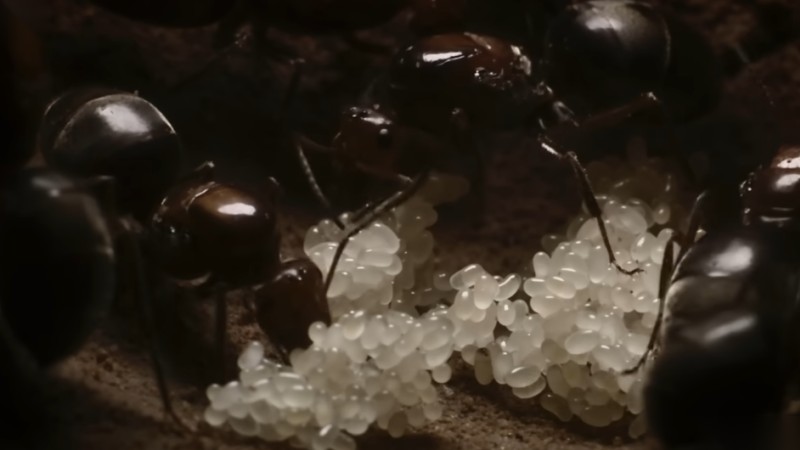
Common house ant eggs are tiny, white or cream-colored, oval-shaped capsules less than 1 millimeter long, laid by the queen ant deep inside the nest. These house ant eggs stay clustered together in humid areas, often signaling an active colony thriving indoors.
- Size: Extremely small, less than 1 millimeter long each.
- Color: Pale white or cream, sometimes translucent.
- Shape: Smooth, slightly shiny ovals resembling grains of rice.
- Where Found: Wall voids, under sinks, behind appliances, moist areas.
- Texture/Cluster: Delicate, grouped together in protected areas.
These eggs gather where moisture and food stay constant — kitchen storage areas, inside wall cracks, and hidden spots near plumbing. Such protection keeps eggs safe, letting infestations go undetected for long periods while the species quietly expands.
The beginning stage of an ant problem often hides in plain sight. According to pest control authorities, common house ant eggs in house settings appear as tiny, cream-colored specks—laid by the queen within her reproductive center, easily mistaken for small white particles.
These delicate capsules measure less than 1 millimeter long, staying well-protected in humid areas and protected areas rich in moisture. Their development depends heavily on temperature, signaling a colony that has quietly settled indoors unnoticed.
What Are Ant Eggs
Ant eggs represent the early stage of the ant life cycle, produced when the colony’s queen lays eggs to create new ants. Visually, they are oval-shaped, white to cream-colored, and tiny — usually less than 1 millimeter long and translucent. Clustered together, they resemble small grains of rice, often mistaken for dust or food debris.
According to entomologists at Texas A&M AgriLife Extension, a single queen can produce thousands of eggs across her lifetime, though output is rarely constant. Reproductive conditions like temperature, humidity, and food availability directly shape how quickly these eggs hatch into larvae and mature toward adult ants.
These delicate capsules stay well-protected in dark, moist areas at the heart of the nest — inside wall voids, behind cabinets, or under flooring. Their hidden, humid placement is precisely why a colony can settle and grow quickly before any homeowner notices, allowing an infestation to spread unseen.
Where Ant Eggs Are Commonly Found
Practitioners locating nests know ant eggs rarely sit exposed; the queen tucks brood within wall voids, under sinks, behind appliances, where humid areas and steady moisture keep developing eggs safe from disturbance daily.
Beyond kitchens, colonies exploit soil, house foundation, concrete slabs, and crawlspaces outdoors, while indoor clusters favor protected places like structural wood, wall cracks, and kitchen storage areas offering darkness, protection, and warmth.
The Ant Life Cycle: From Egg to Worker
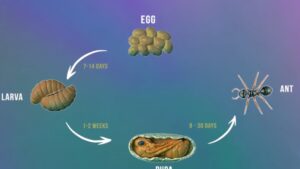
Every ant begins its journey through several distinct developmental phases before reaching adulthood.
- Larvae: Once the eggs hatch, these helpless, legless grubs depend entirely on adult ants for feeding and grooming, growing rapidly as workers tend to their every need.
- Pupae: During this transitional cocoon stage, the body reorganizes completely, developing recognizable legs, antennae, and segmented features as the insect shifts toward its mature form.
- Adult: Emerging fully formed and hardened, the new ants step into active duty, joining the colony’s workforce almost immediately.
Interestingly, identical eggs can develop into different castes—workers, soldiers, or future new queens—depending entirely on nutrition, temperature, and the level of care they receive during the colony lifecycle.
Signs You Might Have An Ant Egg Infestation
Even when eggs stay hidden, certain subtle signs can quietly betray a colony thriving inside your home. Watch for these indicators:
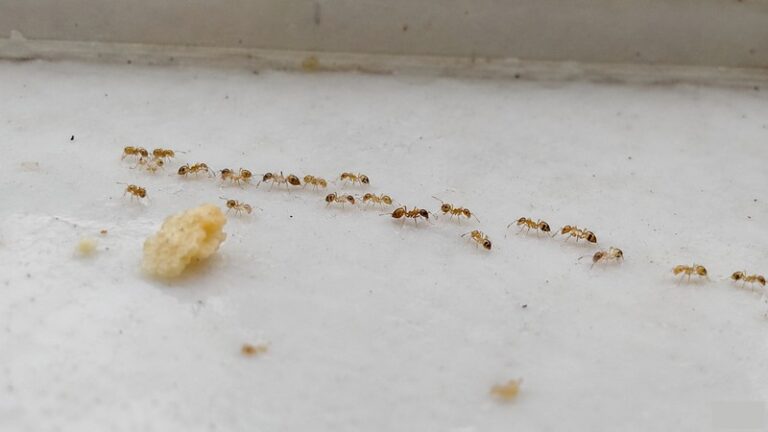
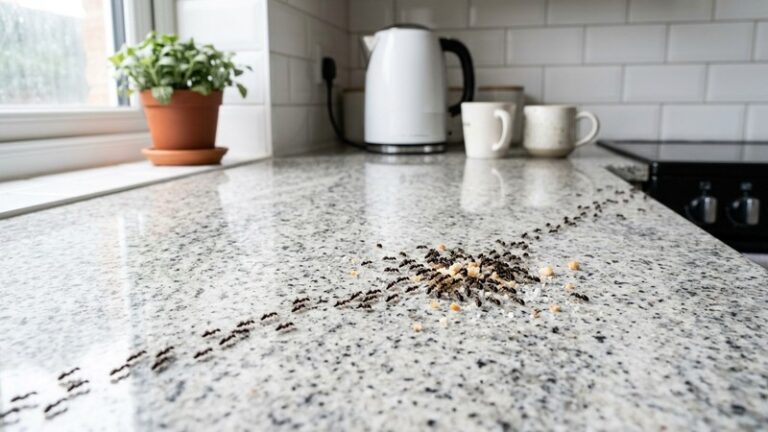
- Steady trails of ants marching toward cracks, wall voids, or entry points where eggs sit undisturbed.
- Piles of dirt, dust, or ant droppings gathering near baseboards, cabinets, or fixtures.
- The frequent sight of dead ants appearing across countertops or flooring indoors.
- A musty, sour odor drifting from concealed nesting areas tucked behind walls.
According to the University of California IPM Program, noticing these early life cycle stages during everyday cleaning signals it’s time to bring in a professional pest control team before the infestation spreads.
How Ant Eggs Complicate Pest Control
When visible ants are eliminated, many homeowners assume victory, yet infestations come back because the queen remains alive, allowing ant colonies to continue to grow quietly through hidden egg sites scattered beyond reach.
According to the University of California IPM program, at-home remedies rarely disrupt reproduction cycles, since clusters of eggs sit undisturbed inside wall voids. Surface-level fixes miss the colony lifecycle, so professional intervention targeting the queen delivers long-term results.
The Importance Of Professional Treatment
When ant eggs appear inside your home, the colony has likely established nearby and is ready to breed and expand. A licensed professional brings targeted treatments that locate the nest, eliminate the queen, and stop the lifecycle completely.
According to the experienced exterminator community, DIY methods only treat visible ants while leaving the hidden center untouched. Professional intervention addresses the root problem, ensuring the infestation is fully resolved rather than offering temporary relief before ants return.
What to Do If You Discover Ant Eggs
Noticing what looks like a cluster of ant eggs tucked inside your home warrants a calm, measured response rather than reaction:
- Do not disturb the area abruptly, since sudden movement often signals ants to relocate and spread their brood elsewhere.
- Resist any urge to sweep or remove visible eggs through DIY methods lacking a real plan.
- Reach out to a licensed pest control professional for a proper thorough inspection and full targeted treatment.
Residents nearby searching for dependable help can rely on pest control services in Keller for swift, long-term solutions shaped around either residential or commercial property needs, handled by an experienced exterminator.
Are Ant Eggs Dangerous?
Most homeowners panic, but here’s the contrarian truth: the ant eggs themselves won’t bite, sting, or carry diseases. The real threat hides beneath—an active colony nearby silently planting roots within your walls.
According to pest authorities, common house ant eggs in house signal something deeper. When carpenter ants damage wood, you risk structural damage, food contamination, even electrical problems, so address quickly through professional pest control to fully eliminate them.
Why Ant Eggs Matter
Most homeowners dismiss ant eggs as harmless, but according to entomologists, those tiny clusters signal something deeper. Their presence confirms a colony settled nearby, the first visible sign of a larger problem worth addressing.
What appears as surface-level comfort masks implications beneath. Spotting eggs early means stopping infestations early, before carpenter ants damage wood structures or large colonies grow, making future treatment difficult and costly across your property.
Why Ant Infestations Are Common
Most ant activity traces back to moisture and food access. Around kitchens, tiny leaks beneath sinks or faucets create vulnerable entry conditions, while spills and pet food left out attract searching for food scouts indoors.
According to entomologists, seeking water during drought or hot and dry weather pushes ant colonies to invade homes. Escaping weather changes like rain floods or escape the cold drives them toward warm nesting sites inside.
Can Ant Eggs Hatch After You Kill Ants
Many homeowners assume crushing visible ants ends the threat, yet the queen keeps laying eggs deep behind walls. According to the University of California IPM program, the hidden colony active underground continues producing new waves of ants despite surface efforts.
The eggs undisturbed within the core of the infestation grow quickly into larvae, then adult ants. Killing workers alone leaves the root problem, so infestations return unless a professional approach targets the reproductive center for long-term success.
When To Call a Professional
You’ve wiped counters, set out store-bought traps, maybe caulked a gap or two—yet the marching lines keep reappearing. That stubborn persistence is your first real signal. Another red flag surfaces when larvae or clustered eggs turn up across separate rooms, hinting the trouble runs far deeper than the surface.
A seasoned specialist won’t chase stragglers. They trace activity back to the hidden center, deploy strategic remedies, and confirm the colony is gone for good—work an exterminator in Austin, TX handles start to finish.
Still Fighting Ants?
Get rid of ants for good — book your free inspection.
Fast, no-obligation quote from trusted local pest control pros.
Why Are Ants Inside My Home
Spotting just a handful of ants marching across your countertops rarely tells the full story—behind those few scouts often hide hundreds, even thousands, lurking unseen within your home’s structure. So how and why did they breach your space in the first place?
The truth is, a few core triggers explain this behavior—and each one comes with a practical fix.
Searching For Water And Moisture
When outdoor conditions turn harsh, ants start searching for water inside human spaces, treating damp zones as lifelines. During dry spells or heatwaves, minor leaks under sinks and bathroom fixtures become irresistible entry points, drawing foragers toward any reliable moisture they can find near your living areas.
What to do: Repair leaky faucets, dry up standing water around plumbing, and wipe down sinks nightly so no lingering droplets invite returning scouts.
Seeking Shelter From Weather Shifts
Environmental upheaval pushes colonies indoors fast. Heavy rain flooding their nests or sudden cold forces ants to abandon outdoor hiding spots and seek stable warmth to shield their breeding queen. Your walls offer exactly the protected refuge their colony needs to survive seasonal extremes.
What to do: Seal small cracks and caulk entry points along foundation lines, then trim back plants and mulch resting against exterior walls.
Hunting For Food And Nutrition
Foraging scouts never stop hunting resources to sustain their colony. These annoying pests are drawn to exposed crumbs, sticky spills, and accessible pet bowls, since even trace food debris signals an easy food supply worth recruiting the whole nest toward.
What to do: Keep counters spotless, store pantry items in sealed containers, manage garbage tightly, and clean up food sources before they accumulate.
Even immaculate homes face this struggle. According to the University of California IPM Program, once a scout locates a resource, it lays down chemical pheromones that guide the rest of the colony straight to the food, turning one wanderer into a steady trail within hours.
Understanding this trailing instinct is what makes management work. Disrupting their internal signals through strategic bait systems—rather than random spraying—targets the hidden nest itself, reaching the brood and queen where surface sprays never could.
Ants in kitchen sink are among the most common indoor sightings, since drains and basins offer the steady moisture and food residue that scouts actively seek.
Identification (Ants vs. Termites)
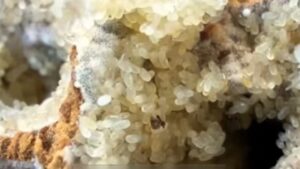
Spotting ant eggs confused with termite eggs trips up most homeowners. Both appear as tiny, white specks tucked in moist areas, yet correct identification shapes whether your response targets the right infestation entirely.
Misreading these clustered particles wastes effort and money. Translucent ant eggs and termite eggs demand different targeted treatment, so knowing which pest has settled inside your home protects against a spreading, costly mistake.
| Feature | Ant Eggs | Termite Eggs |
| Size | Less than 1 millimeter, extremely small | Slightly smaller, near-microscopic |
| Shape | Oval-shaped, smooth | Kidney-shaped to oval |
| Color | White or cream-colored, pale | Translucent white, slightly shiny |
| Surface | Smooth, slightly shiny ovals | Jelly-like, sticky coating |
| Location | Under sinks, behind appliances, wall cracks | Deep within wood galleries, soil |
| Clustering | Grouped together in loose small clusters | Tightly packed, guarded heaps |
Key visual differences worth noting:
- Ant eggs sit as smooth, oval-shaped beads resembling tiny grains of rice, while termite eggs carry a stickier, jelly-like film.
- Ant clusters stay loosely grouped together in humid areas; termite eggs hide far deeper inside wood, rarely exposed.
- Color separates them too — ant eggs lean white or cream, whereas termite eggs show a more uniform translucence.
According to the University of Kentucky Entomology Extension, accurate egg and brood identification is the foundation of effective pest management, since treatment methods for ants and termites differ substantially in approach and product.
Unsure which one has taken hold behind your walls? Connecting with a licensed professional for a proper inspection removes the guesswork and stops the problem before it spreads.
Common Household Ant Species
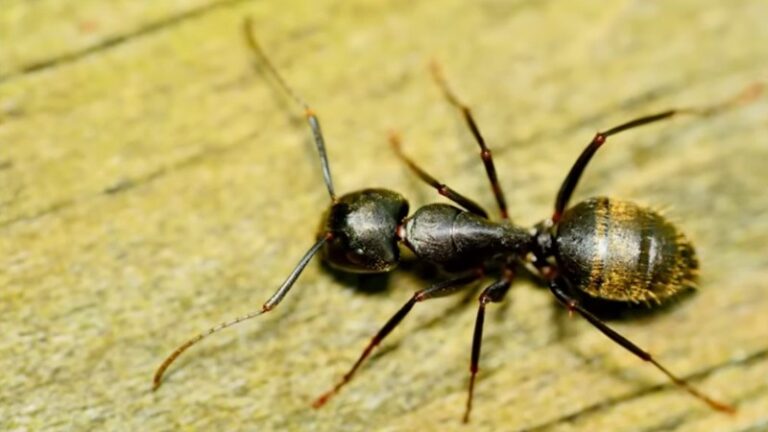
Texas homeowners encounter remarkable variety, from the carpenter ant tunneling through wood to the diminutive thief ant raiding pantries. The pavement ant, odorous house ant, and little black ant frequently invade indoors.
According to the University of California IPM program, accurate identification depends on size, color, nesting habits, and food preferences. The argentine ant dominates california, while the aggressive red imported fire ant plagues southern regions painfully.
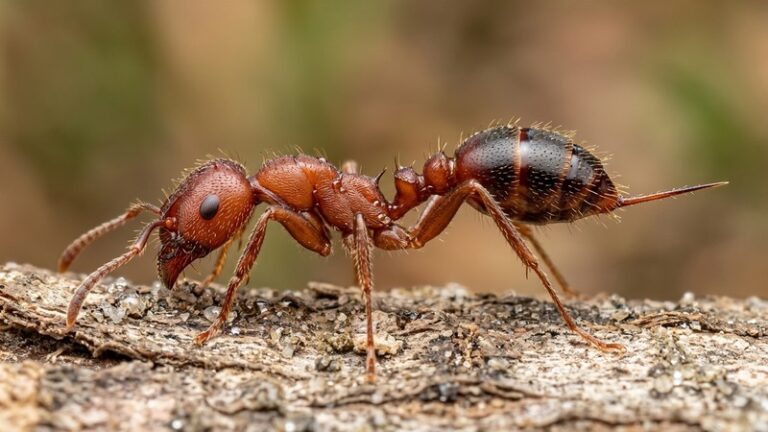
Among these species, are pharaoh ants dangerous? The pharaoh ant spreads disease in hospitals, making it more concerning than the acrobat ant, crazy ant, or velvety tree ant, which differ in nest type and abdominal nodes.
Lesser-known varieties round out the household roster, including the cornfield ant, larger yellow ant, false honey ant, and allegheny mound ant. The turfgrass ant (also lawn ant), grease ant, and southern fire ant complete this diverse physical description.
Damage
According to Texas A&M AgriLife Extension, ant eggs signal a colony that has settled inside, where unchecked infestation can invade food supplies and even compromise electrical systems, growing out of control across multiple areas of a structure.
When the queen keeps laying eggs, infestations come back despite standard cleaning, since thousands of eggs stay hidden in wall voids and moist areas, quietly reaching a serious stage before any homeowners notice surface activity.
Management
According to the University of California IPM program, the smartest defense begins outdoors. Sealing caulk entry points and caulking cracks keeps ants from entering buildings, making your home less attractive before any bait or pesticides ever become necessary indoors.
While ants are sometimes beneficial, feeding on fleas and termites, these pests turn annoying indoors. Experts suggest clean up food sources, fixing leaky faucets, storing food in sealed containers, cleaning up crumbs, spills, and taking out garbage consistently.
According to Texas A&M AgriLife Extension, lasting control means removing sweet food sources, trimming plants, pulling back mulch from the foundation, and limiting spraying indoors. This layered, exclusion-first approach outperforms reactive treatment for genuine, long-term ant prevention success.
FAQs
What Do Ant Eggs Look Like In The House?
In the house, ant eggs appear oval-shaped, white, and translucent—resembling small grains of rice scattered as particles. According to the University of California IPM program, these tiny clustered together specks often look like dust. What do ant eggs look like? Grouped together, faintly glistening, and easily mistaken for debris.
Can I Remove Ant Eggs On My Own?
Honestly, treating visible ants rarely offers a real solution. Standard cleaning or sprays won’t fully eliminate the problem because a queen laying eggs keeps reproduction going. According to pest control experts, store-bought products miss hidden eggs, so DIY efforts barely scratch the surface of an active colony.
How Do Professionals Handle Ant Eggs And Infestations?
Professionals begin by identifying the species and locating the nest, then deploy baiting strategies and targeted applications to disrupt reproduction cycles. Unlike short-term fixes, environmentally friendly techniques and targeted solutions eliminate the queen and eliminate eggs, preventing colonies re-establishing through quarterly treatments.
What Are Ant Eggs?
Ant eggs mark the first stage of the ant life cycle, laid by the queen. They’re oval-shaped and clustered together like tiny grains of rice. Depending on species, a single queen ant produces thousands of eggs across her lifetime, influenced by humidity and food availability.
What Are The Signs Of Ant Eggs In The House?
Telltale signs include consistent trails of ants along walls and cabinetry, plus piles of dirt, frass, or ant droppings near baseboards and outlets. According to pest control experts, a musty, sour odor signals nesting, while winged ants suggest a well-established colony spreading deeper.
What Does Ant Eggs Look Like Compared To Other Pests?
Compared to other pests, ant eggs stay oval-shaped and white, distinctly grouped together. Termite eggs appear similar yet differ in placement. According to pest control experts, ant species vary by color and size, but their egg clusters remain consistently hidden within moist areas and wall voids.
Final Thoughts
The ant eggs problem looks small—oval-shaped particles barely a millimeter long—yet ignored, a colony settled behind walls can grow out of control. Basic store-bought products treat visible ants only, leaving the hidden queen and eggs at the core of the infestation untouched, so infestations return worse.
If you spot consistent trails or suspect hidden nesting areas, act now. Contact a trusted hurst, tx pest expert for targeted treatment that eliminates the root problem completely.