Are Pharaoh Ants Dangerous? Risks & How to Stop Them
Quick Answer
Yes, these tiny foragers pose real health risks. According to the CDC, they carry harmful bacteria like salmonella, staphylococcus, and pseudomonas, which contaminate food across surfaces and threaten hospitals where sterile materials matter most.
Their bite stays not painful, since venom remains not toxic. Yet infestations trigger the spread of disease, causing bacterial infections, food poisoning, and rarely sepsis—a life-threatening blood infection endangering newborns and weakened immune systems.
According to the CDC, the pharaoh ant (Monomorium pharaonis) ranks among the most troublesome household ants. This small insect, barely 1/16th of an inch, thrives across warm environments, forming large colonies with multiple queens. Though a tiny worker rarely stings, its widespread colonies raise real concern.
Identification
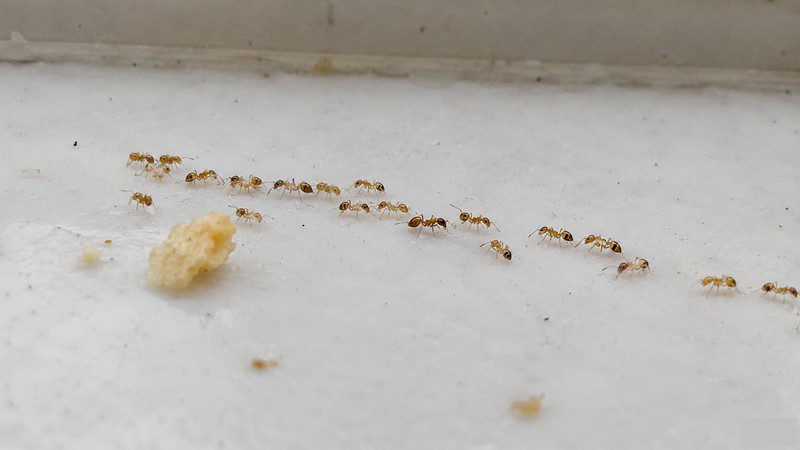
Pharaoh ants rank among the tiniest household invaders, yet spotting them early prevents serious trouble. According to the University of Florida entomology extension, their coloring and size make them tricky to catch quickly indoors.
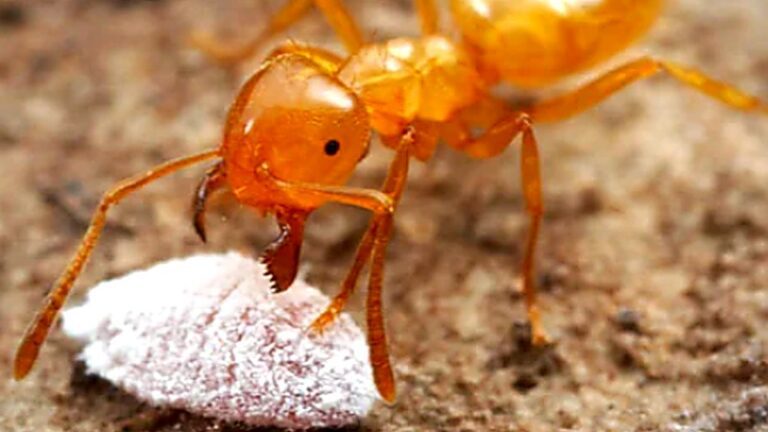
- Small yellow-to-light-brown bodies, roughly 2mm long
- Fit inside a thimble, easily mistaken for house ant eggs
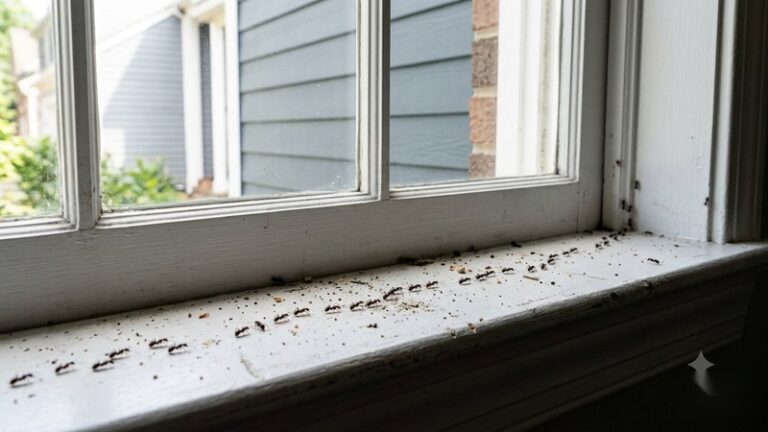
- Seeing live ants trailing toward food and moisture sources
Where Do Pharaoh Ants Live?
These pests favor warm, humid environments and gravitate toward hidden indoor spaces where warmth and moisture collect. Their nests sit tucked inside wall voids, behind baseboards, and near plumbing, letting these tiny insects thrive across buildings unnoticed by residents.
According to the Illinois Department of Public Health, colonies exploit tiny cracks, openings, and gaps around electrical lines and foundations. They favor hospitals and healthcare facilities, nesting near heat sources. When disturbed, split colonies relocate through budding, forming hidden nesting sites everywhere.
Why Do You Get Pharaoh Ants?
Pharaoh ants show up because your home offers exactly what they need: warmth, moisture, and easy meals within reach.
According to the National Pest Management Association, these tiny invaders are relentlessly attracted to abundant food sources and steady resources, which is why kitchens draw them in as they search for something to eat:
- Sweets
- Grease
- Sugars
- Fats
- Proteins
- Crumbs
- Spills
- Food residue
- Grease deposits
- Sugary spills
Once they locate reliable nourishment, they establish nests nearby and settle in fast. Warm indoor spaces near plumbing and appliances give them everything required to thrive, letting colonies expand quietly before you even notice the problem.
Are Pharaoh Ants Dangerous to Humans?
According to the CDC, these public health pests thrive in hospital settings, where they spread bacteria by contaminating food and surfaces. Though they don’t bite or sting, their knack for infesting patients’ wounds makes them serious nuisance carriers of harmful bacteria across sensitive environments.
How To Get Rid Of Pharaoh Ants

Getting rid of these persistent pests demands patience. According to the National Pest Management Association, bait treatments work best because they let workers carry poison back to hidden nests. Avoid sprays—they scatter colonies and worsen the problem significantly.
Start by reducing food and moisture sources that attract them, then focus on sealing entry points around your home. For persistent infestations, contacting a pest control professional ensures thorough treatment, especially when multiple queens keep the population growing quickly.
Still Fighting Ants?
Get rid of ants for good — book your free inspection.
Fast, no-obligation quote from trusted local pest control pros.
Signs You Have Pharaoh Ants
According to the University of Florida Entomology department, spotting set trails of tiny workers along counters, baseboards, and electrical wires signals trouble. These pale bodies measuring 1.5 to 2 mm stay near food, floors, and pipes, revealing hidden nests.
The golden yellow or reddish-brown hue with a darker color hind end helps identify them. Their exceptionally small slender bodies blend into surfaces, so people overlook them. Watch narrow spaces, electrical outlets, and kitchen surfaces where indoor activity concentrates daily.
How Many Pharaoh Ants Count As An Infestation?
There’s no fixed number, but seeing steady ant trails across your house is the clearest first sign. According to the University of California IPM program, even a handful signals hidden colonies nearby, since finding a nest confirms an active infestation demanding immediate attention.
How to Treat Pharaoh Ant Bites
Though pharaoh ants do not bite or sting aggressively, occasional skin reactions can occur. According to Healthline, mild itchiness, hives, or swelling may appear, and simple at-home care usually settles minor allergic reaction symptoms without complications.
Most cases stay minor, yet knowing the right steps helps you respond calmly. If difficulty breathing, chest tightness, nausea, or dizziness develops, seek urgent medical help. For routine irritation, these practical treatment options work well:
- Wash the area with soap to prevent pathogens
- Apply a cold compress to ease swelling fast
- Use antihistamine cream for itchiness and hives
- Take oral antihistamines if allergic reaction spreads
- Monitor for nausea, vomiting, or worsening symptoms
Need Help With Pharaoh Ant Control?
When these tiny invaders spread through your building, DIY methods often prove ineffective because standard insecticides simply disperse the colonies, which then bud and form new nests. Threatened ants relocate fast, worsening every situation quickly.
One of the most difficult ant species to eradicate, pharaoh ants demand experts who track ant trails to hidden nesting sites. Professional ant control professionals locate colony locations, deploy targeted baits, and eliminate infestation completely before activity spreads further indoors.
FAQs
Why Are They Called Pharaoh Ants?
The name traces to a curious historical misattribution. According to pest control experts, early naturalists linked these ants to biblical Egypt, wrongly blaming them among the plagues that struck the pharaoh. This pale yellow species, one of the smallest insects, carries an unearned reputation.
Despite the dramatic title, the reality is far more mundane than ancient curses. These opportunistic feeders simply spread through global commerce, hitching rides across continents. The regal name masks a tiny nuisance that originated in Africa before conquering warm human dwellings worldwide.
Why Are Pharaoh Ants Hard To Get Rid Of?
Their resilience stems from a defense mechanism called budding. When disturbed by sprays, a single colony fractures into multiple split colonies, each fleeing to inaccessible, hard-to-find places. This high reproductive rate makes them notoriously difficult to control without expertise.
Standard insecticides actually worsen infestations, triggering the colonies to spread out across ceilings, walls, and wall voids. According to the EPA, bug bombs and total-release aerosol foggers scatter survivors, forcing them to move colonies deeper into concealed interior spaces unreached.
How Do Pharaoh Ants Get Inside Homes?
Access happens through the smallest architectural weaknesses. These ants enter homes via structural gaps, cracks, electrical outlets, and utility entry points, squeezing through small spaces between walls while hunting food sources, water, and consistent warmth indoors year-round.
Colder weather intensifies the invasion, as ants become drawn indoors toward heated buildings. According to pest control experts, workers forage indoors along heating pipes and plumbing fixtures, exploiting building foundations and moisture near kitchen countertops, sinks, and hidden food preparation surfaces constantly.
How Many Pharaoh Ants Are In A Colony?
Colony size distinguishes this pest dramatically from ordinary ants. A mature nest sustains several hundred to several thousand ants, supported by multiple queens rather than one. This structure drives rapid breeding and relentless colony growth across many nests.
The queens power an astonishing engine, each laying eggs at roughly 35 eggs per day. With thousands of workers distributed among hidden colonies, populations explode quickly, allowing colonies to establish widely and become hard to eliminate without professional intervention entirely.
What Is The Lifespan Of A Pharaoh Ant?
Individual lifespans vary sharply by role within the colony. A worker typically survives several months, while the queen endures several years, continuously laying eggs to sustain the colony across generations without seasonal interruption whatsoever, staying active.
Development follows a rapid cycle from larvae through prepupae, pupae, then finally reaching mature adults near 36 days. According to the National Pest Management Association, these ants breed year-round, maintaining an average lifespan around 70 days for most workers overall.