Why Are There So Many Spiders in My House? Causes & Fixes
Quick Answer
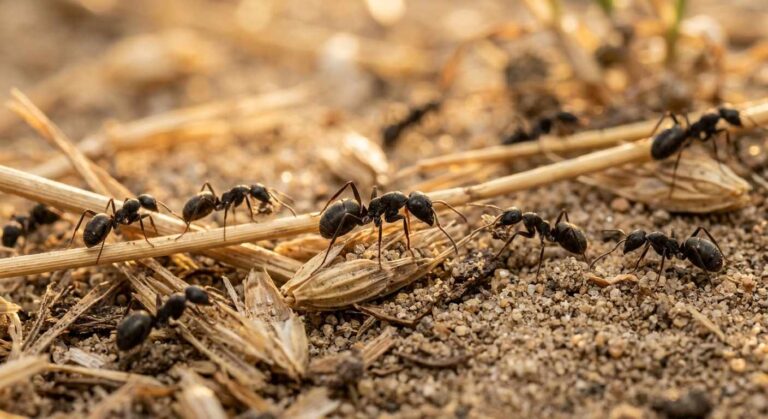
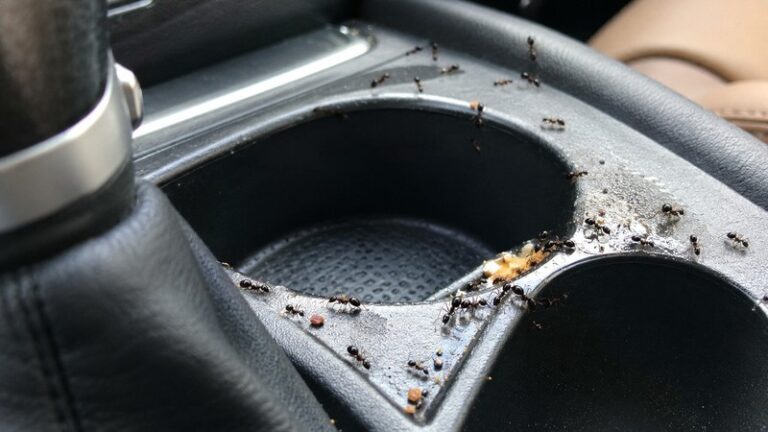
- Spiders gather where small insects are plentiful, so flies, ants, and roaches become the food source that keeps them around.
- Dark undisturbed spaces like basements, attics, closets, and garages give them shelter where they can settle and breed without interruption.
- Damp rooms and changing weather draw them in, while gaps in windows, doors, and vents provide easy access from outside.
- An increase in spiders means other pests and the right conditions exist, so homeowners risk a spider infestation without action.
A house full of spiders is rarely a spider problem. According to Texas A&M AgriLife Extension, most house spiders are harmless helpers that feed on insects. Frequent sightings usually trace back to food, moisture, and shelter inside. This guide walks homeowners through the main causes, practical fixes, and when connecting with professional help makes sense.
Why Are There So Many Spiders in My House? Common Causes
A house rarely fills with spiders by pure coincidence. The presence of spiders usually tracks environmental conditions: undisturbed shelter, dampness, other insects to eat, and the calendar. Where these overlap, a few spiders turn into frequent sightings across several rooms.
Dark, Quiet Spaces Give Them Shelter
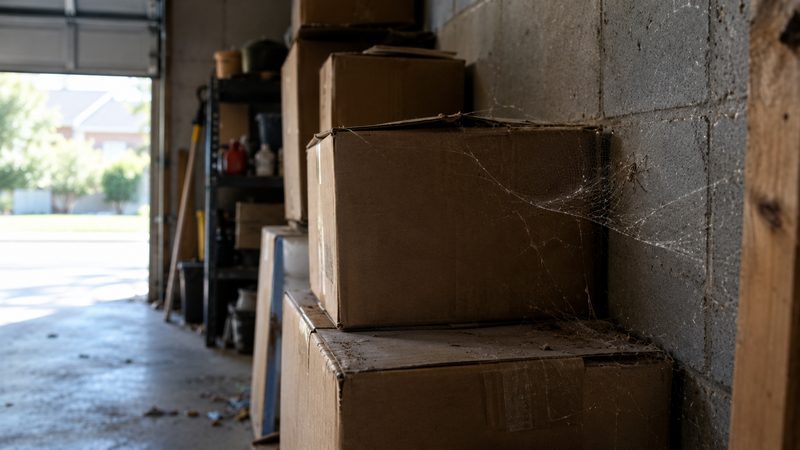
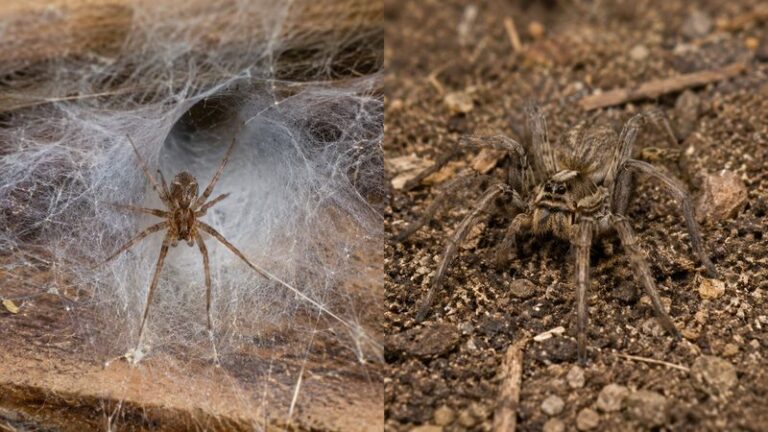
Most indoor spiders avoid people. They settle in low-traffic spaces where they are less likely to be disturbed, which explains why basements, garages, closets, and storage areas hold more webs than the living room. Stacked cardboard boxes add dozens of hiding spots nobody ever checks.
- Behind furniture and under furniture, where brooms rarely reach the floor edge.
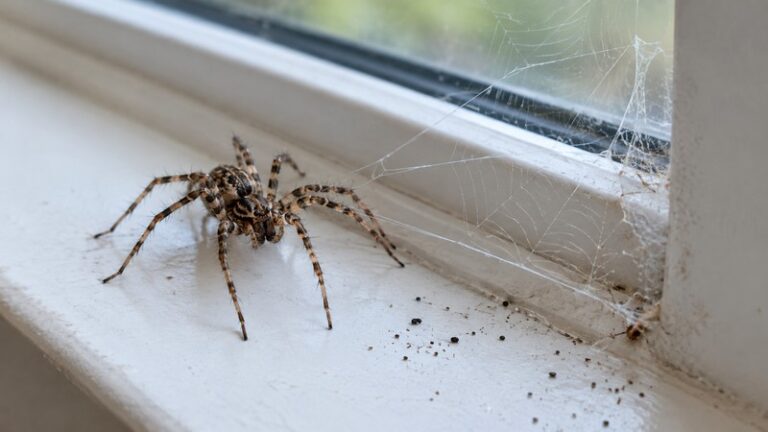
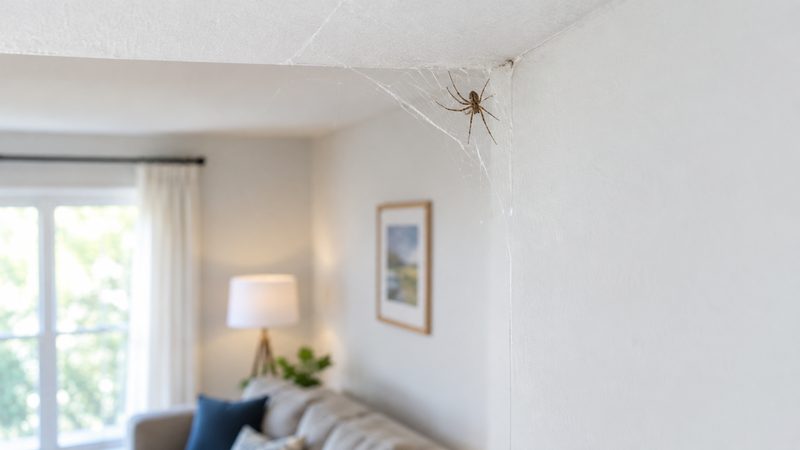
- Ceiling corners and windowsills, which gather silk when left alone for weeks.
- Attics and crawl spaces, entered only a handful of times each year.
Moisture Supports Spider Activity
Excessive moisture rarely draws spiders on its own; it draws what they eat. Damp environments with poor air circulation favor silverfish, cockroaches, and mosquitoes, and the spiders follow that insect prey. This is exactly why bathrooms and laundry rooms with high humidity see repeated activity even in otherwise well-maintained homes.
- Plumbing leaks beneath sinks keep cabinet floors damp, giving spiders access to insects all year.
- Water pooling along the foundation keeps soil wet and draws bugs toward nearby small openings.
Seasonal Changes Make Spiders More Visible
When temperatures drop, most people believe outdoor spiders move indoors seeking warmth and shelter. According to the Burke Museum, that assumption is largely mistaken; true house spiders were already inside.
What seasonal shifts change is visibility. Autumn brings mating season, when mature males leave hiding and wander openly, creating a sudden spike in sightings, not a true rise in numbers.
Why Am I Seeing Spiders All of a Sudden?
A sudden run of sightings rarely points to a widespread infestation. More often, conditions change around the house, and spiders that were already nearby become easier to notice. The cause usually traces back to a few predictable triggers rather than anything alarming about your home.
Possible Reasons
- Mating Season Wanderers: According to the Burke Museum, most house spiders lived inside all along; late-summer sightings are usually mature males abandoning webs to find mates.
- Seasonal Shifts: When warm weather fades, insect activity drifts toward lit walls and household warmth, and the hunters feeding on those bugs naturally move closer.
- A Bug Boom Nearby: A porch light or forgotten fruit bowl can multiply other insects within days, and spiders settle wherever that meal source stays dependable.
- Dampness After Rain: Heavy rain or a slow leak leaves damp patches where none existed, drawing thirsty bugs and the spiders that trail behind them.
- Disturbed Storage Areas: Shifting stored boxes, renovating, or deep tidying strips away concealment, so residents unseen for many months suddenly cross open floors at night.
Is It Normal to Have Spiders in Your House?
Spider-free houses barely exist. According to NC State University’s fifty-home survey, every house held spiders. An occasional spider is normal and common in most homes; where and how often you spot them matters far more.
- Without favorable conditions such as damp rooms and plentiful bugs, a stray visitor rarely settles.
- Most house species spend their whole lives inside, according to Burke Museum arachnologist Rod Crawford.
- A lone cobweb in a garage or basement corner seldom signals anything worth worrying about.
When Spider Activity Becomes a Concern
Counting spiders misses the point; the trend tells the story. People asking what causes spider infestation usually find the answer in a larger underlying issue: steady insect traffic, dampness, or unsealed openings that let spiders stay and multiply. A sustained increase in activity deserves attention.
- Fresh web buildup reappearing days after you cleared the very same spot.
- Signs of breeding, like silk pouches tucked behind furniture or stored boxes.
- Their presence increasing across several rooms rather than one forgotten storage nook.
- Gnats, moths, or beetles turning up right alongside them week after week.
What Causes a Spider Infestation in Your Home? Signs of a Growing Spider Problem
One spider on the ceiling rarely means trouble. A pattern does. When you notice more spiders than usual for weeks, treat those signs of increased activity as an important indicator that conditions indoors are quietly supporting a growing, persistent population.
- Recurring webs rebuilt in the same corners of your home after cleaning.
- Silken egg sacs tucked into quiet hiding spots that remain rarely disturbed.
- Repeated sightings alongside flies, ants, or other pests in the same rooms.
Webs Keep Coming Back
Spiders build webs where meals arrive, so a web that returns days after you tear down cobwebs is feedback, not stubbornness. According to the Missouri Department of Conservation, common house spiders capture mosquitoes, flies, and cockroaches, which means rebuilt silk marks a reliable feeding lane.
- Webs near bright lights or doors and windows mean flying insects are easier to catch.
- Webs that keep returning in corners of rooms and ceilings point to a larger issue.
Egg Sacs Appear in Hidden Spaces
- According to the Missouri Department of Conservation, each sac can hold 100–400 eggs, meaning more spiders over time if missed.
- Check attics, basements, storage rooms, and cluttered corners, where females pick undisturbed egg-laying sites behind stored clothing or holiday decorations.
- A hidden spider egg sac often explains spiders suddenly appearing, because the eggs just hatched inside protected spaces nobody inspects.
Other Pests Are Active Too
Spiders are rarely the real problem. They simply follow prey. When enough insects to feed on are drawn indoors, these predators settle in, making steady spider activity a visible symptom of a larger pest concern.
Killing spiders alone seldom works. If sightings continue, a licensed technician can trace the hidden insect activity and food source behind them; Bold Pest Control can connect you with one.
How to Get Rid of Spiders in Home Areas: Start With the Insects They Feed On
Does vinegar kill spiders? Sprayed directly it sometimes does, yet the next one arrives within days. That happens because flies, ants, roaches, and other flying insects are still feeding them. Start with pest reduction, and spiders lose their reason to stay inside the home.
Seal Entry Points
According to University of California IPM, good screening keeps out spiders and the insects they need for food. That makes sealing a prey-control job first. Walk the exterior at dusk, when outdoor lighting pulls insects toward gaps in doors, vents, and utility lines, and mark the unnoticed access points.
- Caulk cracks along siding and around windows where insects slip through first.
- Recheck door sweeps and screens after recent home repairs open new entry points.
- Switch porch bulbs to yellow LEDs so fewer insects gather near lights.
Clean, Declutter, and Remove Webs
- Use a web brush or vacuum on webs and egg sacs, then empty vacuum contents outside so nothing hatches indoors.
- Clear cardboard boxes, stacked papers, and unused household items from garages and closets; these harborage areas shelter insects and spiders alike.
- Store pantry food in sealed containers and wipe crumbs nightly; fewer kitchen insects means fewer spiders hunting for food indoors.
- University of Kentucky Entomology recommends sticky traps near baseboards; they reveal which insects are active before webs return after cleaning.
Manage Moisture Inside and Outside
The EPA advises holding indoor humidity between 30 and 50 percent. Fixing leaks and improving ventilation in bathrooms, laundry rooms, and crawl spaces gets you there, thinning the insects they eat.
Outdoors, rainy seasons leave wet leaves and stacked rocks against the foundation, and that dampness will push pests indoors. Rake them back, clear gutters, and the house becomes less inviting.
When to Call a Professional for Spider Control
Most spider calls come too late. Killing visible spiders only reduces immediate sightings; when egg sacs, persistent webs, and multiple spiders keep showing up after cleaning, the house is getting worse over time. That pattern signals a larger pest problem needing a pest control service.
According to the CDC, black widows and brown recluses are venomous, concerning species, so take action promptly. When is the best time to spray for spiders? Early fall, before cooler weather raises spider sightings. Call (512) 646-0117 for a licensed local pro’s spider control plan.
Seeing Spiders at Home?
Get rid of spiders for good — book your free inspection.
Fast, no-obligation quote from trusted local pest control pros.
Myths or Facts: What Does It Mean When Spiders Appear?
Folklore reads spiders as omens: money coming, a visitor arriving, luck turning. Quick fact: these scary-looking pests don’t signify fortune or doom. The superstition survives because sightings feel sudden and personal, yet nothing about the timing is mystical. Something measurable inside your home rewards them.
According to Penn State Extension, house spiders are predators feeding on insects, so their appearance points to increased prey, not prophecy. A recent change in environment, such as damp weather or new clutter, is usually the main reason. Persistent sightings can flag a deeper issue.
Do Spiders Come Up Through Drains?
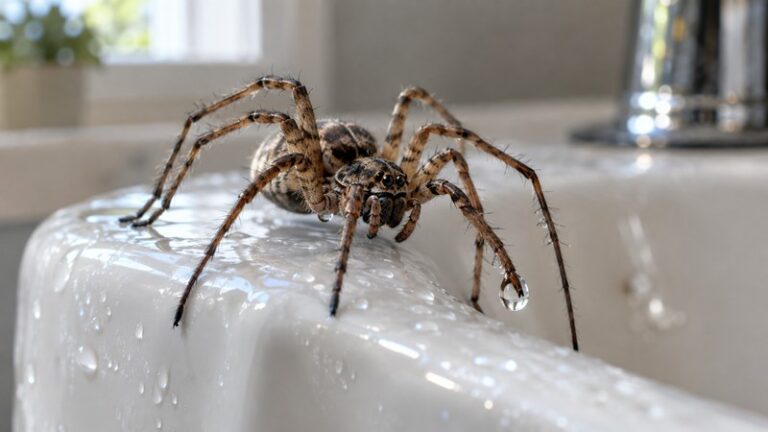
Rarely. According to Rod Crawford, arachnid curator at the Burke Museum, drain traps hold liquid a spider cannot pass. The single house spider stranded in your sink likely came seeking water, slipped down the smooth sides of tubs or basins, and stayed stuck. Check gaps around pipes and repair plumbing leaks instead of blaming drains.
Why Do I Keep Seeing Spiders In The Bathroom?
Blame the plumbing less than the air. According to the Burke Museum, spiders rarely travel up a drain; they fall into tubs and smooth-sided fixtures while chasing water, then cannot climb back out. High humidity keeps small insects breeding in damp areas, so prey lingers. Running bathroom fans after showers to improve airflow thins sightings.
Can Outdoor Lights Attract More Spiders?
Light itself means nothing to a spider; the buffet does. Texas A&M AgriLife Extension points out that bright light sources draw flies, moths, and other bugs; web-builders build webs nearby and wait for prey. Switching to warmer exterior bulbs and keeping lights away from entry points like exterior doors and patios helps reduce insect activity.
Should I Remove Spider Egg Sacs?
Yes, and sooner beats later. Those small silk-wrapped balls tucked into protected gaps behind baseboards can each release dozens of spiderlings, so removing them limits future spider activity. According to University of Kentucky Entomology, a vacuum lifts spiders, webbing, and egg sacs together. Empty the canister outdoors afterward, sealing the contents in a tied bag.
Does Killing Visible Spiders Solve The Problem?
Swatting the one on the wall treats a symptom. University of Kentucky entomologists advise clearing webs and egg sacs alongside the adult spiders. You can vacuum up spiders, yet new webs return quickly while hidden spaces and access points stay open. Cut off food supply first; the insects they eat and underlying issues decide numbers.