7 Bugs That Look Like Termites & How to Identify
Many homeowners spot swarmers near windows and assume the worst, yet flying ants, carpenter ants, and powderpost beetles frequently get confused with actual termites indoors.
A close look at wood structures reveals that bent antennae, pinched waists, and uneven wing sizes distinguish carpenter ants, while fine wood powder signals beetles instead.
How To Identify Termites
Spotting these silent pests before they cost homeowners thousands of dollars starts with knowing what sets them apart from harmless look-alikes sharing your home.
- A well-organized termite colony with its million hungry workers can devour 100 pounds of wood per year, making early identify-ication critical.
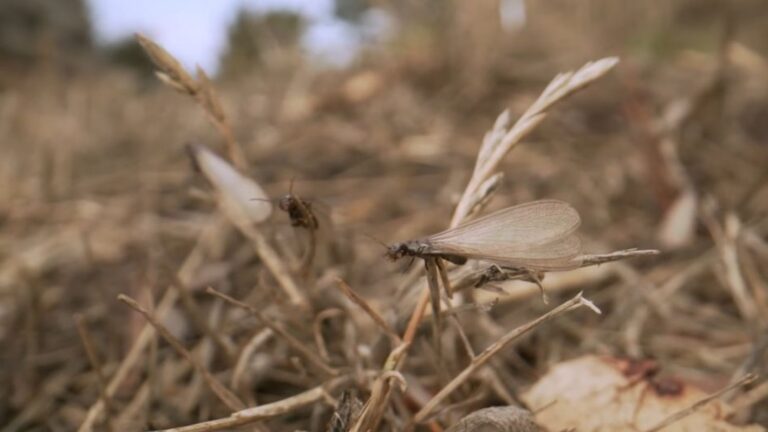
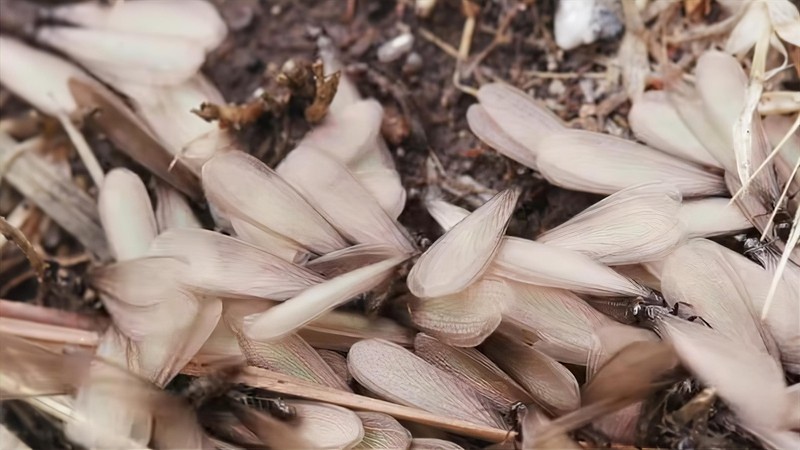
- Look for alates bearing four equal-length wings, straight antennae, and a thick uniform body during a swarm of flying insects.
- Unlike flying ants and other swarming insects, true termites show a distinct appetite for wood and broad threat to structural integrity.
- Telltale physical characteristics help distinguish real culprit activity from harmless intruders drawn to a porch light.
Want to be certain about the winged creatures you spotted swarming? Compare behavior and damage patterns against confirmed termite infestation indicators, then act fast — early detection can protect your property before treatment and repairs balloon past the $9,000 average cost.
Carpenter Ants
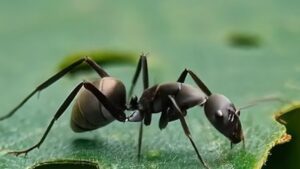
Carpenter ants are frequently mistaken for termites, yet their black body with occasional reddish brown tones sets them apart. Unlike wood-eaters, these insects tunnel into wood to build nests, leaving distinctive evidence behind for observant homeowners.
A key distinction across inspections: they do not feed on wood but excavate galleries instead. The telltale sawdust piles, smooth tunnels, and frass near walls signal their presence, distinguishing structural damage from genuine termite activity entirely.
Powderpost Beetles
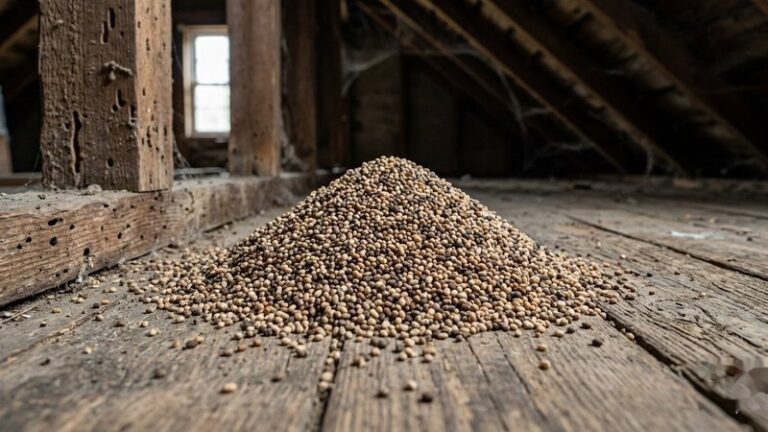
Most homeowners confuse these insects with termites, yet the distinction sits in the aftermath. Powderpost beetles leave behind a talc-fine frass, almost flour-soft, packing the tiny holes they bore through seasoned lumber.
In older structures, their kick-out holes read like a signature. They favor unfinished wood, drilling holes barely 1 mm diameter, quietly causing real structural damage over seasons.
Carpenter Bees
Unlike swarming insects that move in frenzies, carpenter bees work alone, drilling holes that are suspiciously round, smooth, and sanded clean—nothing like the rougher, chewed galleries left behind when termites damage wood through your structures.
Watch your home foundation, eaves, and wood: these bees leave fine sawdust beneath perfectly cylindrical tunnels. They do not eat wood like termites; their behavior centers on nesting, yet the resulting structural damage still warrants a professional inspection.
Flying Ant vs. Termite (Flying Ants)
Spotting the difference starts at the narrow waist. Flying ants show a pinched midsection, while termites stay wide. Their bent antennae curve sharply, unlike the straight antennae termites carry across their entire body length.
Wing structure seals the identification. An ant’s front wings run longer than the rear wings, creating unequal wing length. Termites instead wear two sets of wings that match perfectly, equal in length, often folded twice over.
Drain Fly
Among the common bugs often identified as termite lookalikes, drain flies surprise homeowners who suspect termites lurking near plumbing. Unlike insects that feed on wood, these fuzzy fliers gather around pipes, drains, and moist zones quietly.
Clusters often rest near openings beneath sinks, scattering when disturbed. They cause less damage than true swarming insects, never bore tunnels through walls or foundation, yet their presence still alarms anyone fearing structural problems.
Acrobat Ants
People often confuse these for swarmers, yet acrobat ants carry a heart-shaped abdomen they raise upward. Their bent antennae and narrow waist separate them from termites, despite similarities during swarm activity.
Unlike wood-eating threats, they nest in moist decaying wood already weakened by rot, decay, or leaks. They rarely cause fresh structural issues, though trailing in lines near cracks signals their active at night habits.
Other Bugs That Look Like Flying Termites
Several flying insects mimic termites near windows and lamps, drawn to light. Mayflies, winged aphids, and caddisflies all look similar, while a drain fly with moth-like form fools observers around moisture and standing water.
Examining wings clarifies things: alates show equal length wings, whereas flying ants display front wings longer than the rear wings. A fuzzy body or erratic flight pattern usually points away from genuine wood-boring pests entirely.
Should I Worry If I See Flying Termites?
Spotting flying termites indoors usually signals a nearby colony rather than a passing fly-through. When swarmers stick around inside, you’re likely facing an established nest within walls or foundation, warranting prompt professional inspection before structural problems quietly worsen unnoticed.
What to Do When You Have a Termite Infestation
When you confirm an active infestation, stay calm—don’t panic since immediate collapse won’t happen. Document the signs of termites carefully, snapping photos of affected locations and noting timing for the experts you’ll contact.
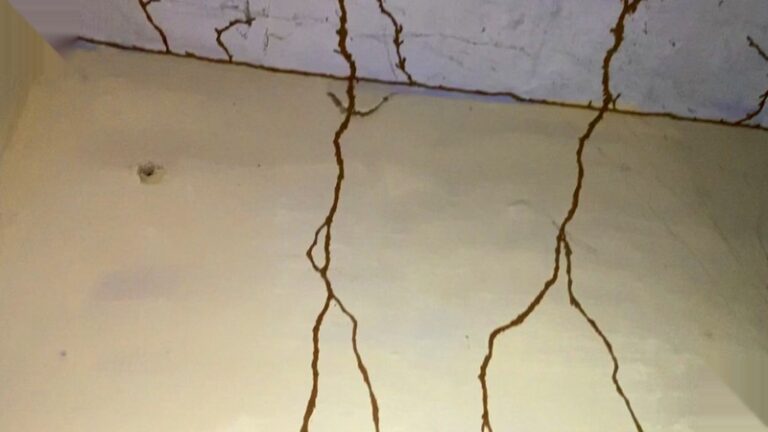
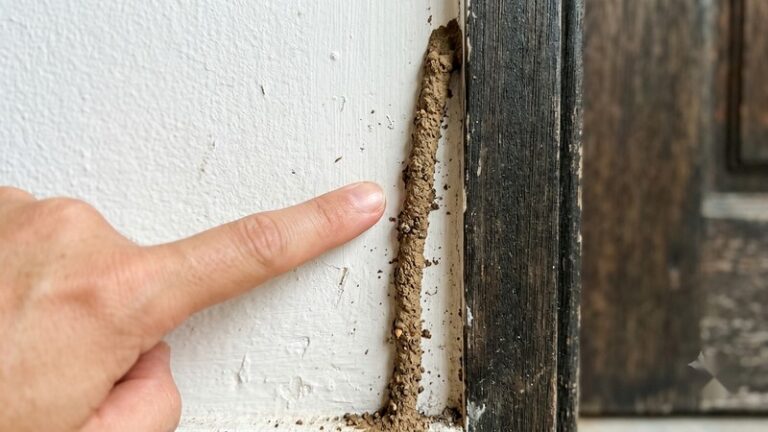
Reach out to a pest company to inspect your foundation thoroughly. Professionals examine mud tubes, hollow-sounding wood, discarded wings near windowsills, and hollow beams, then design a targeted plan matching your specific damage severity.
Treatment options vary widely depending on type of termite and colony reach. Chemical barriers, baiting systems, and heat treatments address different scenarios, while addressing moisture issues—fix leaks, seal cracks, remove debris—prevents future repeat swarms entirely.
When To Seek Professional Help
Spotting flying termites indoors or finding discarded wings near windows often signals a nearby colony that warrants a trained eye before damage quietly worsens.
- Hollow-sounding wood or visible tunnels
- Mud tubes along the foundation or wall
- Repeated swarming near porch lights
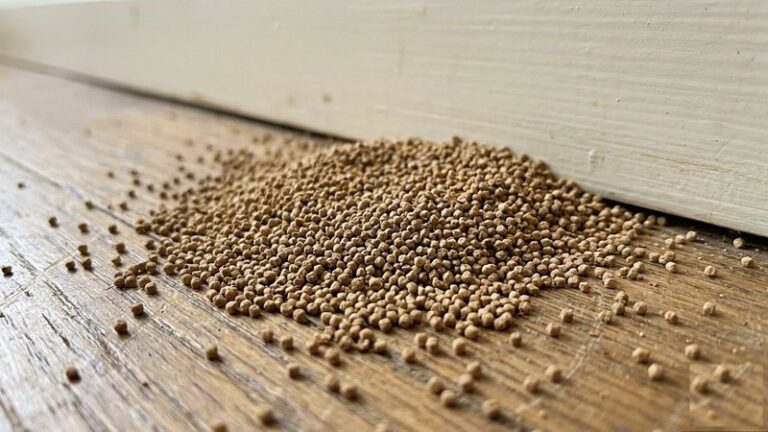
- Fecal pellets or kick-out holes present
Document photos, note locations and timing, then contact a professional pest control technician. Acting early on signs of infestation protects structural beams and curbs structural repair costs long before an immediate collapse becomes the reality.
Suspect Termites?
Protect your home — book your free termite inspection.
Fast, no-obligation quote from trusted local termite control pros.
Preventative Measures
Keeping wood-boring pests away from your property starts long before you ever spot a single insect. Smart prevention focuses on moisture control, structural upkeep, and removing the conditions that quietly invite trouble inside.
- Eliminate standing water and moisture
- Seal cracks, small holes, and gaps
- Store lumber away from soil
- Schedule routine professional pest control technician checks
Homeowners who suspect termites often don’t act early enough. Consult experts for a thorough inspection, review treatment and repairs options, and read more on protecting wood structures before minor issues become costly structural repair costs.
FAQs
What Insects Are Often Misidentified As Flying Termites?
Many homeowners confuse flying ants with swarmers. Carpenter ants show bent antennae and front wings longer than rear wings, while drain fly and lacewings also fool people. Acrobat ants, mayflies, and powderpost beetles round out the usual misidentified suspects.
Are Flying Termites Attracted To Light?
Absolutely—they’re strongly drawn to light. During swarming at evening and nighttime, reproductives cluster near windows and porch lights. This phototaxis explains why swarmers suddenly gather indoors. Switching to yellow bug light bulbs outdoors reduces how many swarming bugs approach entryways nightly.
Why Do Flying Termites Suddenly Appear?
A mature colony reaching capacity releases fertile winged reproductives to mate and start a new colony. Triggered by warm humid conditions, often after rain during spring or early summer, these alates swarm briefly, then lose wings. Their appearance signals expanding populations seeking a new nesting site.
Will Flying Termites Go Away On Their Own?
The winged swarmers themselves die quickly—males die after mating, leaving discarded wings behind. However, survivors that successfully pair construct homes and establish colonies. So while the visible swarm disperses, mature colony members remain hidden, continuing wood damage unless treated by professionals.
Should I Worry If I See Flying Termites?
Yes—winged termites indicate a mature colony nearby expanding aggressively. The worst flying termites, drywood termites, are destructive, needing no moist soil to live within wood and consume it. Subterranean species build large colonies underground, using mud tubes to travel toward structures unseen.
Can Flying Termites Damage Garden Plants?
Generally no—they target structural wood and cellulose, not living foliage. Subterranean species near decaying trees, stumps, and wood debris in the yard pose more concern. While they won’t harm healthy plants, nearby tree roots, mulch, and firewood can attract colonies toward your home’s foundation.