How Do Termites Spread? Causes, Signs & Prevention
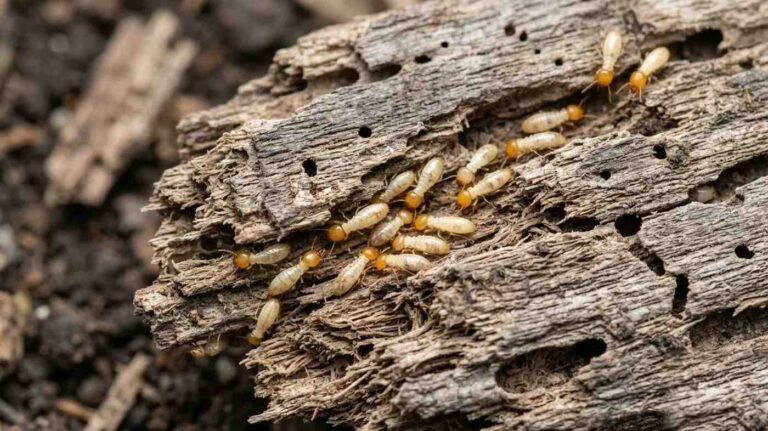
Termites are highly adaptable social insects whose colonies travel through extensive networks, seeking wood and shelter while quietly building mud tubes toward wooden structures.
These subterranean termites spread rapidly underground, while drywood termites ride infested items like firewood, proving human activity unknowingly creates a continuous network linking one property to neighboring houses unseen.
How Do Termites Spread? Ways They Travel & Spread
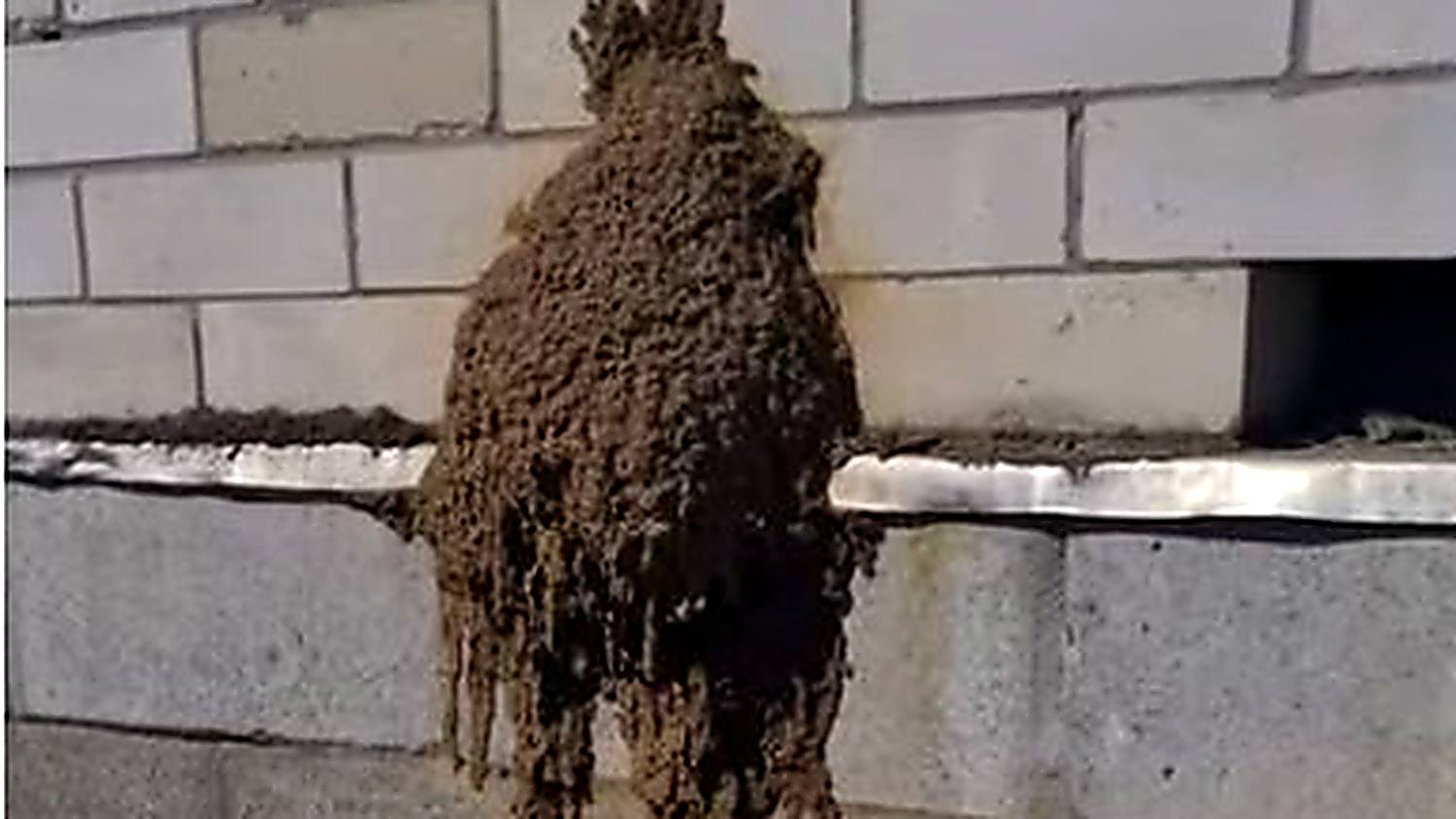
Most people picture insects marching openly, but the reality stays hidden. Subterranean termites build continuous tunnels through damp soil, linking foundations quietly while foraging paths stretch beneath walls completely unnoticed by anyone.
A single infested property triggers a domino effect across any neighborhood, since mud tubes bridge homes close together. Carrying firewood, furniture, or wooden items moved between new locations lets these termites reach fresh food fast.
Neighboring Property Infestations
A shared foundation rarely stays a private problem. When one neighbor’s house harbors termite colonies, migrating underground through soil channels lets worker termites bridge gaps between two homes quietly.
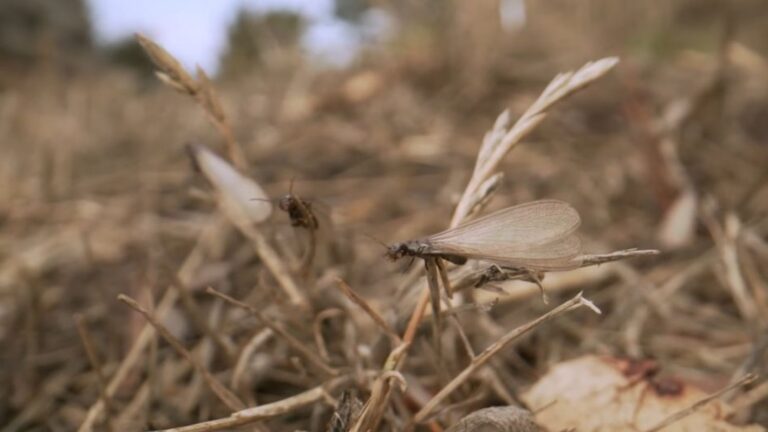
Active mud tunnels can snake across shared gardens, turning untreated wood into the weak link. Reproductive termites and airborne swarmers then expand, seeking exposed wood within surrounding areas and yards.
How Fast Do Termites Travel & Spread
The termite spread speed hinges on species and colony size; subterranean termites push through underground tunnels advancing several feet per day, while their colonies, sometimes a million strong, expand quietly each year.
A single food source keeps them hollowing out wood and feeding continuously, causing long-term damage. Drywood termites crawl slower, yet small termite groups still invade nearby homes, leaving hidden damage and signs before early inspections catch them.
Should I Be Worried If My Neighbor Has Termites?
Yes, vigilance matters when a neighbor discovers termites nearby. These pests spread easily across an area, so watch your home for common signs like mud tubes forming along foundations or surfaces.
Schedule a professional inspection promptly, since early discarded wings near windows often reveal trouble. Recognizing subtle signs quickly protects your property before colonies migrate over and establish unwanted activity nearby.
Neighbor Has Termites?
Don’t wait for them to reach your home.
Get a fast, no-obligation inspection quote from trusted local termite control pros.
Signs Of Termites
Catching trouble before it escalates means knowing what to look for, since these persistent insects stay hidden while mud tubes, discarded wings, and subtle clues quietly reveal their unwelcome presence.
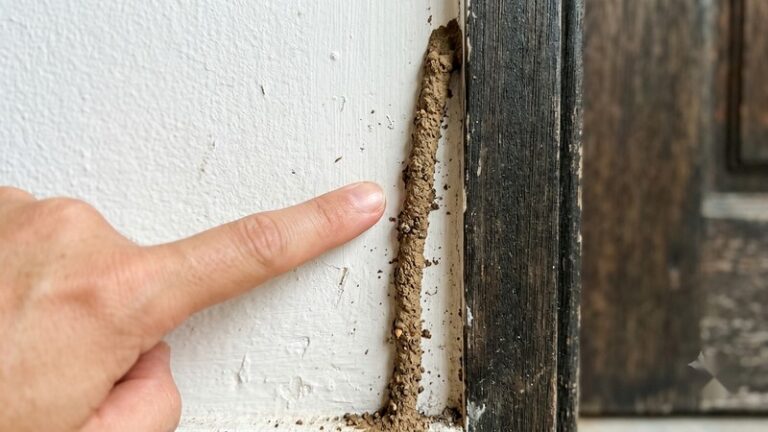
- Mud Tubes: Pencil-thin mud tunnels climbing foundation walls or crawl spaces signal active subterranean termites seeking protected passage.
- Discarded Wings: Small piles of discarded wings near window sills, doors, or windows point toward recent swarming season activity.
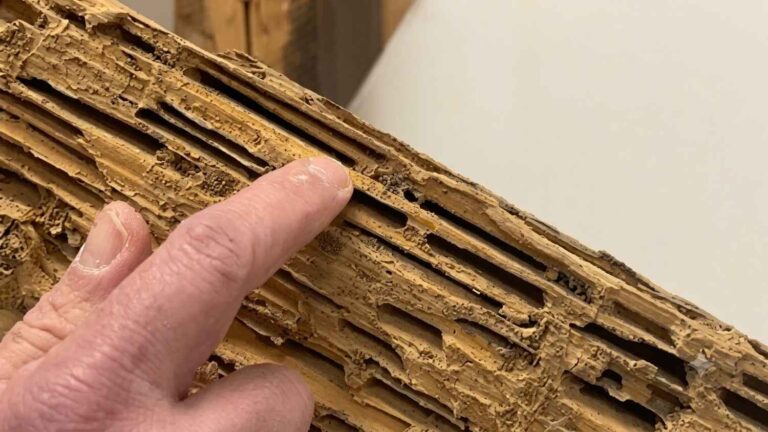
- Hollow Wood: Tapping wooden structures that sound hollow reveals damaged wood, where colonies eat wood from inside undetected.
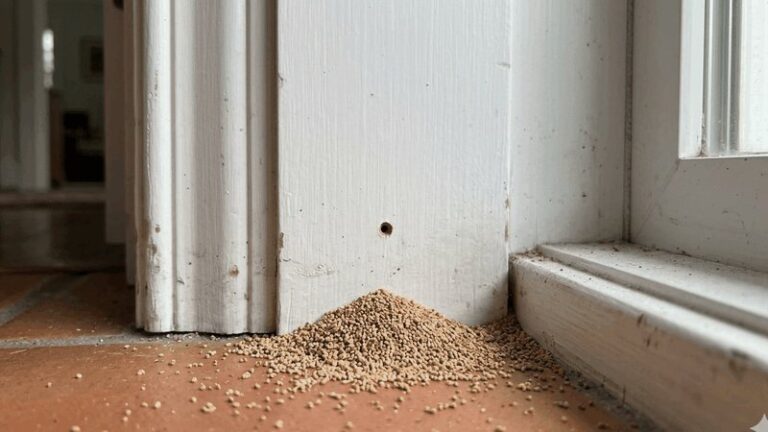
- Frass Deposits: Tiny wood dust mounds or small piles beneath wooden furniture indicate drywood termites quietly consuming wood nearby.
- Buckling Paint: Bubbling or peeling paint across walls often masks hidden damage spreading silently behind your structural materials.
- Swarmer Sightings: Clusters of winged swarmers or alates around roof eaves confirm mature colonies preparing for dispersal outward.
Acting fast on these telltale signs protects your home from costly repairs, since early inspection and regular inspections stop colony expansion before structural damage multiplies.
Different Types Of Termites
Subterranean termites build nests underground, thriving in moist soil where they survive near abundant wood. These environments let them infiltrate through wood-to-ground contact, exploiting cracks in foundations and brick mortar silently.
Drywood termites prefer dry wood, settling within dead trees and structural timbers without needing soil moisture. Their entry points often involve attic vents, roof eaves, and openings around windows or door frames directly.
Dampwood termites favor decaying, damp material, rarely invading homes built across warmer parts of various forests and grasslands. Avoiding cold, high altitude regions like Northern Europe or Canada, they remain habitat-dependent creatures.
How To Stop Termites From Spreading
According to pest management professionals, eliminating moisture matters most. Fix leaks, redirect drainage, then start sealing entry points around your house, denying these persistent insects the dampness they desperately crave underground.
Schedule regular inspections seasonally, because catching trouble early prevents disaster. Professional termite treatment applied correctly, alongside removing wood debris and consulting a pest control professional, genuinely halts colonies before widespread destruction begins.
Importance of Regular Inspections
Catching termite activity before it escalates separates minor fixes from disasters. A thorough termite inspection lets trained eyes spot early signs along the foundation, inside tunnels, and across vulnerable wooden structure zones quietly.
Timing matters: swarming season pushes homeowners toward annual checks, where pest control professionals trace mud tubes climbing walls, identify common signs, monitor termite colonies, halt termite spread, and worry whether neighbors might face exposure too.
Termite Colonies and Their Impact
Subterranean termites establish vast underground networks where the queen drives relentless colony growth rate, producing thousands of eggs annually. Within these mature colonies, reproductive termites, soldier termites, and workers organize around foraging behavior and a steady food source.
A single termite colony can house hundreds of thousands of members within a few years, and Formosan subterranean termites demonstrate especially aggressive feeding. Their ability to destroy wood and hollow out structural materials makes their persistent threat difficult to detect early.
The impact intensifies during swarming events, when winged reproductives mate and seek a new nest. Understanding what triggers this dispersal matters, since climate, spring, and rising humidity levels push colonies to infest fresh buildings.
Expert Advice From A Pest Control Professional
Watch for subtle signs before property damage escalates. Termite colonies breach foundation cracks silently, leaving small piles near window sills. Understanding termite behavior helps homeowners spot trouble during early swarming season months.
Inspect walls carefully where mud tubes climb toward consuming wood. These common signs reveal how termites spread through hidden tunnels built across damp soil, protecting workers as they move steadily indoors.
A proper termite inspection catches homeowners off guard when destruction stays concealed. Professionals trace activity back through soil, examining each crack methodically, because overlooked colonies multiply faster than most property owners ever realize.
Additional Tips For Homeowners
Smart homeowners watch their property lines closely, knowing shared moisture issues invite trouble. When you communicate with neighbors about termite activity, a coordinated treatment prevents reinfestation across connected soil and stops colonies before they multiply.
Reduce food, moisture, and shelter through regular maintenance. Fix leaking faucets, improve drainage, and remove wood debris, mulch, dead trees, and tree stumps. These preventive steps eliminate the weak link that lets termites thrive near foundations.
Schedule professional inspections and apply borate-based products creating a protective barrier on exposed wood. Seal cracks, gaps, and holes around windows and doors. Choosing termite-resistant materials during renovations offers lasting termite protection against silent invasion.
Solutions To Keep Termites Out Of Your Property
Keeping these small, persistent insects away starts before any damage begins. Smart prevention relies on cutting off moisture, breaking wood-to-ground contact, and staying alert to early termite activity around your home.
- Seal cracks in foundations
- Reduce moisture near walls
- Schedule regular termite inspections
- Treat wood with termite-resistant products
These proactive steps matter because subterranean termites travel undetected through soil, quietly reaching structural timbers. Consistent monitoring and prompt treatment stop a single colony from turning into widespread, costly repairs.
Where Do Termites Come From?
Most termites begin their journey underground, where subterranean termites build vast colonies within connected soil. From these hidden origins, they exploit wood-to-soil contact and cracks, quietly establishing territory beneath unsuspecting foundations before anyone notices.
During swarming season, winged termites leave the parent colony searching for fresh food sources and moisture. These silent invaders travel surprising long distances, sometimes crossing a football field, landing near structures to start new colonies independently.
The damage termites cause often traces back to mud tubes and underground tunnels bridging gaps between properties. Drywood termites differ, infesting above-ground wood directly, while both species rely on cellulose, persistently spreading through neighborhoods undetected for years.
FAQs
How Far Will Termites Travel From House To House?
Most subterranean termites forage roughly 300 feet from their colonies, but travel depends on moisture and soil conditions. Through underground tunnels and mud tubes, these persistent insects move undetected, crossing foundations silently while seeking wood and materials to eat.
Should I Be Worried If My Neighbor Has Termites?
Yes, homeowners should stay alert. A neighbor with termite activity signals nearby termite problems spreading via connected soil. Watch your shared foundation walls, tree stumps, and mud tubes. Since they reach home fast, prompt inspection across the neighborhood protects every vulnerable property.
Can Termites Move From One House To Another?
Absolutely. Termites spread house to house through shared wooden structures, fences, and connected soil. Subterranean termites exploit proximity and underground tunnels, bridging neighboring structures. Poor drainage, moisture issues, and debris worsen this threat, making monitoring and prompt treatment essential to prevent wider damage.
How Do You Stop Termites From Spreading?
Effective prevention combines eliminating moisture, sealing entry points, and fixing leaks around foundations. Schedule inspections with a pest control professional, apply targeted products like bait systems or liquid treatments, caulk cracks, paint wood, and remove debris near your property to disrupt foraging paths.
Are Termites Contagious?
Not biologically, but infestations behave similarly. Termite colonies disperse through reproductive termites and winged termites during dispersal, founding new colonies in multiple houses. Once established, damage multiply rapidly as they keep consuming wood, jumping neighbor’s house to yours through mud pathways underground.
How Fast Do Termites Spread?
Speed varies with colony size and the queen termite’s output. Once a food source is found, they spread rapidly along pathways and foundation walls, bridging gaps between wooden structures. Structural damage often advances unnoticed, letting them eat away and destroy wood before homeowners react.