What Do Termites Do to Your House? Damage & Signs
These ecologically beneficial insects break down detritus, recycling nutrients into soil, yet their feeding behaviors within the ecosystem turn destructive once they feed on wood inside human homes.
When termites invade, severe damage follows quietly, compromising strength and safety until an infested structure becomes unlivable, demanding expensive repairs that homeowners rarely anticipate before the structural property damage spreads.
How To Tell If You Have Termites
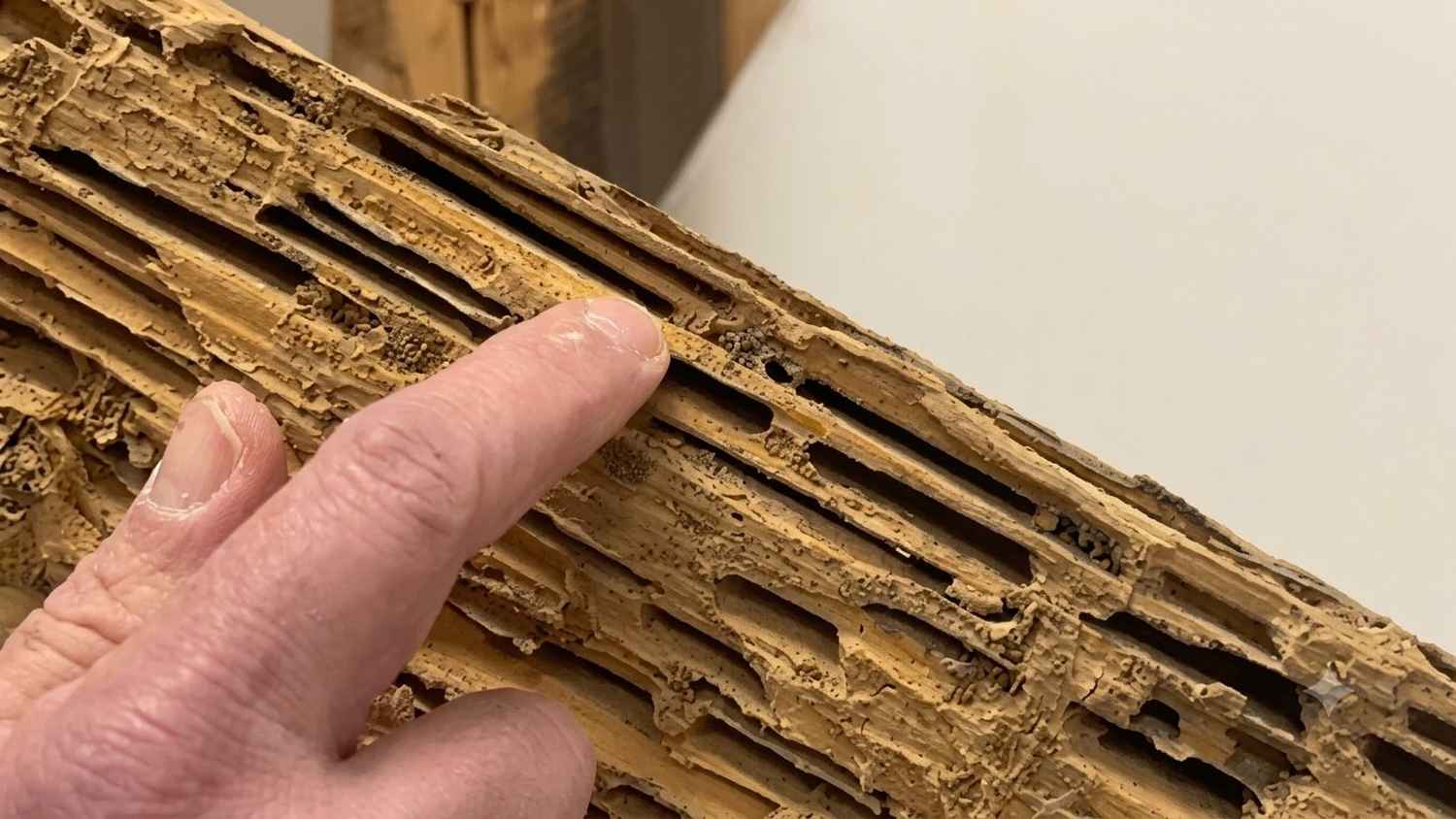
Spotting an infestation early is tricky because the damage often stays hidden until structural integrity is compromised; the University of Kentucky Entomology department notes that a colony can quietly tunnel through wooden beams and cellulose for years before any signs of termites surface above the surface.
- Discarded wings near windows
- Stray termite swarmer indoors
- Hollow-sounding support beams
- Buckling or damaged flooring
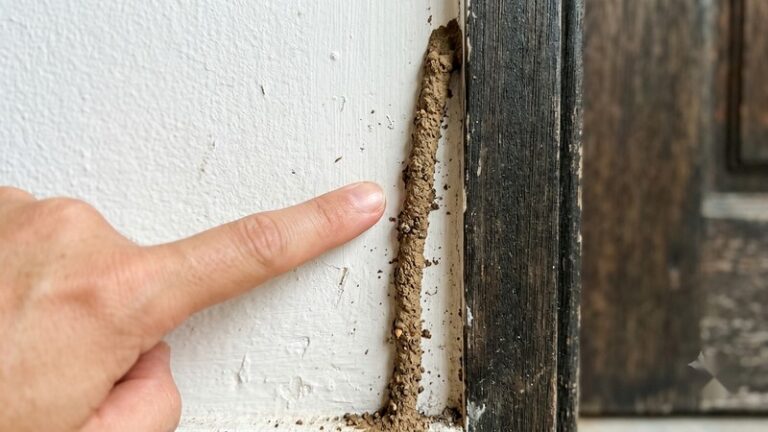
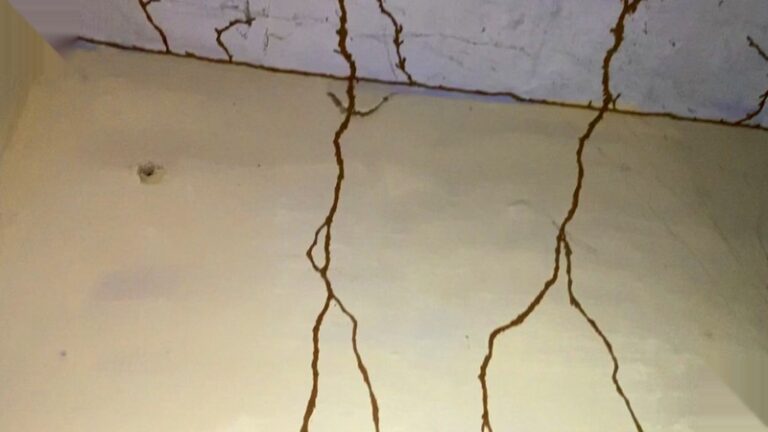
- Mud tubes on foundation
- Tiny openings and cracks
- Frass near exposed wood surfaces
- Sagging sheetrock or paint
- Easy to miss pinholes
- Soft, moist wood spots
If you suspect activity, schedule a free termite inspection with a licensed termite control professional who can identify and assess the infestation before expensive repairs become unavoidable.
Suspect Termites?
Protect your home — book your free termite inspection.
Fast, no-obligation quote from trusted local termite control pros.
How Much Damage Can Termites Do
Most homeowners underestimate the potential for destruction until a full-blown problem surfaces. In severe cases, mature colonies quietly infest supporting structures, turning sound load-bearing walls into hollow shells over months.
A single Eastern Subterranean termite seems harmless, yet multiple active colonies working each day cause extensive termite damage. Left unnoticed, that slow, deliberate tunneling weakens wood until buckling beams threaten collapse.
How Can I Prevent Termite Infestation
Keeping these wood-eating pests out starts long before you spot trouble. According to the EPA’s Office of Pesticide Programs, preventive measures focused on moisture problems and removal of food sources dramatically reduce termite infestations, and scheduling annual termite inspections remains the single most reliable safeguard for the average home.
- Eliminate moisture near structural beams, fix leaky pipes, leaking plumbing, and clear drainage lines to remove the damp areas termites crave.
- Keep a tidy yard with mulch pulled away from the foundation, since damp soil becomes a breeding ground for thirsty subterranean termites.
- Direct rainwater away using working rain gutters and properly graded soil that moves water away from your exterior.
- Remove cellulose-rich debris and stored wood, the primary food source that draws colonies toward your interior.
- Seal cracks and monitor crawlspaces, spigots, and garden hose connections where leaks create hidden, hospitable entry conditions.
- Address poor drainage and leaky condensation pans beneath air conditioning units before damp ground attracts foraging workers.
For lasting protection, pair these habits with a trained pest management professional who can recommend wood treatments or barrier systems suited to your property, stopping a small problem from becoming costly repairs.
What To Do If You Have Termites
If you suspect a problem, panic helps nothing—instead contact a pest control professional for proper inspection. They identify termite damage, locate hidden colonies, and recommend extermination options matching your specific infestation severity and home.
Acting fast matters before damage spreads further. A trained expert evaluates subterranean termites beneath foundation areas, checks mud tubes, examines mud tunnels, and determines whether immediate treatment through targeted termite control becomes necessary.
Can Termite Damage Cause My Home To Collapse?
When structure-destroying pests quietly infest a property, the potential for destruction becomes a serious threat few homeowners anticipate until a massive colony has rendered support systems dangerously extensive and fragile.
A prepared household watches for peak termite activity during warm humid months, since spring and summer conditions that trigger a swarm create exactly the environment where structural collapse stops being hypothetical.
How Does Termite Damage Make a Home Collapse?
A years-long infestation works against you silently. Mature colonies keep eating through structures, where the Eastern Subterranean termite stays slow yet deliberate, removing wood fiber until collapse becomes the inevitable structural outcome.
Consider that termite damage compounds: one foot of 2-by-4 vanishes each month, while multiple active colonies devour roughly one-fifth of an ounce daily. Given enough long time, an impressive amount of termites reaches the point of collapse.
Don’t Risk Structural Damage
Catch hidden termite damage before it spreads.
Get a fast, no-obligation inspection quote from trusted local termite control pros.
But What About Formosan Subterranean Termites?
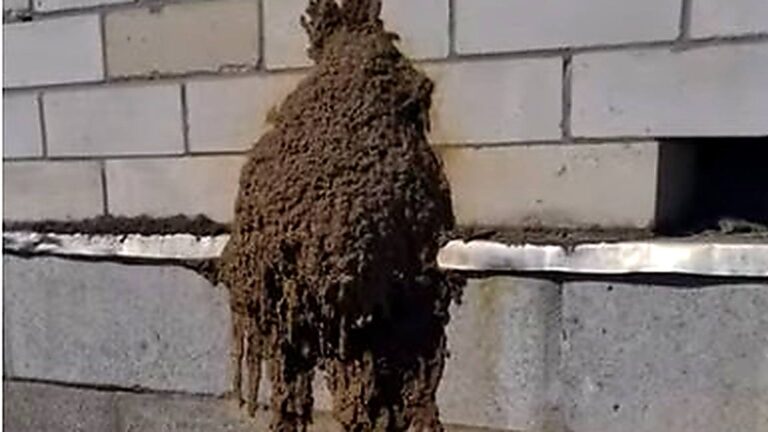
While native subterranean termites cause steady interior damage, the Formosan termite operates differently. This invasive species builds enormous mounds and colonies, releasing saliva and mud that fuels relentless destruction across wooden structures below ground.
Detection proves harder because they work from the below the surface, hollowing wood and plaster while leaving maze-like tunnels invisible between walls. Their aggressive appetite means considerable damage accumulates before veneer cracks, hollow-sounding walls, or buckling support beams ever surface.
What Does Termite Damage Look Like in Your Home
When termites silently invade, the threat to your home rarely announces itself. These wood-eating pests burrow through structural elements, leaving property damage that compounds over years before any visible signs of termites finally surface.
Subterranean termite activity can transform sound homes into hollow shells. Operating underground, they feed on wood and cellulose, causing severe damage that escalates annually into staggering structural damage across countless property owners.
What Are Termites?
Termites function through a rigid caste system where a single colony divides labor: soldiers protect colony members, workers handle foraging, while reproductive members ensure continuity. Each termite belongs to a defined social structure governing daily survival.
The queen can lay thousands of eggs each day, and under favorable conditions she may survive indefinitely across several decades. Young nymphs progress through multiple molts toward adulthood, while predators like ants threaten populations.
What Do Termites Do to Your House?
Life Cycle and Behavior
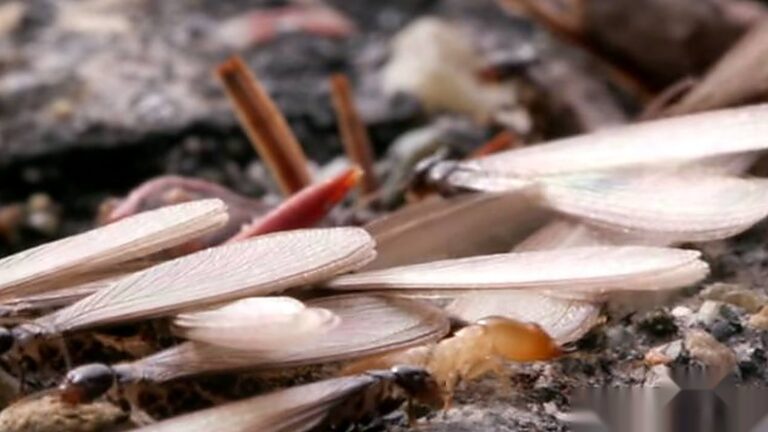
Mature termites within a colony await the swarming season, when subterranean termite species sprout wings and swarm. During spring, these reproductives break off, land, then twist wings off to settle and form colony structures underground.
The discarded wings scattered in the aftermath signal active reproduction nearby. Through late summer into fall, drywood termites follow their own swarming period, where mature termites disperse, mate, establish fresh nests, repeating this generational cycle.
What Do Termites Look Like?
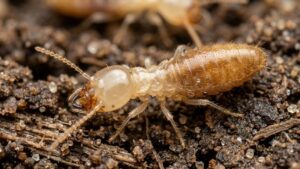
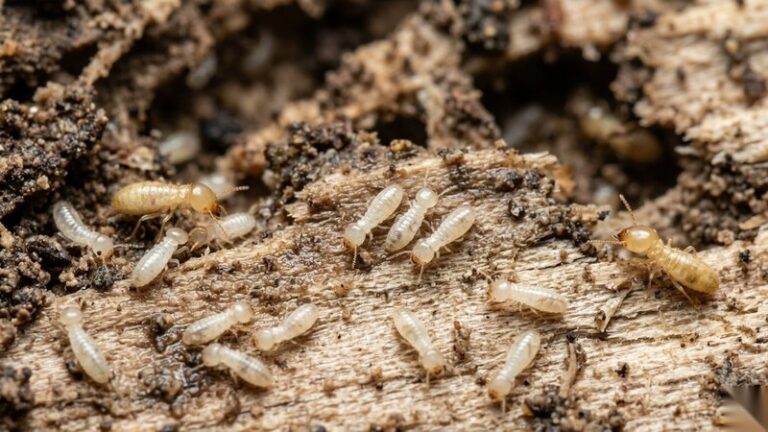
According to the University of Kentucky Entomology department, termites are small insects measuring less than half an inch, often confused with ants despite key differences in body structure, antennae, and wing patterns visible during inspection.
- Three-eighths of an inch typically
- Straight antennae, not bent
- Front wings, hind wings equal length
- Color varies by species
- Soft, pale, segmented bodies
- Eastern subterranean termites most common
To distinguish termite swarms from ant swarms, examine the wings equal length trait and straight antennae, since ants show a ninety degree angle bend. For sizing, Western subterranean termites and dark southeastern subterranean termites reach seven to eight millimeters, while the widely distributed Eastern type spans 10 millimeters across the United States (excluding Alaska).
What Causes Termites and Brings Them Into Your Home?
Research from the EPA confirms that cellulose is the primary draw, with termites seeking wood, paper, and cotton sources alongside moisture and shelter that turn a structure into prime habitat.
- Cellulose in wood and paper
- Warm dark places indoors
- Undisturbed areas like a crawl space
- Moisture near soil
- Any accessible entry point
- Conditions enabling infestation
Reducing moisture and sealing every entry point removes the habitat appeal that invites colonies inside. For deeper guidance on monitoring undisturbed areas and the crawl space, consult a licensed termite professional before an infestation takes hold.
What Time Of Year Are Termites Most Active?
Most homeowners across the U.S. notice termite activity reaching its peak during spring and summer, when warming conditions trigger a destructive colony to swarm.
That seasonal surge often leaves property owners worried, since a single mature colony can swarm repeatedly once weather aligns, turning quiet summer weeks into prime months for an expanding, wood-eating termite presence.
What Are The Different Types Of Termite Treatments?
The EPA, through its Office of Pesticide Programs, runs a rigorous pesticide review process before any registered termiticides reach the market—each product backed by over 100 scientific studies confirming it meets safety standards for human health and the environment.
Liquid Termiticides
Applied to the soil around a concrete foundation, these termiticides form a treated zone that subterranean termites cannot cross without contact. Working from the underground out, they intercept the colony’s entry point and disrupt the infestation at its source.
Termite Baits
Bait stations exploit how a termite colony shares food. Worker termites carry the active ingredient back to mature colonies, gradually reaching the king, queen, and few hundred individuals feeding within—an approach that can kill termites colony-wide rather than treating a single spot.
Wood Treatments
Because termites feed on wood, cellulose, paper, and cardboard, direct wood treatments apply a sealant or borate solution into the timber itself. This makes the structure less attractive and protects vulnerable wooden walls, cabinets, and wooden furniture from being consumed.
Physical/Non-Chemical Barriers
Installed during construction, a stainless metal barrier or graded ventilation space blocks termites mechanically without chemicals. These prevention features rely on grading, proper drainage, and eliminating wood-to-ground contact to deny pests an easy route inside.
Treatment choice depends on the type of termite and the severity of the infestation. A licensed pest control company—with the knowledge, expertise, and equipment to minimize risks—should assess and apply treatment.
Are Pesticides Used Against Termites Safe?
According to the EPA, termiticides like fipronil and imidacloprid undergo strict EPA review, ensuring products never pose unreasonable risks to human health when applied according to label directions.
The registration process demands active ingredients stay labeled correctly, preventing contamination of drinking water wells. Minimum risk pesticides alongside chemical treatments balance structural protection against genuine environment safety concerns.
What is the Government’s Role in Termite Control?
Government oversight plays a central role: the EPA must regulate every pesticide, forcing manufacturers to prove insecticides meet safety thresholds before approval reaches any slow-acting insecticide reaching consumer hands nationwide.
Before building materials impregnated with borates gain approval, insect growth regulator compounds like lufenuron and hexaflumuron require evidence proving insect development disruption without harming surrounding ecosystems significantly.
FAQs
I Found a Termite with Wings in My Home. Does this Mean I Have a Termite Infestation?
Spotting a flying termite swarmer indoors often signals trouble. These termite swarms differ from ant swarms—check the antennae and wings. Termites have straight antennae and wings equal length, while ants show front wings longer than hind wings, hinting at infestation.
What Attracts Termites To A House?
These pests stay attracted to wood and cellulose sources. Moisture from leaks, faulty rain gutters, or recent storm and rain creates hospitable conditions. While a clean home won’t fully deter them, reducing ground dampness near your foundation makes the structure far less inviting overall.
How Big Are Termites?
Most termites are small insects, typically less than half an inch long. Across 2,000 species worldwide, size varies by role within rigid colonies. Workers stay tiny, while reproductive queens swell larger. The subterranean termite remains among the costly wood-eating pests despite modest dimensions.
How Long Can Termites Live In A House?
A colony’s lifecycle spans two to 50 years, though individual termites often survive less than one year. Queens and kings persist longest, caring for young and maintaining nest stability. Without intervention, established termite populations quietly endure inside walls for many seasons undetected.