What Causes Termites to Swarm? Causes & Prevention
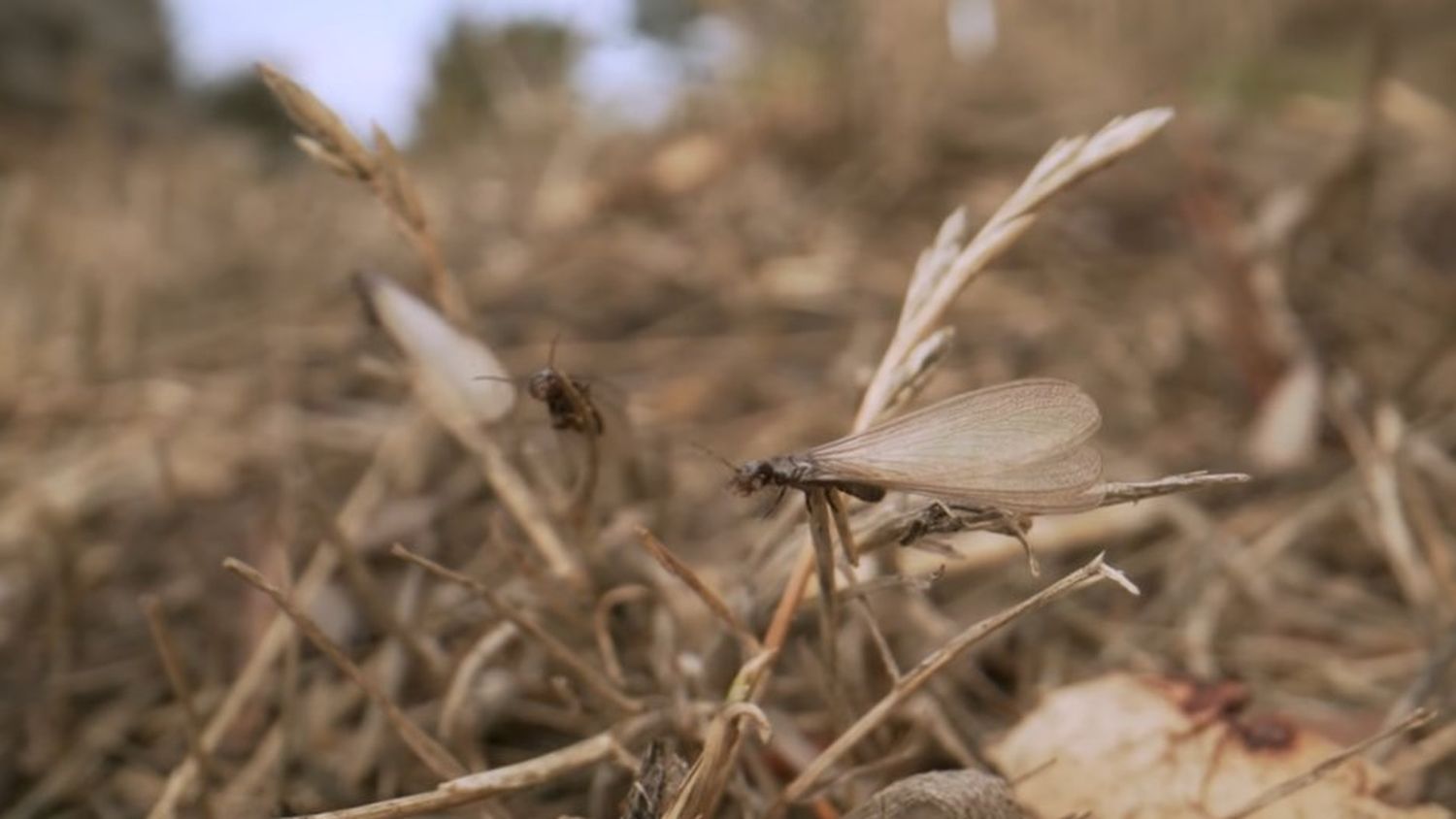
When alate nymphs develop inside a colony matures, their sole purpose is to begin new colonies. These swarmers with wings fly during spring, when warm, humid weather creates ideal conditions for dispersal activity outdoors.
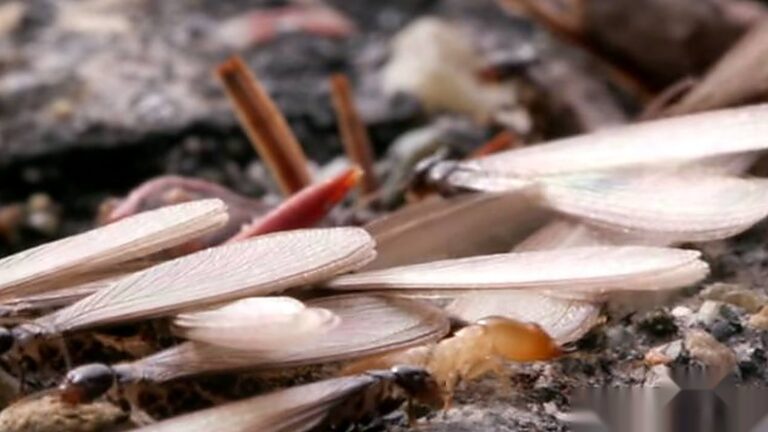
After a brief flight, their wings drop off; each pair seeks a suitable location to mate. The female becomes queen, lays eggs that hatch, producing workers sustaining this termite guide species.
What Causes Termites To Swarm?
When termite colonies reach a state of colony maturity, the reproductive members begin preparing to leave colony boundaries. These winged alates wait for favorable environmental conditions, knowing that proper moisture signals the right moment to disperse.
Warm humid weather combined with after rainfall acts as the primary trigger pushing swarmers outward. The species responds to temperatures rise, and certain times of year like spring through early summer create ideal conditions for dispersion.
The underlying purpose remains reproduction and establishment of new colonies. As an expanding colony matures over several years, internal pressure builds until mature winged adults must fly away to find mates and ensure survival.
Learn more about why flying termites suddenly appear in our article Why Do Flying Termites Suddenly Appear?.
Where Do They Go After Swarming?
Once airborne, alates fly away seeking a mating partner, though most are not strong fliers. Within a few seconds they land, break wings, and search for hidden areas offering the highest probability of survival.
The future queen travels on foot while the king follows, hunting moist soil near a foundation or standing water. Together they establish reign, burrowing into soil moist enough to protect their delicate exoskeletons from drying.
Surviving pairs begin to reproduce, becoming queens and kings who feed, sustain species, and damage structures over a lifetime. Failed swarmers simply dry out, meeting quick demise since they do not bite.
Termite Swarming Season
According to the University of Kentucky Entomology Department, termite swarms erupt in highly synchronized bursts—often February through May, when warm moist weather turns favorable and a colony growing past maturing stages releases hundreds of reproductives at once.
- Peak window: late spring, early summer
- Triggered by warm, rainstorm conditions
- Daytime flights common in spring
- Drywood swarmers emerge later
According to the University of Kentucky Entomology Department, timing reveals everything: a colony established for three to five years times its production of swarmers to rising temperatures and post-winter soil moisture, when swarmers leave colonies seeking new areas. For deeper reading, consult pest management professionals about your local swarm season patterns and whether nearby structures show early infestations.
What If Termites Swarm Inside My House?
Spotting swarmers indoors is a surefire sign termites have taken up residence within your walls. As elusive pests, they stay out of sight while wreaking havoc on wooden structures, making this highly visible event a critical warning sign.
Don’t panic, but take effective action. These winged adults emerging inside your home indicate a thriving inffestation breaching your building’s envelope, where hidden worker termites keep eating wood—calling pest management professionals as first responders matters.
Does Killing the Swarmers Solve My Termite Problem?
When alates start flying around your living room, the instinct is to grab a vacuum cleaner. But these few alates appearing indoors are merely an infestation indication, never the real threat lurking beneath your foundation.
The worker termites stay hidden, busy eating wood within structural components while swarmers simply die from dehydration. Genuine prevention requires professional inspection, soil treatment, or bait systems targeting the underground nest directly.
Where Did The Swarmers Come From?
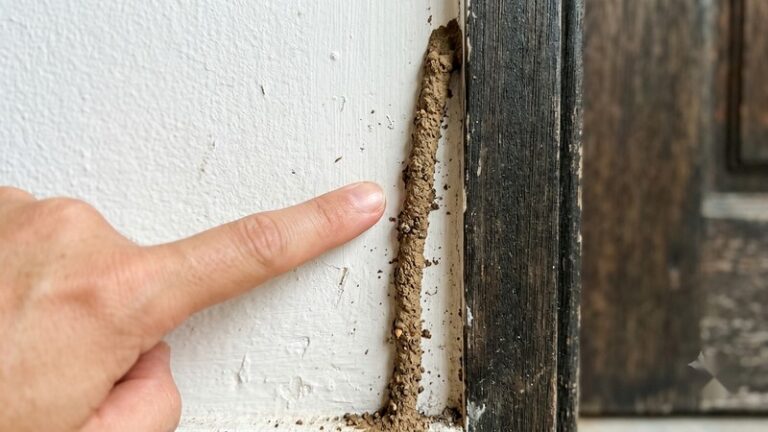
The swarmers you spotted didn’t appear randomly. Worker termites built a hidden swarm tube acting as a launch site, releasing reproductive alates outward once the right conditions of humidity levels aligned correctly underground.
A primary queen, capable of producing a million eggs across her lifetime, originally established reign within concealed habitats. Her colony matured through seasons, with soldiers defending while secondary reproductives developed, awaiting proper environmental cues before any maximum dispersal attempt.
These temperate regions dwellers respond to significant rainfall, leftover moisture, and warmer temperatures as triggering factors. The future queen ventures on foot, the king follows, since termites remain not strong fliers seeking one mating partner.
Suspect Termites?
Protect your home — book your free termite inspection.
Fast, no-obligation quote from trusted local termite control pros.
What Do Termite Swarmers Look Like?
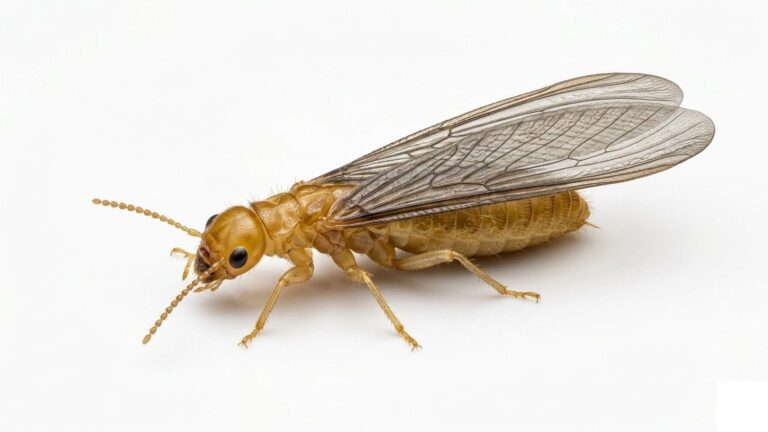
These alates carry two pairs of termite wings that share the same length and same size, unlike ant wings where the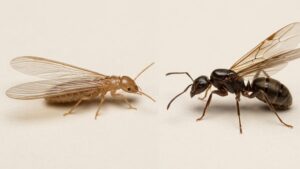 front pair larger dominates. Their uniform-shaped bodies stay tube-like, never pinched.
Look closely and you’ll spot smooth antennae, straight beaded antennae without the elbows or sharp bends ants show. Their large wings dwarf a small body, making these not adept flyers drifting at wind’s mercy.
Why Is It Called A Swarm?
The term traces back to swarmers themselves, those alates who emerge in unison and fly away when their colony maturity triggers it. Active all year-round in nature, this strategy screams collective movement across geographically disparate colonies.
Watching eastern subterranean swarmers disperse during late spring, you grasp why “swarm” fits—dozens to thousands suddenly leave colony together, an alarming presence inside buildings that homeowners rarely forget once witnessed firsthand.
Termite Colony Life Cycle Timeline
After swarming, mating pairs drop to ground, lose wings, and pair off to build nest. The female leads while the male follows, a distinctive train before they settle down for founding colony.
Inside the nuptial chamber, the king and queen begin laying eggs, a slow, vulnerable start. Few dozen eggs molts into nymphs, becoming first workers during this gradual expansion phase.
How Can A Termite Swarm Be A Good Thing?
A swarm acts as an early indicator, exposing a potential problem before undetected damage spreads. Spotting these winged insects lets homeowners catch a colony while reaching out to a pest control professional quickly.
This visible symptom becomes useful intelligence. Rather than a hidden threat, the swarmers announce presence inside your property, prompting inspection, early detection, and a prevention plan that stops a cycle of destruction before structural ruin.
Termite Damage
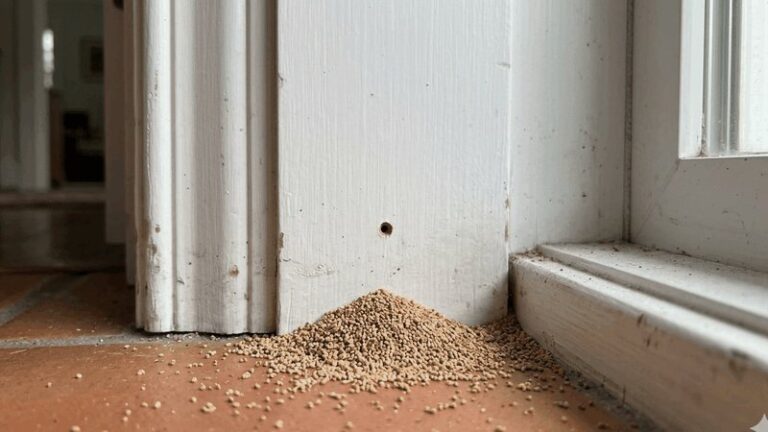
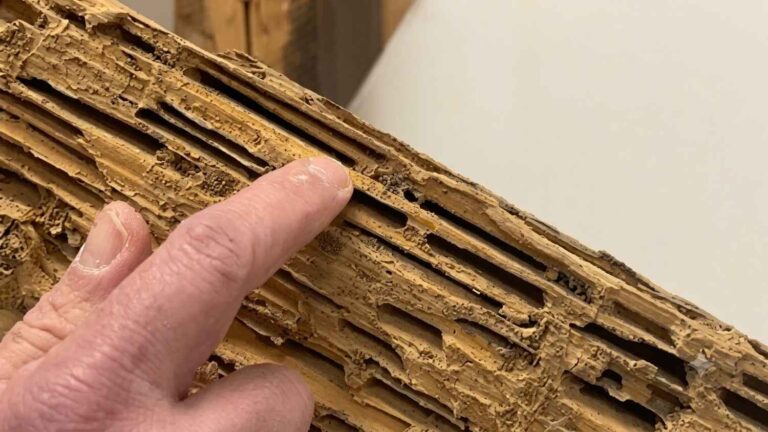
Worker termites quietly eat wood, feeding on cellulose and regurgitating digested wood to colony members. This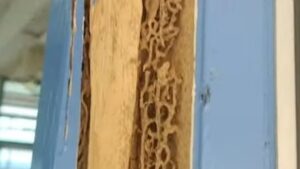 silent culprit weakens wooden structures, leaving hollow wood, blistered paint, and mud tubes along exterior walls as telltale signs.
Left unchecked, the colony drives property damage demanding expensive treatment. Eastern subterranean termites and Formosan swarmers cause significant damage, so regular home inspections and chemical barrier defenses protect homes from a destructive food source raid.
FAQs
What Exactly Is A Termite Swarm?
A swarm is the mating flight when winged termites, called swarmers or alates, leave their colony in large numbers. These flying termites are emerging to mate, disperse, and form colonies elsewhere, a natural part of the life cycle.
How Can I Tell If I’m Seeing A Termite Swarm And Not Flying Ants?
Look at key differences: termite swarmers have four wings of equal size, straight antennae, and a broad waist. By contrast, winged ant swarmers show larger forewings, smaller rear wings, bent antennae, plus a narrower waist distinguishing flying ants clearly.
Are Termite Swarms Dangerous?
Worker termites do not bite, sting, or harm people; they eat wood instead. The real threat is structural damage: a swarm inside is an infestation indication, signaling the rest of colony eating wood and cellulose-containing materials, causing repairs costing thousands of dollars.
What Should I Do Immediately After Observing A Termite Swarm Near My Home?
Stay calm; this is short-lived, roughly 30 to 40 minutes. Keep windows closed, shut doors, and turn off outdoor lights since termites are attracted to light. Capture termites in a container as specimens, then arrange a professional inspection to confirm termites quickly.
How Often Should I Inspect My Home For Termites?
Schedule regular home inspections for early detection. A licensed pest control company can perform follow-up inspections, checking mud tubes, exterior walls, hollow wood, and blistered paint. Establish a prevention plan with soil treatments or a chemical barrier, plus annual renewal of service contracts.