Do Tiny Black Ants Bite? Symptoms, Risks & Control
Key Takeaways
- Little black ants (Monomorium minimum) are tiny, dark-colored insects with persistent foraging habits, typically nesting in soil, woodwork, or masonry while searching for food and water inside your house.
- Unlike fire ants, which deliver painful reactions and true stings, these small ants rarely bite, and even when disturbed they cause only slight irritation rather than the structural damage linked to carpenter ants.
- Sweet crumbs, grease, greasy buildup near stoves, pet food, spills, and lingering moisture around sinks and drains are the main triggers pulling these opportunistic feeders indoors toward your kitchen and bathroom.
- These ants are largely harmless and pose little danger to people or pets, though large numbers can contaminate food and become an unsanitary nuisance that creates ongoing frustration for homeowners.
- Resolving an infestation means removing attractants by wiping counters, sealing cracks and gaps around doors and windows, fixing moisture issues, and applying baiting near foraging trails, with professional services handling stubborn nests.
While these tiny ants rarely act aggressive, they will bite occasionally when their nest feels threatened. According to the University of California IPM, such mild bites cause only slight irritation, leaving small red spots behind indoors.
For most people, the reaction stays a minor annoyance rather than a genuine threat. Those with sensitive skin may notice minor redness or itching, though rarely does it become a significant discomfort worth panicking over.
Do Little Black Ants Bite?
Yes, though rarely a concern. According to Ohio State University Extension, little black ants possess weak mandibles that seldom pierce skin. When disturbed, they may bite defensively, causing only slight irritation—far milder than fire ants or harvester ants.
Little Black Ant Identification
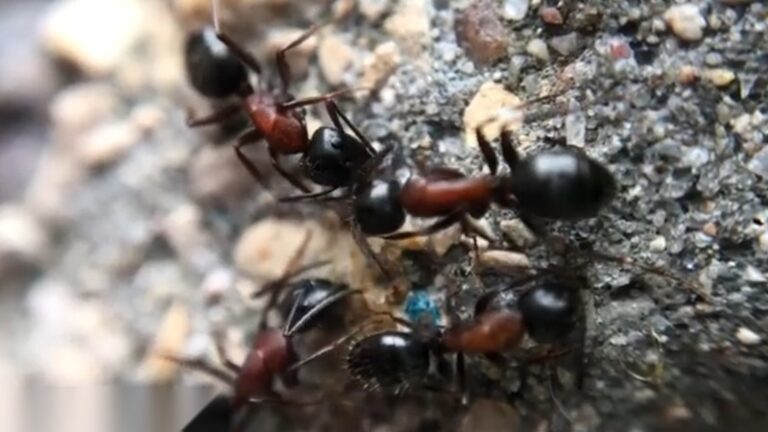
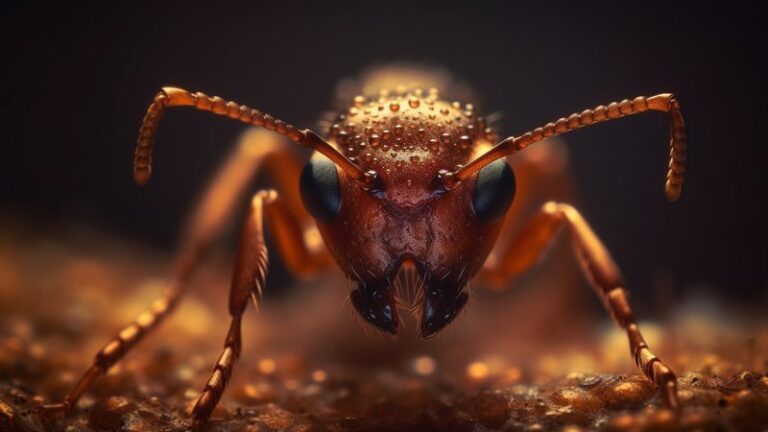
Spotting these insects starts with size. Measuring one-sixteenth to one-eighth inch, their shiny bodies show a jet-black color, plus a visible constriction separating thorax from abdomen entirely.
According to Texas A&M AgriLife Extension, watch behavior and habitat clues. They tunnel beneath rocks, favoring moist wall voids, chasing sugary substances and protein-rich insects, unlike wood-boring cousins leaving sawdust-like material.
Little Black Ant Vs Carpenter Ant

It’s easy to mistake these two for each other, yet a few defining traits set them clearly apart.
Little Black Ant
- Just 1/8 inch, slender and shiny black
- No structural damage to wood
- Nests in cracks, gaps, soil
Carpenter Ant
- Two to three times larger, dark-bodied
- Tunnel through wood, causing structural damage
- Presence often signals hidden moisture
If you’re unsure which invader you’re dealing with, an expert eye settles the question fast. According to the University of California IPM program, misidentification often delays proper treatment—so when the culprit looks oversized and aggressive, it may be worth reading up on Giant black ants to rule out a different, larger species entirely.
What Do Little Black Ants Eat?
These ants are remarkably adaptable feeders, shifting their diet based on whatever a given space offers. Their opportunistic habits mean they’ll exploit almost any accessible resource, from kitchen residue to garden secretions.
In most environments, they’re especially attracted to:
Sweet And Sugary Substances
They gravitate toward sugary substances, honeydew from aphids, and crumbs for fast energy.
Hidden Food Residue And Traces
Lingering spills and food debris tucked into cracks or under appliances draw steady foraging inside homes.
Greasy And Protein-Rich Alternatives
According to the University of California IPM program, they also seek greasy foods, meats, and pet food left in exposed bowls.
Moisture And Hydration Sources
Beyond food, reliable moisture is a critical survival need that keeps colonies anchored nearby. This pulls them toward sinks, drains, and damp bathrooms where water sources stay consistent.
Where Do Little Black Ants Come From?
Out in nature, these tiny insects build their nests in soil, under rocks, along bricks, and near home foundations where they stay hidden. Shifting warm months and shrinking water sources push them toward your entry points.
If you’re wondering what causes little black ants to suddenly show up, it often comes down to a few common reasons:
- Food and sugar residue
- Nearby moisture
- Cracks near foundations around doors, windows, and slab edges
According to the University of California’s IPM program, once a handful of scouts locate a reward, they lay chemical scent trails that guide the rest of the colony straight back.
Identifying Little Black Ant Activity In Your Home
Most people never catch the arrival of these ants in a single moment. Instead, awareness builds slowly, as scattered sightings across counters and corners quietly accumulate into a pattern too consistent to ignore any longer.
If you’re wondering whether you’re dealing with little black ants in your house, here are some of the most common signs:
Trails Of Ants In Kitchens And Bathrooms
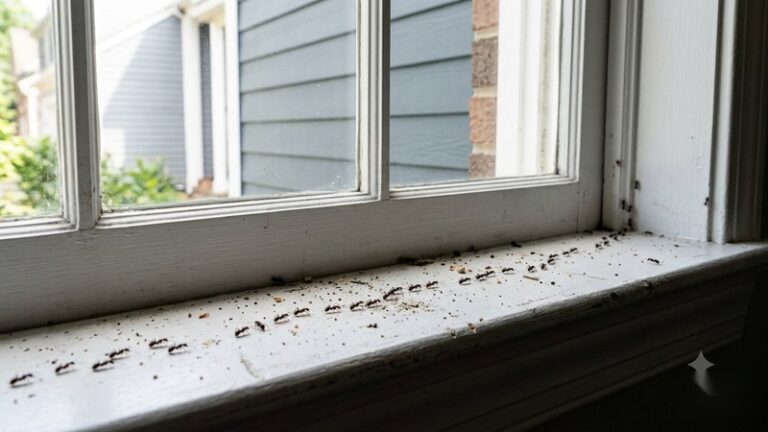
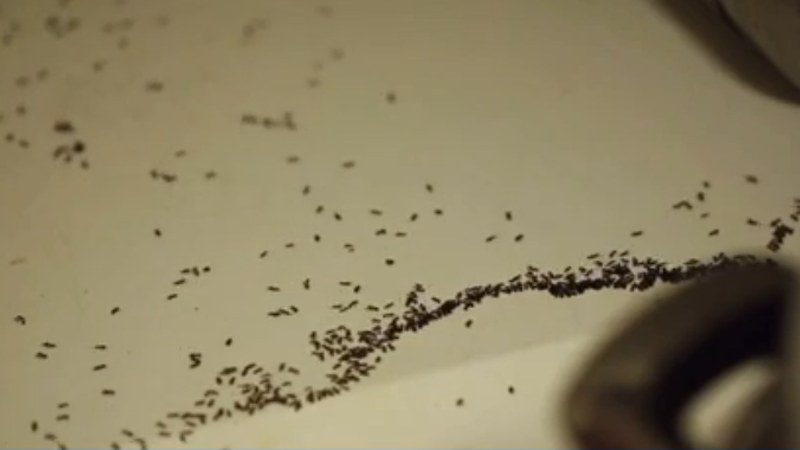
Watch for a thin, moving line hugging the edges of a room, tracing baseboards, sliding along doors, and slipping through narrow windows. What starts as a faint thread of movement steadily thickens into an obvious procession.
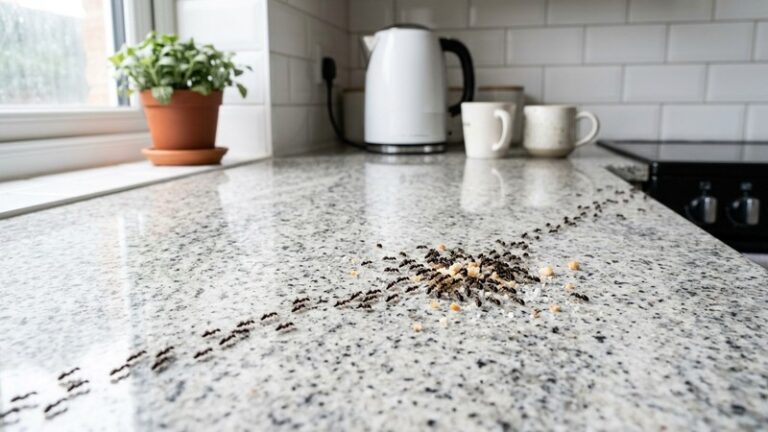
Certain rooms pull them in because everything they need sits within reach. In kitchens, they cluster near the food, chasing crumbs, spills, and sweet residue left behind on surfaces. Bathrooms deliver the other essential, drawing them toward moisture around fixtures, damp corners, and slow leaks near plumbing.
Spotting them across several rooms at once usually signals a reliable pairing of food and moisture somewhere close.
Ant Activity That Comes And Goes
Their presence rarely holds a steady rhythm, which makes the problem feel unpredictable and oddly inconsistent from one day to the next. You might see:
- Heavy traffic today, empty counters tomorrow
- Sudden clusters forming near a sink
- Routes shifting between different rooms overnight
According to the University of California IPM program, ants continually adjust their foraging paths whenever a food source shifts or dries up.
Why Infestations Can Be Hard To Spot At First
Their sheer smallness lets them slip past notice for weeks, blending into grout lines and shadowed edges until a few early scouts summon a far larger crew behind them. Cracks in walls become quiet highways.
Steady indoor traffic that never fully stops signals an adaptable colony has already settled somewhere within your homes and secured dependable water sources.
Nests & Colonies
Little black ant societies operate through multiple queens, a trait letting colonies expand rapidly across urban and suburban areas. These highly active insects favor warm environments, tucking themselves near foundations, beneath rocks, or inside forgotten debris outdoors.
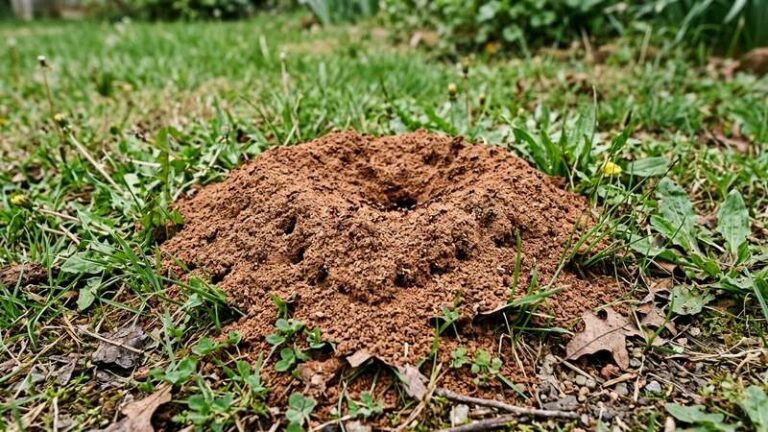
According to the University of California IPM program, nest outdoors locations often include rotting logs and soil craters marked by fine soil. Indoors, they exploit cracks, gaps, walls, and brick veneer, staying mostly out of sight while trailing silently.
How to Get Rid of Little Black Ants
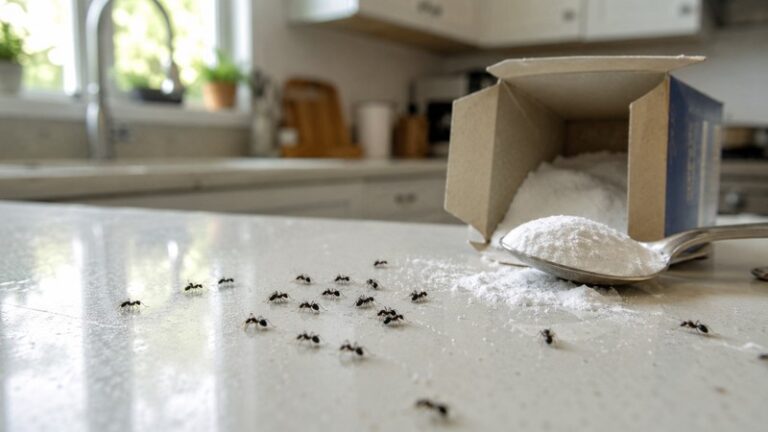
Eliminating tiny black ants requires far more than surface treatments, since spraying visible workers along counters never reaches the hidden colony driving the whole infestation. These quick fixes fail because they kill foraging stragglers while leaving scent trails intact, letting the nest keep recruiting replacements endlessly.
Effective little black ant control focuses on:
- Baiting the colony (workers carry poison home)
- Sealing entry points around foundations rather than spraying visibly
- Reducing moisture and food to discourage future nesting
According to the University of California IPM program, slow-acting baits outperform contact sprays because ants share the toxicant through the nest before dying. For persistent invasions, professional ant control services can locate concealed nests inside wall voids that DIY methods rarely reach.
Still Fighting Ants?
Get rid of ants for good — book your free inspection.
Fast, no-obligation quote from trusted local pest control pros.
Why Do Ants Bite?
Ants rarely attack without cause. Most bites happen when they feel threatened, defending their nest or colony from perceived danger. According to entomologists, this defensive behavior is instinctive—a survival response protecting queens, workers, and eggs from intruders.
Types of Ants That Bite
- Fire ant colonies are among the most aggressive when disturbed, and a single little black ant wandering nearby rarely provokes the same reaction. Their painful grip releases formic acid-adjacent toxins that trigger burning, followed by tight clusters of white pustules across exposed skin.
- Harvester ant workers deliver an intense sting far worse than most bites, injecting toxins that spread quickly. Sensitive individuals sometimes experience severe reactions requiring medical attention. The affected area often shows large red welts within minutes.
- Carpenter ant individuals defend nests fiercely, snapping skin with powerful jaws when cornered. Though not venomous, their pinch leaves lingering soreness. Homeowners frequently notice bites while clearing wood where these insects tunnel silently indoors.
- Field ant encounters happen mostly outdoors near gardens, where these insects spray irritants defensively. A quick nip produces red swollen bites that throb briefly. Most people recover without treatment, though discomfort lingers awhile.
- Citronella ants bite only when handled directly, releasing a lemony odor as warning. Their mild irritation fades fast, leaving faint red spots. Gardeners occasionally disturb them beneath patio stones during warmer months.
- Pavement ants nip when their trails are crossed, producing scattered small red spots rather than serious wounds. The sensation registers as minor itching more than genuine pain.
- Argentine ants rarely commit to biting, but crowded infestations increase the odds of contact. Any resulting swelling stays localized, and reactions almost never escalate beyond temporary redness.
Symptoms Of Ant Bites
Most encounters with tiny black ants leave behind redness, a faint swelling, some localized itching, and occasional mild swelling that fades within hours.
While the majority of these painful bites stay trivial, certain types provoke sharper trouble; carpenter ants can deliver intense pain through their strong mandibles, and sensitive skin sometimes flares into allergic reactions without warning.
- Fire Ant Stings: expect white pustules, throbbing burning, and clustered red itchy bumps that linger for days.
- Pavement Ants: typically cause minor irritation and light itching rather than any lasting harm.
- Argentine Ants: rarely bite, yet their sheer colonies create real household frustration.
- Field Ants: inject formic acid, producing a distinct burning sensation across exposed skin.
- Carpenter Ants: clamp firmly, leaving redness, mild irritation, and noticeable grip marks.
According to the Mayo Clinic, monitoring reactions is wise, and if breathing changes appear, seek medical attention.
Are Ant Bites Dangerous?
They are seldom dangerous, since most mild bites register as an unsanitary nuisance rather than a genuine health threat. The body clears the minor itching quickly. Still, food contamination near kitchens and pantries poses the quieter, longer-term concern here.
Watch closely when venom enters the picture: warning signs include difficulty breathing, swelling, dizziness, and nausea. Should these surface after any sting, treat it as an emergency.
How To Prevent Ant Bites
Careful habits keep foraging ants away from humans.
- Stay alert near active nest sites and avoid disturbing threatened colonies that protect their threats.
- Cover skin with long sleeves and gloves whenever you capture prey or garden outdoors.
- Wipe spills promptly and apply repellents to interrupt their foraging behavior indoors.
How To Treat Ant Bites
- Rinse the bite with soap and water to lower infection risk from any intruder insect.
- Press a cold pack against the swelling to calm burning and dull the discomfort.
- Dab anti-itch cream to ease irritation, red itchy bumps, and stubborn white pustules.
- Resist scratching, since broken skin invites serious reactions and deeper redness over time.
FAQs
Why Do Little Black Ants Keep Coming Back?
Persistent returns usually trace back to reliable food sources and untouched moisture. According to Ohio State University Extension, colonies establish defined trails through the tiniest gaps, so sealing entry points alone rarely stops the steady march indoors.
These insects follow scent trails their foraging scouts leave behind, guiding large colonies straight to crumbs and spills. Until you disrupt those chemical pathways and eliminate shelter, fresh waves keep exploiting the same gaps repeatedly.
What Happens If A Tiny Black Ant Bites You?
According to pest experts, a bite from these ants usually causes minor itching rather than pain. Their mild bites rarely break skin, though frustrating as they forage through kitchens and pantries, occasionally triggering food contamination concerns during any harmful encounter indoors.
What Are The Tiniest Black Ants Called?
Entomologists identify these glossy black exoskeleton insects as little ants, roughly 1.5 to 2 mm or one-sixteenth inch. Their slender bodies, 12-segmented antennae, two nodes, and highly active trailing behavior across cracks distinguish this small ant species throughout the United States.
How To Get Rid Of Little Black Biting Ants?
University extension programs suggest baiting works better than surface sprays. Wipe counters, seal cracks near doors and windows, remove moisture sources, store food in airtight containers, and disrupt scent trails using vinegar. For stubborn nests, targeted treatments with proper nest identification ensure lasting prevention.
Are Tiny Black Ants Harmful?
Research confirms bites are not common and generally mild, causing brief discomfort without a real sting. Still, this nuisance remains a frustrating problem since colonies forage widely, raising food contamination risks near kitchens where they scavenge, though rarely truly harmful.