What Do Carpenter Ants Eat? (Not Wood!)
Quick answer
Carpenter ants are opportunistic feeders drawn to something sweet and rich protein. Despite the misleading name, they do not eat wood—they only tunnel through it for nesting.
Their preferred targets include the following:
- Sugary Substances: They crave honeydew, the aphid excrement left by plant-dwelling insects, plus honey, syrup, sugar, and jelly. This attraction to sweet liquid drives much foraging activity.
- Living Prey and Scavenged Finds: Colonies consume both living and dead insects, targeting aphids, scale insects, and other dead insects as a reliable protein source for the growing colony.
- Plant-Based Nourishment: Outside, they sip the juices of plants and fruit, harvesting energy while workers travel to the nest to feed other ants, including the queen.
- Household Scraps: Moving indoors, they raid pet food, meats, fat, and sweets, thriving within inside environments where protein grease lingers near counters.
Ask any homeowner and they’ll picture carpenter ants chewing through building timber, yet that misleading name deceives everyone. These workers never eat wood—they simply excavate galleries for nesting, a distinction worth understanding early.
What actually fuels a colony? According to Texas A&M AgriLife Extension, their diet splits between protein and something sweet. Foraging living and dead insects supply one need; honeydew from aphids delivers the sweet liquid they crave constantly.
Preferred Food Sources

According to Texas A&M AgriLife Extension, carpenter ants are surprisingly versatile eaters. They chase protein and sugars alike, following invisible scent trails back to reliable food sources. Outdoors, they milk honeydew from aphids; indoors, they raid kitchens for grease and sweets. Interestingly, worker ants haul nourishment across long distances, sometimes traveling 300 feet from the nest nightly.
How to Identify Carpenter Ants
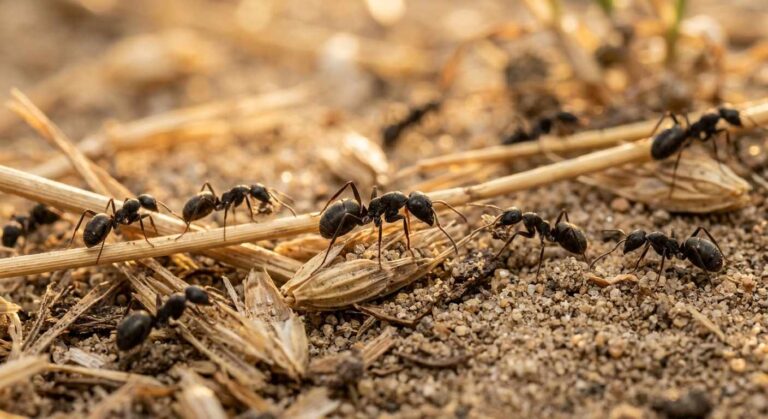
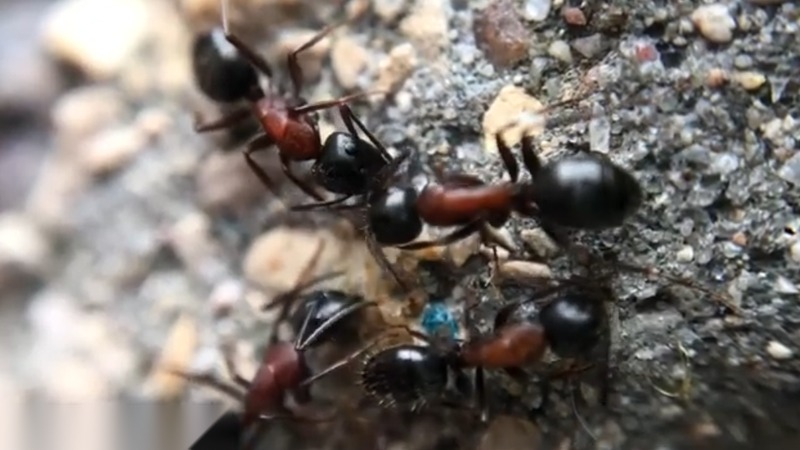
You’ll spot large black ants measuring roughly half an inch, though worker ants vary in size within one colony. According to Texas A&M AgriLife Extension, watch for winged ants indoors, coarse sawdust piles, and 20 or more foragers taking a direct route.
Life Cycle
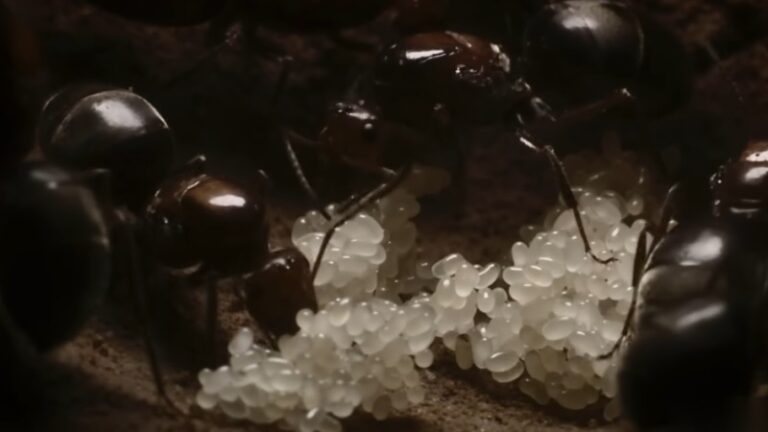
According to the University of Kentucky’s entomology extension, colony development starts with reproductive males and winged queens taking flight during late spring and early summer. After they mate, the fertilized female sheds her wings and searches for a hidden cavity to start a new nest. Her earliest workers emerge notably smaller than those a mature colony later produces.
Those pioneer females raise successive broods, and over seasons a mature colony produces both major and minor workers that differ sharply in stature. The reigning queen, sometimes measuring one inch long, anchors reproduction while smaller castes forage. Interestingly, size is not a reliable age marker, since workers vary in size throughout the colony.
Where Do Carpenter Ants Nest?
Unlike termites, carpenter ants do not eat wood — they excavate it. According to Texas A&M AgriLife Extension, these insects seek out dampness and rot, targeting structural wood softened by wood getting wet. A slow leak near windows, doors, or hidden voids in walls creates easy to excavate conditions, letting colonies construct nests deep inside your homes.
Their galleries and tunnels stay remarkably clean — smooth, well-sanded appearance, no sawdust or debris left behind. This becomes a chronic problem when moisture lingers; fix the leak and you disrupt them. The longer colony present, the greater damage occurs, slowly over years, until structural wood weakened turns severe. Watch for ant-related structural damage.
Carpenter Ants in Your Home
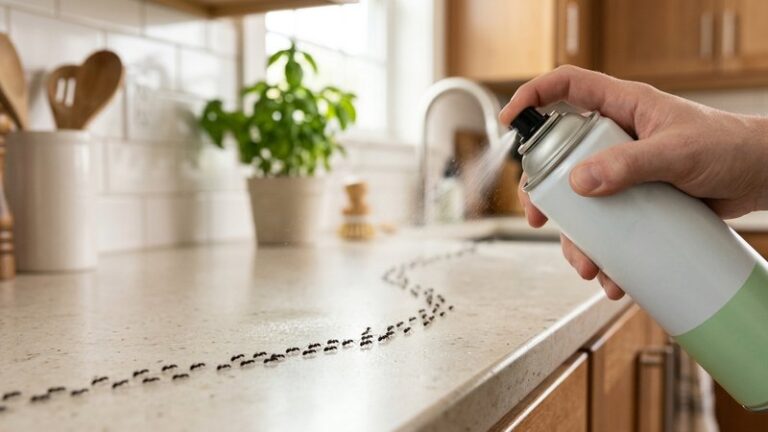
According to Texas A&M AgriLife Extension, spotting foraging ants as they wander across your kitchen counter isn’t always proof of a nest nearby. These large black ants often travel from a building exterior, following invisible trails. Watching worker ants move through your home reveals whether wood shavings signal a deeper problem than casual visitors.
To confirm suspicions, place sweet bait like honey or jelly on a jar lid, roughly a tablespoon, then follow the ants back toward their source. Frass resembling sawdust-like shavings near basements, attics, or closets suggests moist wood hides an infestation. Winged ants that emerge indoors often mean colonies have settled within wooden items.
What To Do If You Think You Have Carpenter Ants
You’ve spotted the warning signs, so here’s how to confirm the problem before it spreads:
- Faint dry rustling sound coming from inside wall voids, ceilings, or subfloors when the wood is disturbed.
- Live ants following a trail along electrical lines or water pipes, especially near moisture-damaged wood.
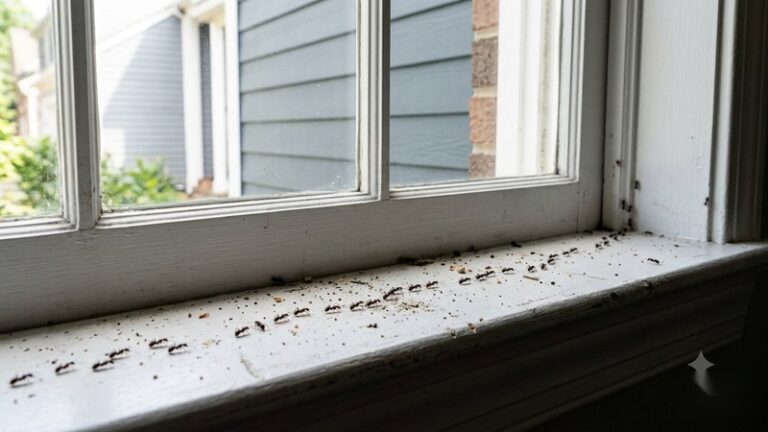
- Small piles of colony debris — sawdust, insect parts, and pupal casings — beneath a window sill or door sill.
To pin down where they’re living, watch the worker ants after sunset into midnight during spring or summer, since these ants feed at night. Use a flashlight covered with red film, which won’t scatter them, and offer tuna packed in water as bait to trace the pheromone trail back toward the main nest or hidden satellite nests tucked into shady places.
According to Texas A&M AgriLife Extension, correctly locating the colony matters more than random spraying. Inspect adjacent areas and map suspected entrances, then contact a licensed professional matching service to treat the nest sites and excavate any concealed hollow area properly.
Prevention
Smart exclusion starts before ants arrive. According to Texas A&M AgriLife Extension, addressing moisture problems matters most—fix leaks, improve ventilation, and insulate pipes to deny damp spaces. Store firewood away from foundation walls, trim overhanging branches, and replace decayed wood promptly. Keep food in closed containers, practice sanitation, and monitor wall voids where hidden nests quietly develop unnoticed.
Eliminating the Nest
Once you’ve pinpointed where the colony hides, delay isn’t an option. Since no nontoxic fix exists, most homeowners bring in a pest management professional for safe treatment. According to Texas A&M AgriLife Extension, licensed applicators carry proven expertise to locate and neutralize a carpenter ant infestation correctly.
Before signing any contract, ask a few pointed questions and gather two or more estimates for comparison.
- Are they licensed in your state? Verify credentials before work begins. In Texas, applicators must carry proof of licensing on-site during any pesticide application, so request their license number and confirm it matches state records.
- Will they find the nest first? A reputable technician won’t spray blindly. Ask whether inspecting properties to pinpoint nests comes before any chemical work, ensuring product hits the actual satellite nests rather than random surfaces.
- What chemicals get used, and how safely? Request written warning labels for products like Termidor or Talstar. Good technicians explain risks to people and pets, plus where and when insecticides or baiting techniques get applied.
- Do they guarantee results? A solid warranty signals confidence. Ask how long coverage lasts, whether follow-up sealing, screening, or specialized equipment work is included, and what happens if ants return afterward.
Still Fighting Ants?
Get rid of ants for good — book your free inspection.
Fast, no-obligation quote from trusted local pest control pros.
Carpenter Ants During Spring
When spring arrives, colonies wake hungry after months of restraint. According to Texas A&M AgriLife Extension, foraging surges as workers leave satellite nests, traveling nearly 100 yards from the main nest toward reliable water and insects.
Warmer nights matter here. Between sunset and midnight, foragers stream through tunnels, hunting dead insects across houses and yards. Their appetite peaks now, driven by brood demand rather than any winter lack of food endured earlier.
Interestingly, these carpenter ants survive extreme scarcity—roughly six months without food—yet spring changes everything. Renewed activity outdoors means homeowners spot trails inside, prompting some to deploy ant baits near documented entry corridors.
Carpenter Ants During Winter
According to entomologists at Texas A&M, carpenter ants become largely inactive when cold arrives. Inside your building, however, a nest hidden within warm wood may stay quietly active, undetected through the coldest stretch.
Colonies typically overwinter deep inside moist wood, where workers cluster around the queen. Their metabolism slows dramatically, so forage trips nearly stop, letting the colony conserve stored energy until warmer conditions gradually return again.
Spotting winged males or females crawling indoors during frigid months is a sure sign an established indoor nest exists nearby. Cold-season activity means they never left, suggesting nesting sites tucked within your walls.
How To Find Carpenter Ant Nests
Locating a hidden colony is the hardest part of any treatment, because the insects burrow deep into structures and stay out of sight. Patient observation, particularly after dark when foragers travel their direct route, gives you the clearest window into where they live.
- Grab strong flashlights and follow moving workers back along their trail toward the entrance.
- Watch quiet corners at night; a mirror helps you peek behind fixtures and framing.
According to the University of Kentucky Entomology department, tracking foraging workers with strategic food placement reveals nest direction faster than random searching does across a property.
- Set protein-rich items like tinned tuna or moist pet food near active trails, then trail the loaded ants back home patiently.
- Because a food source draws steady traffic, note which walls, doors, or holes the returning workers repeatedly disappear into.
- Slow movement matters; watch each more than one ant carrying larvae or crumbs, since heavy loads signal a nearby queen.
A dab of honey or sugar water pulls sweet-feeding scouts into the open too.
Other signs that indicate a carpenter ant nest is present:
- Small piles of sawdust-like insect droppings beneath voids.
- Rustling activity near crevices and baseboards.
- Repeated worker sightings indoors after dusk.
Inspect any spot where dampness lingers, since these ants strongly prefer softened, weakened timber for excavating their galleries.
- Check wall voids behind plumbing where slow leaks feed moisture-damaged wood near tubs and sinks.
- Examine shady places under porches, decks, and low crawlspaces that rarely dry out.
- Probe dark places around water pipes and electrical lines, common highways into satellite nests.
Professionals often confirm suspicions using moisture meters to pinpoint the exact damp zones ants favor.
Listen for sounds that may indicate a nest:
- Press your ear to suspect walls; a large colony produces a faint, dry rustling like crinkling cellophane when disturbed.
- Tap the exterior surface, then listen for that papery movement echoing from hollowed interior timber below.
Experts sometimes use stethoscopes or listening devices to detect these subtle colony vibrations.
Remember, finding one nest rarely means you are done; satellite colonies often hide nearby.
Control In Trees
According to Texas A&M AgriLife Extension, controlling carpenter ants in trees begins by identifying satellite nests versus parent colonies. Inspecting tree stumps, tree roots, and decaying wood helps you locate the true infestation source before treatment.
Professionals often treat affected trees, stumps, and roots using diatomaceous earth or boric acid around active zones. A licensed pesticide control expert can destroy the nest efficiently, applying slow-acting poison like Fipronil carefully.
What To Expect From A Pest Management Service
According to the professional teams at university extension programs, your first visit centers on inspection. Expect them to locate the infestation, confirm presence, and map entrances. They’ll monitor satellite nests, provide honest estimates, review the warning label on chemicals, and discuss any guarantee.
Sample for Pest
Confirming a genuine carpenter ant activity matters before you act; a single stray insect rarely signals a colony. Check adjacent indoor and outdoor zones, watch for one or two carpenter ants, and stay ahead of entry points near your foundation.
Where to find it while inspecting: Grab a flashlight and scan after dark, since these ants forage at night. Trace trail lines across windowsills, probe wall voids and damp wood, and listen for faint rustling inside hollow wood structures.
Determine Threshold
Record the date when pests first noted around perimeter areas.
Choosing the right tactic demands patience before success arrives eventually.
According to Texas A&M AgriLife Extension, a tactic used correctly matters most.
Whether treatment proves successful depends on consistent monitoring efforts throughout.
Evaluate
According to Texas A&M AgriLife Extension, carpenter ants don’t consume wood; they only excavate it. What they actually eat shifts across summer months, ranging from protein-rich insects to sweet honeydew. Surprisingly, colony stress can even trigger cannibalism among developing brood inside nests.
FAQs
What Is Carpenter Ants’ Favorite Food?
Forget the myth that these insects devour timber. According to Texas A&M AgriLife Extension, they actually forage for sweets and protein. Their true preferred food sources include honeydew, other insects, and sugary spills—never the wood they merely tunnel through while excavating shelter.
How Do You Find A Carpenter Ant Nest?
Patience beats guessing here. Observe worker ants near a direct route at sunset toward midnight during spring or summer, using red light through a red film. Bait a dry, quiet corner with tuna packed in water; a faint rustling sound signals a hidden nest.
Why Shouldn’t We Squish Ants?
Crushing a lone forager rarely solves anything and can worsen your situation. According to the NPMA, squished ants release alarm pheromones, scattering the colony deeper into satellite nests. Smart control targets the parent colony through bait they forage, not scattered workers.
What Do Carpenter Ants Hate The Most?
Dryness is their nemesis. Eliminate moisture, fix standing water, and improve air circulation to make high moisture conditions vanish. According to UC IPM, treating decayed wood and applying silica or Borax near plumbing and firewood discourages nesting far better than random killing.