Ants in Kitchen Sink? How to Get Rid of Them Fast
- •
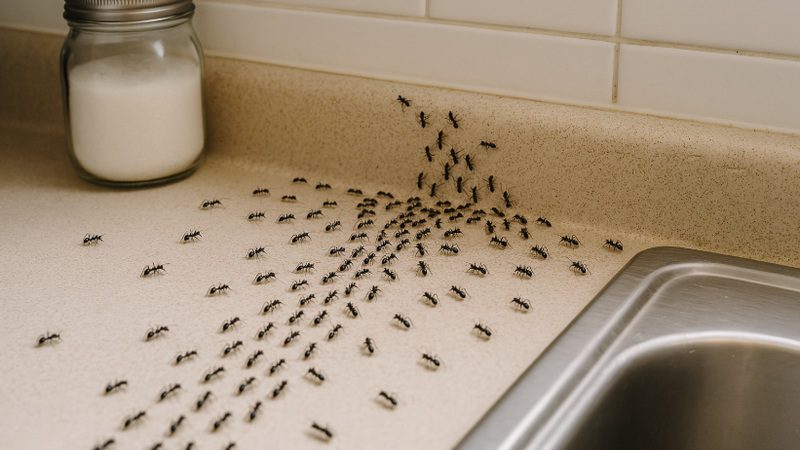
Persistent ants target the kitchen sink because moisture, standing water, and lingering food residue create an irresistible water source and survival hotspot. - •
Immediately scrub the drain, wipe down sinks, and pour boiling water to destroy scent trails and disrupt the pheromones guiding workers inside. - •
Long-term, practice the Kitchen Sink Rule nightly—keep basins dry, clean, and free of damp sponges—to deny colony access permanently.
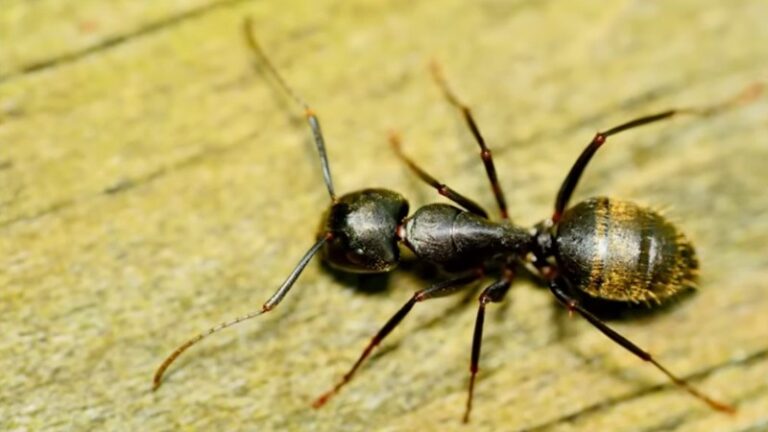
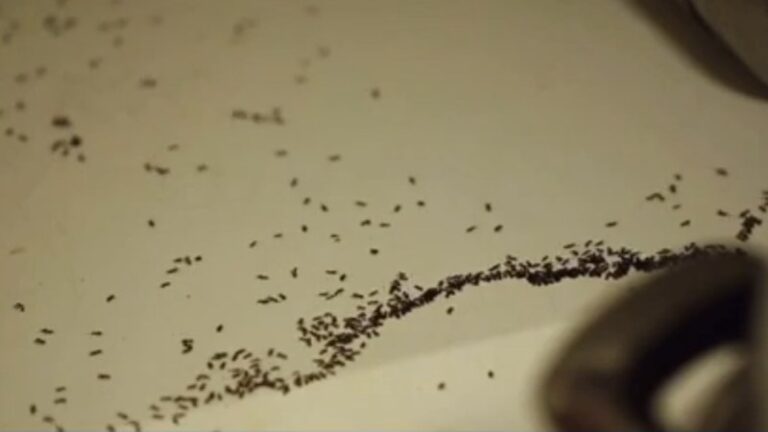
Anyone who’s dealt with persistent pests knows the frustration: you spot tiny black ants marching across your bathroom sinks, and suddenly your home feels under siege by determined invaders seeking surviveal indoors.
According to entomologists, moisture is the real culprit here. These home invaders trace condensation and leaky pipes toward hidden water sources, making your kitchen and sink irresistible targets for a growing colony.
Why Ants Are in Your Kitchen
According to entomologists at Texas A&M AgriLife, ants invade primarily hunting a food source. Your kitchen becomes a magnet when spills, crumbs, and grease linger on countertops or near the sink. These intruders follow scent trails toward accessible snacks and food debris left after cooking.
Clean the Kitchen
According to Texas A&M AgriLife, wiping every surface clears the food residue and grease that lures colonies inside. Scrub countertops, sweep crumbs, and mop sticky spots nightly. Disinfecting wipes erase invisible pheromone trails, so scouts lose the scent guiding fellow foragers back.
Eliminate Moisture
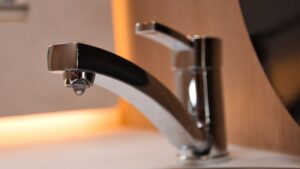
According to entomologist observations, most kitchen invasions trace back to a single overlooked culprit: dampness. A leaky faucet dripping into your sink, or standing water pooling near drain openings, quietly signals tiny ants that a reliable water source exists nearby, drawing scouts inward.
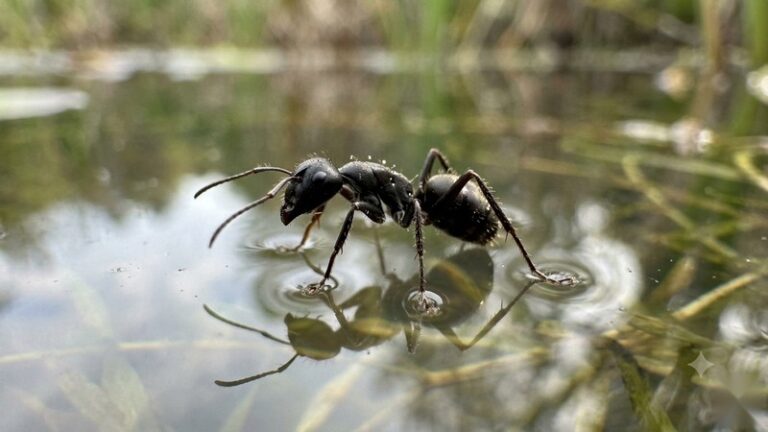
Fix plumbing leaks promptly, dry counters after washing dishes, and address moisture-damaged wood around cabinets. Since ants can effectively swim across thin films, eliminating soap residue and spills removes the moist, dark environments these pests actively seek out.
Store Food Properly (Airtight Containers)
According to entomologists, denying ants consistent food sources is the smartest defense. Store dry pantry staples inside airtight containers, since even faint traces of contaminated food or scattered residues invite persistent foraging trails toward your kitchen.
Beyond dry goods, remember that eating areas breed trouble too. Wipe down counters, promptly wash dishes, and never leave crumbs lingering. Sealing everything tightly starves colonies, preventing a full pantry infestation while keeping surfaces genuinely clean and unappealing.
Seal Entry Points
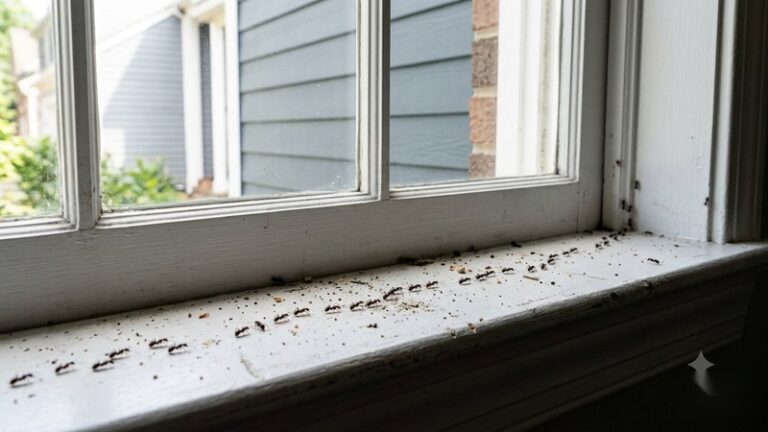
- Ants find cracks and gaps near entry points, sliding through peeling tile grout, worn caulk, and window frame edges effortlessly. Ants in window frame appear quickly.
- Sealing structural weaknesses blocks tiny ants from your kitchen; caulk plumbing penetrations, patch holes, and close access point routes near appliances.
Use Natural Deterrents & Scents
According to Texas A&M AgriLife Extension, scent disruption works remarkably well against kitchen ants. Strong smells overwhelm their ant trail navigation, breaking the chemical trails guiding them toward your sink. Peppermint, vinegar, and citrus confuse foraging workers, deterring the colony naturally.
Use Ant Baits
- Effective ant pest control relies on strategic ant baits placed near entry points, letting foraging workers carry poison back to the colony.
- According to Texas A&M AgriLife, eliminate the nest completely; professional intervention ensures persistent ants and future infestations stop, preventing structural damage.
When To Call A Pest Control Professional
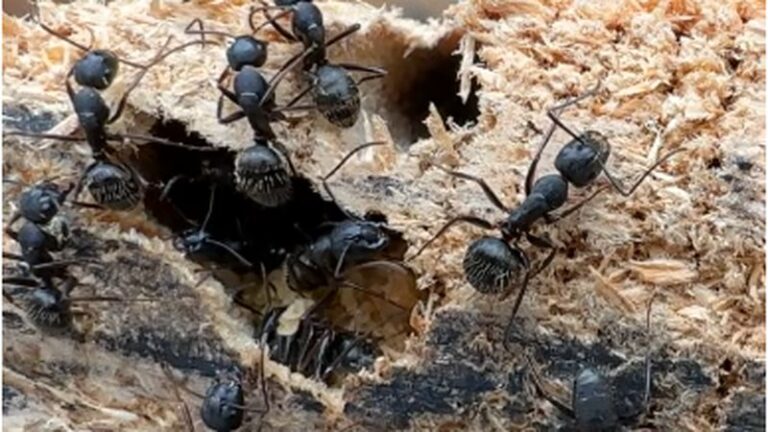
According to entomologist guidance, some infestation signs demand experts. When tiny ants keep returning despite your efforts, hidden outdoor nests or deep colony activity inside walls and appliances likely persist. Professionals locate the source, treating structural weaknesses homeowners simply cannot reach effectively.
Check Houseplants for Pests
According to horticultural experts, overwatered houseplants become hidden moisture-rich havens where tiny ants thrive undetected. Inspect damp soil, cracks, and drain openings near pots. These entry points invite colony expansion toward your kitchen sink, so early search and treatment stops pests before infestation.
Do Not Use Spray Repellents Or Poisons
According to entomologists, spray repellents often scatter a colony rather than eliminating it, splitting ant trails into hidden nesting routes deeper indoors. Reactive poison disrupts the ant colony structure, triggering budding—so visible ants multiply, and kitchen ants return faster near the sink.
Regular Dusting & Vacuuming
According to pest control specialists, ants navigate homes by following invisible chemical trails their soldiers leave behind. Consistent vacuuming disrupts these route markers near the kitchen, stripping away food particles and soap residue that quietly guide colonies straight toward your sink.
Dust settling on baseboards, shelves, and corners hides food traces and debris these pests crave. Frequent sweeping across floors and surfaces removes residue, discouraging ant traffic while eliminating the standing water droplets and crumbs that transform quiet cabinets into busy foraging highways.
Maintain Outdoor Areas
According to Texas A&M AgriLife Extension, an outdoor colony near your foundation frequently becomes the hidden source, since landscaping and mulch stacked against walls create sheltered nesting zones that quietly feed ant trails marching indoors.
Trim shrubs, branches, and vegetation touching siding, because these act as living bridges letting pests bypass sealed entry points. Clearing debris, relocating firewood, and grading soil away redirects foraging workers before they reach your kitchen.
Regularly Take Out the Trash
- Ants forage relentlessly toward residual food lurking in dirty dishes near your kitchen sink; consistent removal disrupts their persistent scent-tracking pathways.
- Lingering crumbs across the floor or countertop broadcast an invisible scent trail, guiding ants straight into your living space overnight.
- Emptying your home bins frequently, combined with routine dust removal and vacuum passes, eliminates the residue that sustains foraging colonies.
FAQs
What Kills Ants In Sink Drains?
A simple borax mixture works wonders. Combine 1 part borax, 1 part sugar, and 2 parts water, soak cotton balls, and place near the ant trail. Foragers carry this poison back, wiping out the entire colony within 48 hours naturally.
How Do I Permanently Get Rid Of Ants In My Kitchen?
Permanent control demands sealing every entry point. According to entomologist guidance, apply silicone sealant across crevices, gaps, and baseboards near sinks. Pair this preventative measure with peppermint oil deterrents, then eliminate standing water feeding hidden drain ants.
Why Do I Suddenly Have Ants In My Kitchen?
Sudden invasions often trace to leaky plumbing or clogged drains creating moist, dark environments. New homeowners unpacking after renovations disturb hidden nests. Small black ants exploit food particles, soap residue, and unwashed dishes for easy access and drink.