House Spider vs Brown Recluse: 7 Key Differences
Quick Answer
- Brown recluse carries a violin-shaped marking; common house spiders show variable patterns instead.
- Six eyes in three pairs signal a brown recluse.
- House spiders spin messy webs in corners.
- Brown recluse bite turns medically significant; house spider bites stay harmless.
- Identification tips plus habitat clues sharpen safe pest identification fast.
According to the University of California IPM program, the violin mark alone isn’t foolproof, so pairing eye-count with web style gives homeowners a far more reliable read.
Telling a brown recluse from a common house spider matters for home safe living. According to pest experts, one carries potential danger while the other stays largely harmless. Learning their unique traits—from a violin-shaped marking to messy tangled webs—helps you manage spiders and control pests confidently.
Identifying The Brown Recluse Spider
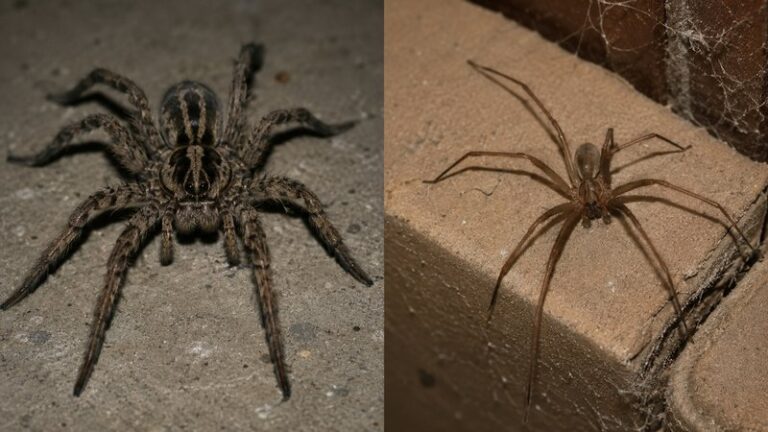
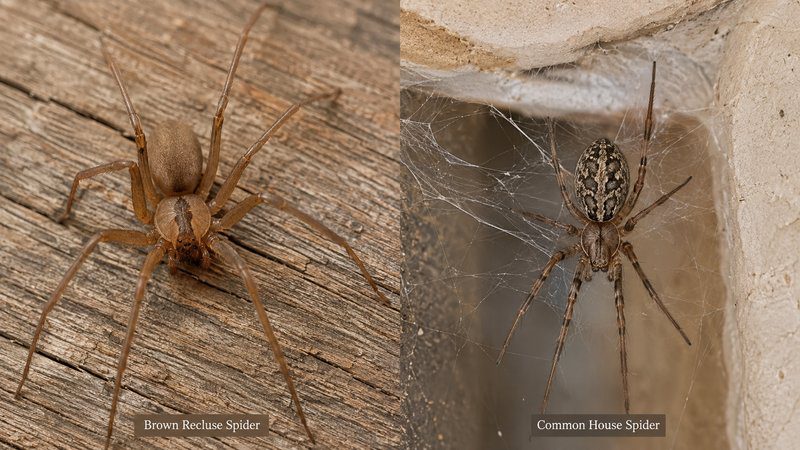
The brown recluse carries a standout feature: a dark violin shape on its back. According to the University of Kentucky Entomology department, this violin-shaped marking appears patterned yet subtle, ranging from plain tan to brown, making careful visual differences worth studying before drawing conclusions.
Truly elusive, this nocturnal creature stays hidden within undisturbed areas, choosing to hunt at night rather than use webs to catch prey. Experts recommend you observe from a distance, shining a flashlight into dark corners and crevices while you avoid direct contact.
Identifying the Common House Spider
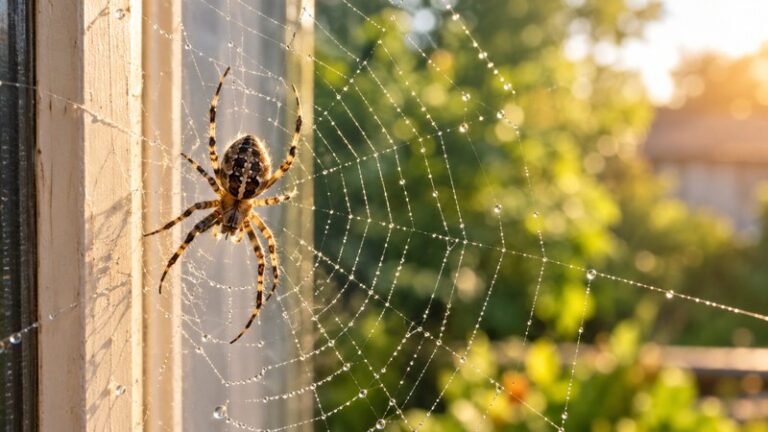
According to the University of California’s IPM program, most common house spiders you’ll notice indoors are genuinely harmless. These are the house spiders responsible for those visible messy webs strung across corners, and they stay active during the day, unlike their reclusive counterparts hiding in shadows.
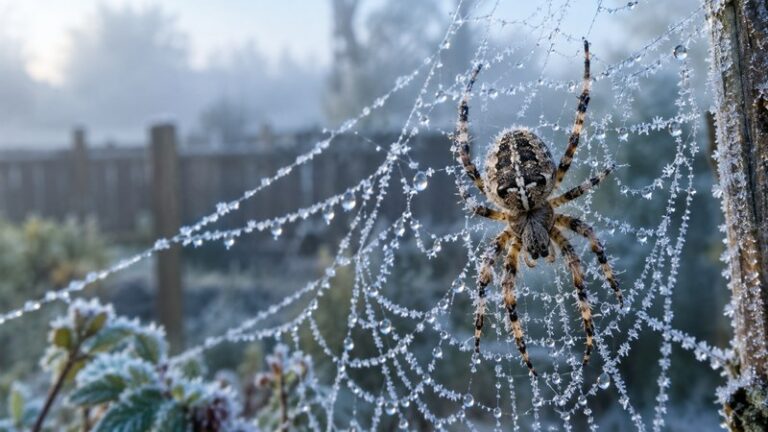
Their traits stand apart clearly. Typically smaller with varied colors, these spiders build messy tangled webs rather than lurking silently. Pest experts note that careful handling paired with recognizing these behavioral differences helps homeowners avoid confusing them with a genuine look-alike threat.
The Difference Between House Spiders And Brown Recluses (Visual & Behavioral)
Telling these two apart starts with the eyes. According to the University of California IPM, a brown recluse carries six eyes arranged in three pairs, while common house spiders show eight eyes. That violin-shaped marking on the cephalothorax confirms a medically significant encounter versus a largely harmless guest.
Behavior seals the identification. A brown recluse stays reclusive, weaving irregular webs kept low to the ground in dark secluded areas, and turns non-aggressive unless trapped against skin. The house spider lingers close to its web, spinning messy tangled cobwebs across corners, passive and unlikely to bite.
Habitat Preferences

According to the University of Kentucky Entomology, brown recluse spiders favor quiet, dry, undisturbed places like basements, attics, and closets. They tuck into cardboard boxes, settle under furniture, and hide within shoes, clothing, or against the floor. Being nocturnal, these reclusive hunters stay active at night.
The common house spider claims different territory, stringing messy tangled cobwebs across undisturbed corners, window frames, garages, and ceilings. It lingers close to its web near baseboards where insects gather. Preferring quiet areas indoors, this spider readily adapts to kitchens, living rooms, and environments offering food sources.
Health Risks And Bite Symptoms
According to the University of Nebraska–Lincoln entomology department, most spider encounters cause little concern, yet a brown recluse demands caution. Its bites can trigger severe reactions, though symptoms may not surface immediately, quietly progressing beneath the skin over hours.
When someone is bitten, initial pain stays mild, but itching and swelling often follow. In rarer cases, skin necrosis develops. Cleaning the affected zone with soap and water, applying a cool compress, then seeking medical help if things worsen remains wisest.
Seeing Spiders at Home?
Get rid of spiders for good — book your free inspection.
Fast, no-obligation quote from trusted local pest control pros.
Safety Tips For Dealing With Spiders
Keeping your home free of spider activity starts with smart habits. Reduce clutter in storage areas, and always shake out items like shoes, clothing, and boxes before use. Seal gaps around windows and doors, since sealing entry points discourages spiders indoors.
According to the University of California IPM program, trim vegetation near your foundation and clear wood piles and debris that shelter insects. Natural repellents such as peppermint oil help discourage activity in corners. Adding door sweeps to exterior doors and repairing torn window screens offers long-term solutions.
Prevention Tips
Keeping these arachnids out starts with denying them entry and appeal. A few consistent habits around your property dramatically lower the odds of unwanted eight-legged guests settling in.
Carefully seal cracks and gaps around windows, doors, and utility lines so spiders enter your living spaces far less often.
Reduce clutter in storage areas, basements, and attics, since stacked boxes and dark spaces invite hidden nesting.
Deploy natural repellents like essential oils, plus sticky traps for ongoing monitoring of activity.
According to the EPA, consistent moisture control and wood piles kept away from walls deter spiders effectively. For stubborn cases, professional spider control restores lasting peace of mind.
When To Call Professional Pest Control
When you spot multiple spiders, scattered egg sacs, or persistent webs, that’s a significant infestation demanding professional pest control. According to the EPA, licensed technicians provide safe treatment and effective treatment that store-bought sprays rarely match, especially where brown recluse populations quietly establish themselves indoors.
Signs Of An Infestation
Spotting trouble early matters. When you notice multiple spiders appearing across rooms, alongside egg sacs tucked into corners, that signals more than a passing visitor. According to the University of Kentucky Entomology department, clustered webs near baseboards often indicate breeding activity rather than isolated wanderers passing through your living space.
Frequent spider activity during daytime hours deserves attention, since most species stay hidden then. Recurring sightings near hiding areas, closets, or storage zones suggest an established population. At this stage, arranging professional pest control ensures safe treatment and effective treatment, addressing conditions before spiders coming back becomes routine.
Increase Your Safety by Knowing the Difference
Most homeowners assume every eight-legged visitor poses a threat, yet the difference between a harmless house spider and a brown recluse shapes your entire safety response. According to Texas A&M AgriLife Extension, careful identification of visual traits like the violin-shaped marking prevents unnecessary panic and misdirected effort. Homeowners weighing a wolf spider vs brown recluse often overlook these subtle cues entirely.
Start with behavioral traits before size. A common house spider stays visible during the day, spinning irregular messy webs in quiet areas, while a brown recluse hides in dark secluded areas like cardboard boxes. Knowing this difference at a glance protects your home and your family.
What Are The Key Differences Between Brown Recluse Spiders And Common House Spiders?
The brown recluse carries a medically significant bite, while common house spiders are largely harmless. Look at eyes: recluses have six eyes in three pairs, not eight eyes. Their violin-shaped marking, smooth unhairy appearance, and long slender legs separate them from mottled, hairy build house spiders spinning messy tangled webs.
What Should I Do If I Suspect A Brown Recluse Spider Bite?
If a painful lesion or blister forms, clean the area gently with soap and water, then seek medical advice promptly. According to the Mayo Clinic, reactions vary widely, and symptoms worsen in children, older adults, or those with compromised health. Watch for a larger sore requiring professional evaluation and appropriate action.
How Can I Prevent Spider Infestations In My Home?
To make spaces less attractive to spiders, start by decluttering garages, basements, and closets where dark undisturbed spots invite them. Store items off the floor, apply caulk and weather stripping to utility entry points, seal cracks, and clear thick ground cover near foundations outside.
When Should I Call Professional Pest Control For A Spider Infestation?
Spotting a medically significant spider like a brown recluse or black widow warrants immediate action. A qualified professional or expert can confirm identification, since misidentification is common. According to the CDC, prompt verification prevents unnecessary panic while ensuring genuinely dangerous species get properly handled quickly. Many Texas residents also wonder are there brown recluse in Texas before deciding on treatment.
What Other Spider Species Might I Encounter In My Home?
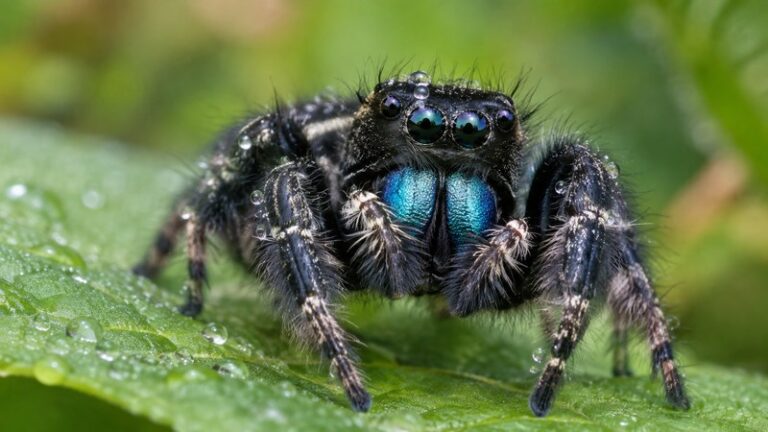
Beyond recluses, many household spiders share your space. Loxosceles reclusa stays hidden, while harmless types roam daytime. According to National Geographic, wolf spiders, jumping spiders, and cellar spiders frequently appear indoors. If you’re comparing a house spider vs wolf spider, note their differing hunting styles. Taking simple precautions helps you coexist without fear, since most pose little danger.