Do Spiders Drink Water? Yes — Here’s How & How Often
QUICK ANSWER
- Yes—spiders actively drink, using their mouthparts to sip liquid from dew, rain droplets, and condensation collected on surfaces.
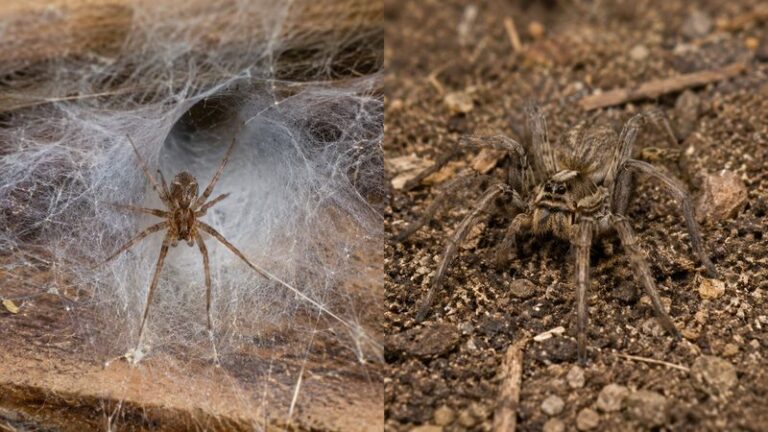
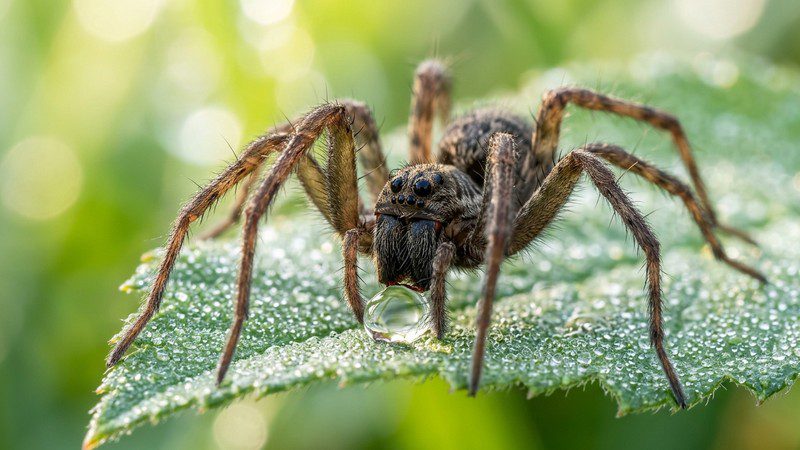
- Many pull capillary water from wet substrate or soil particles, especially wolf spiders hunting across damp ground at night.
- The Journal of Experimental Biology documented two species absorbing moisture under measurable conditions, confirming genuine hydration beyond food.
- Beyond sipping, prey supplies significant water content, letting a hunts-driven predator stay hydrated within its natural habitat.
Most people assume every living organisms ignores hydration, yet spiders quietly depend on obtaining moisture through several clever adaptations. According to arachnologists, these spiders pull water from prey, dew, and damp surfaces, proving that direct drinking isn’t their only survival route.
Curiously, environment shapes everything. A water-restriction study on two tarantula species revealed species-dependent hydration needs, showing some endure long periods without a constant source. Their bodies and tiny mouths extract moisture from water droplets clinging to plants, rain, or shaded habitat corners.
How Do Spiders Drink?
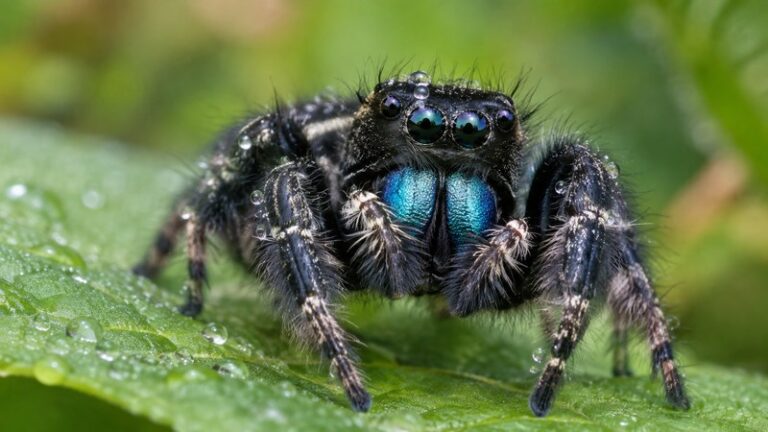
Most spiders rely on prey for body fluids, but they also drink directly when water is available. Using their mouthparts, they ingest droplets from surfaces, dew drops, or condensation clinging to vegetation, webs, and shaded environment corners nearby.
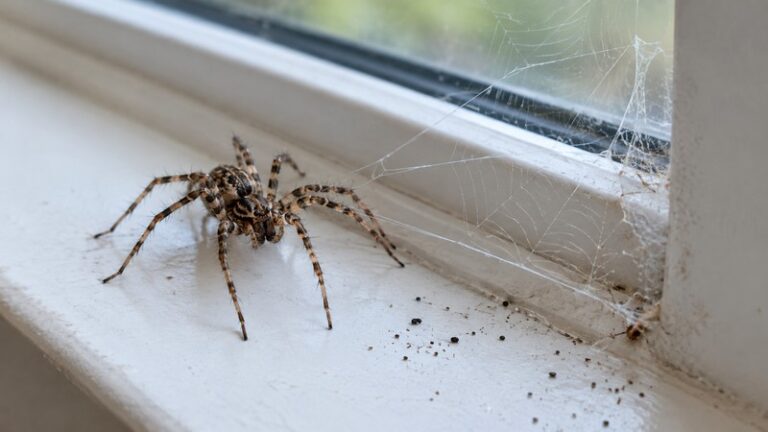
Their sensory hairs and chemoreceptors help them detect moisture in the air, guiding them toward puddles, water droplets, or a faucet. According to the University of Minnesota Extension, spiders access standing water through sink and bathtub surfaces indoors.
Do Spiders Absorb Water From Humid Air?
Fascinatingly, certain spiders genuinely absorb atmospheric moisture through specialized cuticle structures. According to arachnid researchers at the Natural History Museum, hygroscopic compounds within their exoskeleton attract water vapor. This passive uptake supplements drinking, letting species survive drier conditions without direct hydration sources nearby.
The efficiency varies dramatically across arachnid groups. Desert-dwelling spiders demonstrate remarkable atmospheric harvesting abilities, extracting humidity when relative levels climb. Their surface microstructures channel condensed droplets inward, though this mechanism rarely replaces genuine hydration entirely for most household varieties encountered indoors.
Why Do Spiders Live In Bathrooms?
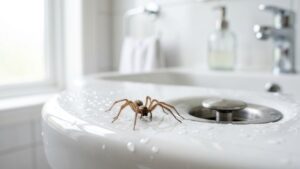
According to licensed pest control specialists, bathrooms draw spiders because they offer everything a wanderer needs. The standing moisture near drains, tubs, and pipes creates a reliable water source, while the damp rooms stay cooler and humid enough to help these creatures conserve moisture through dry seasons indoors.
These aren’t hunting for you—they’re chasing insect prey that also loves damp areas. A single drain becomes a highway; trapped spiders often climb up through slick surfaces seeking escape. Fixing leaks and sealing entry points removes both the moisture and the food supply driving them inside.
Should You Leave Water Out For A Wild House Spider?
Honestly, most houses already hold enough moisture for a wild house spider to thrive without your help. These spiders pull water from their insect prey and pockets of humidity near entry points, leaks, or damp rooms, so a dish rarely earns its keep.
According to the University of Minnesota Extension, indoor spiders show remarkable tolerance for dry conditions, drinking sparingly along their usual route. If you spot one trapped near a drain on slick surfaces, it likely wandered seeking prey, not a deliberate drink.
Do Spiders Have A Sense That Can Detect The Presence Of Water?
Working around Texas homes, I’ve noticed spiders rarely wander aimlessly toward moisture. Their legs carry tiny specialized hairs that read humidity shifts in the air, guiding them toward wet surfaces, leaks, and damp areas where prey and hydration overlap naturally.
According to arachnology researchers, these hair-like structures and bristles function as sensitive detectors, letting a spider locate water droplets or condensation without sight. That’s why basements, crawl spaces, and sheltered corners near gaps around pipes consistently attract indoor web-builders seeking steady moisture and food. If persistent moisture keeps drawing them in, professional help managing indoor spiders can address both the pests and the conditions inviting them.
How Long Can A Spider Live Without Water?
Survival really depends on species and size. According to seasoned pest control experts, larger spiders endure longer stretches, sometimes lasting weeks by tapping stored reserves. Smaller ones falter faster, relying heavily on moisture pulled from surrounding environmental conditions to stay functional.
Their ability to survive long periods without drinking water surprises most people. Many obtain hydration through prey and condensation, so a stable water supply matters less than damp air. Harsh dryness, however, shortens that window considerably, draining vitality quickly.
Seeing Spiders at Home?
Get rid of spiders for good — book your free inspection.
Fast, no-obligation quote from trusted local pest control pros.
The Useful Takeaway
Most homeowners never realize how much a spider‘s water needs reveal about their living space. These creatures consume tiny amounts, taking a small sip from moisture trapped in damp areas. Their diet and absorption rates vary by species and size dramatically.
When you spot spider infestations clustering near basements or crawl spaces, that signals excessive humidity issues worth addressing. A well-hydrated creature survives comfortably for few days without direct drinking, adjusting quietly to whatever environment your home unintentionally provides them daily.
How Much Water Can A Spider Drink At Once?
Quantifying intake proves tricky. According to the Journal of Arachnology, most spider species consume modest amounts, since their small size and slow metabolism demand little. A tiny water droplet or condensation film often satisfies hydration levels without any measured, generous gulp occurring.
Volume shifts with life stage and environmental conditions. A pregnant female ingesting body fluids from prey needs more; a lethargic, less active hunter needs far less. Their Malpighian tubules regulate loss, letting them survive through variable temperature and lingering dehydration stretches.
Do Spiders Drink Water From Spider Webs?
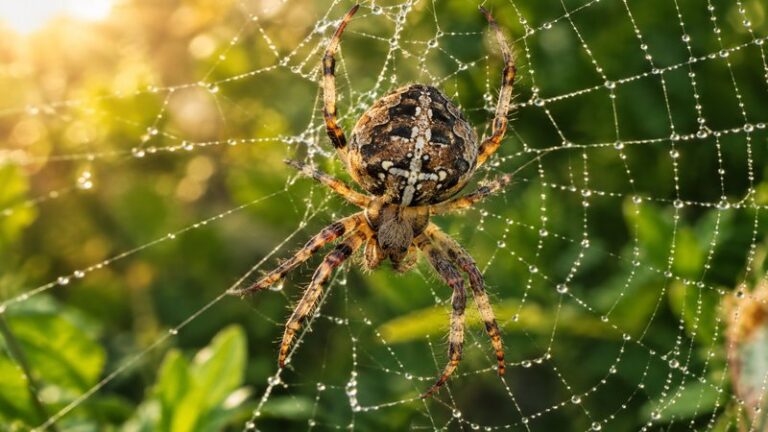
Ever wondered how a web doubles as a hydration station? During humid mornings, tiny water vapor droplets cling to silk strands. Spiders position their surface-touching mouths against these beads, using them to channel water and absorb precious moisture before sunrise burns it away.
According to arachnid researchers, the skin cannot process fluids directly, so spiders ingest captured droplets orally. Their respiratory system relies on book lungs drawing oxygen from air, never liquid. Meanwhile, trapped insects and small animals provide additional extract moisture through digestion afterward.
Do Spiders Store Water In Their Bodies?
Unlike a camel storing reserves, most spiders cannot hoard water internally for long periods. According to arachnologists, these small arthropods rely on prey for hydration, extracting fluid from insects they’ve eaten rather than maintaining any dedicated fluid reservoir within their compact bodies.
That said, spiders show remarkable tolerance for dry conditions through behavioral conserving energy tactics. Being active at night, when air stays cooler and humid, helps them conserve moisture. During dehydration, their body may shrivel, developing a wrinkled, discolored appearance signaling depleted internal reserves.
Can Spiders Swim?
Most people picture spiders as strictly land creatures, yet plenty actually manage buoyancy well. According to the University of Minnesota Extension, many species float atop surfaces, spreading their legs wide across still water, using surface tension rather than genuine paddling to stay afloat.
Certain wanderers even climb back from a drain after being trapped, since their fine body hair repels moisture and traps air pockets. This natural buoyancy lets them survive brief submersion, though slick surfaces inside sinks often defeat their escape attempts entirely.
What Are The Signs That A Spider Needs Water?
Watching spiders closely reveals subtle cues. A dehydrated one moves sluggishly, its abdomen appearing shrunken rather than plump. According to Texas A&M AgriLife Extension, reduced web-building activity and seeking out damp rooms near leaks often signal a genuine need for water and moisture.
A thirsty spider frequently abandons hunting to explore entry points around sinks. Its tolerance for dry conditions has limits, so persistent wandering toward humid corners, sluggish leg movement, and shrinking body mass together indicate the route toward hydration matters urgently now.
Do Spiders Drink Water From Your Eyes?
The notion that spiders creep close to sip from your eyes while you sleep is pure myth. According to Rick Vetter, an arachnologist, these small arthropods avoid warm-blooded creatures entirely, seeking prey among insects instead, never targeting sleeping humans.
Unlike certain animals that pursue moisture from bodily fluids, house-dwelling spiders gather water from droplets, damp rooms, and condensation near leaks. They tolerate long periods without hydration, absorbing traces from air, so approaching your face for water simply never happens biologically.
How Often Do Spiders Drink Water?
According to the Australian Museum, most spiders don’t follow a fixed schedule, so how often they drink depends heavily on species, size, and their prey. A well-fed hunter pulling moisture from insect meals rarely seeks a separate water source actively.
Frequency shifts with the environment too. In dry conditions or a heated home, a spider may sip water droplets more regularly to offset dehydration, while those in humid corners like a bathroom or basement need far fewer deliberate visits.
Do Spiders Drink Milk?
Curiosity around whether spiders would ever drink milk is understandable, yet nothing in their biology supports it. As predatory carnivores, most spider species target insects and small arthropods, not dairy, extracting fluids through a fundamentally liquid-based feeding process instead.
According to licensed pest control specialists, these predators lack the digestive machinery to process lactose, so milk offers no usable nutrition. They rely on prey fluids rather than mammalian secretions, meaning any notion of them sipping dairy remains folklore rather than observed, verifiable feeding behavior anywhere.
Do Spiders Drink Blood?
Spiders never consume blood the way mosquitoes or ticks do. They lack the mouthparts for piercing skin and draining fluids from large hosts. Instead, they hunt small insects, injecting digestive enzymes to liquefy internal tissue before feeding externally on it.
According to Britannica’s updated arachnid overview, spiders are strict predators of tiny prey, not bloodsuckers targeting people. Even household species you spot wandering walls seek beetles or gnats, never human blood, making the common vampire-spider fear entirely mythical and biologically impossible for them.