Will Spiders Eat Dead Bugs? The Surprising Truth
Quick Answer
- Despite being efficient predators, most spiders occasionally scavenge and eat dead insects when a freshly caught meal grows scarce.
- Research shows this scavenging rises under certain conditions — particularly hungry or stressful conditions push them toward dead prey.
- Spiders use external digestion, pumping digestive fluid onto prey, then drinking the liquefied meat — a true liquid diet.
- Their preference stays live moving prey; scavenging dead insects happens only when necessary, never the preferred method of feeding.
Do spiders truly eat insects that have already perished, or must every catch be their own doing? It’s worth unpacking. Separating myth from fact, arachnid appetites prove far more flexible than folklore ever suggests. Whether they feed on dead bugs or pursue living prey, the honest answer ultimately hinges on species, hunger, and sheer opportunity.
Will Jumping Spiders Eat Dead Insects?
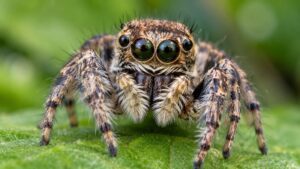
According to arachnologists, jumping spiders are surprisingly intelligent little predators that ambush prey using eight sharp eyes. Because their hunting strategies depend on motion, a dead body lying still rarely triggers an attack. These arachnids typically approach a meal only when movement signals living food.
When starvation looms, a hungry hunter might scavenge, yet scavenging isn’t instinctive. Do spiders eat bed bugs? Certain spider species do, though jumping spiders prefer to bite the prey they caught alive, then apply external digestion, turning muscles into liquefied meat before consuming prey entirely.
How Smart Are Jumping Spiders?
Jumping spiders rank among the smartest arthropods alive. Unlike species that passively spin webs, they actively work as calculating predators, stalking each next meal with remarkable eyesight. Their tiny brains plan clever detours, showing problem-solving abilities that truly rival far larger, well-studied animals scientists test.
According to arachnid researchers, the Portia genus famously plots winding ambush routes, then patiently waiting to strike. This calculating little predator prowls with clear intent, using judgment to subdue prey many times its size. Small strong jaws and measured venom reveal genuine strategy while hunting.
Are Jumping Spiders Venomous To Dogs?
Pet owners often panic spotting these tiny hunters, but jumping spiders rank among the most harmless creatures sharing our homes. Unlike genuinely aggressive spiders, they flee rather than bite when threatened. Their potent venom targets insects, never posing anything remotely dangerous to humans or dogs.
According to veterinary and entomology consensus, a jumping spider’s chelicerae and delicate jaws rarely pierce canine skin through fur. Even swallowed whole, these spiders cause no lasting harm. Their venom evolved to kill insects, not mammals, making the feared encounter largely imaginary for curious dogs.
The Most Aggressive Spider: Is It Lurking Near You?
Contrary to popular fear, the fiercest house spiders rarely act dangerous toward people. According to the Australian Museum, the Sydney funnel-web ranks among the world’s most confrontational, yet even a large spider typically retreats rather than trying to pin down anything sharing its silken web.
Pet owners worry most when furry friends investigate dusty corners. Though bites genuinely harmful to dogs stay uncommon, a curious pup bitten near a sensitive bite area may show swelling, mild irritation, or excessive licking; consult vet guidance quickly to secure lasting peace of mind.
Seeing Spiders at Home?
Get rid of spiders for good — book your free inspection.
Fast, no-obligation quote from trusted local pest control pros.
Why Do Spiders Hang Up Dead Bugs?
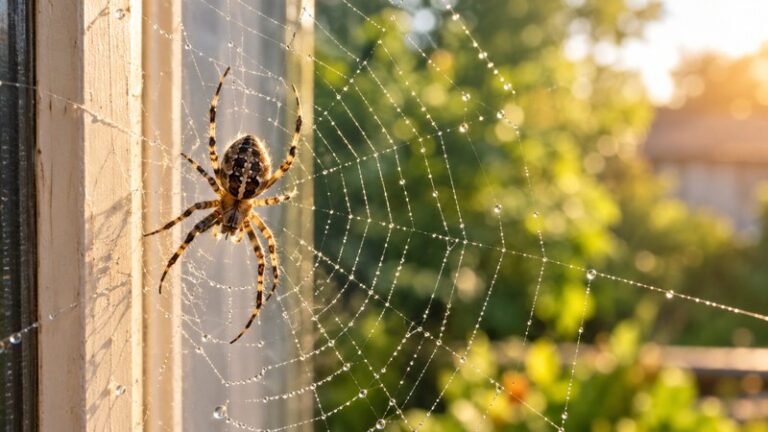
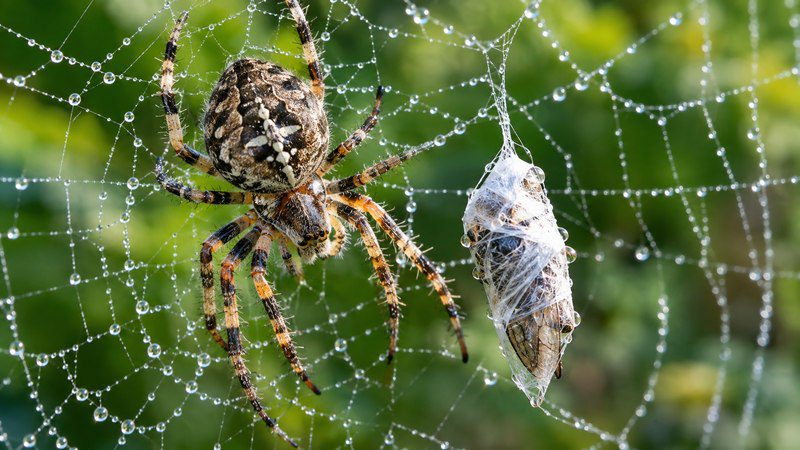
Spiders rarely eat everything at once. Many orbweavers in a garden wrap in silk each fresh catch, then wait for it to die before returning. According to the Australian Museum, this bundling stores a medium-sized insect safely, keeping the prey’s body intact until hunger returns.
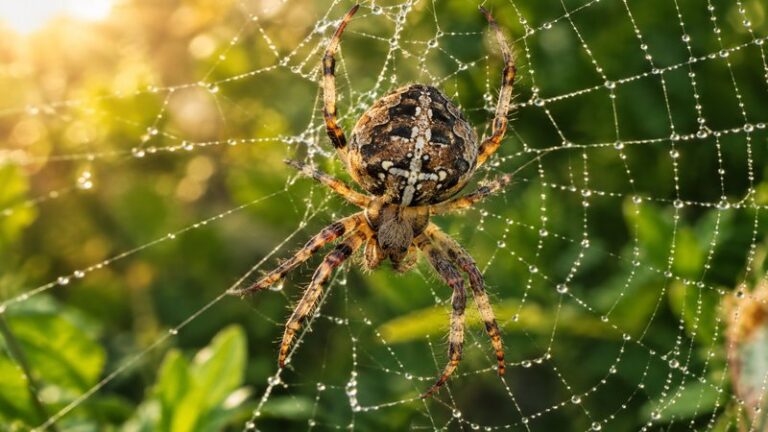
Afterward, what dangles is often just the hollow shell — digested contents sucked out, leaving behind lightweight remains. A cross spider (Araneus diadematus) may leave uneaten scraps or a small ball of residue hanging until wind clears it, or store extra catches as a convenient larder.
Myth: Spiders Only “Suck Juices” Of Prey
According to the Burke Museum’s Spider Myths project, the notion that these predators sip only a liquid diet holds no truth. Every species digests solid tissue, dissolving prey externally before the meal is fed back inward. Vampire imagery simply misreads how these arachnids actually eat.
That empty husk left behind fools people into believing spiders skip solids entirely. Orbweavers grind captured prey with their jaws, swallowing dissolved tissue repeatedly. They don’t feed on juice alone; even bodies several times their size have their internal solids fully liquefied, then quietly consumed.
Before… And After
Before digestion begins, picture the victim freshly caught by spiders and wrapped tightly in silk. A struggling moth, sometimes an outsize meal, hangs trapped within sticky spider webs. According to Burke Museum documentation, the intact body still shows recognizable legs, delicate wings, and whole form.
Afterward the same insect looks dramatically smaller, a brittle carcass drained of substance. Certain species hoisted the remains upward, choosing to leave them dangling rather than discard. Burke’s curators note such shells can stay dead for weeks, still hanging and mistaken for genuinely living kills.