Do Spiders Hate Water? The Surprising Truth (2026)
Quick Answer
Most spiders don’t hate water; they actually depend on it to survive and meet daily survival needs in hot conditions.
Some species evolved remarkable strategies, using air bubbles or holding breath to hunt underwater and thrive in aquatic environments.
Terrestrial spiders typically avoid excess moisture because evaporation speeds dehydration, yet they still seek hydration sources when temperatures climb.
According to Australian Museum researchers, this complex relationship with water depends entirely on each spider’s habitat, biology, and adapted lifestyle.
The question of whether spiders despise moisture reveals fascinating contradictions across arachnid biology. According to researchers publishing in Zootaxa, science keeps overturning our assumptions—recently documenting an Ecuadorian species that disguises itself as a parasitic fungus, proving how little we truly understand about these adaptable, endlessly surprising creatures inhabiting our world.
Rather than uniformly fearing water, spiders display remarkable behavioural diversity. Some genuinely avoid dampness, while others hunt beneath the surface, dive freely, or survive submerged for hours. Understanding this spectrum matters for anyone managing populations around homes, cottages, docks, or any property bordering lakes and standing water sources.
Why Spiders Are Attracted To Water
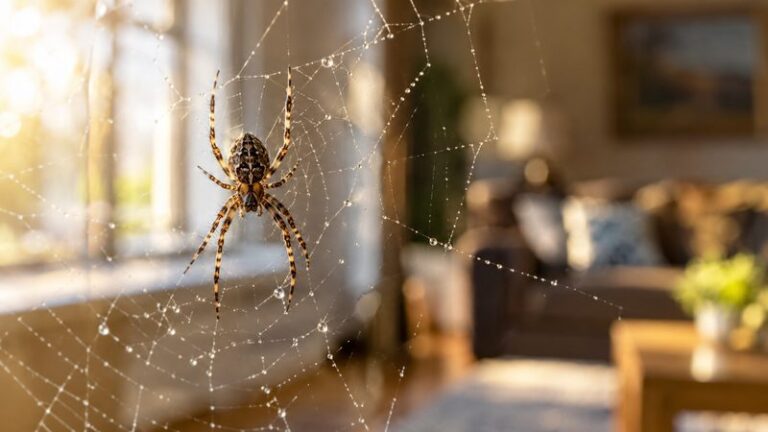
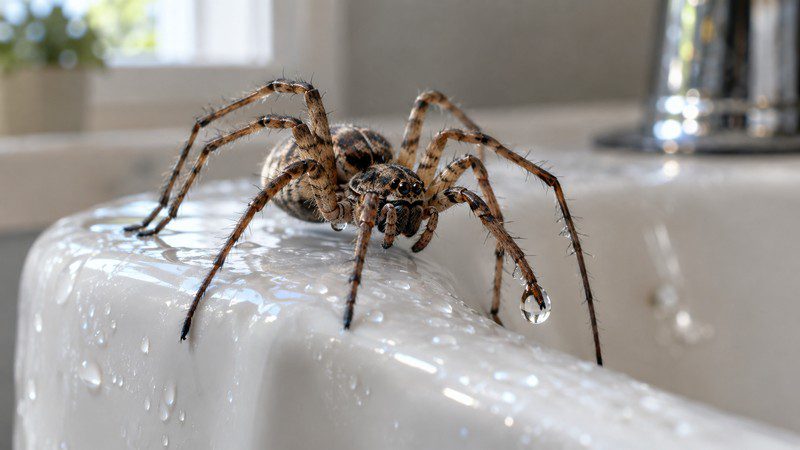
Contrary to popular belief, most spiders don’t universally dislike water. Many species actively seek water sources to drink, moving toward moisture their legs detect through taste and smell sensors. This behavior explains why homeowners frequently encounter them near a sink, bathtub, or drain.
According to wildlife researchers, male spiders often venture indoors during winter hunting for prey and seeking a mate, following vibrations they interpret across surfaces. Some become trapped on slick surfaces, unable to climb, while others run away into the basement to search and hide.
Do spiders drink water? Absolutely. According to arachnologists, spiders absorb water droplets directly, and some even walk across the water’s surface without sinking, relying on water-repellent hairs that exploit surface tension. This adaptation lets certain water spiders dive, hunt, and interact with wildlife in wet environments most non-water species would strictly avoid.
Spider Behaviour Around Water
Watching spiders near a water source reveals fascinating patterns
Many terrestrial spiders actively search for moisture yet avoid prolonged exposure, since evaporation threatens their hydration levels. According to arachnid researchers, these invertebrates carefully balance drinking needs against dangerous dehydration in hot climate conditions.
Some species congregate near standing pools, puddles, or dew drops to ingest water droplets and supplement hydration. In arid environments, deprived spiders relocated toward dew and raindrops on vegetation, using sensory organs and hair on their legs to detect free water essential for survival.
Spiders And Water Loss
Most terrestrial spiders don’t thrive in constant damp, yet water remains central to their survival. Prolonged exposure to dry heat forces them to lose moisture rapidly, since evaporation strips fluids their small bodies can’t easily replace or metabolic systems restore.
Evaporative water loss worsens under high temperatures, pushing dehydration risk higher. Research on Paraphysa parvula shows how water loss threatens spiders lacking shelter. Smart survivors seek cool hydration sources, balancing thirst against escape from environments that quietly drain them dry.
Water Avoidance Behaviors
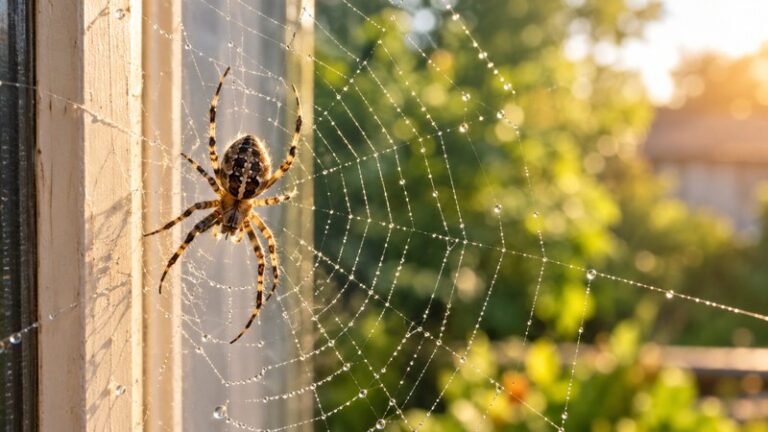
Spiders in houses rarely court a water source deliberately. Their legs, lined with fine hair, act as sensory organs—a special sense detecting moisture through vibration. When rain floods a web, many abandon it, seeking drier corners rather than risk their delicate structure entirely.
This special sense doesn’t mean fear of water itself. A relocated spider may sense a potential mate or prey through web-strumming vibrations, yet still steer clear of standing pools. Balance matters; too much exposure and the spider died, though dampness alone rarely proves fatal directly.
Do Spiders Detect Water?
Most people assume arachnids stumble onto moisture accidentally, yet spiders possess remarkably refined sensory equipment. Fine long hairs covering their legs and body register humidity gradients, letting them locate water sources across dry environments. This detection proves critical when prey becomes prey scarce during brutal conditions.
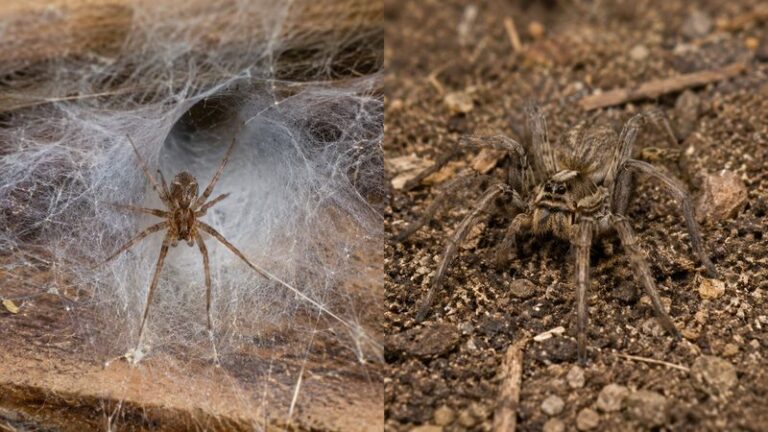
According to arachnology researchers, terrestrial animals like wolf spiders sense soil moisture through specialized receptors, motivate-ing movement toward hydration. Certain species thriving in arid environments track vibrations near water’s edge, where insects gather. Detecting dampness helps them survive, maintain hydration, and access essential resources efficiently.
Do Not Burst Their Bubble
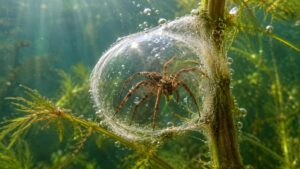
According to arachnid specialists, the diving bell spider spends its whole life underwater, building an underwater silk web shaped like an underwater house. This air-bubble vessel works to pull oxygen straight from surrounding water, letting the creature breathe underwater without ever surfacing across a full day.
Along the Great Barrier Reef coast, the intertidal spider Desis bobmarleyi survives high tide inside a silk-lined air pocket. Its long hairs across legs and body cleverly trap bubble pockets of air. When the tide goes out, this scuba diver of the wet reef emerges to hunt amid coral and shells in the seawater exposed by receding tides.
How The Air Bell Works
Certain water spiders rely on a clever bubble of trapped air to stay submerged. The Argyroneta aquatica weaves a silk dome, an air bell functioning as an underwater lung, letting it live and hunt underwater far beneath the surface comfortably.
According to naturalists studying aquatic life, this species maintains steady oxygen levels inside its invisible skin of trapped gas. Disturbing that bubble collapses their world, so leaving these fascinating creatures undisturbed lets them come back up naturally without losing their vital breathing reserve entirely.
Flood Proofing
When rain floods a cottage near a lake, spiders don’t panic the way you’d expect. Ground-dwelling species like wolf spiders rely on burrowing to protect themselves, sealing burrows against rising water while their burrowing habits reduce dehydration through high temperatures.
According to Australian Museum arachnid specialists, the Geolycosa godeffroyi, an Australian wolf spider, engineers its tunnel to reduce water loss yet withstand flooding. This dual adaptation lets it survive underwater pockets temporarily, holding breath through book lungs that close watertight during submersion.
Trapdoor Spider Style
Trapdoor spiders master flood survival differently. Their sealed burrows—capped by hinged doors—trap air, letting them hold breath roughly six minutes or longer. Instead of gills, they breathe using tracheae, those tiny air tubes, plus book lungs that regulate oxygen intake slowly.
During monsoon events, pest experts note these spiders stay alive submerged far longer than a human could. The watertight seal isn’t accidental; it’s evolved engineering. When floodwaters recede, the resident emerges, having breathed slowly through the entire ordeal, perfectly dry.
Tips for Managing Spider Populations
Managing eight-legged visitors starts with cutting off what draws them: moisture. A DIY option many overlook is fixing leaks and drying damp corners, since spiders chase water sources indoors. Sealing gaps and clearing webs disrupts nesting long before populations climb into problem territory.
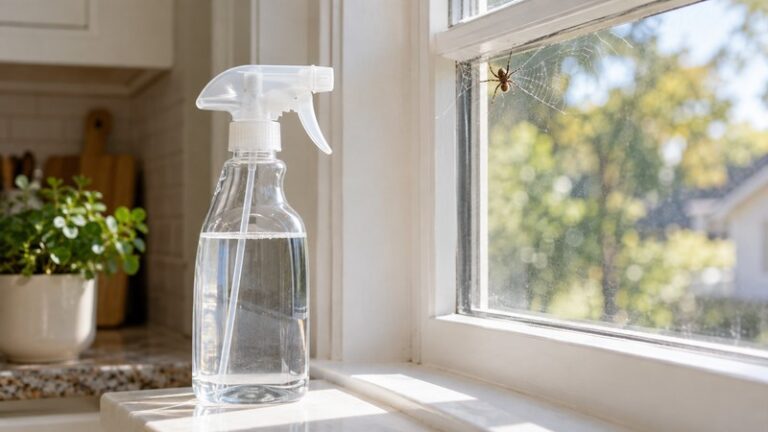
Does vinegar kill spiders? Diluted white vinegar irritates and repels them but rarely kills outright, making it a modest deterrent at best. For lasting results, a residential pest control service deploys qualified technicians who identify the species, then apply correct chemicals across interior spaces and the exterior perimeter safely.
What to Do With a Soggy Spider
Found a spider clinging to your cottage wall after a downpour? Don’t panic. These terrestrial animals actually depend on moisture, though they avoid excess moisture that risks drowning. Gently coax it toward a dry corner using a cup, letting the small, tiny creature scuttle to safety.
According to Texas A&M AgriLife Extension entomologists, most spider species evolved to survive brief soakings. Rather than kill it near your dock or exterior walls, relocate the wet wanderer toward nooks where it can prevent dehydration, thrive, and quietly resume patrolling your home for insects.
How Residential Pest Control Can Help
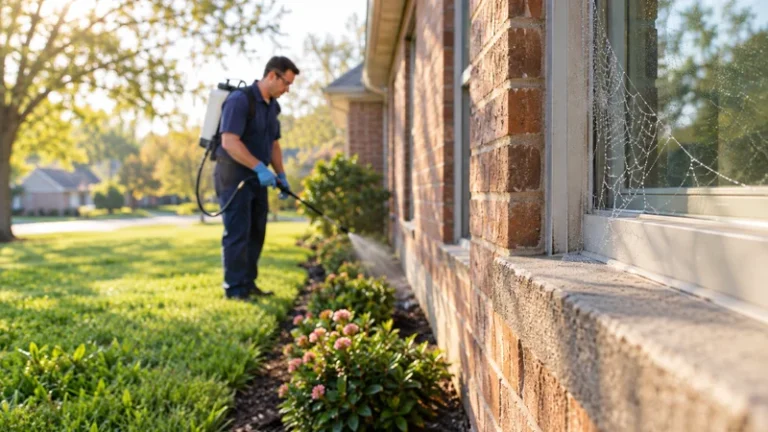
When spiders overpopulate a property, homeowners often reach a point where DIY tricks stop working. According to pest management authorities like the National Pest Management Association, professional spider removal experts assess your home, locate hidden webs, and target the underlying insect population feeding these arachnids near any water source.
Trained specialists eliminate food sources, seal entry points, and treat cracks, crevices, old seals, and torn screens where spiders slip inside. A scheduled perimeter treatment around your exterior, paired with efforts to trim foliage and maintain your yard, helps manage spider populations long-term.
Seeing Spiders at Home?
Get rid of spiders for good — book your free inspection.
Fast, no-obligation quote from trusted local pest control pros.