11 Bugs That Look Like Flying Termites & How to ID Them
Misidentifying winged insects around your property happens constantly. Knowing the identifying features matters because the body shape, wing size, and overall structure reveal whether something is damaging wood.
A narrow waist separates many imposters from the real threat. Several look like termites yet behave differently, so checking these traits protects your home before assuming any costly infestation exists.
What Do Flying Termites Look Like
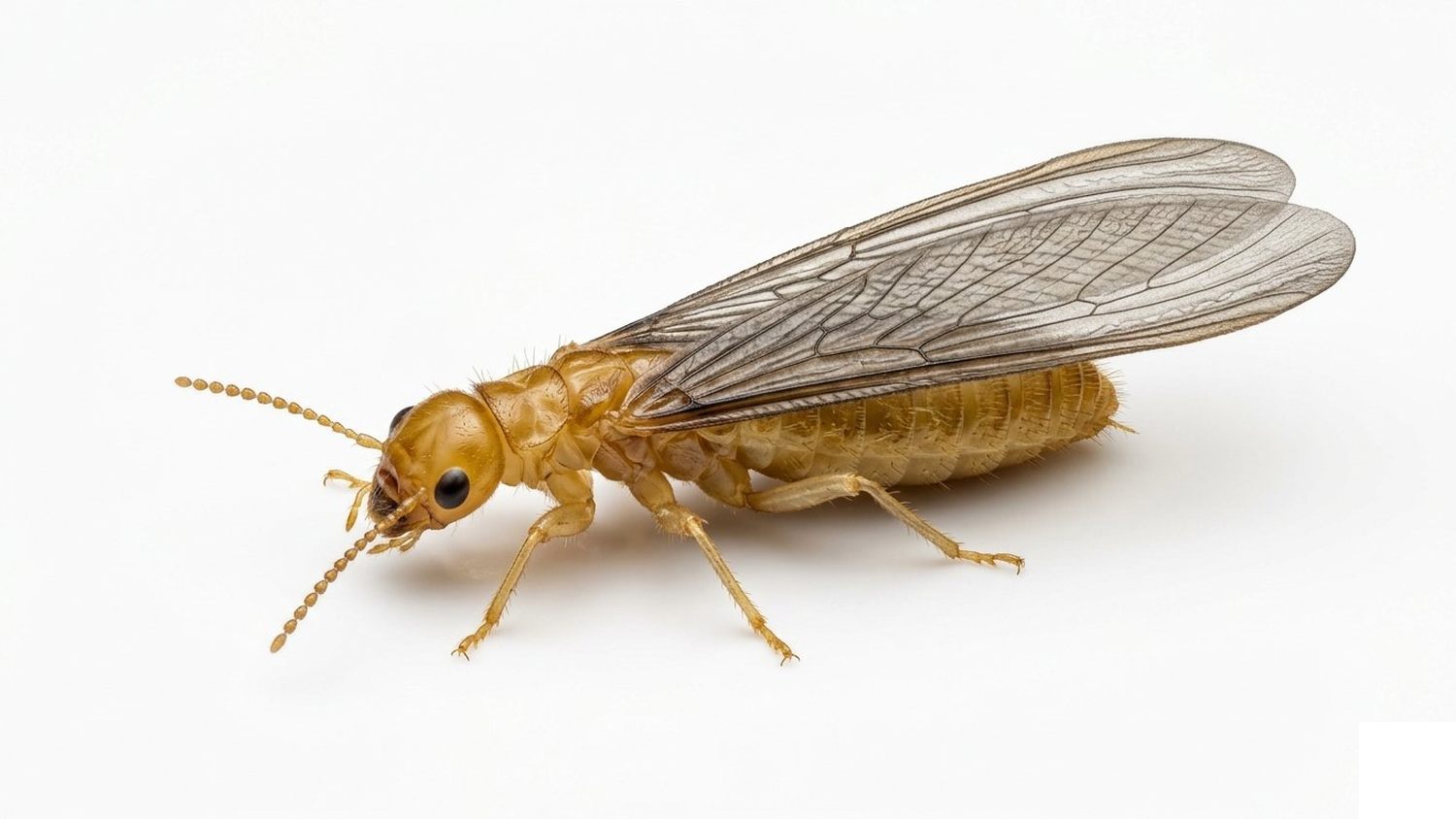
Flying termites are the primary reproductive members of a termite species, known scientifically as the order Isoptera and called alates. These small, yellow-brown insects measure roughly ¼ to ⅜ inches and signal an expanding colony.
- Smoky gray, brown wings present
- Four equal-length wings, identical pairs
- Straight antennae, no bends
- Thick uniform body, no pinched waist
- Primary reproductive swarm members
Spotting these flying insects near a porch light often means a swarm is active and professionals should verify the threat before structural repair costs climb into the thousands of dollars.
Flying Ants vs. Termites
Flying Ants
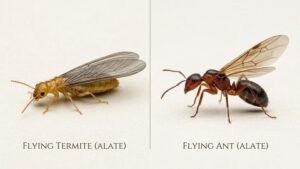
Flying ants have a narrow waist that is pinched and cinched. Their bent antennae are elbowed and angled. Front wings are longer and uneven, with a reddish-brown, dark to black body, often seen trailing in lines, marching, and foraging.
Termites
Termites have chubby waists, thick waists, with no pinching. They show straight antennae, beaded antennae, and two. Their four wings are equal, identical size. Yellowish, pale yellow, smoky gray to brown, they swarm, leave discarded wings, and are drawn to light.
Carpenter Ants
People often confuse carpenter ants with previous termites because both nest in wood, especially moist wood or insulation hidden inside wall voids throughout any building structure.
Look closely and you’ll spot a narrow middle, larger head, heart-shaped abdomen, bent antennae, plus front wings longer than rear wings carving wood galleries and tunnels.
Powderpost Beetles
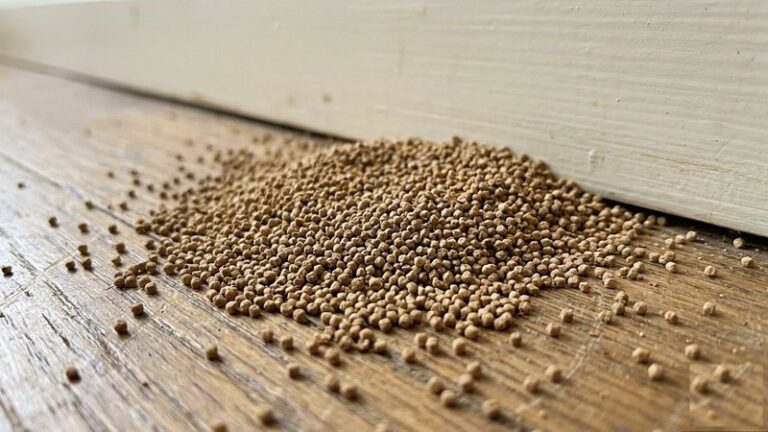
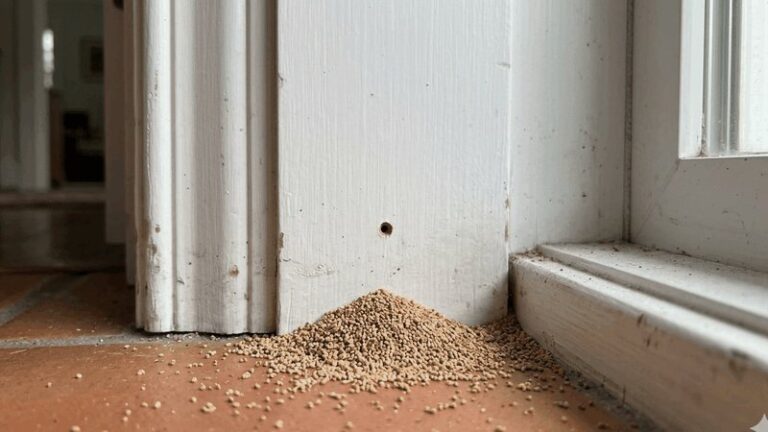
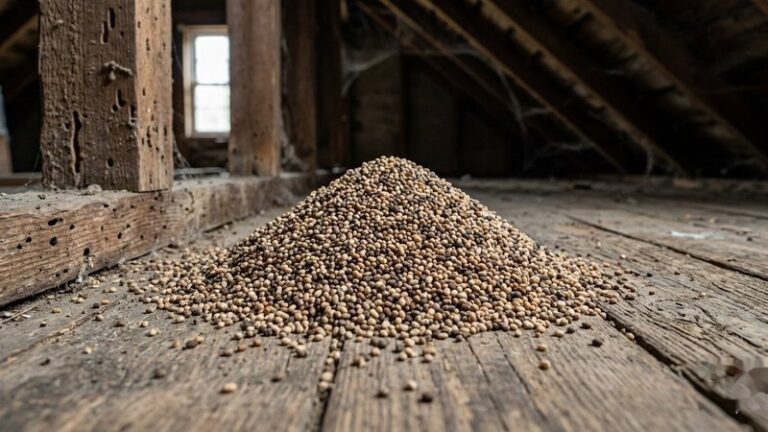
These small, 2 to 3 millimeters insects bore openings, leaving tiny dry fecal pellets behind that resemble debris, wood, dirt, and bits of insulation.
Unlike a termite nest going active again, they leave a straight abdomen profile, lacking a stinger, while their slim narrow thorax distinguishes them quietly during careful examination work.
Mayflies
Found near streams with clean water, these fragile creatures display long antennae and soft bodies, serving as natural indicators of pristine aquatic environments rather than household threats.
Their front set longer two sets of wings create a distinctive feature when disturbed, though unlike acrobat types they never stand on head or lift abdomen dramatically.
Green Lacewings
These delicate winged insects often appear at porch lights evenings, looking faintly termite-like, yet their hairy wings and gentle behavior reveal harmless garden allies, not destructive pests.
When confused with moths, observers note they won’t harm wood or threaten plants, instead protecting gardens, drifting softly without the erratic flight pattern drain types show.
Where Do They Live?
Many gather where standing water meets organic sludge, thriving around plumbing issues, sinks, drains, or bathroom tiles where lingering moisture sustains their quiet breeding cycles indoors.
Others prefer unfinished, unpainted wood structures, drilling perfectly round holes the diameter of finger, leaving sawdust and sticky yellow waste marking their chosen residential timber zones.
How Do They Act?
When disturbed, certain species famously raise legs in air like an acrobat, releasing a foul odor, while others follow ant trails, marching in a row toward food.
Some drill tunnels to lay eggs inside small nests, leaving a telltale yellow stain; they don’t bore tunnels through electrical wires or pipes like rumored.
Notable Information
Many winged creatures get mistaken for Flying Termites, yet careful attention to physical characteristics helps homeowners separate genuine threats from harmless visitors near the house and garden each season.
Knowing the real differences prevents unnecessary worried reactions; proper identifying features like body shape, wing size, and a narrow waist let anyone distinguish true pest species quickly.
Acrobat Ants
These small ants flash elbowed antennae and pinched waists, unlike termites with straight antennae; their two pairs of brown-tinted wings of unequal length wings signal a completely different insect.
Often nesting within decaying wood and moist spots, they rarely cause structural damage, though swarming reproductive members during mating season trigger confusion with destructive wood-boring invaders indoors.
Carpenter Bees
Robust and fuzzy, carpenter bees bore holes into unfinished wood, leaving coarse fine sawdust below; their stout frame contrasts sharply with the slender, soft bodies typical of swarming alates.
Active across late spring and early summer, females tunnel through finished or unfinished wood to lay eggs, producing rounded openings rather than the kick-out holes linked to drywood colonies.
Drain Fly
Tiny and fuzzy, the drain fly breeds in damp places like a basement or garage, thriving wherever moisture lingers; its veins-laced fuzzy wings create a distinctly moth-like silhouette.
Drawn toward windows and porch lights during warm humid conditions, these flying insects never damage wooden structures, instead signaling plumbing moisture issues rather than any termite infestation concern.
Stoneflies
Found near water, stoneflies are aquatic insects whose fragile, flattened four wings fold neatly while resting; their short antennae and dark brown tones suggest harmless riverside life.
Emerging in massive swarms during cooler hotter months transitions, the adult form doesn’t feed much, making them harmless look-alikes that never threaten walls or foundation integrity.
Caddisflies
The caddisflies carry hairy wings held tent-like over soft bodies, a feature distinguishing them from the smoky wings and square cells seen on real swarming termite Swarmers.
Hovering beside ponds at evening and nighttime, these gentle winged insects look similar to alates yet don’t eat wood, posing zero damage to any structure nearby.
What Are the Bugs That Look Like Flying Termites?
Several winged creatures are frequently confused with flying termites, sharing a similar body shape and swarming behavior that fools many homeowners during peak season.
-
- Flying ants top the list of look-alikes, distinguished by pinched waists and elbowed antennae versus the termite’s straight antennae and thick waists.
- Carpenter ants swarm in late spring, boasting a narrow thorax and wings twice as long as their black segmented form.
- Powderpost beetles are wood-boring beetles leaving fine sawdust and small round holes, with rigid front wings forming a protective shell.
- Acrobat ants lift their heart-shaped abdomen when disturbed, releasing a foul odor, while marching in distinct ant trails.
- Carpenter bees drill irregular holes, flaunting a shiny black body dusted with yellow fuzz around the thorax.
Correctly telling these apart from reproductive members of a mature colony saves real money, since termite damage carries structural repair costs that harmless mayflies or lacewings simply never inflict on your house.
Should I Worry If I See Flying Termites?
Spotting swarming flying termites indoors should leave you worried. This often signals a nearby colony and a greater infestation quietly damaging wooden structures within your walls.
Some homeowners ignore them, assuming they’re harmless mayflies or carpenter ants. Don’t. These winged creatures rarely just stick around outside—indoor swarmers mean termites demand immediate control and extermination.
When To Seek Professional Help
Spotting a few swarming insects near your windows might not seem urgent, but certain moments demand expert eyes. When signs of infestation point toward an established mature colony quietly working inside your walls, calling a professional pest control technician becomes the smartest move you can make.
- Visible discarded wings indoors
- Hollow sound when you knock
- Tiny brown fecal pellets appearing
- Recurring swarmers each season
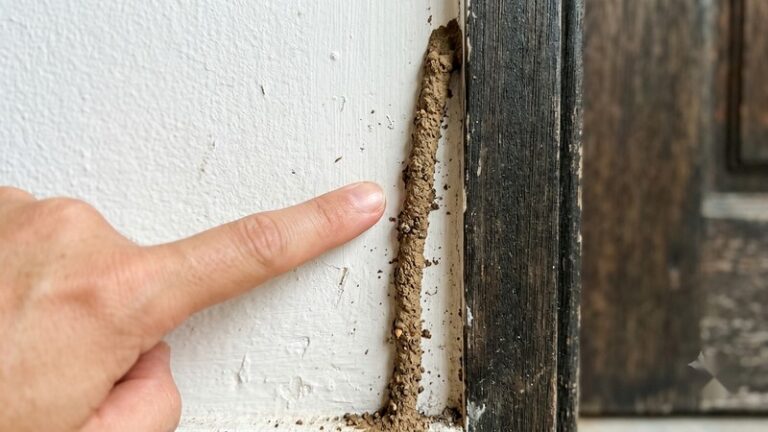
- Mud tubes along the foundation
Acting early protects your home from mounting structural repair costs. A timely professional termite inspection confirms whether you’re facing drywood, subterranean termites, or harmless look-alikes, and a tailored treatment plan from pest control experts stops damage before it spreads.
Suspect Termites?
Protect your home — book your free termite inspection.
Fast, no-obligation quote from trusted local termite control pros.
Preventative Measures
Keeping winged invaders away from your property starts long before you spot discarded wings on windowsills or hear that telltale hollow sound when you knock on a beam. According to pest management professionals, moisture control near the foundation and wall is your strongest defense against any nearby colony taking hold.
- Seal cracks, holes, and gaps
- Eliminate damp places and standing moisture
- Remove mulch, dead wood, lumber
- Schedule routine inspect visits
- Install chemical barriers or baiting systems
Catching the early signs of infestation lets experts deploy a targeted plan before structural worries ever expand.
What To Do When You Have A Termite Infestation
Don’t panic when you spot signs of termites; instead document the timing and locations through photos, capturing discarded wings and any hollow-sounding wood for later reference.
Avoid disturbing nesting areas, since a mature colony that’s expanding spreads fast. Check foundation lines, mud tubes, and windowsills where these destructive insects quietly consume structures.
Get Help From Professionals
Once repeat swarms or hollow beams appear, contact a pest company to inspect thoroughly. Experts trace damage along windowsills, reading subtle clues most homeowners overlook entirely during routine checks.
A targeted plan follows, blending chemical barriers, baiting systems, and heat treatments. Professional intervention stops colonies before structural ruin demands costly rebuilding across affected wood throughout your home.
FAQs
What Insects Are Often Misidentified As Flying Termites?
Several look-alikes trip up homeowners chasing a suspected termite infestation. Flying ants top the list with their pinched waists and elbowed antennae, while carpenter ants, powderpost beetles, mayflies, and lacewings all share traits that distinguish poorly without close inspection of physical characteristics.
Are Flying Termites Attracted To Light?
Yes, and this drives swarming behavior indoors. During evening and nighttime hours through hotter months, alates gravitate toward porch lights and windows. Switching to yellow bug light bulbs discourages these flying pests, since standard bulbs pull multiple winged insects straight toward your house after dusk.
Why Do Flying Termites Suddenly Appear?
A mature colony signals readiness to expand by releasing reproductive members all at once. Warm humid conditions, typically after rain during spring or early summer, trigger this swarming. The sudden pile of debris from discarded wings near a foundation becomes the unmistakable red flag of nearby activity.
Will Flying Termites Go Away On Their Own?
Not meaningfully. While individual swarmers die quickly once they lose wings, their appearance confirms a mature colony already nesting within walls or wood. Ignoring signs of infestation invites mounting structural repair costs, so a professional termite inspection beats waiting for the problem to vanish.
Can Flying Termites Damage Garden Plants?
Rarely directly. Subterranean termites prefer decaying wood, stumps, and wood debris over living greenery, traveling through soil via mud tubes. Your garden faces minimal threat, though nearby firewood, mulch, or buried lumber can lure them dangerously close to the house foundation.