Why Do Flying Termites Suddenly Appear? Causes & Fixes
Most homeowners spot trouble too late. When alates drift toward windows and lights, an active colony sits close by. These reproductive members of a termite colony signal that hidden wood faces silent risk, demanding fast, informed action immediately.
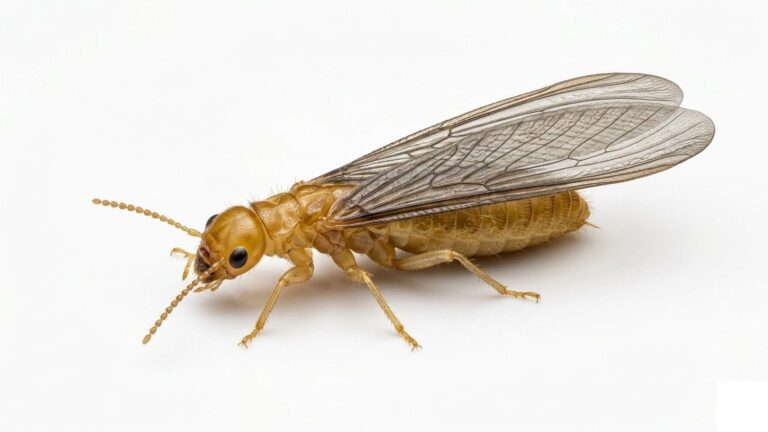
Swarmers indoors rarely lie. Their dark brown bodies and long clear wings mark a hidden colony that has reached maturity, releasing winged reproductives through cracks, vents, and gaps around windows during prime swarm season outdoors.
What Flying Termites Look Like
Identifying swarmers comes down to detail. According to Texas A&M AgriLife Extension, alates carry two pairs of equal length wings roughly 1/4-inch long, with straight antennae and a broad waist—features worth checking first.
- Wings of equal proportion
- Straight antennae, no bend
- Broad waist, not pinched
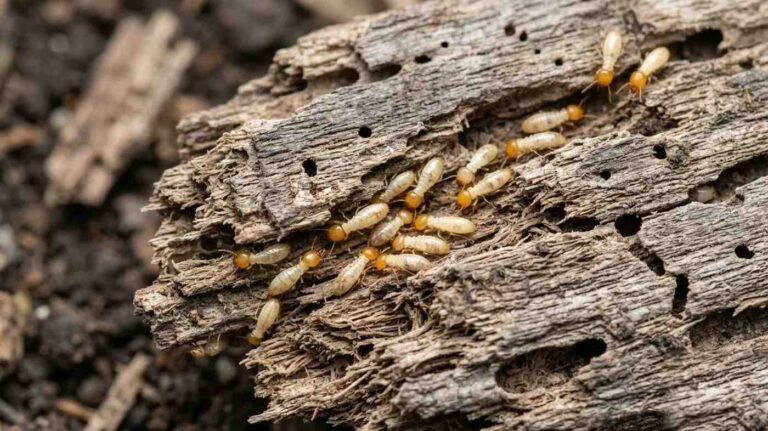
- Pale, soft-bodied reproductives
Spotting these traits early matters more than people realize. For deeper context on triggers and biology, explore what causes termites to swarm to understand the colony behavior driving their sudden indoor arrival.
Why Do Swarming/Winged Termites Suddenly Appear? (Causes & Lifecycle)
When warm soil temperatures climb and high humidity lingers, mature colonies near property respond to natural moisture cues. These colonies release alates, the reproductive members that leave the nest in coordinated swarms to start new colonies.
Driven by instinct, swarmers take flight to find a mate and establish new colony systems. They depart from nest sites within ground, tree stumps, or foundations, often right after rain during warm humid days in spring.
Signs Of An Established Infestation
Spotting a long-running infestation means reading clues the colony leaves behind. According to the University of Kentucky Entomology department, subterranean colonies can house hundreds of thousands of workers feeding silently for years, with damage often staying hidden behind walls, floors, and drywall until structural weakness becomes visible.
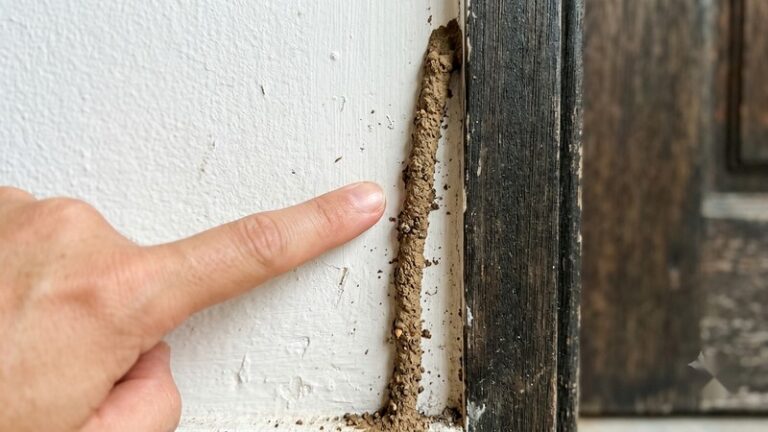
- Mud tubes along walls and framing
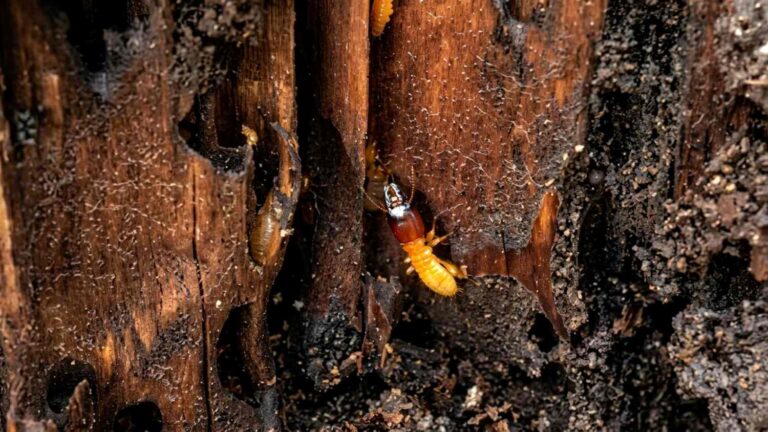
- Hollow-sounding wood, pin-sized holes
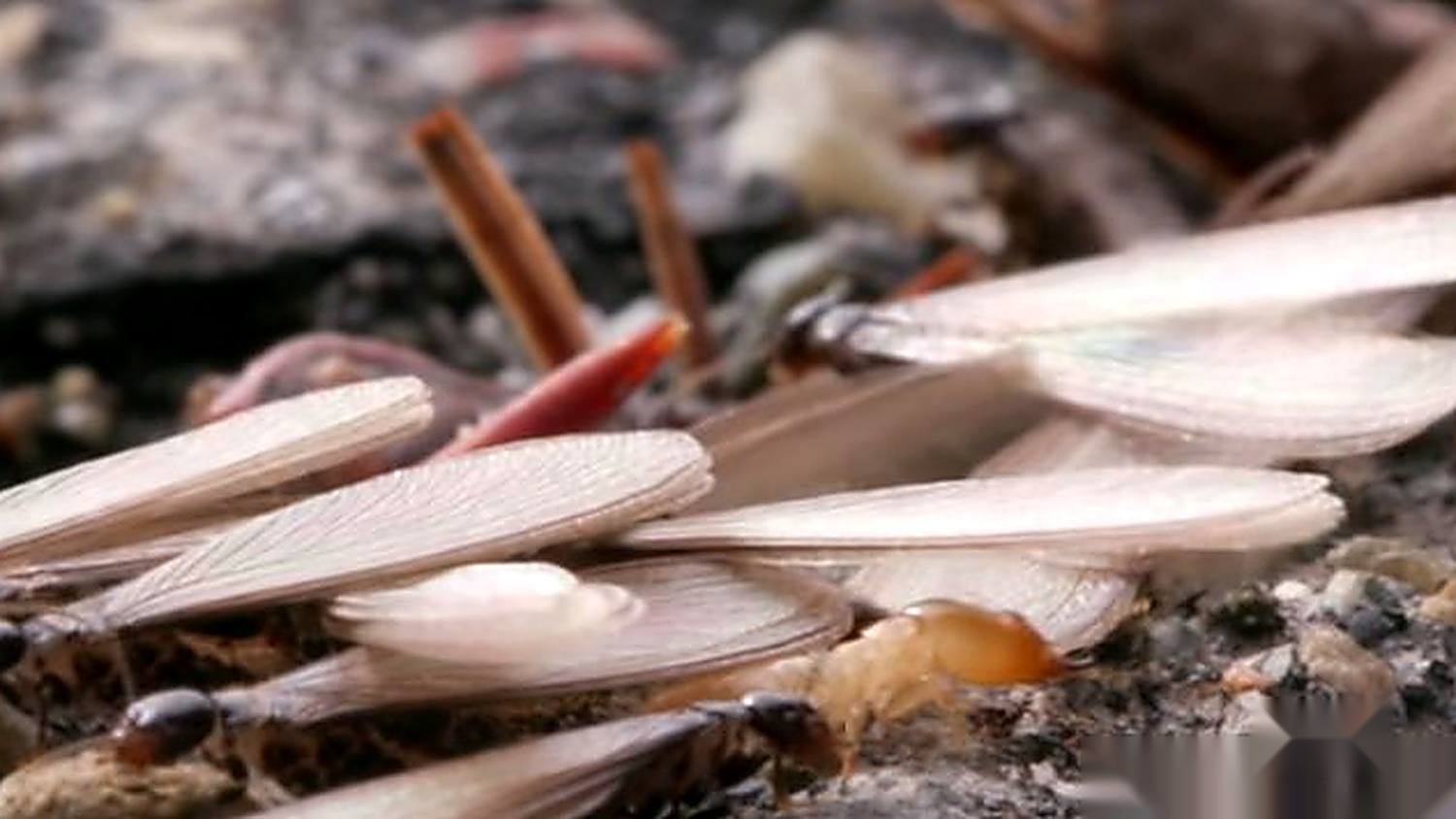
- Sand-like pellets, discarded wings
- Hidden wood damage, weakened joists
For deeper guidance on confirmation and next steps, professional inspection services trace colony sites and moisture issues, since pests hide behind walls and drywall; arranging professional inspections remains the surest route to catch advancing structural damage early.
Difference Between Flying Termites And Flying Ants
Telling these two apart matters more than people assume. According to the University of Kentucky Entomology Department, flying termites have straight bead-like antennae, two pairs of equal-size wings, and a uniform-width body, while flying ants show clear differences.
- Straight antennae versus bent antennae
- Thick waist versus pinched waists
- Equal translucent wings versus unequal sets
- Dark cigar-shaped bodies, mating swarmers
Watch the wings: a termite drops them near door frames after the mate ritual, leaving telltale debris.
How To Get Rid Of Flying Termites
When flying termites show up indoors, demanding fast action is wise. A complete inspection through treatment services pinpoints the source of the problem, since a technician checks every part of property and locates the colony precisely.
Choosing the right treatment method matters. Reputable providers typically offer free termite inspections along with multiple treatment options, from liquid barrier treatments to bait systems, and often back their work with warranties for lasting termite protection.
Suspect Termites?
Protect your home — book your free termite inspection.
Fast, no-obligation quote from trusted local termite control pros.
Termite Prevention
Smart prevention starts outdoors: seal foundation cracks, remove wood-soil contact, and keep mulch and firewood away from walls. Adding preventive treatments before spring arrives stops swarmers cold, protecting beams long before any reproductive alate ever spreads damage.
Eliminating moisture problems discourages colonies fast. Fix leaky pipes, ventilate damp basements, and break wood-to-soil contact near porch posts. Pairing liquid barrier solutions with routine checks delivers lasting results and genuine long-term safety.
Risks Of Ignoring Why Flying Termites Suddenly Appear
When swarmers suddenly appear indoors, the sudden appearance is a direct warning, not a seasonal inconvenience. Ignoring winged termites lets a mature colony keep feeding silently, since these alates signal hidden damage already spreading through your structure.
A long-running issue worsens as hundreds of thousands of workers keep chewing wood behind walls and floors. Delay invites structural damage, hollow-sounding wood, blistered paint, and costly wood repair that licensed professionals must eventually address through full treatment.
Flying Termites And Normal Termites: Subterranean Species In Texas
According to Texas A&M AgriLife Extension, subterranean termites dominate across Texas, building underground colonies that construct mud tubes—pencil-width passageways drawing moisture from soil to enter homes and forage for wood silently.
- Need water to survive
- Three most common U.S. types
- Harvest moisture from wood
- Thrive on decayed wood
Among the many types of termites, three dominate American structures. While drywood termites attack dry sound wood, structural lumber, utility poles, decks, fences, and stored lumber, the dampwood termites demand contact with ground or a water leak, surviving where wood retains moisture. Though not common indoors, dampwood termites signal long-term high moisture issues and lingering free water problems threatening Texas properties.
Types Of Termites
Across regions, you’ll find Eastern subterranean termites dominating—these soil-dwelling insects build colonies of thousands, with workers that stay blind while foraging and soldiers ready to defend with strong jaws instantly.
The reproductives include a king and queen, producing seasonal alates each cycle. They forage through mud tubes, seeking rotting wood, moisture, and any food source hiding within your property’s quiet corners.
Termite Social Structure
Every colony functions through rigid castes. Beyond forage duty, workers sustain the nest, while specialized members guard tunnels. Removing old stumps, keeping firewood off the ground, and storage away from foundation disrupts their established order significantly.
The breeding pair anchors everything underground. When the population matures, alates disperse outward toward sunlight. Across the yard, lingering moisture invites expansion, so reducing damp zones starves their reproductive ambitions before swarms emerge.
Why Call When Flying Termites Appear Indoors
A sudden appearance of winged termites indoors rarely means a seasonal inconvenience. These alates signal a mature colony with hidden damage inside your structure. Calling promptly helps homeowners protect their property before risks escalate.
FAQs
Do Flying Termites Eat Wood?
Here’s a common misconception: these swarmers don’t eat wood. Their only job is to reproduce and establish new colonies. Being incapable of eating wood, they seldom survive long indoors, often swept up by a vacuum cleaner within days.
Do I Need Professional Treatment If I See Flying Termites?
Absolutely. DIY measures like spraying barely touch hundreds of thousands of workers hiding behind walls. A professional termite treatment ranging from localized liquid treatment to full-structure fumigation targets the source. Whole area treatments address damaged areas properly.
When Do Flying Termites Typically Swarm In Texas?
Eastern subterranean termites typically swarm between February and June. Spring brings warm temperatures, high humidity, and recent rain, triggering activity. Formosan termites appear in warmer months, while indoor events suggest an existing indoor colony matured enough to produce alates.
What Triggers Flying Termite Swarms?
Several conditions converge. A mature colony at least five years old produces swarmers when temperature and humidity align, typically after rainfall. The age of the colony matters; once large enough, it releases swarmers through cracks and openings to expand outward.
How Can I Prevent Flying Termites From Swarming Indoors?
Prevention works best layered. Eliminate wood-soil contact, fix plumbing leaks, and seal cracks around pipes and vents. Pairing Sentricon baiting with liquid soil barriers gives layered protection. Annual inspections catch new activity, while you trim plants away from foundation and improve drainage.
How Long Does It Take To Stop Flying Termites After Treatment?
It depends on the method. Curative liquid treatments like Premise or Termidor create a barrier that stops termites quickly. Proactive baiting through Sentricon stations works slower, designed to eliminate colonies over months as workers poison the colony gradually.
What Should I Do If I Find Discarded Termite Wings?
Don’t ignore them. Piles of discarded wings on windowsills and floors are a strong indication of an existing termite problem. These swarmers emerge inside the home, then begin dropping wings. Photograph them and schedule professional inspections to confirm compromised areas.
Where Do Flying Termites Come From?
They originate underground, typically. Outdoor colonies in moisture-rich environments send alates flying up to 100 meters from the original colony to spread and establish new infestations. Indoors, they emerge where wooden structures touch soil, using mud tubes, foundation walls, or tiny foundation cracks as entry points.