What Smells Do Ants Hate? 12 Scents That Repel Them
Quick Answer
Ants despise powerful aromas like peppermint, cinnamon, citrus, and tea tree. These strong scents work as effective repellents by blocking signals ants send through pheromones, causing confusion along their scent trails and foraging path.
According to pest experts, concentrated oils such as eucalyptus, lavender, white vinegar, and garlic deliver physical irritation to ants’ sensitive receptors, forcing insects to turn back. Bay leaves, coffee grounds, and cayenne pepper also function as reliable non-toxic deterrents.
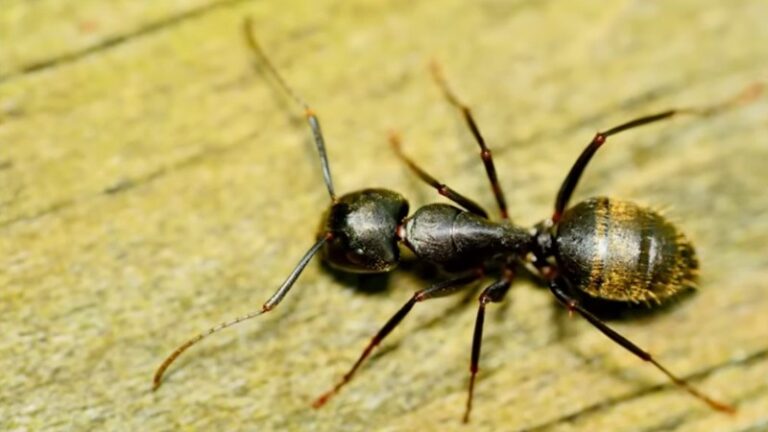
Ever wonder what smells do ants hate? These tiny invaders rely on chemical communication, laying invisible chemical marks to guide colonies toward food. Disrupting that system works remarkably well. According to Healthline, certain concentrated oils and pungent liquids overwhelm their olfactory receptors, sabotaging foraging behaviors and scrambling how ants navigate spaces.
How Do Strong Scents Repel Ants?
- Erases pheromone trails: Potent smells overwrite the invisible chemical trails ants lay down, leaving colony members unable to follow path.
- Physically irritating: Certain compounds overwhelm the ant’s antennae, triggering discomfort ants instinctively avoid.
- Sensory overload: Through excito-repellency, harsh odor receptors get over-stimulate, an irritation so intense the disoriented insects flee area.
According to entomology researchers, ants rely on scent to survive, so strong odors like vinegar, lemon juice, menthol from peppermint, and cinnamaldehyde from cinnamon erase and mask signals effectively.
What Smells Do Ants Hate? Scents, Oils & How To Use Them
Top Scents To Repel Ants
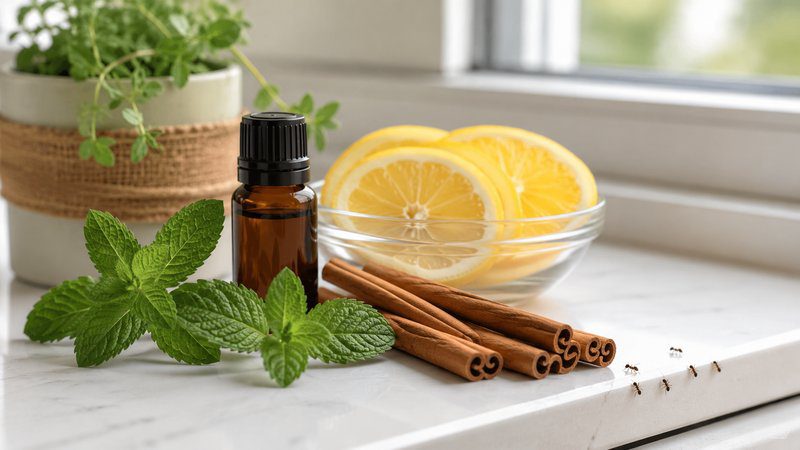
- Peppermint stands out as the frontline defender against ant intrusions, its sharp menthol punch overwhelming their delicate senses and sending scouts retreating fast from your kitchen.
- Tea tree oil brings antiseptic strength, its medicinal bite confusing foragers and breaking the invisible chemical roads they rely on.
- Cinnamon works through its warm, spicy compound cinnamaldehyde, which physically irritates ants attempting to cross treated thresholds.
- Lemon and citrus deliver citral and limonene, two potent deterrents that scramble ant navigation while leaving rooms smelling clean and bright.
- Eucalyptus offers a robust, camphor-heavy aroma that pests find genuinely intolerable, making it a reliable perimeter guardian year-round.
- Lavender, though gentle to us, doubles as a strong deterrent, its floral sweetness masking the scent trails that guide colonies indoors.
- Vinegar disrupts pheromone signals directly, erasing the paths ants leave behind for their nestmates.
- Cayenne pepper and coffee grounds add gritty, scent-heavy barriers that discourage crossing.
How To Use Them
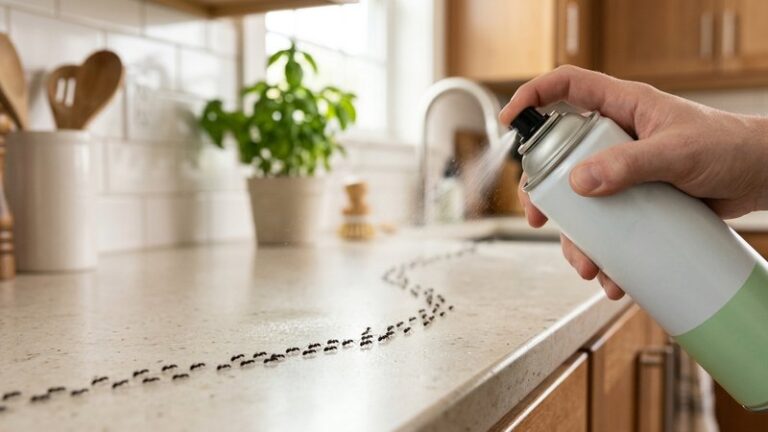
- Spray: Mix essential oils with water in a spray bottle, then shake well before applying along ant trails.
- Soak: Dampen cotton balls and tuck them into corners, cabinets, and windowsills.
- Sprinkle: Lay ground cinnamon or a solid line across entry points and doorframes.
According to pest-control educators at the University of California IPM program, natural repellents work best when reapplied regularly, since a simple peppermint oil spray loses potency as the scent fades within days.
For lasting results, combine 10 drops of peppermint oil, 1 cup water, and 1 teaspoon dish soap for better adhesion, then replace weekly and diffuse eucalyptus through a diffuser in high-activity rooms.
How Scents Work As Repellents
- Pheromone masking: Strong odors like vinegar and lemon juice mask signals ants use, effectively blinding their chemical communication and collapsing organized foraging routes.
- Physical irritation: Compounds such as menthol and cinnamaldehyde cause irritation, physically overwhelming an ant’s antennae and triggering an avoidance response scientists call excito-repellency.
- Sensory overload: Extreme scents flood odor receptors far beyond normal tolerance, and this sensory overload—much like an overpowering perfume—forces ants to flee rather than push through the barrier.
Other Essential Oils That Repel Ants
Beyond the usual suspects, several aromatic oils deliver surprising results against foraging colonies, according to pest experts at Healthline.
- Cinnamon oil contains cinnamaldehyde, which overwhelms scent receptors and disrupts ant scent trails.
- Peppermint oil releases menthol, a fresh-smelling repellent ants actively navigate away from.
- Lemon oil, packed with citral and limonene, ranks among the most potent deterrents for entry points.
- Tea tree oil offers antiseptic properties alongside a sharp, medicinal scent.
- Eucalyptus oil works best in damp environments, though basil, thyme, and rosemary also earn spots as reliable ant deterrents worth testing.
Combining Essential Oils for Maximum Effect
Blending oils amplifies their punch, and the right pairings can turn a mild deterrent into a serious ant barrier.
- Peppermint oil & tea tree oil: their antiseptic properties overwhelm scent trails completely.
- Lemon oil & eucalyptus oil: citral and limonene pair for robust defense.
- Cinnamon oil & lavender oil: cinnamaldehyde doubles as a powerful ant-repellent.
According to aromatherapy researchers, layering distinct chemical profiles matters because ants adapt to single-note smells over time. Rotating these potent deterrents keeps colonies from settling and gives you longer-lasting, natural coverage indoors.
Essential Oils For Specific Ant Problems
Kitchen Ants
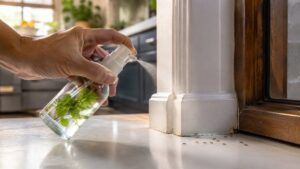
When ants invade cooking spaces, peppermint oil becomes your frontline defense. According to pest specialists at PestWorld, its potency disrupts ant scent trails, leaving foragers unable to communicate. Wipe it near doors and windows where these persistent invaders slip through, and reapply as an ongoing ant control method. The same trick works beyond the kitchen — if you’re wondering how to get rid of sugar ants in car, a light peppermint wipe across seams and cup holders keeps them out.
Bathroom Ants
Damp corners attract them, so tea tree oil works wonderfully here. Its medicinal scent overwhelms pests, while eucalyptus oil and lemon oil reinforce the effect by disrupting scent trails around drains and tiles.
Plant-Based Insecticide Sprays
When ants overrun a home, many people reach for plant-based insecticide sprays built from plant essential oils that both kill and repel ants. According to EPA guidance on minimum-risk pesticides, a quality ant & roach killer or home bug spray derived from plant oils delivers reliable ant control while staying gentler than harsh synthetics. A common question is whether Does Febreze kill ants — it may drown a few on contact, but it isn’t formulated to kill ants or handle real pests.
Once sprayed, these formulas leave residual repellency protection, forming a protective barrier that works at keeping ants away. Target common entry points and the perimeter of your house and yard to deter ants from entering home.
Professional Ant Extermination
When natural methods fall short, calling in a licensed exterminator becomes the practical reality. Professionals bring targeted tools and knowledge that address infestations at their source rather than the surface.
According to the National Pest Management Association, trained technicians identify colony behavior most homeowners never notice, making treatment far more effective than guesswork alone.
Choosing a reputable provider matters because ants exploit hidden pathways. A skilled specialist reads the situation, targets the nest directly, and builds a defense that lasts well beyond a single visit to your home.
Inspection
Every reliable service starts with a thorough inspection. Technicians trace ant paths, locate entry points, and examine foundation cracks, gaps, and moisture zones where colonies thrive undetected inside walls.
Ant Treatment
Treatment is where expertise truly shows. Professionals apply natural pesticides and insecticide sprays strategically, targeting nesting opportunities rather than random spraying. According to Pest World, baiting systems let workers carry active ingredients back to the colony, collapsing it from within. A specialist may combine plant oils, residual repellency protection, and a protective barrier along the perimeter and common entry points, ensuring the treatment reaches deep and disrupts the entire population effectively over time.
Protection Against Further Ant Infestations
Lasting results depend on prevention. Experts seal windows, doors, and utility openings with caulk and weatherstripping, creating durable natural barriers that block re-entry across the exterior walls.
Ant Tips And Advice
Good technicians share guidance too. They recommend you maintain garden edges, clear rotting wood and mulch near the foundation, and practice consistency with a clean routine that removes lingering water sources entirely.
Other Ways To Deter Ants
Beyond scents, keeping ants away depends on removing what draws them and closing the gaps that let them enter your home.
Keep Food Sources Out Of Reach
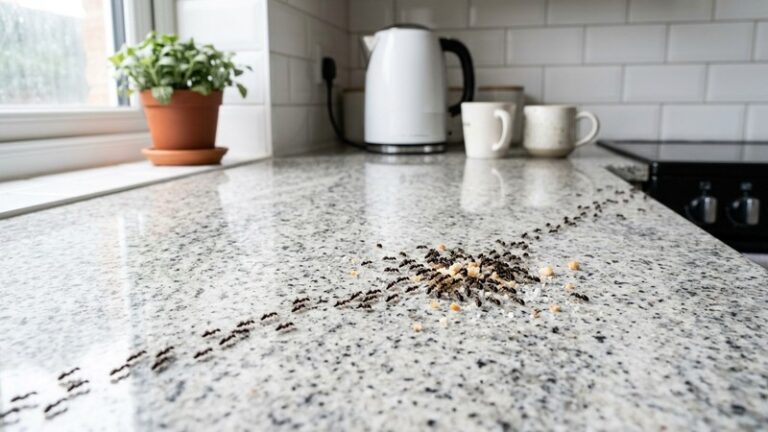
Ants forage relentlessly, so proper food storage in sealed containers strips them of the reward that keeps colonies returning to your kitchen and countertops day after day.
According to the EPA, crumbs and spills fuel repeat invasions faster than most homeowners realize.
Seal Entry Points
Inspect walls, baseboards, and window frames closely, then caulk any cracks, holes, and crevices you find, because sealing entry points denies worker ants the tiny highways they exploit.
Wipe Away Scent Trails
Ants navigate by chemical trails left behind by scouts, so regular cleaning of surfaces with soapy water erases those invisible routes and forces the colony to lose its bearings entirely.
Trim Vegetation Around The House
Managing vegetation matters more than people expect, since branches touching siding act as bridges that let ants bypass your ground-level defenses completely.
Maintain Your Garden
Thoughtful yard maintenance reduces sheltered nesting spots near your foundation, and clearing mulch, debris, and standing moisture makes the perimeter far less inviting for colonies scouting new nesting sites nearby.
Create Natural Barriers
A protective barrier of diatomaceous earth or citrus peels along common entry points discourages foragers before they ever cross your threshold.
Reapply after rain, since moisture weakens these defenses quickly around the house.
Harvest Fruit Promptly
Ripened or fallen fruit near the yard becomes an irresistible food magnet, so gathering produce quickly removes a powerful attractant drawing pests toward your home.
Practice Consistency
Effective ant control is rarely one-and-done; combining prevention tips like regular cleaning, sealing gaps, and steady exclusion efforts week after week is what ultimately keeps ants from re-establishing themselves indoors.
Consistency beats any single quick fix.