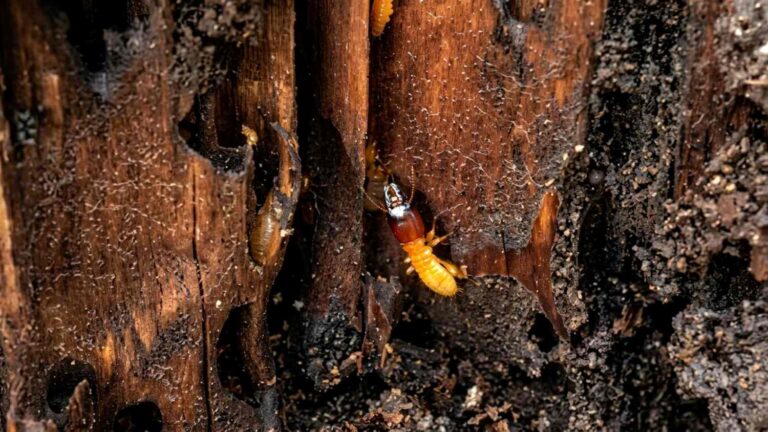
How Much Does Termite Treatment Cost? (2026 Price Guide)
TL;DR
Expect termite treatment averaging $1,500, though infestation severity and home size push cost toward $3,000 or beyond.
Annual termite control runs roughly $205 per year; acting fast prevents costly termite damage repair reaching thousands in damage silently.
Choose liquid barrier treatments, bait systems, or fumigation based on type of termite—subterranean termites versus drywood termites—and structure.
Figuring out the cost to get rid of termites surprises many homeowners early on. The type of treatment, infestation severity, and home size shift pricing more than most homeowners ever expect upfront.
Whether localized or widespread, every home tells its own story. Through access challenges, soil conditions, moisture, and shifting factors, termite pricing rarely follows one simple, predictable formula. For everything beyond cost — identification, prevention, and treatment — our complete termite guide covers it all in one place.
How Much Will It Cost To Get Rid Of Termites — Key Cost Factors
The severity of your infestation sits at the heart of every estimate. A localized problem needing spot treatment runs cheaper, while severe, full structure damage demands costly liquid + bait combinations.
Beyond severity, home size, termite species, and construction type quietly shape numbers. Soil moisture, awkward access, plus foundation depth requiring trenching or drilling, all push the final figure dramatically upward.
Inspection Costs
When termites first show their presence through mud tubes along foundations or hollow-sounding wood when tapped, getting a professional termite inspection becomes the smart, money-saving first move homeowners truly need.
Most companies charge a flat rate between $75-$200, though larger structures sometimes follow a $0.50-$1.00 per linear foot model. Spotting discarded wings near windows during spring signals booking trouble fast.
Treatment Options And Costs
Picking the right treatment method depends entirely on which type of termite invades your house. If you want a full breakdown of the methods themselves, our guide on how to kill termites walks through every chemical and non-chemical option in detail. Each approach carries different cost implications, so understanding the application methods matters before any professional help arrives.
Liquid Barrier Treatment
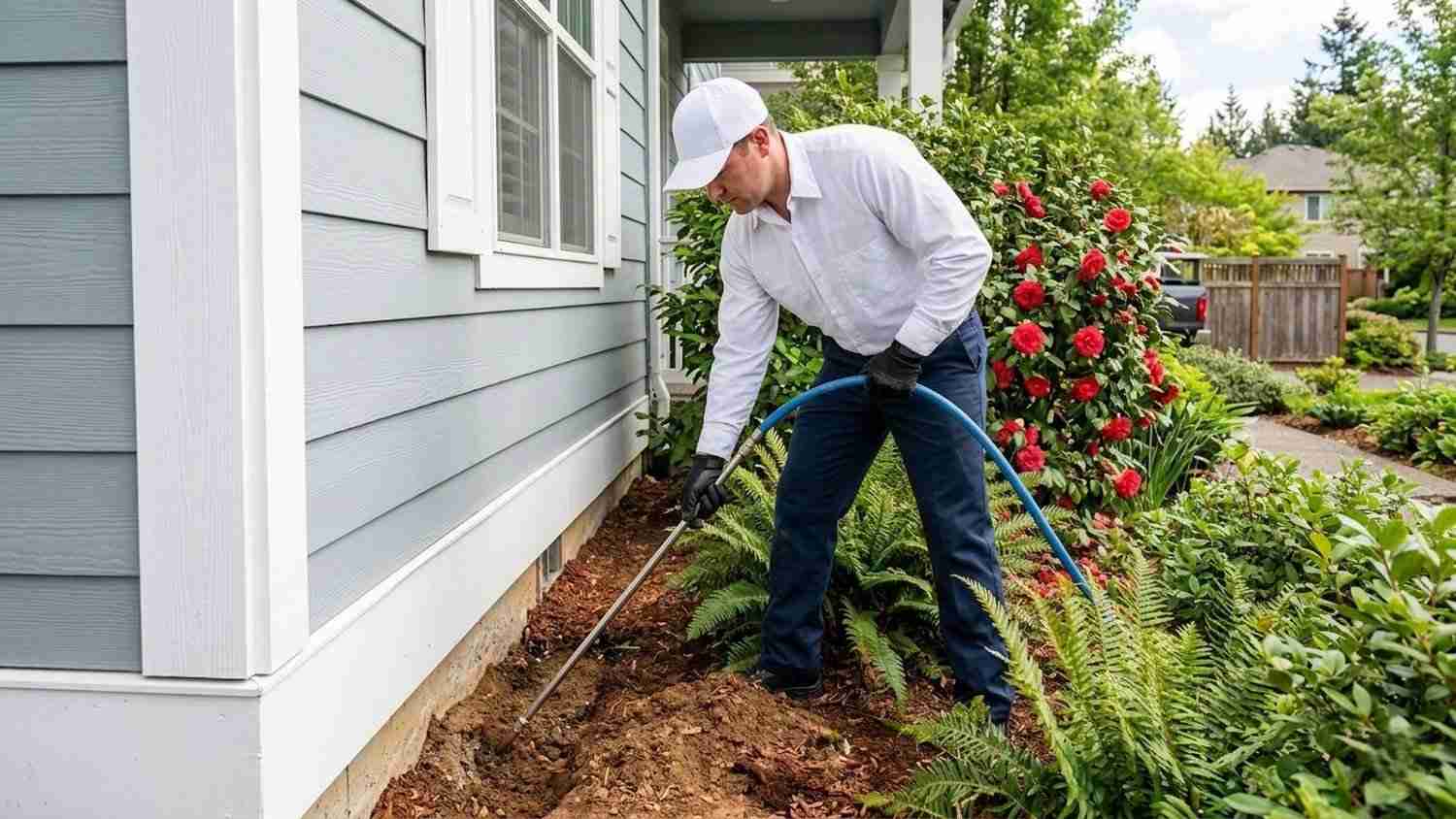
A liquid barrier works by creating a chemical defensive barrier in the soil surrounding your foundation. Liquid treatments like Termidor and Premise run $3-$16 per linear foot, suiting subterranean termites that nest underground.
For an average home, expect $1,000-$3,200 during the initial treatment, followed by annual renewals near $100-$300. Trenching and drilling along the slab ensure these EPA-registered termiticides reach soil moisture zones effectively.
Bait Systems
Bait systems such as Sentricon rely on termite bait station placements around your home, letting termites carry toxins back to the full colony. These proactive bait systems excel when problems are caught early.
Across 3-6 visits spanning 6-12 months, the colony faces collapse. Registered technicians handle each initial visit plus annual renewals, making this a persistent, long-lasting solution against the common termite threat.
Fumigation
Fumigation, also called tenting, addresses drywood termites living in wood above ground. This intensive service seals the entire structure, targeting aggressive Formosan termites and stubborn drywood termite problems within walls and furniture.
Unlike a liquid barrier or bait, fumigation penetrates wood everywhere simultaneously. Professional technicians using calibrated injection tools manage this thorough process, though reinfestation stays possible without ongoing protection afterward.
Cost by Severity
| Severity | Treatment Type | Cost Range |
| Localized (spot treatment) | Targeted application on early-stage problems | $200-$600 |
| Moderate infestation | Liquid barrier or bait stations | $1,000-$3,000 |
| Severe/full structure | Liquid + bait or whole-structure fumigation | $2,500-$5,000+ |
Suspect Termites?
Protect your home — book your free termite inspection.
Fast, no-obligation quote from trusted local termite control pros.
Treatment Cost Vs Damage Cost / Financial Impact
Smart homeowners weigh treatment costs against looming structural repairs. According to industry data, ignored termite damage quietly triggers decreased property value while compromised structural integrity spreads, making early action financially wiser than reactive extensive repairs later.
- History of termite damage
- Increased utility bills present
- Health concerns from mold
- Temporary relocation expenses add
Homes carrying financial effects often sell for 3-5% less than comparable properties. Market observations show damaged insulation drives energy inefficiency, quietly bleeding budgets through avoidable seasonal waste nobody initially predicts.
Beyond visible termite activity, hidden accommodation costs, respiratory issues, and ongoing remediation costs stack up. Owners underestimate how mold growth transforms a small pest issue into expensive layered consequences.
Termite Species and Treatment
Identifying the type of termite matters before treatment. Subterranean termites, the most destructive species in North America, demand trenching and drilling around the foundation, while drywood termites infesting walls often require whole-structure fumigation.
For aggressive subterranean termite infestations, technicians apply non-repellent liquids creating a chemical barrier, or install Sentricon bait stations spaced every 10-20 ft. This slow-acting poison triggers colony collapse, ensuring genuine long-term colony elimination rather than temporary surface relief.
DIY Vs Professional
When weighing your largest financial investment, homeowners often attempt affordable fixes themselves, yet subterranean termites demand licensed technicians who inspect, then treat active areas properly before damage costs silently multiply.
DIY methods rarely save the structure; early targeted treatment wins. Professionals offer protection stopping termites coming back, addressing the pest problem thoroughly while protecting your home since prevention beats cure financially.
Preventive Plans, Warranties & Protection
Smart homeowners know prevention beats cure. A solid preventive plan costs roughly $43 a month, protecting your home against silent invaders before they threaten your largest financial investment through proactive defense.
Most termite bond agreements bundle annual renewals near $100-$300, locking ongoing protection into one contract. This lower stress approach delivers steady damage repair coverage, keeping costly reinfestation worries permanently away.
Choosing A Termite Company
When selecting a professional termite exterminator, homeowners should verify a company uses EPA-registered termiticides and calibrated injection tools. A thorough, long-lasting solution beats store-bought termite products that rarely eliminate a full colony.
According to pest management professionals, technicians spotting entry points and gaps prevents thousands more in damage. Cheap DIY termite treatments fail because persistent termites keep feeding, making real professional help genuinely worthwhile.
Conditions That Raise Cost
According to Texas A&M AgriLife Extension, soil moisture near a slab foundation silently invites subterranean colonies, while heavy drilling and trenching through difficult access points inflate every bill.
The construction type matters enormously; drywood infestation spreading across an awkward layout with a tight crawl space demands more labor, and certain termite species simply resist faster, cheaper remediation methods entirely.
Our Recommendation
When termites strike, the recommended approach is simple: never delay. Catching hidden damage before it spreads saves you from $5 billion annually nationwide woes. These pests work silently, persistently, devastatingly—act fast, protect everything.
The Hidden Costs You Haven’t Considered
Beyond the obvious treatment costs, homeowners rarely budget for damage repair. Replacing structural beams runs $2,000-$10,000, while floor and ceiling repairs quietly add $1,500-$7,000 to your repair bill.
Most homeowner insurance policies exclude termite damage, calling it preventable through proper maintenance. Left unchecked, subterranean termites in humid climate zones cause $15,000 in repairs, exceeding initial termite treatment expectations entirely.
The Warning Signs That Save Thousands
Most homeowners miss the quiet clues until repair bills arrive. Watch for:
- Mud tubes running along foundation walls are the clearest tell that subterranean termites have built highways into your house.
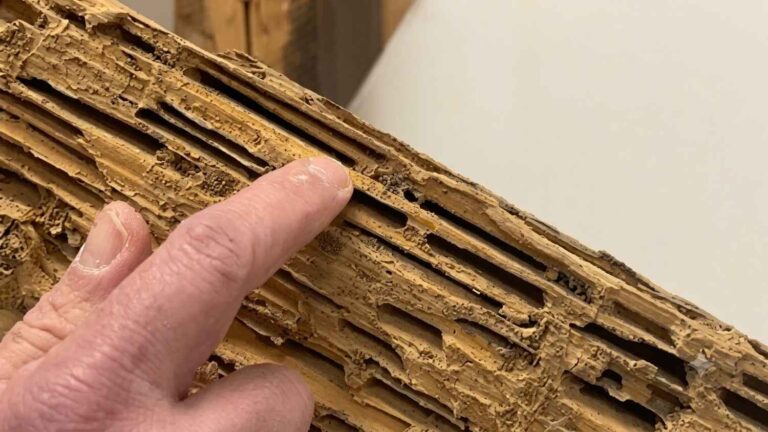
- Hollow wood that sounds off when you’re tapping trim or baseboard, often paired with tiny probe holes left behind by a feeding colony.
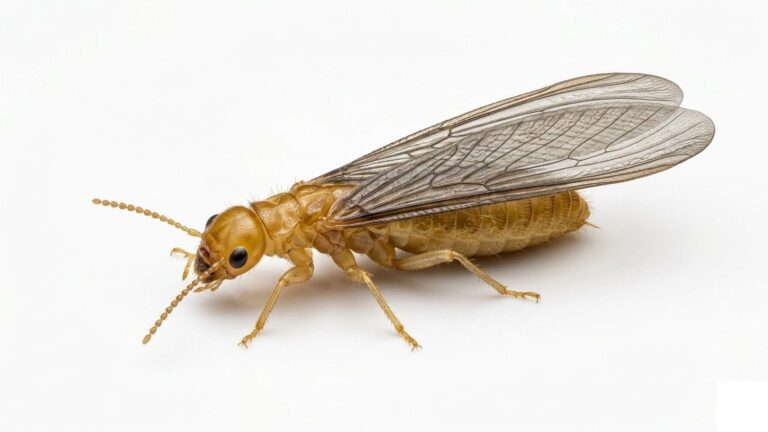
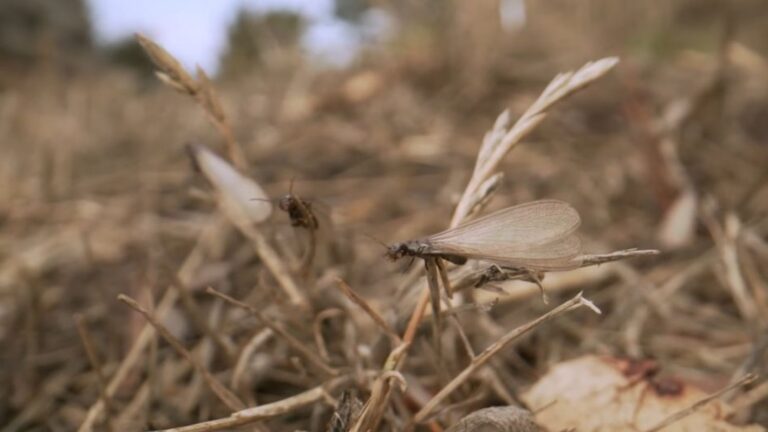
- Winged swarmers gathering near lights at dusk, sometimes with a faint scratch sound inside walls as colonies move and expand.
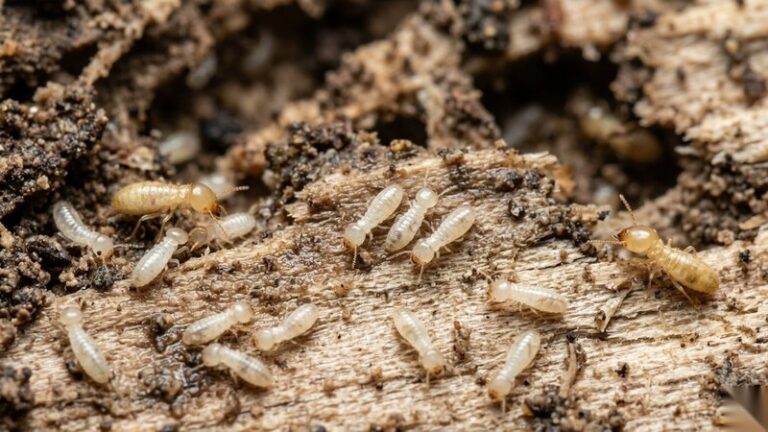
- Discarded wings, mud near soil lines, and visible live termites when you disturb damp earth around the structure.
- Sagging or blistered wood above ground, a frequent marker of drywood termites establishing themselves in furniture and framing.
Catching termite activity at this stage is the difference between a manageable fix and structural ruin. Acting on these signals early keeps a small pest problem from quietly devouring your largest investment.
Don’t Wait For The Damage Bill
Get a fast, no-obligation termite quote today.
Connect with trusted local termite control pros before repair costs climb.
The Bottom Line For Your Bottom Line
Termite activity rarely announces itself loudly. Watching for early signals saves you from spiraling damage costs—those mud tubes climbing foundations, the hollow-sounding wood that betrays trouble when tapped sharply.
Check tight-fitting doors and windows that suddenly stick. Notice tiny holes in drywall, sawdust-like material pooling beneath, discarded wings appearing each spring, plus bubbling paint across uneven wood surfaces everywhere.
FAQs
Can A House With Termites Be Saved?
Most homeowners panic needlessly. According to pest control experts, even a 2,000 square foot home showing termite activity survives once detected early. Subterranean termites that feed on wood cause harm, yet chemical extermination and liquid barriers halt infestation before structural damage becomes irreversible truly.
Is Tenting For Termites Worth It?
For drywood termites burrowing through wood, tenting delivers thorough fumigation. Families leave the home roughly 2-3 days while fumigation services saturate every cavity. Against severe infestations riddling complex rooflines and walls, this worth it approach prevents nagging reinfestation later.
How Many Treatments Does It Take To Get Rid Of Termites?
Termites rarely vanish instantly. Liquid barrier termiticide grants quick protection through one initial treatment, delivering fast results. However, bait stations containing slow-acting poison demand patience across months, plus ongoing annual maintenance until the stubborn pests fully disappear.
What Is The Average Cost Of Termite Inspection?
Booking a professional termite inspection typically runs $75-$200, though many companies offer a free inspection preceding service. Inspectors examine foundation walls meticulously, sometimes pricing per linear foot. That modest cost often uncovers hidden termite damage worth thousands.
How Much Does A Liquid Barrier Treatment Cost?
A liquid barrier using termiticide poison generally costs $3-$16 per linear foot. For an average home spanning 200 ft of perimeter, expect $1,000-$3,200. The foundation gets trenched, flooding soil where termites travel. Pest professionals consider this targeted application dependable.
What Is The Average Cost For Subterranean Termite Treatment?
Nationally, subterranean termite treatment averages around $281, though cost per linear foot hovers near $7.11. These insects nest underground, drawn by soil moisture. Comparatively, drywood termite removal ranges $185-$1,450, while termite damage repair climbs between $350-$791 afterward.
What Factors Affect Termite Treatment Cost?
Several home conditions spike your treatment cost: earth-to-wood contact, stacked firewood, rotting stumps, thick mulch, and poor drainage. Smart landscaping helps too — adding plants that repel termites around the perimeter can naturally lower your long-term risk and cost. HVAC units trapping moisture plus packed crawl spaces limiting access worsen termite risk. The type of termite and severity of the infestation dictate final treatment needs.