How Common Are Termites in Texas? Signs & Risk Zones
Termites are very active and widespread throughout Texas, especially coastal regions and eastern Texas. Subterranean termites dominate statewide, while drywood termites concentrate in Texas coastal counties, making year-round vigilance essential.
⚠️ Critical Warning
According to the Texas A&M AgriLife Extension Service, termites inflict structural losses exceeding billions of dollars nationally each year, surpassing the combined destruction of fires and storms. In eastern Texas, the Termite Infestation Probability Zones rank this region TIP Zone #1, signaling heavy to moderate colony pressure on virtually every property.
Most property owners never spot the threat eating away beneath their floors. The trouble with these insects is their patience, working silently inside walls and foundations for years. By the time significant damage surfaces, colonies have already entrenched themselves, which explains why termite prevention and a proactive control program matter long before warning signs appear.
The Entomological Society of America notes that homeowners across the DFW Metroplex, San Antonio, and Tyler corridors frequently search for the wrong clues entirely, expecting obvious holes or visible pests. In reality, the earliest evidence is subtle and easily dismissed. This guide breaks down exactly what deserves your attention today, so you can catch a prevalent problem before it quietly compromises your home.
Species In Texas
Texas hosts a surprising variety of these wood-feeding insects, with several distinct types established across the state. Their presence shifts depending on region and moisture, with some thriving only in specific pockets. The recognized groups below show how identity differs from one corner of Texas to another.
According to Texas A&M AgriLife Extension, the following species shape the state’s termite landscape:
◆ Eastern subterranean termite colonies dominate much of Texas. If you want a deeper breakdown of this group, see our guide on subterranean termites in Texas. This species ranks among the most widespread across the 48 contiguous states.
◆ Formosan termite populations cluster heavily in coastal areas like Houston and Corpus Christi.
◆ Dark southeastern subterranean termites favor humid, wooded portions of East Texas.
◆ Light southeastern subterranean termites appear in scattered eastern zones near similar moisture conditions.
◆ Arid-land subterranean termites adapt to the drier soils of western Texas and San Antonio surrounds.
◆ Western drywood termites settle into spot infestations around Uvalde and nearby counties.
◆ Southeastern drywood termites establish small pockets within dry, untreated wood across southern regions.
Termite Life Cycle

Understanding How Termite Colonies Grow
Knowing the termite life cycle helps Texas homeowners spot active infestations before significant damage spreads through wooden structures.
- Queen reproduction: A single queen lays thousands of eggs, fueling rapid colony expansion across one single season.
- Caste development: Nymphs mature into workers, soldiers, or reproductives, each with distinct roles defending and feeding the colony.
- Swarming stage: Mature swarmers leave the nest during late spring, mate, shed discarded wings, and start new colonies.
According to Texas A&M AgriLife Extension, a termite queen can live up to a 15-year lifespan, sustaining colonies that persist for decades underground.
When Do Termites Swarm In Texas?
Timing varies sharply across species, yet most colonies release their winged reproductives during predictable windows. According to Texas A&M AgriLife Extension, warmth and humidity trigger these flights, making seasonal awareness a homeowner’s sharpest early-detection tool.
- Eastern subterranean swarmers appear March through May, flooding daylight hours after spring rain.
- Formosan colonies favor late summer dusk, when alates abandon the nest in soil entirely.
- Drywood species emerge quietly, leaving wood surfaces as winged male and female termites disperse.
- Mate selection happens mid-flight; survivors shed wings, becoming grounded dealates seeking shelter.
- A mature colony producing thousands won’t swarm until reaching 3-8 years of growth.
- Early fall brings secondary flights as warm air lingers across southern Texas counties.
- Persistent year-round activity reflects the state’s mild climate and sustained reproductive pressure.
Habitat, Food Source & Damage
Across Texas, subterranean termites dominate, building underground nests where earth moisture sustains entire colonies. According to Texas A&M AgriLife Extension, these social insects thrive underground, while drywood termites prefer living inside wood without soil contact.
The Formosan termite (Coptotermes formosanus) builds carton nests from chewed wood and soil. A single colony holds several million termites, making East Texas and Houston-Galveston zones particularly vulnerable to this aggressive, destructive species statewide.
Every termite craves cellulose, the structural sugar locking wood fibers together. Worker termites chew relentlessly, hollowing joists, piers, and walls from inside out—a stealth habit causing $2 billion in property damage annually nationwide.
Termite Pest Status: How Common Are Termites in Texas?
Texas ranks #2 nationally for termite pressure, a reality every homeowner faces. Subterranean termites dominate here, their underground lifestyle hiding the significant damage these wood-destroying insects inflict across countless properties statewide.
According to the Texas A&M AgriLife Extension, regions spanning DFW, Austin, and San Antonio report heavy activity, while Amarillo, Midland, Dallas, Fort Worth, Houston, and Corpus Christi demand early detection to control mounting repair costs. Homeowners in high-pressure metros can connect with a vetted local pro through our Austin termite control page for a closer look at city-specific risk.
Early Warning Signs: What Texas Homeowners Actually See
Forget the idea that termite damage announces itself with collapsing walls. By the time most Texas homeowners notice obvious destruction, colonies have been feeding silently for months. Here are the real indicators worth watching.
1. Mud Tubes: The Most Reliable Indicator
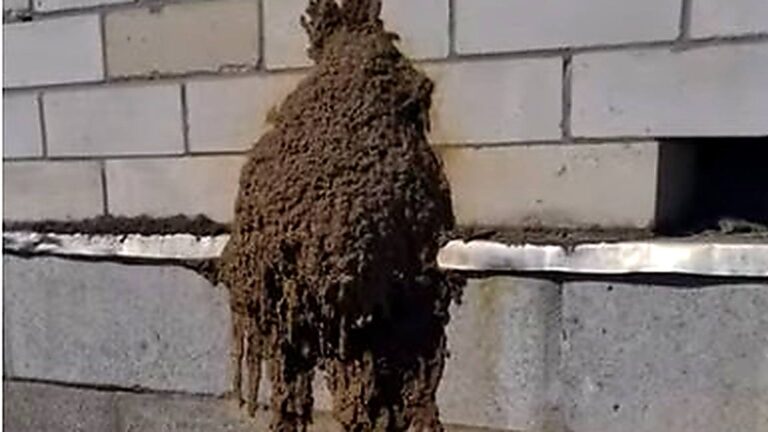
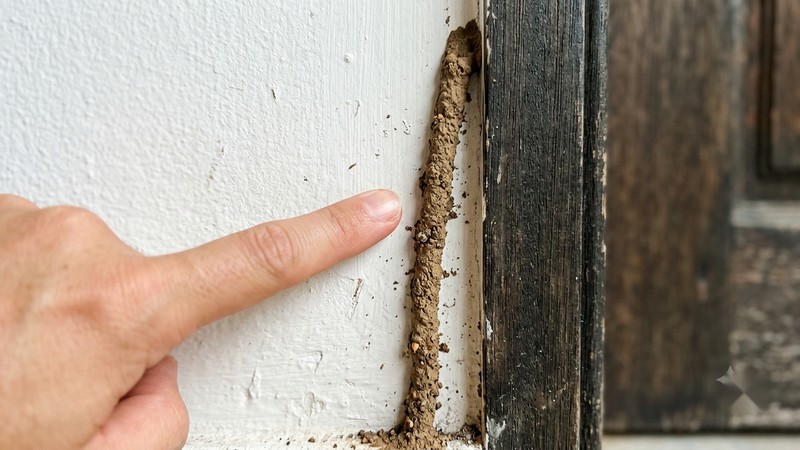
Pencil-thick mud tubes running across foundations remain the clearest sign subterranean termites are active, since these insects need soil moisture to survive.
- Foundation walls: Inspect concrete surfaces where bare earth meets the slab, as tubes climb upward toward wood.
- Pier and beam foundations: Older Texas homes built this way are especially exposed, with piers and chimneys offering hidden travel routes.
- Garage foundations: Frequently overlooked yet commonly infested, particularly near plumbing penetrations.
- Basement walls: Uncommon in Texas but worth checking around joists if your home has one.
Break open any mud tube you discover but resist destroying it fully. Active colonies rebuild within 24-48 hours, instantly confirming whether the shelter tubes signal a current or abandoned problem.
2. Swarmer Activity: Texas Termite Season
Across Texas, spring swarming typically peaks between March and May, when professional inspections catch what casual glances miss.
According to university research, swarmers leave behind telltale structural changes and physical traces:
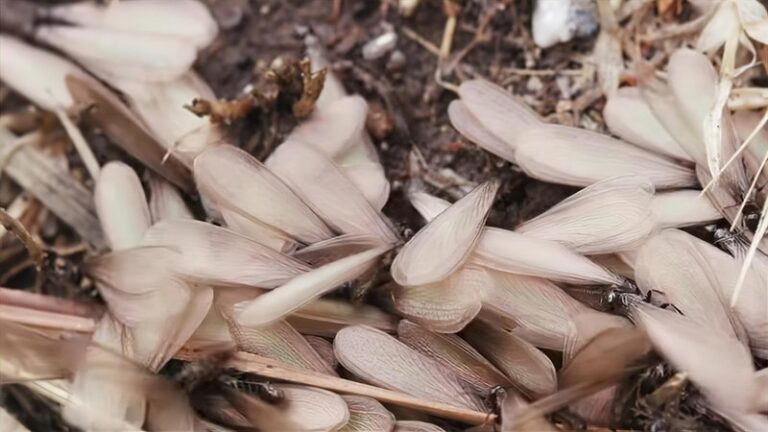
- Discarded swarmer wings near windowsills, doorframes, or light fixtures signal an interior emergence.
- Dead swarmers trapped in spider webs around glass.
- Live swarmers crawling from baseboards or wall voids.
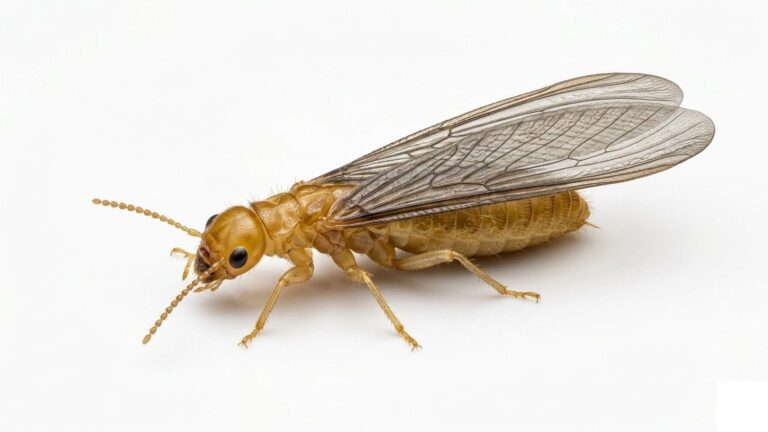
Critical distinction: Termite swarmer wings are uniform and equal in length, while flying ants display unequal, pinched wings. Misreading this difference leads many homeowners toward costly, misdirected treatment.
3. Structural Changes You Can Spot
These signs surface late, meaning accurate diagnosis through inspection becomes urgent once they appear.
- Tight-fitting doors or windows: Swelling walls and warping frames betray hidden moisture damage.
- Sagging floors: Weakened weak structural members and compromised support cause noticeable dipping underfoot.
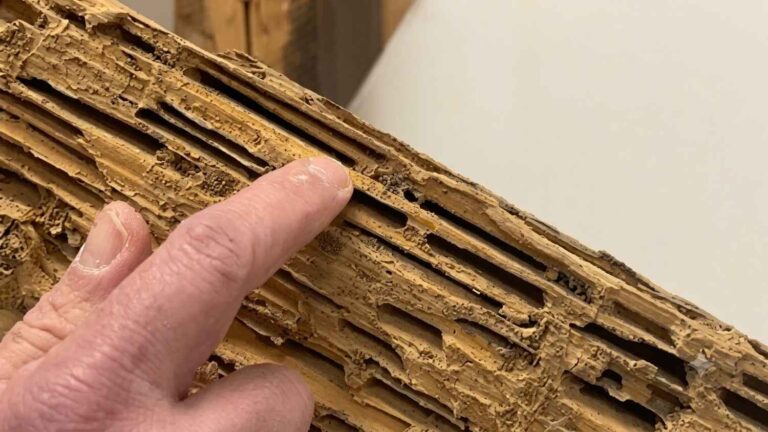
- Blistered wood: Surface blisters or blistered wood on trim hide tunneling drywood termites beneath the paint.
- Soil in cracks: Soil in cracks along baseboards reveals subterranean activity pushing through gaps.
Once you confirm active feeding, the next step is removal. Our guide on how to kill termites walks through the proven treatment options homeowners can weigh before calling a pro.
Suspect Termites?
Protect your home — book your free termite inspection.
Fast, no-obligation quote from trusted local termite control pros.
Texas-Specific Risk Factors: Why Location Matters
According to Texas A&M AgriLife Extension, several environmental and structural conditions make properties across the state uniquely susceptible to colony establishment.
Climate Advantages For Termites
Construction Factors That Increase Risk
Certain building practices create direct wood-to-soil contact vulnerabilities:
- Pier And Beam: Older garage foundations and crawl spaces give subterranean termites easy entry routes. This is common in Keller and Southlake homes.
- Cedar Posts: Untreated wooden fence posts near the structure invite prevalent infestation pressure.
- Wood Mulch: Decorative beds retain moisture and provide food sources beside foundation walls.
- Irrigation Systems: Constant dampness sustains the humidity that active colonies aggressively seek out.
Spotting The Threat: What Texas Homeowners Should Watch For
Knowing where termites concentrate across Texas helps homeowners catch problems before structural damage becomes costly.
Reading The Warning Signs (Critical Detection)
The earliest clues appear quietly, often hidden inside walls and foundations.
- Mud Tubes: The most reliable indicator along foundation walls and garage foundations.
- Swarmer Activity: Discarded wings near windows signal active colonies nearby.
- Structural Changes: Sagging floors, tight-fitting doors, and warped ceilings appear gradually.
- Surface Damage: Small holes, cracked paint, and bubbling plaster reveal hidden tunnels.
Why Texas Location Drives Risk
Regional climate and building styles determine how aggressively termites spread statewide.
- Eastern Subterranean: High activity peaks March-May around Austin.
- Formosan Pressure: Year-round swarming makes East Texas an Extreme zone.
- Construction Factors: Pier and beam foundations and cedar posts invite infestation.
- Landscape Triggers: Decorative wood mulch and irrigation systems elevate the risk level.
According to the Texas A&M AgriLife Extension, San Antonio and basement walls statewide face heightened seasonal exposure during peak months.
Detailed Caste & Wing Venation Descriptions
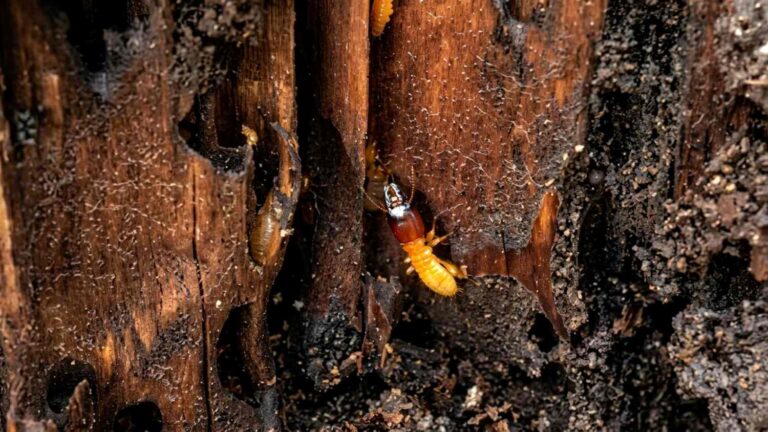
Within every colony, three castes divide labor sharply. The reproductives govern breeding, while workers forage cellulose endlessly. Soldiers wield enlarged mandibles, those formidable jaws built solely to defend the colony.
According to Texas A&M AgriLife Extension, drywood termites display light yellow to yellowish-brown heads, whereas swarmers show smoky gray wings. Nymphs stay wingless, soft, grayish, lacking the darker rectangular plating mature soldiers develop over time.
Wing venation separates termites from winged ants decisively. Termite forewings and hind wings stay equal length, paired with hair-like antennae and broad body segments, never the pinched narrow waists ants flaunt.
FAQs
What Should I Do If I Find Termites?
Spotting live swarmers near windows or doors, or noticing dead swarmers caught in spider webs, signals trouble. According to the EPA, document the early warning signs, avoid disturbing inside walls, and immediately contact licensed professionals for proper inspection and confirmation before treatment. You can request a free quote through our termite control service to get matched with a vetted, licensed Texas partner.
Are There Any DIY Methods To Prevent Termites?
Smart prevention measures start with moisture control: fix leaks, improve drainage, clean gutters, and run dehumidifiers keeping humidity below 50%. Maintain 6-inch clearance, remove wood debris, trim vegetation, and replace wooden fence posts to meaningfully reduce risk.
Suppose My Home Has Drywood Termites. How Can I Get Rid Of Them?
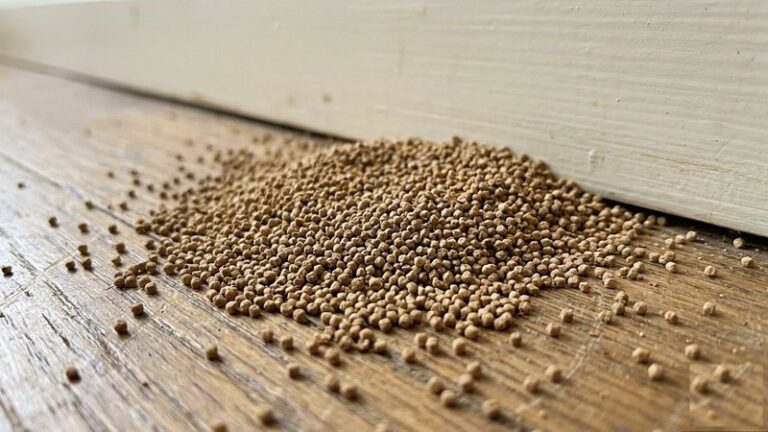
For drywood colonies leaving fecal pellets and kick holes, fumigation remains the gold standard. According to Texas A&M AgriLife, localized post-treatments with baiting systems also work, though whole-structure tenting guarantees complete elimination across hidden drywood tunnels.
What Will An Inspection Cost?
Costs vary by property size, foundation type, and accessibility around basement walls or pier and beam structures. According to industry sources, expect roughly $75–$150, though many companies bundle inspections free with pre-treatments or service agreements. Homeowners in Hurst can compare local options on our city page.
What Does Such An Inspection Involve?
Inspectors examine the soil, wood tubes, and foundation perimeter, checking inside the home for subterranean mud trails. They probe sound dry wood, review disclosure documents, identify susceptible zones, and recommend retreatment schedules or targeted chemical safety treatment options.