8 Plants That Repel Termites + Natural Repellents That Work
Quick Answer: What Repels Termites?
Vetiver grass has the strongest evidence. Its roots produce nootkatone, a compound that repelled and killed Formosan subterranean termites in LSU AgCenter lab tests. Oils from catnip, lemongrass, garlic, neem and clove have also repelled or killed termites in lab studies. Around the house, cedar heartwood, orange oil and dry, well-drained soil help too. None of these replaces treatment for an active infestation.
Termites cause an estimated $5 billion in damage and control costs in the United States every year, so it is no surprise that homeowners look for natural ways to keep them out. A few plants do contain compounds that repel or even kill termites. The catch is that almost all of the proof comes from concentrated oils tested in laboratories, not from plants growing in a garden bed.
This guide covers the plants worth growing, the other natural repellents that work, how to deal with termites in potted plants, and what to do when termites are already in your home or yard.
Do Plants Really Repel Termites? What the Research Says
Yes, but with limits. Researchers at the LSU AgCenter found that vetiver grass roots contain nootkatone and several related compounds that repel Formosan subterranean termites and are toxic to them. In a comparison of eight essential oils, vetiver oil was the most effective repellent because its effect lasted the longest. Nootkatone has since been registered by the EPA as an active ingredient for insecticides and repellents.
A USDA Forest Service study found something similar with catnip. Sand treated with catnip essential oil stopped subterranean termites from tunneling through it, and higher doses killed them. The same researcher pointed out two problems: the oil breaks down quickly in soil, and simply planting catnip around a house probably will not do the job.
That is the honest picture for every plant on this list. The oils work in the lab. A living plant releases far less of the active compound, so treat these plants as one layer of prevention alongside dry soil, smart landscaping and regular inspections.
Best Plants That Repel Termites
| Plant | What repels termites | Evidence | Where to plant |
|---|---|---|---|
| Vetiver grass | Nootkatone and related compounds in the roots | Strongest LSU AgCenter lab studies |
A dense row 2 to 3 feet out from the foundation |
| Catnip | Nepetalactone in the oil | Lab-tested USDA Forest Service study on the oil |
Clusters in garden beds or large pots |
| Lemongrass | Citral in the oil | Lab-tested Studies on the oil |
Sunny borders and patio containers |
| Garlic | Sulfur compounds | Lab-tested Studies on the oil |
Vegetable beds and bed edges |
| Neem | Azadirachtin | Lab-tested Studies on extracts and oil |
Frost-free areas, or pots moved indoors in winter |
| Mint | Menthol-rich oils | Limited Little research |
Containers only, because it spreads fast |
| Marigolds | Compounds released by the roots | Limited Little research |
Sunny garden borders |
| Chrysanthemums | Pyrethrins in the flowers | Indirect The extract is a known insecticide |
Flower beds in full sun |
Vetiver Grass
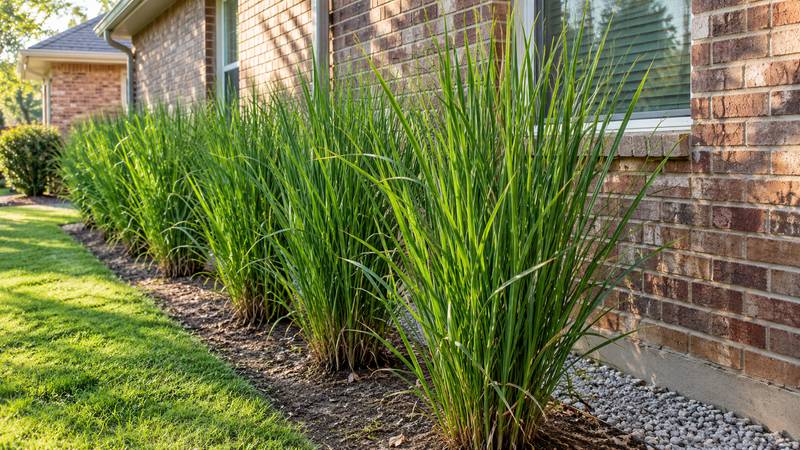
Vetiver is the best-researched plant on this list. Its roots grow straight down, often several feet deep, and they are where the termite-repelling compounds are made. LSU AgCenter researchers have looked at whether a vetiver hedge around a home could work as a living barrier, but that has not been proven in the field yet.
Plant the clumps a few inches apart so they grow into a solid row, and choose a sterile variety such as ‘Sunshine’ so it does not spread by seed. Vetiver loves heat and does well across most of Texas. It will not survive hard northern winters like those in New York.
Catnip
Catnip oil is the second plant extract with solid lab results against termites. The living plant is much weaker than the oil, so grow it in thick clusters instead of single plants and do not rely on it alone. Catnip is a hardy perennial that comes back every year in most of the country. It spreads easily, so cut it back after flowering.
Lemongrass
Lemongrass is a close relative of vetiver, and its oil is rich in citral. In lab tests, lemongrass oil and citral were toxic to subterranean termites. The scent fades quickly outdoors, which is why the plant works better as part of a mixed border than as a single barrier. It is frost-tender, so grow it in pots in colder areas and bring it inside for winter.
Garlic
Garlic oil has killed and repelled termites in lab studies, thanks to its sulfur compounds. In the garden the effect is far milder. Plant cloves in fall along the edges of beds, and treat garlic as a helper plant and not a barrier.
Neem
Neem extract was among the most effective plant extracts in lab tests against subterranean termites. Its main compound, azadirachtin, stops insects from feeding and growing. Neem is a tropical tree that frost will kill, so in most of the U.S. it only works in a large pot. For most homeowners, neem oil is the more practical way to use it.
Mint
Mint has a strong scent and is often recommended against termites, but the research behind it is thin. It is still worth growing because it costs little and deters several other insects. Keep it in containers. Mint planted in open soil takes over a bed within a season or two.
Marigolds
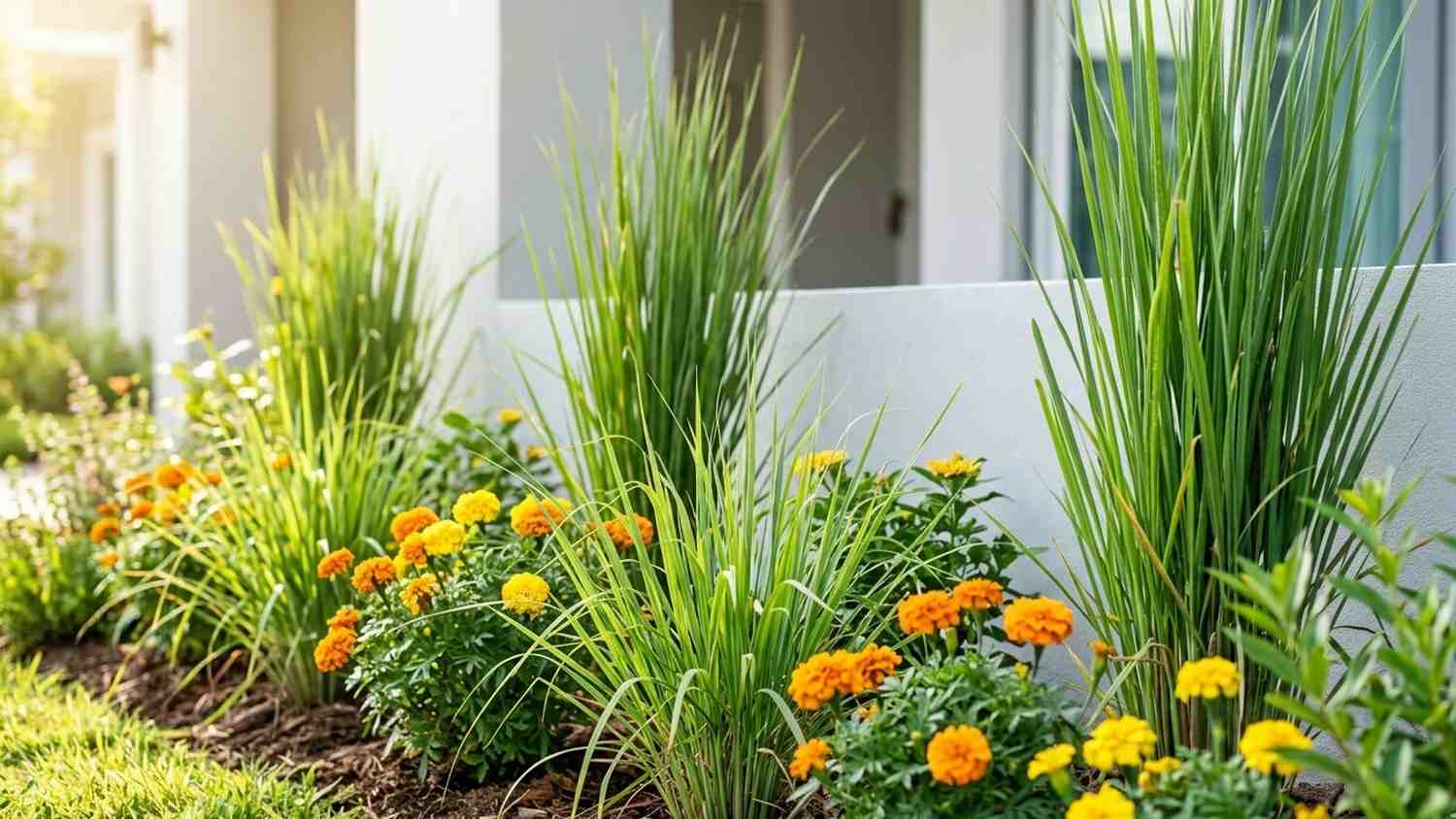
Marigold roots release compounds that are well known for suppressing harmful soil nematodes. Their effect on termites is much less studied. Use them as a colorful border that supports a healthy garden, and do not expect them to stop a colony.
Chrysanthemums
The flowers of the pyrethrum daisy, a type of chrysanthemum, are the source of pyrethrins, one of the oldest natural insecticides. Common garden mums contain far less of it. The extract kills insects on contact, but there is no good evidence that the living plant keeps termites away.
What Repels Termites Besides Plants?
If you want a natural termite repellent with more punch than a garden bed, these are the options with research or long practical use behind them.
- Vetiver oil and nootkatone: the longest-lasting natural repellent in the LSU oil comparison. Even small amounts mixed into sand reduced termite tunneling.
- Clove bud oil: the most toxic of the eight oils in the same study. It killed every termite within two days at the dose tested.
- Cedar heartwood and cedarwood oil: the dark inner wood of cedar contains oils that termites avoid. USDA researchers also found that pine treated with cedarwood oil resisted termite attack.
- Orange oil: its active compound, d-limonene, kills drywood termites on contact. It works as a spot treatment, not as a lasting repellent.
- Neem oil: termites that feed on treated wood stop eating and molting. It works slowly and has to be reapplied.
- Dry, well-drained soil: subterranean termites need moisture to survive. Fixing leaks and drainage around the foundation repels them more reliably than any scent.
One limit applies to all of the oils. The more easily an oil evaporates, the faster it stops working, which is why sprays need frequent reapplication and why none of them protects a house the way a professional soil treatment does.
How to Get Rid of Termites Naturally
Repellent plants help keep termites from settling in. They will not remove a colony that is already feeding. If you have found live termites, these natural methods can help with small, reachable problems.
In the House
- Orange oil: injected into small drill holes in the affected wood, it kills the drywood termites it touches.
- Boric acid or borate: applied to bare wood, it poisons termites that feed on it and protects that wood for years.
- Heat and sunlight: a small infested item, such as a chair, can be left in direct summer sun for two to three days to kill the termites inside.
- Diatomaceous earth: dusted into cracks and voids, it dries out the termites that crawl through it. It stops working once it gets wet.
Outside and in the Garden
- Beneficial nematodes: microscopic worms that are sold for garden use and watered into moist soil, where they infect and kill termites. Results in open soil are mixed.
- Cardboard traps: damp cardboard draws termites in, and you then remove and destroy it. This shows you where termites are active but removes only a small part of a colony.
- Remove their food: take out old stumps, buried scrap wood and rotting landscape timbers.
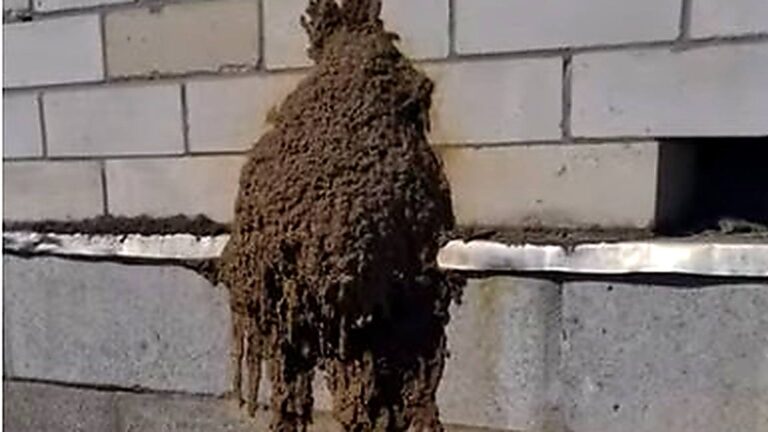
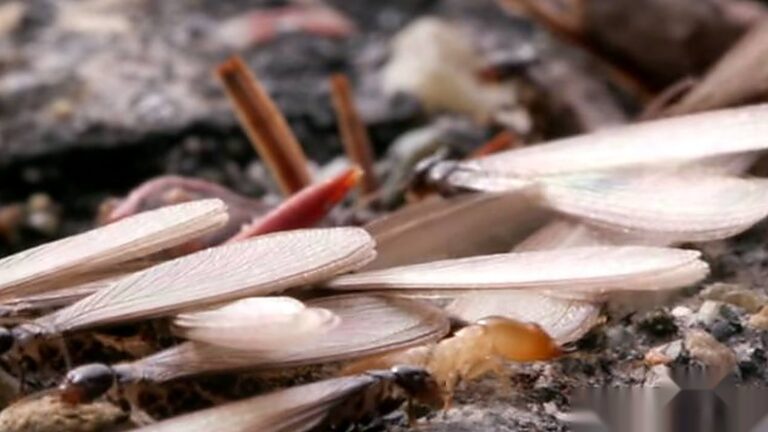
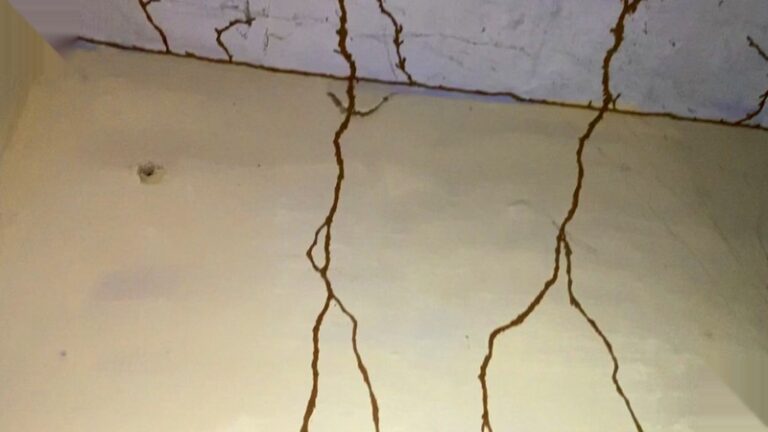
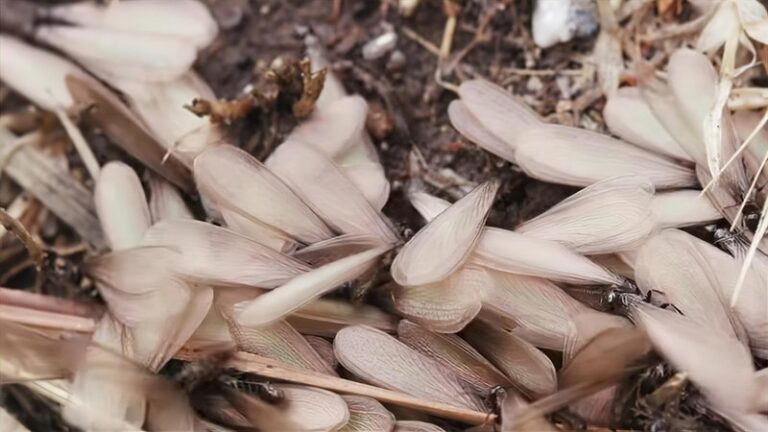
Natural methods kill the termites they reach. A subterranean colony lives underground and can hold hundreds of thousands of members, so mud tubes on your foundation, hollow-sounding wood or swarmers indoors call for stronger treatment. Our guide on how to kill termites covers baits, liquid treatments and when to bring in a professional.
Termites in Potted Plants: How to Get Rid of Them
Termites in a pot are almost always subterranean termites that came up through the drainage holes from the soil underneath. They are after the wood in the pot, such as bark chips in the potting mix, dead roots or wooden stakes. They rarely eat healthy living plants.
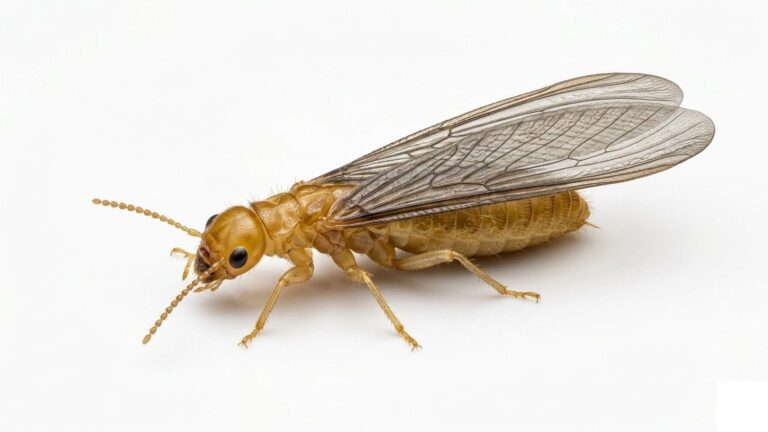
- Make sure they are termites. Termites are pale and soft-bodied with straight antennae and a thick waist. Ants are darker and have a narrow, pinched waist.
- Move the pot away from the house and lift the plant out.
- Throw away the old soil in a sealed bag. Do not add it to compost or spread it on garden beds.
- Rinse the roots and trim off any that are dead or rotting.
- Scrub the pot with hot, soapy water, or switch to a new one.
- Repot in fresh potting mix without large bark or wood chunks, and swap wooden stakes for metal or plastic ones.
- Raise the pot on pot feet or a stand on a hard surface, and cover the drainage holes with fine mesh.
Then check the spot where the pot was sitting. If it stood against a wall and you see mud tubes on the ground or on the foundation, the colony is in the soil and close to your home. That is worth a professional inspection.
Suspect Termites?
Protect your home and book your free termite inspection.
Get a fast, no-obligation quote from trusted local termite control pros.
Landscaping That Keeps Termites Away
Where and how you plant matters more than which plant you choose. A bed of repellent herbs packed against a damp wall does more harm than good, because moisture and cover are exactly what termites look for.
- Keep plants 2 to 3 feet from the foundation. The gap lets air move, keeps the wall dry and leaves any mud tubes in plain sight.
- Keep mulch 6 inches from the house. No wood mulch is termite-proof, including cedar and eucalyptus, and every mulch holds moisture in the soil. Use gravel or rubber mulch in the strip next to the wall.
- Break wood-to-soil contact. Fence posts, trellises and raised beds that touch both the soil and the house give termites a hidden bridge. Use metal, stone or concrete bases, or pressure-treated wood.
- Control water. Fix leaking outdoor faucets, aim sprinklers away from the walls, clean the gutters and grade the soil so water drains away from the foundation.
- Clear dead wood. Remove stumps and fallen branches, and stack firewood off the ground and well away from the house.
- Get an inspection once a year. A trained inspector can find activity inside walls and under slabs that a homeowner cannot see.
Subterranean termites travel underground between yards, so your landscaping is only part of the picture. Learn how termites spread from one property to the next, and what it means for you if your neighbor has termites.
FAQs
Do Geraniums Repel Termites?
There is no good evidence that they do. Geranium oil was one of the eight oils LSU researchers tested against Formosan termites, but vetiver oil was the clear winner in that study, and nobody has shown that living geraniums keep termites away. Vetiver grass and catnip are better choices.
Does Cedar Repel Termites?
Partly. Cedar heartwood contains natural oils that termites avoid, so they feed on it far less than on pine. The pale outer sapwood has little protection, and the resistance fades as the oils dry out over the years. Cedar mulch will not protect a house.
Does Citronella Repel Termites?
Citronella-type oils have shown some activity against termites in lab tests, but they evaporate quickly, so the effect does not last. Citronella candles and torches do nothing to a colony living in soil or inside wood.
Which Plants Repel Both Ants and Termites?
Strongly scented herbs such as mint, catnip and garlic are the usual choices for both pests. As with termites, the evidence is for the concentrated oils, so think of these plants as a mild deterrent.
Do Termites Harm Plants?
Rarely. Termites feed mainly on dead wood, so healthy plants are usually left alone. Stressed, rotting or dead plants and trees can attract them, and Formosan termites are an exception because they sometimes attack living trees. Keeping plants healthy and removing dead wood is the best protection.
How Do I Prevent Termites?
Keep the soil around your foundation dry, leave a gap between plants or mulch and the house, remove wood that touches the ground, seal cracks where pipes and wires enter, and schedule a professional termite inspection once a year.
How Do I Permanently Get Rid of Termites?
No treatment is permanent, because new colonies can move in from surrounding soil at any time. The most reliable approach is professional treatment with baits or a liquid soil barrier, followed by yearly inspections and the prevention steps above. Repellent plants and natural oils are useful extras, but they cannot do that job alone.