If My Neighbor Has Termites, Will I Get Them Too?
Most assume termites spread house to house only when homes built close together share walls, but the real threat hides where homes built close together lack any no visible connections, traveling underground instead.
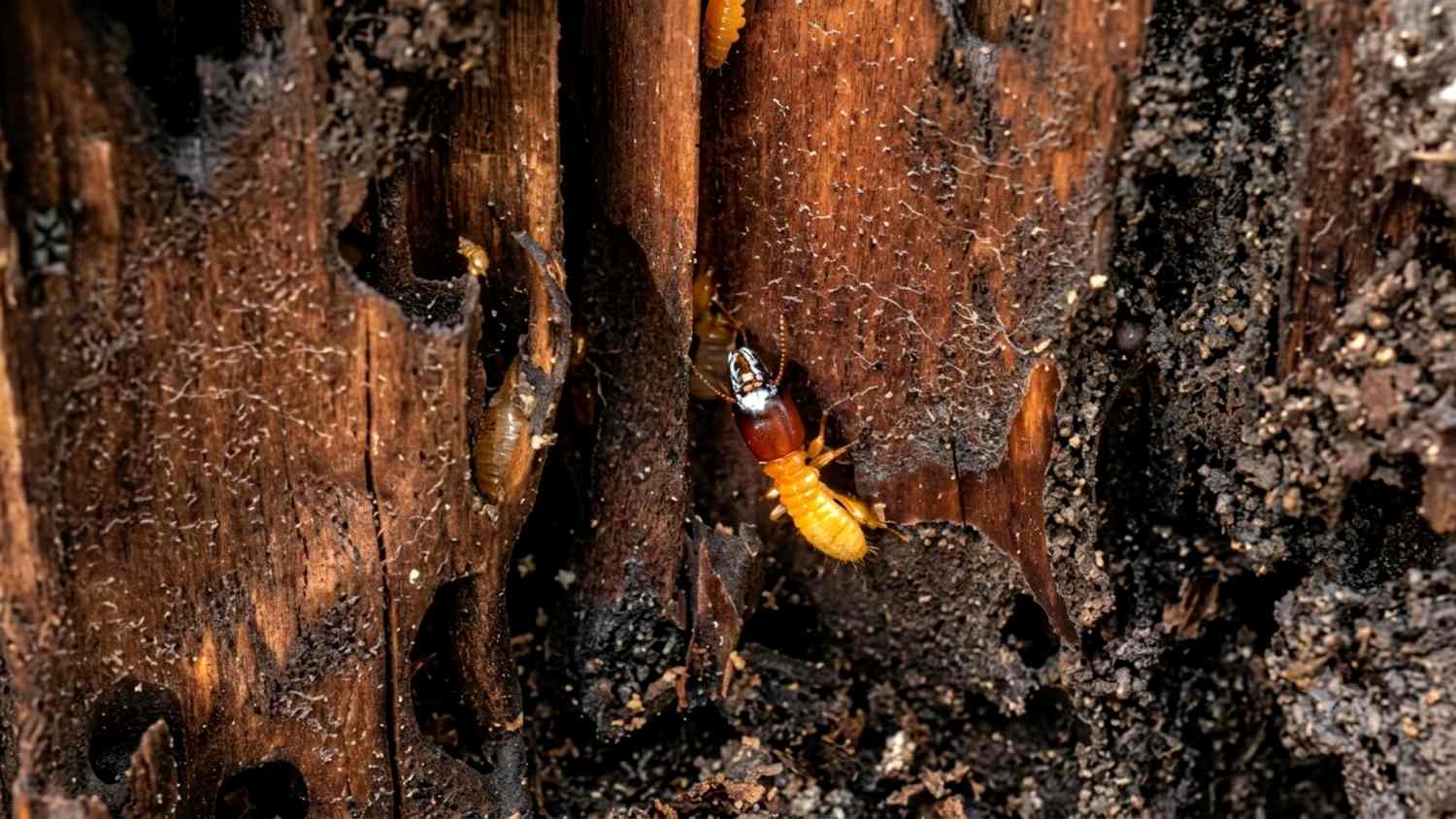
Beneath your yard, subterranean termites push mud tubes through soil, building a nest that links shared wood structures—a quiet community chasing cellulose-based food sources across close proximity boundaries.
Can Termites Spread From House to House?
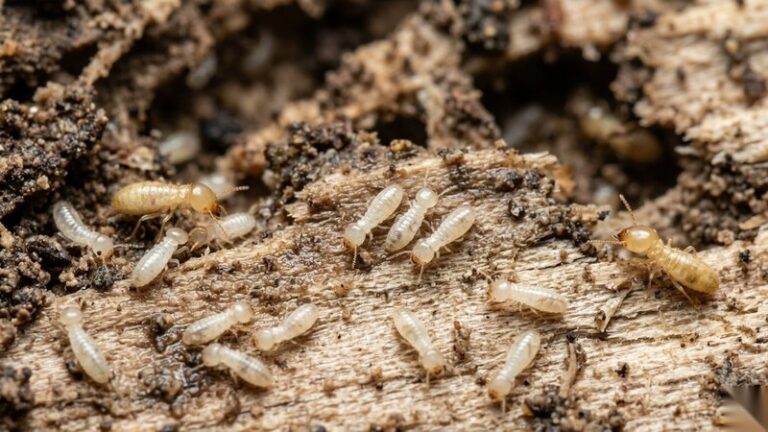
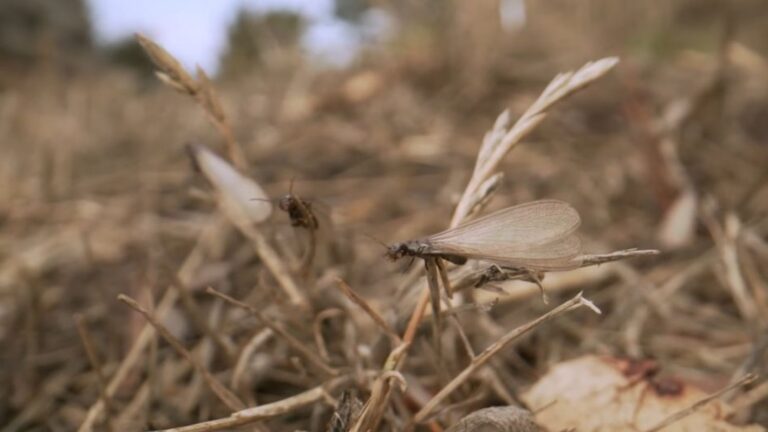
Yes, termites can move between neighboring properties, and the proximity of homes plays a major role. When a colony matures, it produces reproductive members that swarm nearby to start new colonies, while underground workers quietly extend their reach toward any available food source.
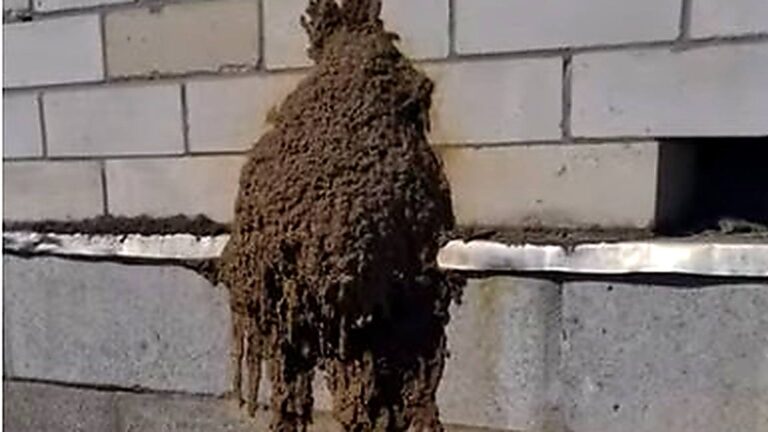
- Subterranean species travel underground through soil, building mud tubes to cross between yards undetected.
- A winged termite, or swarmers, leaves the parent colony to find new place to feed, though these weak fliers rarely cover long distances.
- Shared fencing, landscaping, and wood-to-soil contact create easy bridges that let colonies expand from one lot to the next.
- Once they find your house, any wood on your property becomes a favorable target, especially under similar conditions of moisture and warmth.
In older neighborhoods, the closer the problem sits, the greater the risk to your structure. If a neighbor spots termites, treating the immediate risk early keeps a small issue from becoming costly damage.
Is My Property At Risk From My Neighbor’s Termites?
When a neighbor has termites, the closer the problem sits to your property lines, the greater the risk becomes. With homes close together, these sneaky pests treat boundaries as meaningless, making your house at risk quickly.
These wood-damaging insects multiply fast and create colonies nearby, so any verified infestation next door is too close for comfort. Being more at risk means you should act before termites spread silently underground toward your foundation.
What Attracts Termites
Most homeowners overlook how moisture quietly invites trouble. Excessive moisture near wood structures, paired with mulch beds and decaying wood, creates the favorable conditions these wood-damaging insects actively seek out daily.
Common culprits include tree roots, old stumps, and landscaping debris that become silent magnets. Food sources like wooden fences, decks, and firewood stacked against walls draw termites toward your foundation faster than expected.
Should I Schedule A Termite Inspection?
Acting immediately upon discovery matters more than people realize. When a neighbor discovers termites, the closer infestation higher risk principle applies, since swarming termites can establish a new colony within range quickly.
A regular termite inspection catches an infestation early, before termite damage worse over time sets in. Schedule professional termite inspection when signs of termite activity appear, letting a certified termite specialist confirm activity properly.
Suspect Termites?
Protect your home — book your free termite inspection.
Fast, no-obligation quote from trusted local termite control pros.
What Signs of Termites Should I Look For?

Most homeowners never spot the tiny pests until damage is already underway, which is what makes these sneaky pests so dangerous to any house at risk. Knowing the signs of termite infestation early lets you act before a colony settles in.
- Mud tubes running along foundations, walls, or deck posts are a clear sign of subterranean activity bridging soil and structural wood.
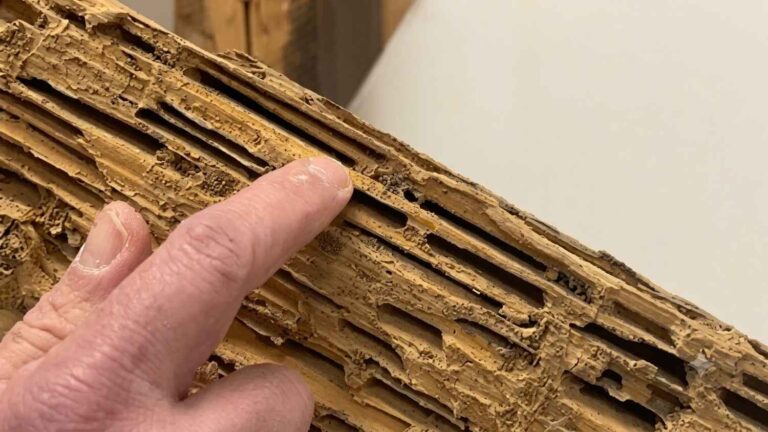
- Hollow-sounding or blistered structural wood, plus visible water damage and moisture issues, often hides feeding tunnels beneath the surface.
- Swarmers or discarded wings near windowsills signal winged termites searching for new nesting sites during swarming season.
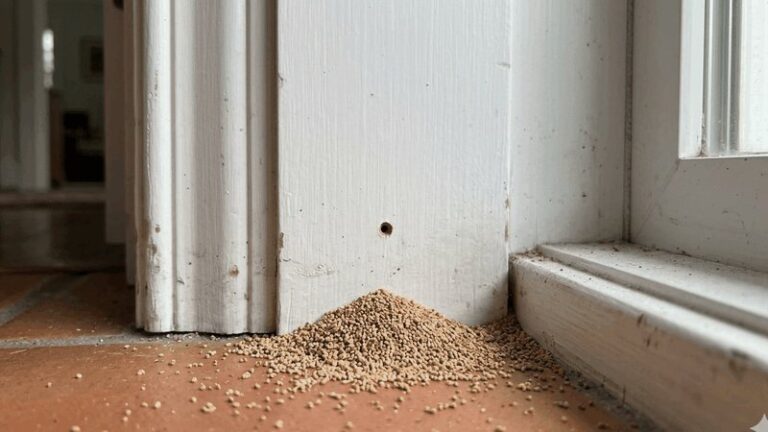
- Tiny piles of pellet-like droppings, cracks in foundations, or warped paint can betray active termites working unseen.
- Frass, sagging floors, and stuck doors are subtle signs, easily missed without a trained eye.
If you notice even the slightest signs, don’t wait—termite damage gets worse over time, so schedule professional termite inspection and let a certified termite specialist confirm whether your suspicion is true before you decide your plan of action.
How to Make Your Property Less Appealing to Termites
Termites hunt for damp soil, wood touching soil, and excessive moisture, so the smartest defense is removing what draws workers in. Cut off easy entry points and you sharply reduce the chance of developing an infestation before it starts.
- Fix leaky gutters and poor drainage
- Remove wood-to-soil contact near foundations
- Clear stumps, firewood, and decaying wood
- Lower crawl space humidity and moisture issues
- Keep siding and fences touching ground sealed off
What To Do If You Have—Or Suspect—Termites
Finding signs of termite activity in your home is never good news, but acting quickly keeps a small termite problem from becoming costly property damage. The right moves early on reduce the chance of a full termite infestation taking hold.
- Book a professional termite inspection immediately once you spot visible mud tubes, discarded wings, or frass near walls and windows.
- Contact a professional termite control company to confirm severity and recommend suitable treatment; the sooner you find it, the easier and cheaper to treat.
- Address conducive conditions—fix leaky gutters, resolve poor drainage, and eliminate wood-to-soil contact that lets termite workers enter and exit freely.
- Stay cautious if you live in a termite-prone area with warm humid climates, since colonies stay stealthy and undetected for months or even years.
Don’t wait until structural damage spreads—take action by scheduling a regular termite inspection with a termite control service company and let a qualified inspector begin treatment before damage deepens.
Can My Neighbor’s Termite Treatment Drive Termites Into My House?
When advanced termite treatments begin next door, the termite control trucks parked outside become a cause for concern. Disturbed colonies sometimes scatter, and your property could suddenly feel like a direct threat.
Neighbors often panic after spotting wood-damaging insects fleeing treated zones. The fear that fleeing termites multiply fast isn’t baseless—displaced swarmers create colonies nearby, leaving you more at risk than before treatment.
Termites Often Pop Up During New Construction
A new structure built with the same materials as adjacent homes shares vulnerabilities. When dwellings sit on identical soil moisture level conditions, termites treat each fresh foundation as an easy target worth exploring.
Swarmers searching to build new colony sites often enter foundation gaps during framing. Fresh lumber and exposed wood make any new structure practically irresistible, especially when builders ignore drainage near recently poured slabs.
Professionals Are Required to Properly Stop the Spread of Termites
DIY fixes rarely halt determined invaders. Professionals inspect thoroughly, then recommend treatment matched to your type of termite and the extent of infestation, deploying bait stations, liquid barriers, or full fumigation strategically.
Once you call a professional, they explain your protection plan, including a termite warranty and annual inspections. Ongoing retreatment ensures colonies never rebound, giving lasting peace that scattered home remedies simply cannot reliably deliver you.
FAQs
Can You Get Termites If Your Neighbor Has Them?
Yes, when your neighbor has termites, your house is next in vulnerability, possibly. The closer the problem sits along shared property lines, the greater the risk. Once someone discovers termites, the property next in line faces increased risk through long-distance travel and swarming termites seeking new nesting sites.
What Is The Biggest Enemy Of Termites?
Professional termite control service remains the biggest threat. Advanced termite treatments like termite baits mix cellulose mixed with poison, which workers carry back, helping spread poison until the settlement destroyed. Fumigation using fumigation tents eliminates termites within the tented space, leaving colonies unrecognizable by termites entirely.
What Are The First Signs Of Termites?
These insects stay sneaky while causing damage behind your wooden walls. Watch for pencil-thin tubes, those protected highways crossing soil. Tap beams and floors listening for hollow-sounding wood. Shed wings scattered near windowsills or light fixtures signal a new colony, alongside pellet-like droppings.
What Kills Termites Immediately?
Direct spray chemicals kill on contact, though experts warn against rushing. DIY solutions rarely eliminate active infestation completely. Borate treatments and termite repellents applied to wooden furniture work well. A prime coat plus paint seals entry points, but professionals act quickly to truly get rid of colonies.