Carpenter Ants vs Odorous House Ants: Which Damages Wood
Quick answer
Telling these two household pests apart matters because one is harmless while the other causes costly property damage. Misidentification leads to ineffective treatments, so correctly identify which species invaded before the infestation worsens indoors.
Appearance
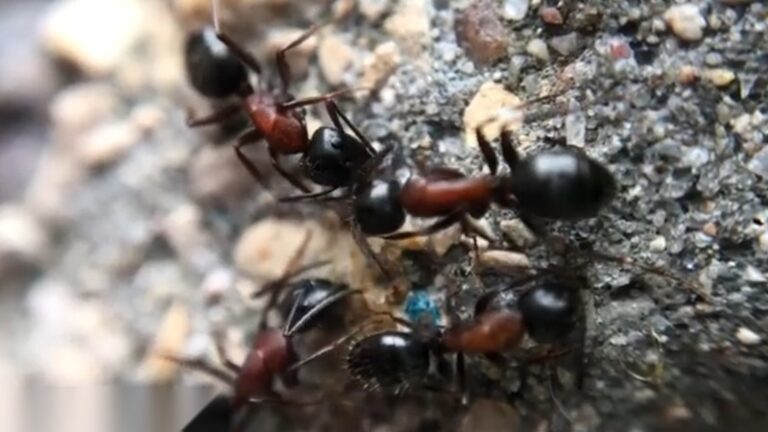
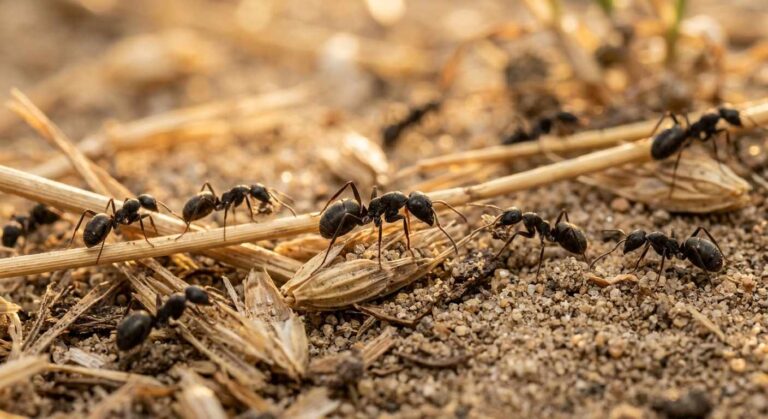
- Odorous House Ants: These smaller, 1/16 to 1/8 inch long ants show uniform dark brown, hairless bodies with a single hidden node. According to PestWorld, crushing them releases a rotten coconut or licorice-like smell.
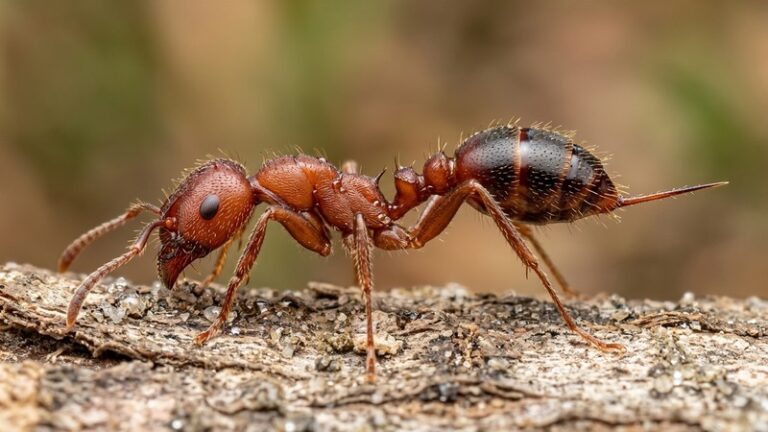
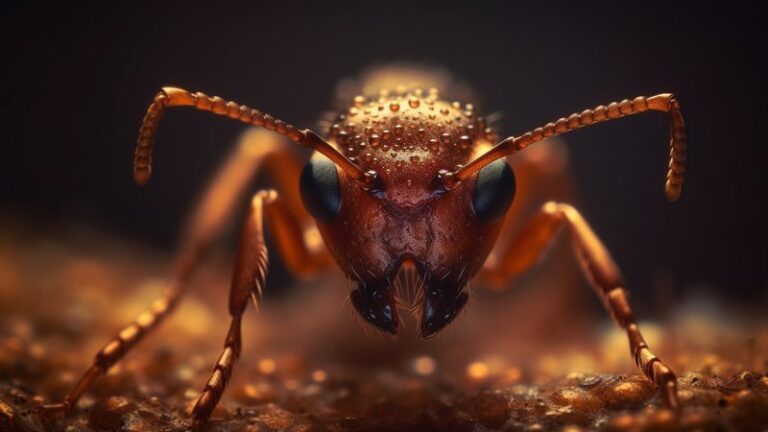
- Carpenter Ants: Among the largest ant species, workers run ¼ to ½ inch long with black, reddish-black coloring, a rounded, smooth thorax profile, single-node waist, and large mandibles built for chewing through wood.
Nesting Habits & Damage
- Odorous House Ants: They nest under mulch, stones, firewood, or near leaking fixtures indoors. According to University extension sources, these nuisance pests forage for sugary foods but do not eat wood or threaten structural integrity.
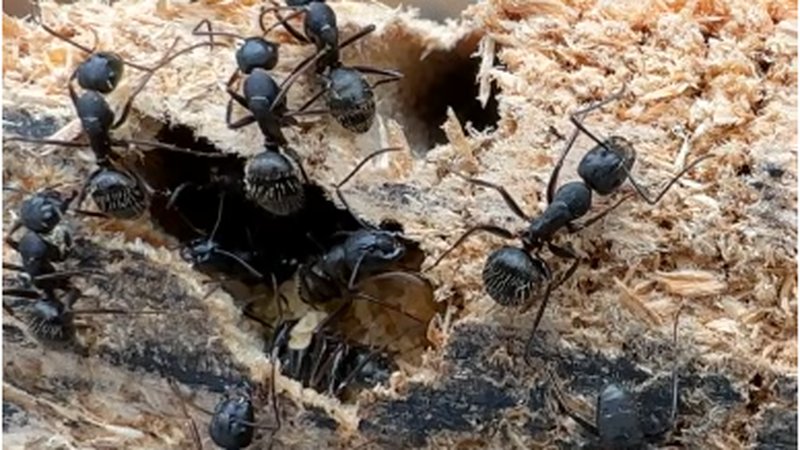
- Carpenter Ants: They excavate smooth galleries inside water-damaged, decaying wood, building parent nests and satellite nests within wall voids and support timbers. This tunneling weakens wooden structures, demanding repairs to protect the health of the house.
Telltale Signs
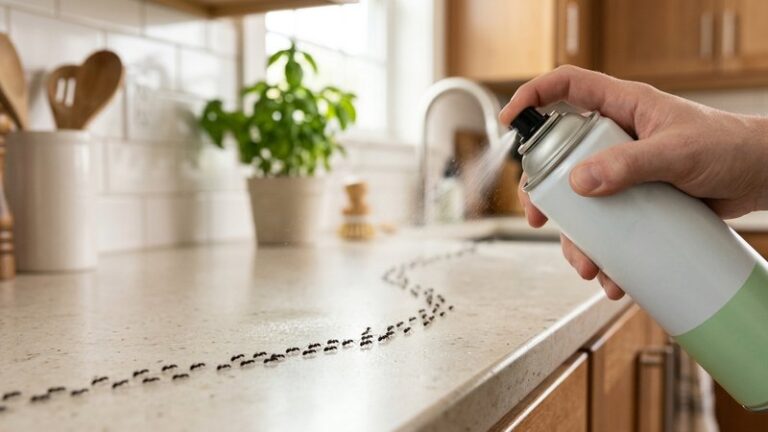
- Odorous House Ants: Watch for long indoor ant trails marching across kitchen counters toward crumbs and sugary spills. According to entomology resources, their established trails persist day and night, especially during rainy periods when they invade homes.
- Carpenter Ants: Listen for rustling noises inside walls, and inspect for sawdust-like frass, winged swarmers emerging indoors, and large black ants active at night. These two clues confirm wood-destroying activity near trim and windows.
Knowing the kind of ant invading your home changes everything. Proper identification must come first because carpenter ants are wood-destroying insects causing bigger issues, while odorous house ants simply frustrate homeowners seeking answers fast.
According to the University extension specialists, the right treatment varies by ant species. To eradicate ant infestations, you identify the specific ant species through key characteristics—since ants rarely travel alone, spotting one ant means many more nearby.
Why Ant Identification Is Important
Knowing which species marches across your kitchen counter changes everything. Carpenter ants are wood-destroying pests that cause structural damage, while odorous house ants stay harmless—the correct identification determines whether you face costly repairs or mere annoyance.
According to the University of Kentucky Extension, misidentification wastes effort. Spraying bug spray at noticeable trails ignores the hidden colony, letting wood-destroyers progress unnoticed. Identifying the pest early shapes your best course of action and property protection strategy.
The Most Obvious Difference Between the Two Ants Is Their Size
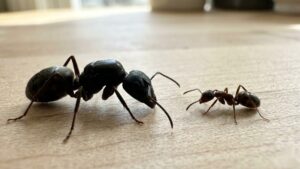
Size settles most ID disputes fast. Carpenter ants are big—an average worker runs nearly half an inch in length, and large black ants moving about your homes often trigger “giant black ants in house” searches. Odorous house ants stay tiny, roughly 1/16 to 1/8, with smooth bodies, a single-node waist, and a pungent odor when crushed.
Where They Nest May Give You A Clue To What Type Of Ant You’re Dealing With
When dealing with large black ants that prefer moisture, their colonies operate through a central queen who establishes satellite nesting areas as the infestation matures. These wood-destroying pests expand outward from a parent site, often choosing damp, decaying wood to anchor their growing population.
According to the University of California IPM program, these structural pests rarely build inside sound wood, instead targeting material softened by water damage or persistent humidity. Outdoors, they travel along established trails between tree branches, firewood, and studs, while warmth and moisture draw foragers steadily indoors during warmer temperatures. Common indoor large black ant nesting sites include, but are not limited to:
- Window frames weakened by condensation
- Joists and beams with rotting wood
- Hollow walls near damp areas
- Baseboards above leaking pipes
- Wall voids holding trapped humidity
- Window frame cavities near drains
The second type behaves very differently, relying on multiple queens that let a single colony splinter into many cooperating sub-nests across a property. These nuisance pests thrive outdoors beneath mulch, rocks, and shallow soil, foraging in fast, line-traveling columns toward sugary foods. Their shifting trails make recurring activity unpredictable, since weather changes and a vanishing food source can send foragers elsewhere. Indoors, they’ll establish nests near kitchens, including but not limited to:
- Pantries storing food
- Cracks beside food surfaces
- Gaps near standing water
- Drains close to garbage
Carpenter Ants Will Damage Your Home, Odorous House Ants Will Not
Those wood-destroying invaders quietly tunnel through decaying wood, hollowing studs and girders to build galleries. According to the EPA, this silent excavation weakens structure over years, leaving frass as the only visible warning sign.
Meanwhile, odorous house ants rank as pure nuisance pests—frustrating, yes, but harmless to timber. They forage sweets across kitchens, contaminating food without touching beams, joists, or any load-bearing element inside your walls.
What To Do If You Find Ants In The House
If ants keep showing up inside your home, day after day, it’s time to bring in professional help before a small nuisance turns into costly issues. Bold Pest Control serves Texas cities including Southlake, and Keller, connecting homeowners with expert local solutions at the very first ant sighting. Our process focuses on accurate identification, locating nests, and pinpointing the moisture sources and food conditions drawing them in.
After a thorough inspection of your property, we build a customized plan of action to completely eliminate the problem for good.
Still Fighting Ants?
Get rid of ants for good — book your free inspection.
Fast, no-obligation quote from trusted local pest control pros.
When To Call Bold Pest Control
Consider scheduling professional help when:
- You keep spotting ants day after day or scattered across multiple rooms
- Your DIY steps and home remedies aren’t reducing activity at all
- You suspect carpenter ants because of their size, moisture issues, or wood-related concerns hinting at hidden nesting
Bold Pest Control connects homeowners to trusted pest control solutions for residential properties across Texas, including Austin and Hurst.
Quick Comparison: Summary Table
Here’s a quick reference guide highlighting the key differences:
FAQs
Do Odorous House Ants Damage Wood Like Carpenter Ants?
No. Odorous house ants are nuisance pests, never wood-destroying pests. Unlike carpenter ants that tunnel through hollow wood creating galleries, OHAs simply forage for sweets. They cause contamination, not structural damage, sparing your home any costly repairs from weakened framing.
If I Have Carpenter Ants, Does That Automatically Mean I Have a Leak?
Not always, but moisture strongly attracts them. Carpenter ants prefer water-damaged wood, damp crawl spaces, and leaky pipes. According to the University of Minnesota Extension, leak-related rotting wood near window frames or plumbing signals conditions attracting ants, warranting a thorough inspection for hidden nesting sites.
Why Do I See Ants One Day and Then Nothing for a Week?
This reflects natural foraging rhythms. Odorous house ants follow chemical trails toward a food source, then vanish once depleted. Weather shifts, satellite nests relocating, and nocturnal behavior all explain why steady trails appear, then disappear across your kitchens unpredictably.