Does Killing Ants Attract More? Yes — Here’s Why
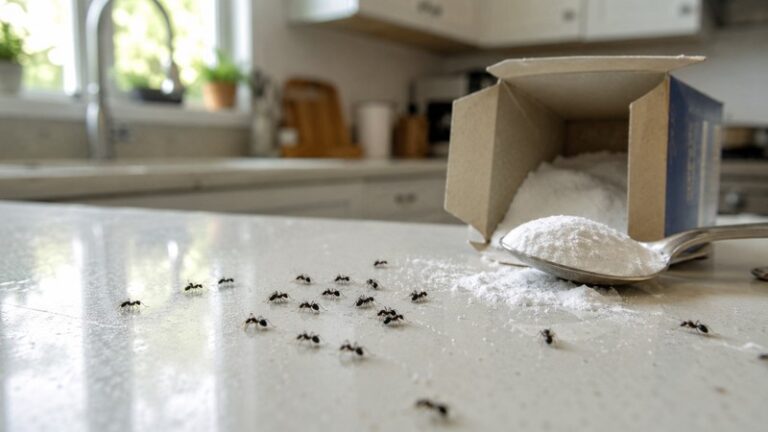
Most homeowners believe squishing ants ends the problem, yet the opposite unfolds. When you kill visible ants, their bodies release pheromones—invisible chemical messages that warn the colony of danger and pull worker ants straight back in.
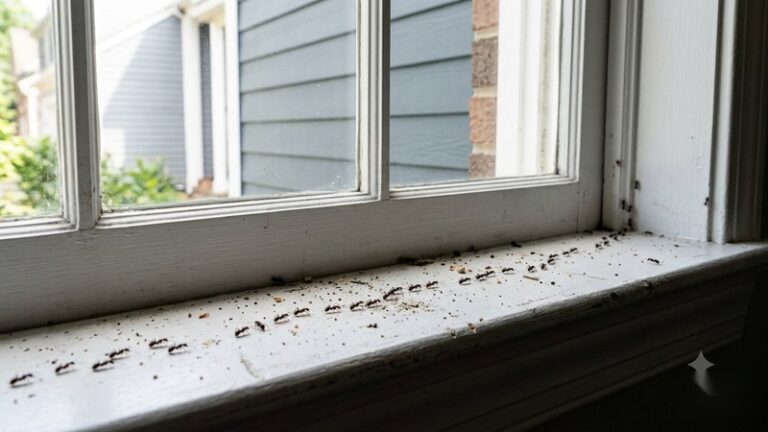
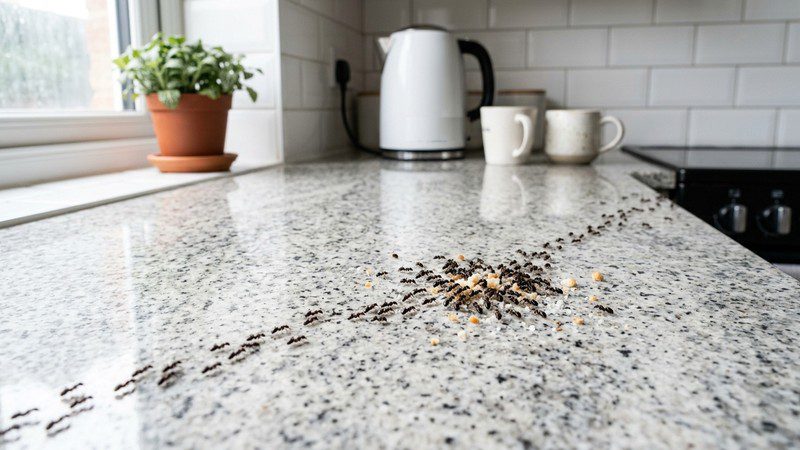
According to pest control experts, these scent trails stay active on stable surfaces indoors, where rain and weather never break down the signals. The trail guiding others persists, so new ants keep returning to that exact same spot.
- Ants communicate through pheromone chemicals, so a killing ants event triggers more checking nearby.
- When one ant disappears, the colony sends more scouts to investigate and rush in.
- Active scent trail paths stay usable indoors where conditions stay stable.
- Dead ants remain emitting chemical messages that make other ants rush in to remove the dead ant.
- Only professional ant control can target the entire colony and stop this cycle.
Does Killing Ants Attract More
Yes, and here’s the overlooked mechanism: killing ants attracts more ants because a crushed ant dies releasing a special type of pheromone—a necromone. This chemical signals nearby worker ants that a nestmate has died, so they follow the trail, carry the dead ant to the midden.
How To Stop Attracting More Ants After Killing Them
Erase The Chemical Signature, Not Just The Insect
When you squish ants, you eliminate the body but leave behind the invisible chemical paths that guided them there. The pheromone trails persist on your counter, sink, and pantry long after the ant gone.
According to pest experts, these surface signals can last longer on stable surfaces indoors, where nothing washes them away. This is why a path leads to food even after you’ve cleaned visible ants.
To break this, clean the area right away with a solution that can disrupt the residue. Once you’ve removed the insect, the smell must go too, or nearby colonies adjust and reuse the route.
Cut Off The Rewards That Keep Traffic Flowing
Ants work as a system, and they keep using any route where a path leads to food. Remove steady food sources and the traffic naturally thins because the payoff disappears.
Inside your home, controlled conditions and a stable environment actually amplify the problem more than outside, since scent trails face no rain or wind. Sealing access points matters as much as wiping surfaces.
The University of California IPM program notes that eliminating moisture and crumbs removes the signals that let ants form trails. Without a reward, individuals stop reporting back and short distances lose their appeal.
Understand Why Cleanup Behavior Is Normal
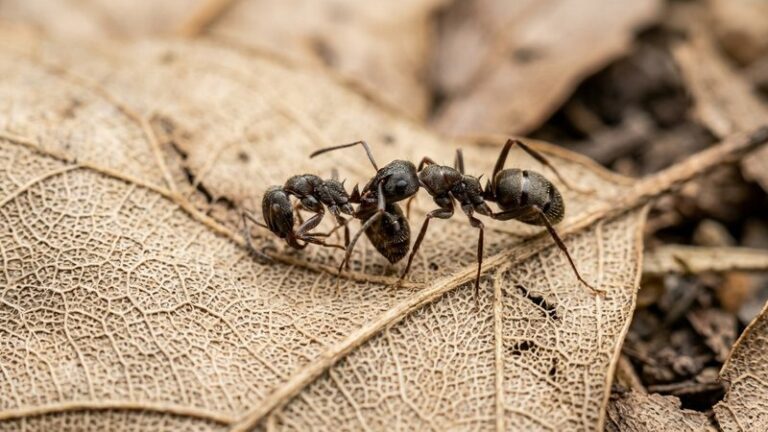
When ants detect a dead ant, their instinct triggers cleanup behavior that is completely normal for colony hygiene. They gather corpses to stop bacteria from spreading through the nest.
If you remove the dead ant yourself, you interrupt this cycle before more workers arrive to investigate. The strongest chemical cue travels the fastest and farthest, pulling reinforcements toward the site.
Because ants act immediately on smells and unique scents left behind, staying ahead of them is key. Don’t panic — consistent removal of both bodies and residue starves the system of the signals it depends on.
What Happens Inside Ant Colonies
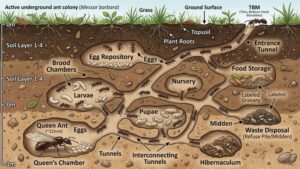
Deep within their nest, ants work as a system, not isolated individuals. According to Texas A&M AgriLife entomologists, colonies adjust constantly, sending worker ants along invisible chemical paths that travels across surfaces to reliable food sources nearby.
When one ant gone through death, surface signals remain. Fellow ants perform cleanup behavior, and ants carrying dead ants toward a midden is entirely normal. This prevents bacteria from spreading, protecting the colony’s shared underground living space effectively.
The colony keeps using established scent trails whenever a path leads to food. Even after you’ve cleaned visible ants or removed the insect, pheromone trails persist. Ants reuse these routes because stable surfaces and steady food sources reward their behavior.
When To Call Professional Pest Control Services
If you’re wondering why are ants so bad this year despite your best efforts, certain warning signs mean it’s time to bring in trained help fast.
- When DIY methods fail to get rid of ants
- If ants nest in closed-off spaces, walls, or underground
- When you need to eradicate an entire colony
- If ant species keep returning after every treatment
- When infestations demand intense, thorough cleaning of nooks and crannies
According to pest management professionals, hiring a professional exterminator or expert ensures exterminators can effectively eliminate hidden populations that surface treatments simply miss every time.
Still Fighting Ants?
Get rid of ants for good — book your free inspection.
Fast, no-obligation quote from trusted local pest control pros.
Do Ants Know If Other Ants Die?
According to entomologists, ants absolutely detect fallen nestmates. When a member of the colony dies, its corpse begins releasing oleic acid, a chemical signal that other worker ants recognize within roughly two days. Cleanup ants then carry the dead body toward the midden, keeping the nest clean.
Is It Good To Kill Ants In Your House?
According to pest control experts, squishing a few ants rarely fixes anything. When you kill visible ants, you only touch a small part of the colony, while the rest of the colony keeps growing. Crushed ants release pheromones that attract more ants toward that spot, worsening activity indoors.
Yes, you absolutely should. When ants squish insects and leave them behind, the remove the dead ant step often gets skipped. According to pest control experts, decomposing bodies last longer as chemical markers, letting scent traffic quietly amplify across every counter.
Whether the mess sits inside your home or drifts outside, act right away. Wipe the sink and pantry, then clean the area thoroughly. Ants send signals across distances, though most stay short. Cleanup helps disrupt how they form trails near access points, so don’t panic.
Have You Noticed An Indoor Ant Nest?
When ants remain inside your home rather than trickling in from outdoors, you’re likely dealing with indoor nests. According to pest management professionals, nests hidden within walls or soil mean the real ant control problem sits deeper than visible ants crossing your counters.
Cleaning alone rarely helps here, because the rest of the colony keeps growing behind structural gaps. Worker ants, larvae, and the queen stay protected while cleanup ants follow the scent left behind, which explains why repeated ant activity signals something larger requiring professional attention.
A Real Homeowner Experience On It
According to Bold Pest Control, one homeowner noticed growing ant activity inside while a large wasp nest sat in a nearby tree. Rather than tackling both issues alone, reaching out meant everything got addressed quickly and professionally.
That confidence came from watching the problem fully resolved, not patched. The lesson holds broadly: pairing steady attention with expert timing keeps small nuisances from compounding, giving households real assurance instead of temporary, surface-level fixes that rarely last.
Common Mistakes That Accidentally Invite More Ants
Cleaning That Spreads Trails Instead Of Erasing Them
Wiping countertops with a damp cloth often just smears pheromone trails across a wider area instead of erasing them.
According to the University of California IPM program, you need soapy water or a vinegar mix to break down pheromones properly.
A rushed swipe leaves faint signals intact, so worker ants keep following the path back toward your kitchen counter again.
Killing Visible Ants Without Fixing The Source
Many people focus on killing visible ants while ignoring the hidden nests and food sources feeding the colony underground.
Squashing scouts feels productive, yet the queen keeps sending more ants because the real issue was never touched.
You remove individuals, but the route still made sense, so new ants simply retrace it within hours.
Leaving Food And Moisture Within Easy Reach
Open dry food, unwiped crumbs, and small drips under the sink quietly attract ants long after the last cleanup.
According to Texas A&M AgriLife Extension, storing food in airtight containers and choosing to fix leaks removes what draws them in.
Skip these steps and ant trails return, forcing you to treat that area repeatedly with little lasting confidence.
Delaying Treatment Leads To More Problems
When ants keep coming back to the same spot, waiting rarely helps. What starts as ants wandering in often becomes an established pattern. Deeper, hidden underlying causes like persistent moisture invite nesting. Treating the same area late means ant trails return daily, and DIY methods fail against growing middens.
How To Get Rid Of Ants In The House
Correctly identifying the ant type you’re dealing with matters more than most people realize. Common ant species invade homes through tiny gaps, and each needs the right treatment method. According to the EPA, professional pest control help paired with sealing entry points delivers lasting results indoors.
How Pheromones Control Ant Activity
When an ant dies, its body releases pheromones that function as a chemical signal. According to entomologists at Texas A&M AgriLife, these chemical trails let worker ants navigate, alert other ants, and mark a food route the entire colony follows repeatedly.
Ants don’t wander randomly; pheromone trails create a short and safe path toward high-value targets. Killing the visible ants won’t help if you remove those signals—crushed ants emit alarm pheromones that alert nearby ants, though the scent fades quickly afterward.
Why DIY Methods Usually Fail
DIY approaches often stumble because homeowners kill visible ants while ignoring the colony underneath. According to the University of California IPM program, surface sprays only target the workers you see, never the queen. Meanwhile pheromone trails stay active, quietly sending more ants along the exact same spot.
Another reason DIY methods fail is timing and reach. Store-bought sprays rarely spread through the nest, so hidden nests survive untouched. When ant trails return daily despite cleaning and sealing entry points, the underlying causes—persistent moisture, structural damage, unnoticed cracks—remain, letting ants return within days repeatedly.
Why Ant Identification Matters
Knowing your enemy changes everything. According to the University of California IPM program, each species behaves differently, which means the specific pest control method shifts entirely from one type to another. Carpenter ants demand tactics that fire ants simply ignore, and misreading them wastes effort completely.
Skip proper naming and you chase symptoms forever. Argentine ants flood in massive supercolonies, while complete elimination hinges on matching treatment to biology. Among common invaders, identifying the exact ant species first turns guesswork into precision, protecting your home from costly repeated failures ahead.
FAQs
Why Do More Ants Appear After You Kill A Few?
When you kill an ant, its body releases pheromones—a danger signal that can alert other ants. According to pest experts, worker ants are drawn to dead ants and investigate the cause of death, then begin carrying the dead ant away, which paradoxically ends up attracting more ants toward that area.
How Can I Stop Ants From Coming Back?
To stop ants keep coming back, focus beyond quick cleanups. Address underlying causes like persistent moisture and hidden food. Removing food sources helps, but sealing entry points matters more since surface conditions rarely explain why they keep wandering in. An established pattern signals something deeper you’re missing.
Do Ants Release A Signal When They Are Killed?
Yes. When you killed them, dead ants release a pheromone chemical that other ants detect by smell. This chemical works to alarm the colony, prompting ants nearby to collect the dead body. If you leave the dead ant on the floor, watch as fresh ants come to collect the carcass carefully.
Should You Stop Killing Ants When You See Them?
Killing ants isn’t productive because it doesn’t solve anything—the colony keeps sending ants to the same area. Living ants don’t follow bodies; they respond to chemical cues left behind. That’s why killing ants in the same spot repeatedly, over and over, never actually resolves your recurring problem.
How Long Do Ant Scent Trails Last Inside A House?
According to entomology research, trail pheromones can last for hours on surfaces. Since pheromones are the main way ants communicate, these scent trails guide nestmates toward food sources. Ordinary regular cleaners won’t fully remove the trail, so specialized cleaners that break down pheromones work far better here.
Will Ants Stop Coming If You Keep Killing Them?
According to pest control professionals, DIY tricks that kill ants fast rarely control ant infestations. Squashing only reduce visible ants, ignoring the main problem. Because non-repellent bait lets worker ants carry the bait back to feed the colony, targeting the queen is what destroys the whole colony permanently.