Why Are Ants So Bad This Year? Causes & How to Stop Them
Quick Answer
If you’re wondering why ants are so bad this year, the culprit is climate change paired with human activity. Warmer temperatures stretch each activity season, while abundant food sources and rapid reproduction cycles let ant colonies thrive and expand relentlessly across homes and businesses.
According to PNAS research, the planet hosts roughly 20 quadrillion ants, a staggering figure explaining their global dominance. Converging factors like urban sprawl, shifting environmental conditions, and warmer weather create ideal conditions, driving these persistent insects to increase their numbers and encounter us everywhere.
As temperatures rise, homes across urbanised areas become ideal environments for opportunistic ants seeking food and moisture. According to research in Ecology, warming temperatures favour heat-tolerant species claiming new territories. Extreme weather events—storms, droughts—create disturbances, giving colonies unexpected colonisation opportunities indoors.
Are There More Ants?
Population booms aren’t random—according to pest experts, warmer, drier stretches accelerate breeding cycles. When species thrive under favourable ideal conditions, their prevalence climbs sharply, meaning noticeable surges in ants foraging indoors reflect real numerical increases rather than mere seasonal visibility shifts alone.
Their supreme adaptability explains sustained survival across 140 million years, and human activity paired with a changing climate hands them extra resilience. Whether this becomes a genuine nuisance depends heavily on which species invades and how promptly you begin managing them effectively.
Which Ants Are You Dealing With
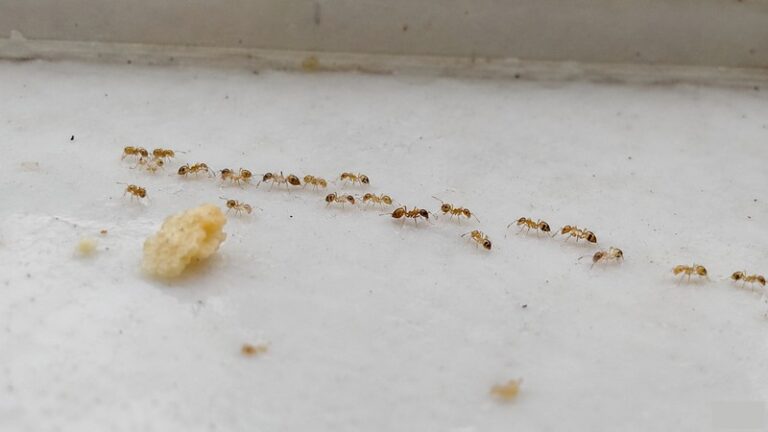
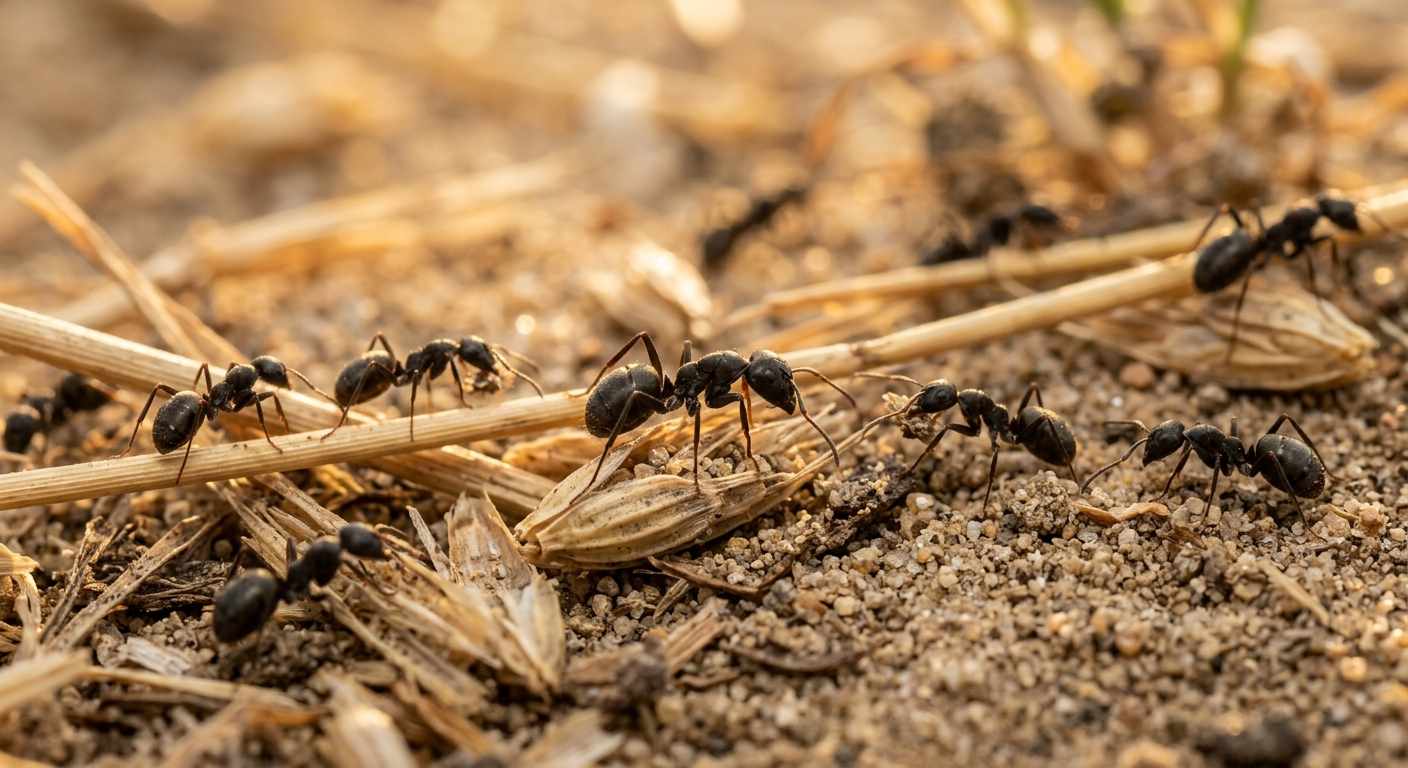
Most homeowners assume every ant is identical, yet identifying the species matters enormously. The black garden ant dominates yards and kitchens, sending foraging workers along trails toward crumbs. These individual workers report back to an egg-laying queen, whose colony can swell into a larger, well-established network underground.
Distinguishing types shapes your response strategy completely. Pharaoh ants demand caution, since aggressive sprays scatter them into wall cavities, worsening recurring infestations. Watchful monitoring of indoors movement, especially near sinks and appliances, reveals whether you face wandering scouts or a genuinely established infestation requiring professional technicians.
How To Prevent An Infestation

Stopping ants before they settle in comes down to sealing opportunities and staying observant, so tackle these five moves before a small issue becomes something worse.
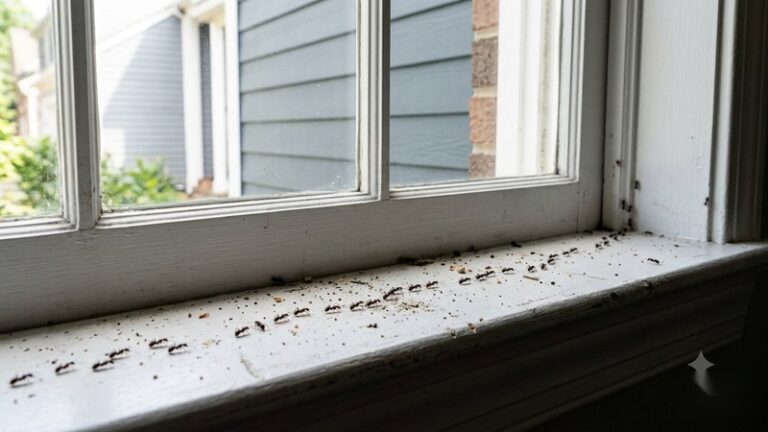
- Seal every entry point where crawling insects slip through hairline crevices near window frames and foundations.
- Wipe down surfaces daily to remove crumbs, food traces, and tempting sweet plant fluids.
- Fix leaky pipes since moisture and condensation draw foragers indoors toward kitchens and bathrooms.
- Store food properly because improperly stored food invites ant workers to forage and leave trails.
- Monitor planters and soil, checking outdoor nests near walls before outdoor infestations creep inside.
According to the National Pest Management Association, consistent vigilance beats reactive treatment, so acting quickly on early ant activity and keeping high-risk zones clean prevents a well-established colony from taking hold.
What to Do If You Spot Ants
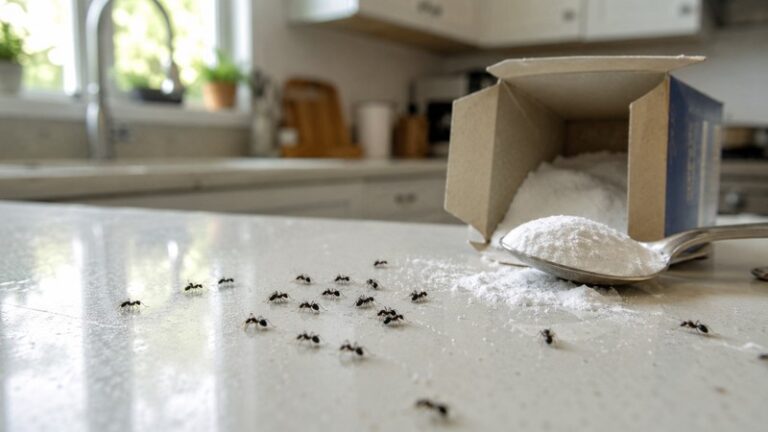
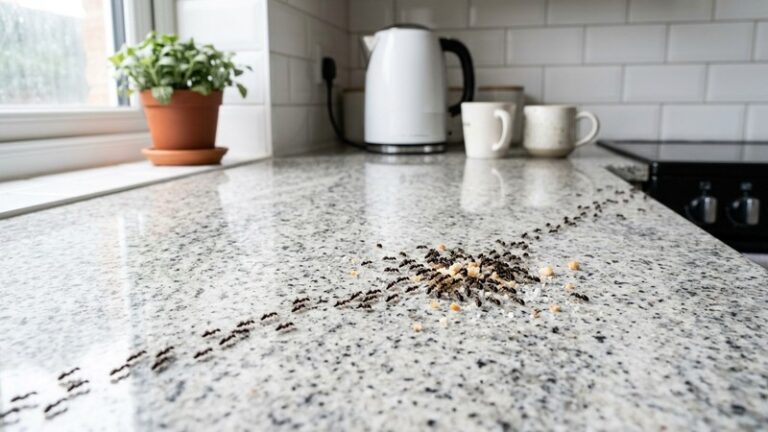
If you spot a handful of ants on your kitchen counter, resist the urge to grab an off-the-shelf spray. According to pest specialists, that counterproductive move only scatters foragers and triggers budding behaviour, pushing colonies to form satellite nests elsewhere throughout your home.
Instead, follow the pheromone trail back to locate the outdoor nest or hidden entry points. A slow-acting bait works because it gets carried back to the queen, collapsing the infestation at its source. Does killing ants attract more? Sometimes yes—crushed wanderers release chemical communication signals summoning reinforcements.
How Does Colony Growth Work?
According to the University of Colorado, a single black garden ant queen drives everything. She begins laying eggs after nuptial flights, and one colony can swell from 4,000–7,000 workers toward 40,000 across successive reproduction cycles, fueled by steady food availability each season.
Queens stay astonishingly productive; lab specimens have survived 29 years, though 15 years is typical. Once natural predators grow scarce and resources turn plentiful, Lasius niger colonies expand fast, launching new nests whenever the surrounding food supply stays abundant and reliable.
Why Are There More Ants In My House?
According to pest control experts, ants turn more aggressive in their search for food and water when rain pushes them indoors. Once a leaky pipe or flooded foundation appears, they respond fast, invading pantries and commercial spaces through their chemical communication system.
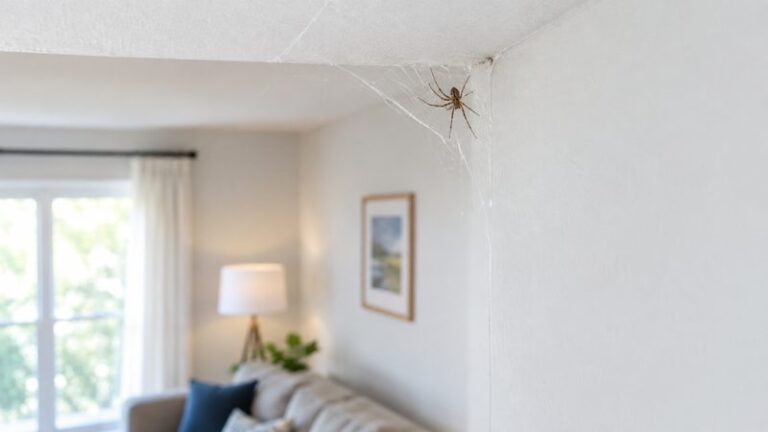
A single black garden ant colony can hold thousands, and with an estimated 20 quadrillion ants on earth, their global spread feels relentless. Longer summers plus warmer summers are extending activity, while aphids feeding on your houseplants become an irresistible resource indoors.
Summing Up: More Ants This Year
Anyone tracking ant activity knows this late spring felt relentless, with trails appearing across every unswept corner and sunny patch of ground. According to pest control expert, warmer conditions push species to search for food aggressively, and their global dominance only strengthens as queens stage repeated nuptial flights outdoors.
The truth is, their everywhere-ness stems from behavioural adaptation—a 2026 study in Urban Ecosystems shows urban sprawl reshapes ant community compositions, letting them persist near a leaky pipe or al fresco meal. Sealing cracks and utility line penetrations with caulk genuinely helps prevent stubborn infestations indoors.
Find Products Near You
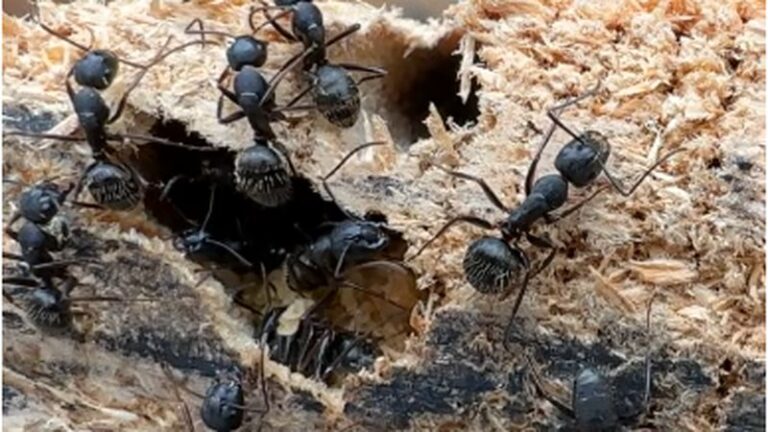
Finding the right treatment starts with knowing which species you’re facing. According to entomologists, matching your product to the most common invaders—whether odorous house ants near sinks or carpenter ants in damp wood—determines success. Local suppliers stock targeted solutions for regional infestations.
For persistent ant problems, professionals recommend bait treatment over spraying foraging workers, since slow-acting toxic bait lets carriers contaminate the nest. Retailers near you offer glue traps, bait stations, and borax-based powders. When a well-established colony proves difficult to eliminate, calling a professional for follow-up beats repeated failed attempts.
Still Fighting Ants?
Get rid of ants for good — book your free inspection.
Fast, no-obligation quote from trusted local pest control pros.