How to Get Rid of Sugar Ants in Car (Fast & Easy)
Quick Answer
- Locate and eliminate every food source, since even the smallest crumbs sustain foraging worker ants.
- Deploy enclosed bait stations so workers carry poison back to the hidden colony.
- Wipe every dashboard surface with warm soapy water to erase chemical trails guiding new arrivals.
- Disrupt pheromone trails using peppermint essential oil sprays, a proven non-toxic roadside deterrent option.
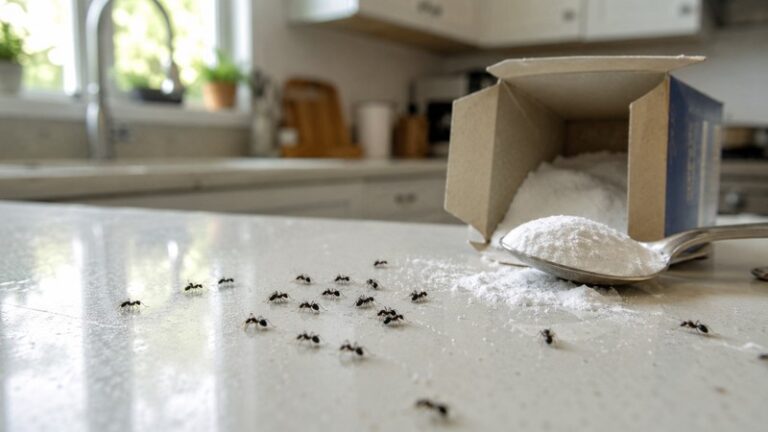
- According to the EPA, pairing diatomaceous earth barriers with sealed containers and diligent prevention stops ant infestation from returning within weeks.
According to pest control experts, car ant invasions rarely announce themselves loudly. A forgotten granola bar or spilled soda quietly fuels foraging trails, while moisture from condensation or leaking door seals transforms your vehicle into unexpected habitats. Understanding these nesting sites early stops visible ants before colonies settle deep.
Sugar Ant Species Definition
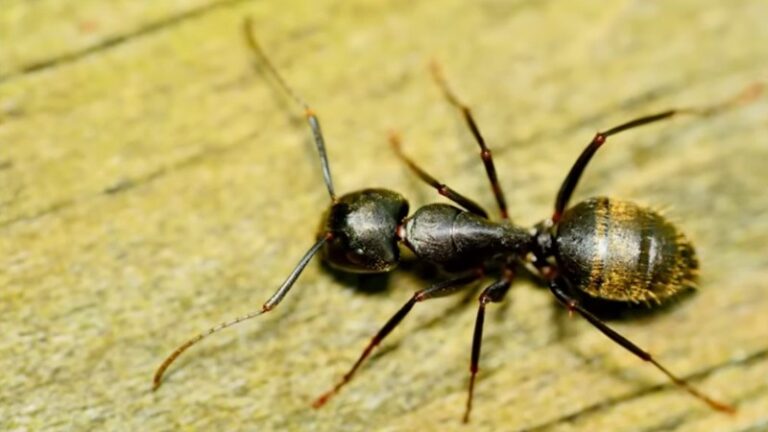
Most people mislabel these invaders, yet what infest vehicles are typically odorous house ants that smell like rotten coconut when crushed. According to pest control expert, they favor sweet foods, dropped greasy foods, and forgotten fast-food meals.
Unlike large black ants nesting in damp wood, these tiny foragers colonize trunks and spare tire wells wherever a moisture problem exists. Distinguishing them from aggressive fire ants near engine bays prevents mistreatment, unnecessary professional treatment, and misdirected effort.
Why Ants Invade Your Car
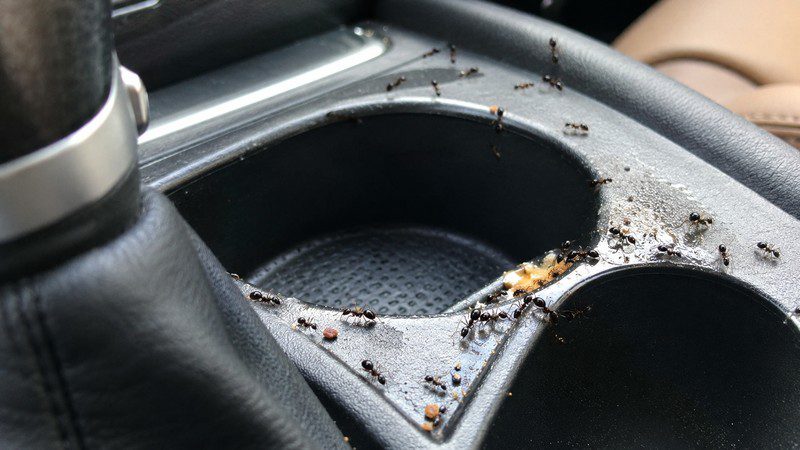
Lingering food particles turn any vehicle into a target, since forgotten candy wrappers, fast food bags, and spilled drinks wedged inside cup holders or door pockets broadcast a steady chemical invitation that scouting workers cannot ignore once they detect the sugary scent drifting from your parked car.
Moisture buildup seals the deal, because water leaks around door seals, faulty sunroof drains, or a damp HVAC system create the humidity ants crave, mirroring the conditions that draw ants in kitchen sink basins where standing water collects.
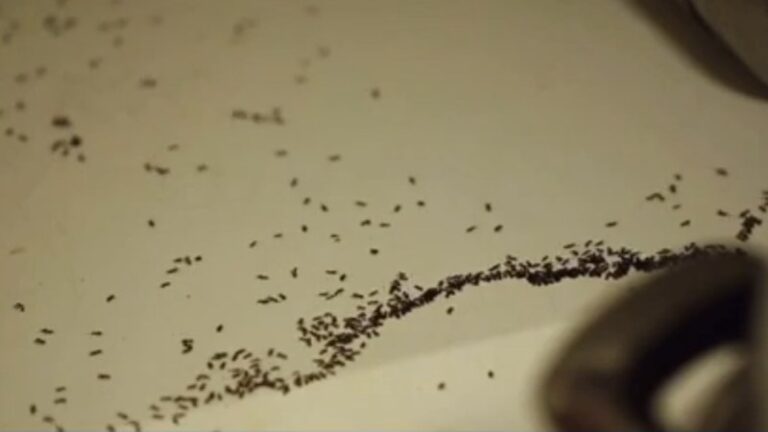
Ant scouts operate as advance agents, following chemical trails back to nest-mates after locating food crumbs and sugary spills; according to the University of California IPM program, this pheromone signaling is precisely how a lone forager escalates into a marching column overnight.
Parking near plants, mulch beds, and active ant colonies hands these insects an easy bridge, letting scouts climb from surrounding grass, dirt, and pavement straight into wheel wells, especially when overhanging trees and nearby ant mounds sit within reach of your usual spot.
Eliminate The Food Source
The whole game starts with what you leave behind after a fast food run.
Every granola bar wrapper wedged in a seat, every spilled soda drying in a cup holder, becomes a beacon; worker ants follow scent trails back so the whole colony find food.
Clear out leftover food wrappers, soda cups, that empty water bottle rolling under the seat, and any loose food hiding in door pockets.
Then vacuum, wipe, repeat.
Dollar vacuum kiosks at car washes handle the deep stuff; hit the cup holders, seams, and carpeting where crumbs and sugary spills settle unseen.
Kill the buffet, and the foraging trails lose their reason to exist.
Use Ant Baits And Traps
Sugar-based baits work slower but smarter than sprays.
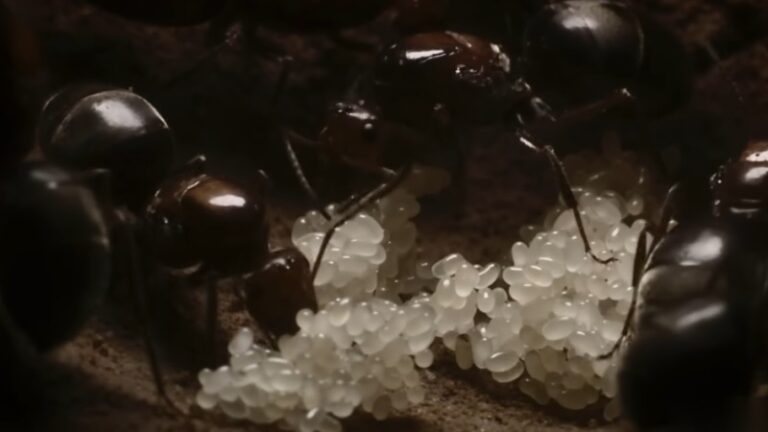
Foragers carry the poison back, which is why baiting beats crushing individual ants. According to the University of California IPM program, letting workers ferry bait to multi-queen colonies collapses the whole nest rather than one visible ant trail.
Match the bait to the species of ants you’re fighting.
Carpenter ants and odorous house ants chase sugar, so sugar-based products suit them, while grease-loving pavement ants may ignore sweets entirely; protein-based baits or contact products handle those stubborn foragers near driveways and slabs.
Place bait stations along scent trails, not randomly across seats.
Give it days, not minutes, before judging results.
Disrupting Pheromone Trails
Ants navigate by pheromones, chemical signals left along door handles, seat tracks, and dashboard vents.
Wiping these surfaces breaks the ant trail markers that guide scouts.
According to the University of California IPM program, a simple pH-neutral interior cleaner or soap with a damp cloth erases the invisible highway, so foraging ants lose their way back to any source of food hidden inside.
Certain smells ants hate also interfere here.
Peppermint oil sprays and spearmint oil confuse their scent receptors, and reapplying near crevice attachments, floor mats, and trunk liners keeps freshly cleaned infested areas from reconnecting into fresh ant trails.
Checking Under the Hood
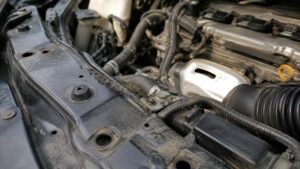
Pop the hood first because the engine bays stay warm long after driving, and this hidden warmth pulls colonies deep into insulating materials and sound-deadening foam where nesting quietly begins near tucked-away hiding spots.
Trace the wiring next, since certain species tunnel into electrical housings, gnawing at protective layers. According to the University of California IPM program, ants nesting near circuits create real hazards worth catching early.
Watch for tell-tale signs like chewed insulation, faint short circuits, or chewing wires near battery terminals. Fire ants especially favor these tight compartments, and their presence often signals a colony already establishing itself somewhere within reach.
Inspect the perimeter last, because parking near colonies invites migration. Ants follow pheromones upward from soil, exploiting the warmth your machine offers.
Where You Park
Park on paved surfaces whenever possible, keeping tires away from grass-concrete edges and colony-rich surfaces where ant trails begin. Distance from soil disrupts easy access into your vehicle.
Avoid parking near colonies, especially close to trees, building foundations, or fresh small mounds of dirt that signal active nests within a short foraging range of your car.
Watch for cracks where pavement meets dirt, alongside concrete slabs and expansion joints in concrete; ants exploit these gaps, then hitch rides indoors during warm humid summers seeking warmth.
When To Call A Pro
Some ant battles need reinforcements:
- Persistent fire ants returning despite repeated DIY efforts
- Colonies nesting inside wiring or deep electrical housings
- Stinging species posing a genuine bite risk to passengers
- Infestations surviving beyond 3 weeks of consistent treatment
According to the University of California IPM program, ant colonies tucked into vehicle cavities rarely clear through surface sprays alone, since the queen stays hidden. When DIY efforts stall and activity keeps rebounding, that stubborn cycle signals a colony you simply can’t reach.
Reaching a trained technician saves both your sanity and your car’s delicate systems from lasting wiring harm. If ants keep marching after weeks of scrubbing and baiting, skip the guesswork and reach out to info@boldpestcontrol.com for a proper inspection today.
Still Fighting Ants?
Get rid of ants for good — book your free inspection.
Fast, no-obligation quote from trusted local pest control pros.
Common Car Ant Species
According to Argentine ants, odorous house ants, and little black ants rank among the most frequent car invaders, alongside acrobat ants, crazy ants, and ghost ants. This sugar ant label stays a colloquial term covering many sweets-seeking types.
Pest specialists note pavement ants, carpenter ants, and big-headed ants trailing after meats too, while cornfield ants, pharaoh ants, and white-footed ants occasionally appear, each demanding slightly different handling once identified inside vehicles.
Take Back Your Car from Ants
Reclaiming your vehicle starts with consistent habits, not one-time fixes. Bold Pest Control notes that most drivers underestimate how quickly a few crumbs invite trouble. Wipe surfaces weekly, avoid eating in the car, and stay alert to early signs of ant activity before a small nuisance becomes a stubborn colony.
Should the problem outlast your efforts, professional intervention delivers the lasting solution that scattered sprays rarely achieve. Persistence protects both comfort and your car’s electrical health.
Act early, stay clean, and keep those tiny invaders permanently out.
FAQs
How Do Ants Get Into My Car In The First Place?
Your car becomes a target when spilled liquids and food crumbs linger inside. After fast food runs, sugary attractants draw scouts through cracks and tiny openings. Leaking antifreeze offers a sweet smell too. A damp carpet or humid trunk wells provide warmth, shelter, and food and water sources.
What Kills Ants In A Car Most Effectively?
Gel baits and tamper-resistant stations work best because they kill ants at the source, wiping out the ant colony rather than lone workers. Place solid baits under car seats and trunk corners, then check every 3-7 days. Avoid bug sprays leaving harmful residues; ant bait stations deliver quieter, lasting treatment.
How Do I Keep Ants Out Of My Car Permanently?
Prevention beats reaction. Follow a strict no food rule, wipe snacks and spills, and clean regularly. Park smart on paved areas, avoiding plants overhead near ant mounds. Fix leaks killing moisture and mold. Rotate spots occasionally, and address trunk seals so ants cannot return.
Are Natural Repellents Effective Against Car Ants?
Somewhat. According to EPA-referenced guidance, peppermint and spearmint oil mixed with water and dish soap disrupt ant activity briefly. These essential oil sprays act as a natural deterrent, yet field tests show limited staying power. Refresh floor mats treatments often, since wet weather and summer sun weaken results.