House Spider vs Wolf Spider: 5 Fast Ways to Tell Them Apart
Quick Answer
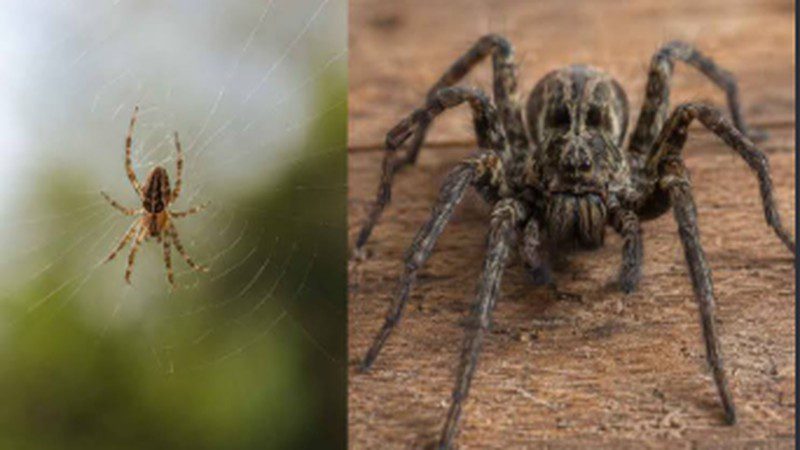
Telling these arachnids apart comes down to a few differences. House spiders stay small, spinning sticky webs in undisturbed corners to catch food. Wolf spiders are bigger, hairy, and hunt actively across floors instead of building traps. Both are essentially harmless—their venom is weak, and neither poses a real risk to people.
Telling house spiders apart from wolf spiders confuses many homeowners. One builds webs in quiet corners; the other roams floors at night. According to CDC guidance, size, behavior, and eye pattern reliably separate these two common spiders.
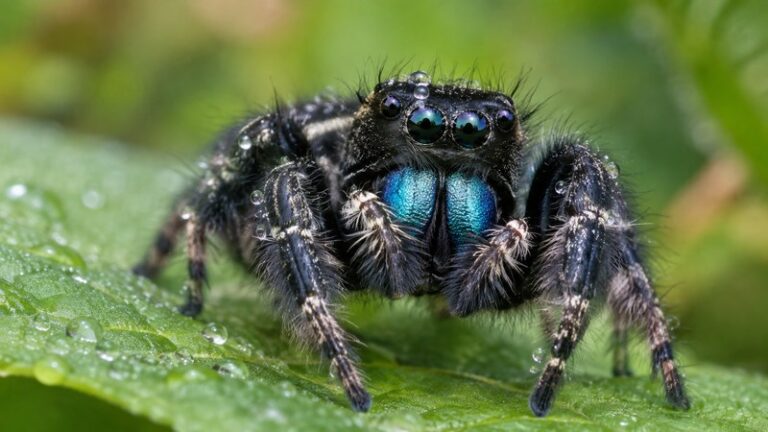
Wolf spiders hunt actively, showing hairy bodies and two large central eyes that reflect light. Meanwhile, house spiders stay small, spinning sticky webs to trap flies and mosquitoes indoors, rarely posing genuine danger to people.
How to Identify: House Spider vs Wolf Spider
Physical Appearance and Size
Telling these two apart starts with body build. According to pest experts, house spiders stay small, roughly a 5 to 8 mm body with smooth bodies, while wolf spiders grow bigger, showing hairy bodies that unsettle most homeowners immediately.
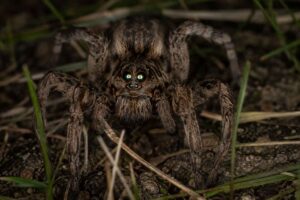
Unlike a house spider vs brown recluse mix-up, size here helps plenty. Wolf spiders reach an 18 to 35 mm body, built to hunt on foot. Their two large central eyes reflect light, glowing back at you during night encounters.
Eye Arrangement
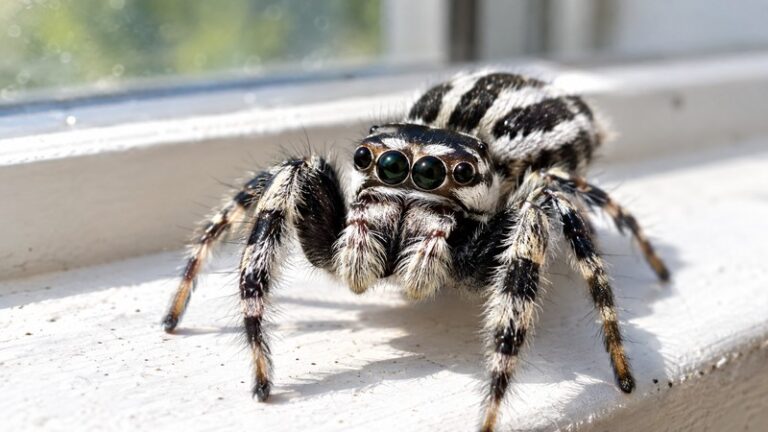
Wolf spiders possess a distinctive 4-2-2 pattern, where two large central eyes dominate their face. According to arachnologists, this eye arrangement grants impressive eyesight for hunting, letting these active spiders detect prey and movement during nightly roaming across open lawn terrain.
Shine a flashlight across your lawn at night, and the eye shine reveals their location instantly. House spiders, by contrast, show a single visible set of eyes arranged in two equal rows of small eyes, reflecting their web-building lifestyle. The hobo spider vs wolf spider comparison hinges heavily here—hobos share that Agelenidae small eyes trait.
Web-Building Vs Hunting
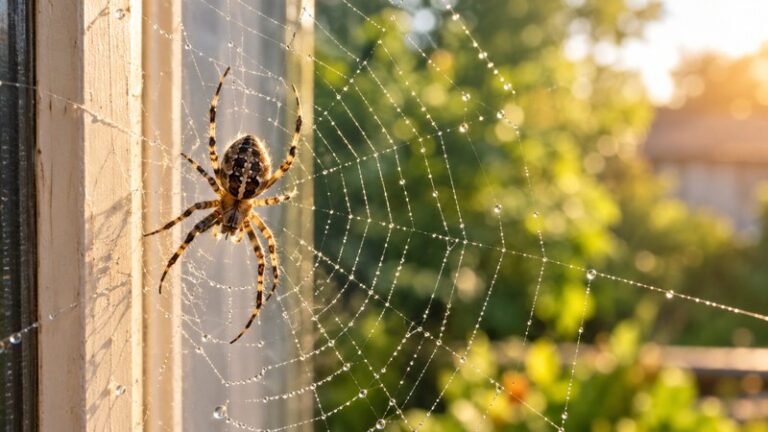
House spiders rely on web-building, spinning funnel shaped webs across corners and crevices indoors. According to the University of Kentucky Entomology department, these web-building members of the European House Spider group, Tegenaria, sit patiently to trip prey caught within sticky silk anchors.
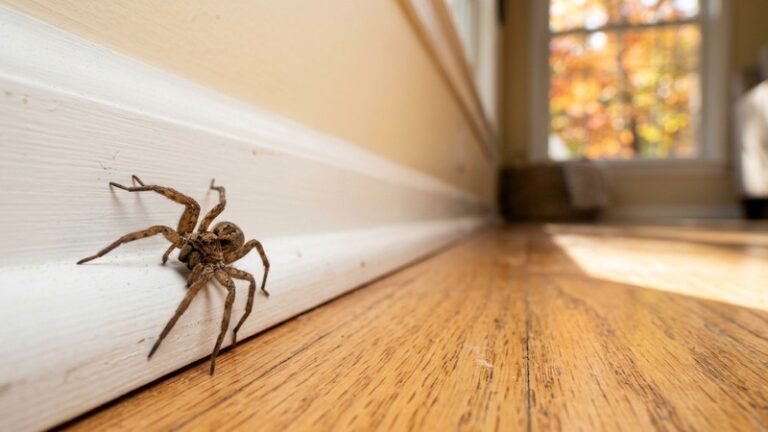
The wolf spider species flips this entirely, abandoning silk for active hunting. As a carnivore, it patrols its hunting ground nightly, relying on movement speed reaching up to 1 meter/second. Instead of waiting, these active spiders hunt across fields, deserts, and grasslands directly.
Preferred Habitat And Geographic Location
According to pest control resources, house spiders thrive indoors, settling into quiet corners, crevices, and basement rafters across residential homes. The European House Spider group, Tegenaria, dominates sheltered households, favoring undisturbed environment zones near furniture and structural gaps year-round.
Wolf spiders prefer outdoors across fields, grasslands, deserts, and dry climates, roaming open hunting grounds at ground level. Common throughout North America, these active spiders patrol mulch and grass, though fall temperature shifts push them toward warm interior location spaces.
Are They Dangerous?
According to arachnologist Rod Crawford, most spiders homeowners fear cause little real harm. Despite the wolf spider vs brown recluse confusion, neither house spider bites nor wolf spiders deliver medically significant venom. Any bite feels like a bee sting.
Most people panic without cause. Wolf spiders simply run away, while larger creatures and humans rarely suffer genuine harm. These toxic-seeming houses guests produce short-lived symptoms at worst, leaving pets and children mostly unaware of their quiet existence.
Seeing Spiders at Home?
Get rid of spiders for good — book your free inspection.
Fast, no-obligation quote from trusted local pest control pros.
Myth: Spiders In The Home Are A Danger To Children And Pets
According to the CDC, most house spider venom proves medically insignificant, causing bites that go unnoticed. Genuine health problems stay rare; North American wolf spiders remain harmless, their medically significant venom claims being toxic exaggerations rather than documented tissue damage or necrosis.
Worried parents fear children, pets, dogs, and cats face threat, yet arachnologists confirm these small creatures typically run away. A wolf spider bite mimics a bee sting—localized pain, temporary redness, minor swelling—resolving within 48 hours, rarely warranting first aid.
How They Reproduce
According to the University of Kentucky Entomology department, female wolf spiders carry egg sacs attached to their spinnerets, then haul dozens of spiderlings on their backs after hatching. This maternal transport behavior separates the Lycosidae family from most spiders worldwide.
Common house spiders take a different route entirely. Females anchor teardrop-shaped egg sacs within tangle webs across basement rafters or shadowed indoor corners, producing multiple sacs yearly. The Penn State Extension notes these web-building species guard clutches until spiderlings disperse independently.
How To Get Rid Of Spiders
Remove Webs
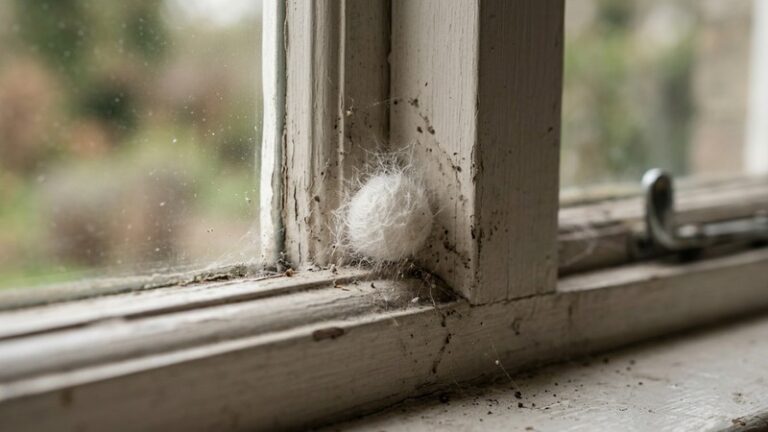
Grab a vacuum and pull down every strand you spot along corners and ceilings. A quick pass over webs disrupts the silk anchors holding structures in place, forcing web-building species to relocate rather than settle comfortably inside your living spaces again.
Wipe surfaces afterward with a damp cloth to clear residue. Since wolf spiders hunt on foot and rarely build webs, this tactic mostly targets the tangle-makers. Consistent removal signals your home isn’t worth rebuilding, pushing them toward friendlier territory elsewhere.
Reduce Their Food
Wolf spiders wander indoors chasing meals, so cutting their food supply matters. When crickets, ants, and stink bugs thrive inside, hunters follow. According to the EPA, controlling insect populations removes the main reason spiders enter any home seeking prey.
Fewer bugs means fewer predators lingering near baseboards and closets. Sealing pantry items, wiping crumbs, and emptying bins starves the food chain quickly. Pest experts at PennState Extension note that reducing prey inside your home discourages spiders from settling long-term indoors.
Reduce Indoor Prey
Spiders linger where meals stay abundant. Cut off the buffet and they wander elsewhere. Keeping food sealed in airtight containers removes the scent trail that draws crawling insects, which in turn starves the hunters relying on that steady supply indoors.
According to the EPA, unresolved moisture problems invite pests that spiders happily eat. Swapping white porch fixtures for yellow outdoor lights discourages moths, flies, gnats, and mosquitoes from gathering near doorways, quietly shrinking the prey base spiders depend on.
Seal Entry Points
Most homeowners chase spiders after they’re already inside, but the smarter play is stopping them at the threshold. Sealing entry points cuts off spider activity before it starts, targeting the gaps where bugs and hunters slip through unnoticed.
Focus your effort on foundation cracks, utility line openings, and worn thresholds. Installing door sweeps and barriers blocks ground-level access, while addressing nearby moisture problems removes the damp conditions that quietly draw both prey and predators indoors.
Block Their Way In
According to the University of Kentucky Entomology department, physical exclusion outperforms chemical sprays for long-term control. Seal gaps around windows, vents, and pipe entries, denying spiders the hidden runways they exploit when hunting food and roaming interiors after dark.
Don’t overlook bright outdoor lights, which pull in bugs and, in turn, the spiders that eat them. Adjusting outdoor lighting and fixing leaks starves the ecosystem, shrinking open food sources that make your home an attractive hunting ground.
Remove Shelter Near Your Home
Reducing outdoors hiding spots matters most. Clear mulch and leaf litter away from foundation walls, since these damp layers invite spiders. According to the EPA, tidy landscaping and moisture control near structures discourage nesting pressure around your property.
Keeping humidity below 50% with dehumidifiers removes appeal. Fix leaks promptly, since wolf spiders favor cool damp zones. Managing clutter and controlling exterior lighting starves them of prey and shelter that draws activity closer inside.
Individual Removal
For a single spider, cleaning it up directly works best. Identify the species first, since hobo spiders from the Agelenidae family behave unlike members of Lycosidae. The University of California recommends careful capture over crushing.
The funnel weaver spider family builds distinct webs, while true wolf spiders roam. If you spot heavy web buildup near eaves or repeated rebuilding at entry points, that signals a bigger issue than one arachnid.
Spider Prevention Checklist
Start at your foundations—caulk gaps around windows and add door sweeps where ground-level gaps invite wolf spiders inside. Screen vents with fine mesh, seal foundation cracks near utility lines, and check entry points where bugs and moisture problems overlap.
Pull mulch and leaf litter back 20 feet from foundation walls, trim dense plants off siding, and stack firewood away from your home. Fix leaks, dim outdoor lighting, and cut open food sources—according to the CDC, reducing bugs, ants, and crickets starves resident spiders.
When To Call A Pro
According to the National Pest Management Association, persistent indoor spider activity signals a deeper issue. When heavy web buildup returns under eaves despite vacuum webs routines and damp cloth wipes, a licensed pest control tech can identify the species driving repeated webs.
Book a pro for perimeter treatments targeting entry points around foundations and windows. Fast-moving wolf spiders that sprint across ground-level rooms, plus tight door sweeps that keep failing, mean manmade structures need professional hunting ground disruption before cold weather pushes populations indoors.
Family And Scientific Classification
True wolf spiders belong to the Lycosidae family, a distinct genus entirely separate from common indoor house spiders. Their scientific grouping rests on the arrangement of their eyes, a defining feature that experts use rather than general appearance alone.
Many assume every big and hairy crawler qualifies, but that’s a myth. According to the University of Kentucky Entomology department, misidentification stays common because behavior and look like traits overlap, making similar, large, fast hunters seem dangerous despite belonging to unrelated classification branches.
FAQs
How Can I Tell The Difference Between A House Spider And A Wolf Spider?
Check the eye pattern first. Wolf spiders show a 4-2-2 eye pattern—four small eyes up front, two large eyes in the middle. Shine a flashlight at night and their reflective layer throws green eye shine.
House spiders stay indoors building tangle webs across basement rafters, catching flying bugs through vibrations. Wolf spiders never build such webs; they stalk and chase prey across grass and lawns, relying on sharp eyesight while running.
Are Wolf Spiders Dangerous?
Rarely. According to the University of California IPM program, a wolf spider bite causes mild symptoms—redness, swelling, brief pain near the bite location. Most people never notice lasting trouble, though sensitive individuals report itching or minor allergic reactions.
They aren’t bloodsuckers targeting humans; these insects hunters prefer prey over confrontation. A hobo spider bite differs, sometimes linked to skin death developing across 24-48 hours, with occasional twitching reported historically.
Why Do I See More Wolf Spiders In Fall?
As cold arrives across the DMV area, wolf spiders abandon leaf litter, mulch, and lawns, seeking shelter indoors. According to Virginia Tech entomologists, September and October trigger this movement, driving these outdoors hunters toward basements, garages, and warm human dwellings.
Unlike web-building relatives, these active hunting predators chase prey during fall nights. Their natural tendency pushes them past foundations through entry points. Once weather turns harsh, spotting big, conspicuously hairy wanderers indoors becomes noticeably common around porch overhangs and corners.
Do House Spiders And Wolf Spiders Eat The Same Things?
Both species target insects, yet strategies diverge sharply. House spiders spin tangle webs across basement rafters, catching flying bugs through vibrations. Meanwhile, wolf spiders skip webs entirely, using sharp eyesight and running to stalk crickets, ants, and stink bugs.
According to University of Kentucky research, both consume common home invaders, though prey capture methods differ. Web-building species rely on silk traps; active pursuit defines wolf hunters. Reducing indoor prey starves both, making moisture problems and open food sources worth eliminating quickly.
Should I Remove Spider Webs From My House?
Yes, clearing them matters. According to pest control experts, vacuum webs regularly from corners and window frames, since house spiders anchor tangle webs using silk anchors that trap flying bugs and signal ongoing indoor spider activity worth addressing early.
Focus cleaning on basement areas and basement rafters where cobwebs collect. A damp cloth lifts stubborn cobwebs, while checking eaves for heavy web buildup helps. Removing webs discourages house spiders from settling and reduces future prey capture around living spaces.
What Attracts Spiders To My Home?
Insects are the main draw. Wolf spiders stalk and chase prey like flies, mosquitoes, and small bugs, so reducing indoor prey starves them out. Bright green light near entry points attracts the insects these hunters actively pursue nightly.
Warm weather brings bugs indoors during summer, while cold pushes species toward shelter. According to entomology sources, sealing foundation cracks, screen vents, and foundations blocks entry points, and adding door sweeps to seal gaps limits wolf spiders seeking warm shelter.
How Fast Can Wolf Spiders Move?
Their movement speed defines their hunting method. Unlike house spiders relying on webs, these carnivore predators use active pursuit, reaching up to 1 meter/second during running. Their impressive eyesight and thick hairy legs power explosive bursts across any hunting ground.
Typically, casual movement stays under 5 cm/second, but sharp eyesight triggers instant acceleration toward prey. According to the University of Florida entomology department, these hunts happen nightly. Their stocky bodies and striped patterns support this aggressive, ground-covering active pursuit style.
When Should I Call A Pro For Spider Problems?
Spotting occasional wolf spiders inside rarely signals trouble, but recurring sightings suggest deeper entry points or moisture problems. When bugs and open food sources persist, professional help stops the food chain feeding indoor spiders effectively.
Persistent hobo spider activity, visible allergic reactions, or skin death near a bite location warrants urgent action. According to the CDC, unexplained redness, swelling, or pain lasting 24-48 hours means you should skip barriers and trap methods entirely.