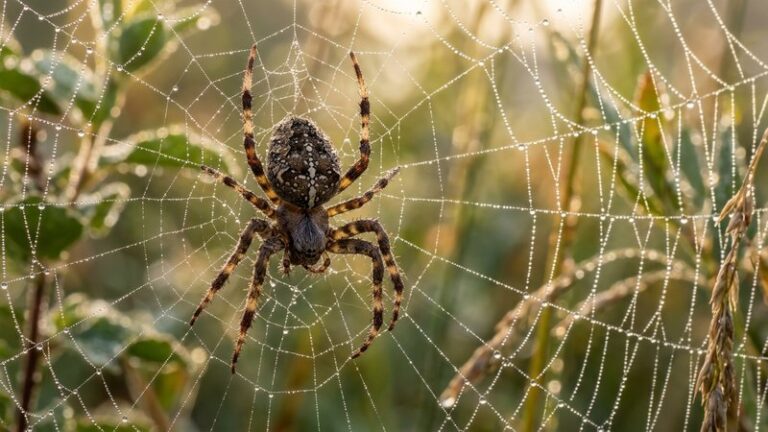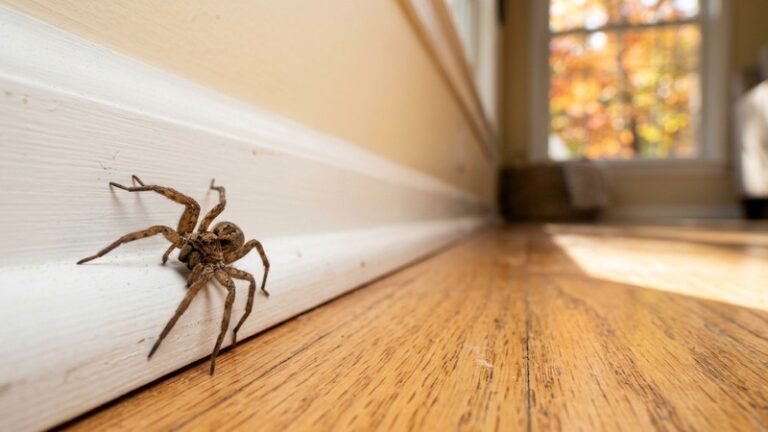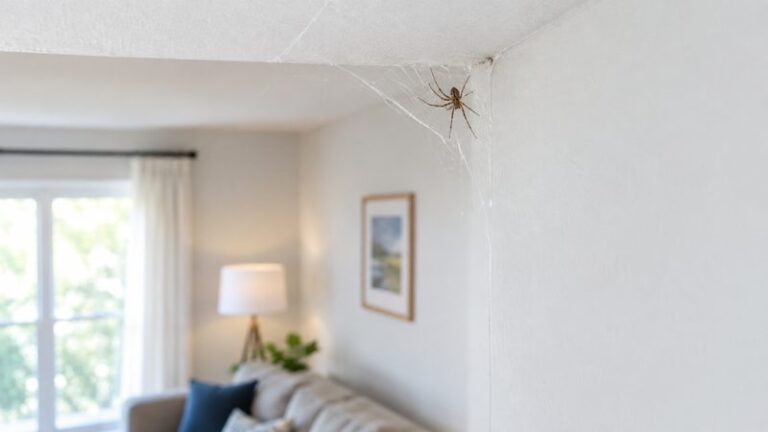
Are Spider Eggs Visible? How to Spot & ID Them
Quick Answer
- Most spider eggs stay hidden inside a silk sac, so you rarely see individual eggs—only the wrapped up casing itself.
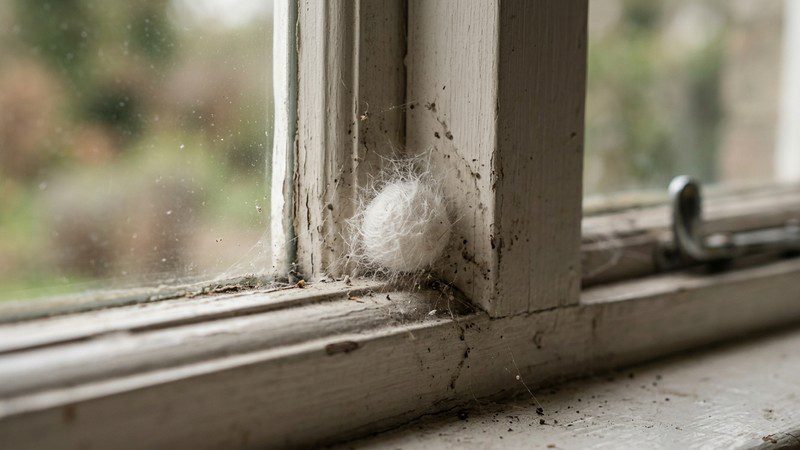
- These sacs appear white, cream, or tan, ranging from pea-sized to marble-sized, often tucked in a quiet corner.
- Texture varies widely: some feel smooth and papery, others look fluffy, cottony, or loosely woven with visible silky threads.
- According to pest experts, hundreds of spiderlings may develop inside, though the sac stays undisturbed until hatching begins.
Yes, spider eggs are typically visible to the naked eye, though spotting them takes attention. According to pest control experts, females protect their offspring inside a spider egg sac—a woven silk structure often tucked into corners, tucked behind furniture, or hidden across diverse spaces where the developing young disperse safely afterward.
What A Spider Egg Sac Looks Like
Most spider egg sacs appear as a rounded silky lump attached to sheltered surfaces. According to entomologists, the shape ranges from teardrop to spherical, wrapped in papery or cottony spheres of silk. Colors trend brown, tan, cream, or off-white.
The structured, woven texture distinguishes a genuine egg sac from lint clumps or dust. Unlike a firmer moth cocoon, a real sac holds a distinct silky mesh. Sizes span from a pinky nail to larger forms, often tucked in corners, crevices, or along ceiling beams.
Seeing Spiders at Home?
Get rid of spiders for good — book your free inspection.
Fast, no-obligation quote from trusted local pest control pros.
Where Spider Egg Sacs Show Up
Most people spot these clusters in forgotten zones. According to pest-control resources, common house spiders favor porch corners, quiet garages, and shadowed eaves. You’ll also find silk-woven sacs tucked under furniture or wedged into crevices where a female spider can protect her batch from predators undisturbed.
Outdoor hunters pick different real estate entirely. Garden spiders and orb weavers anchor sacs across vegetation, fences, and tree bark, while wolf spider mothers carry theirs, then hole up in dark sheltered spots. Brown recluse types stay discreetly inside closets, boxes, and sheds.
Identifying The Types Of Spider Eggs
Spotting a spider egg sac isn’t always obvious, yet each spider species leaves telltale clues. The common house spiders produce teardrop-shaped, papery, brown sacs roughly the size of your pinky nail, while cave spiders and the cave orbweaver favor cottony spheres tucked into corners.
Texture becomes your best confirmation tool here. A brown widow builds a spiked sphere, whereas wolf spider moms haul their sac around before spiderlings climb their back. The bolas spider sac looks vase-shaped, and brown recluse egg sacs glow under a black light, aiding identification.
Curious homeowners often ask whether tiny red spiders are dangerous; those clover mites and juvenile spiders are harmless nuisances, not venomous threats. According to university IPM programs, most household spider egg sacs belong to harmless species. Still, the pirate spider’s sac shows a distinctive bright orange hue, and male versus female reproduction (including parthenogenesis producing infertile eggs that never hatch) shapes how spiderlings hatch, protected until their first molt within that silky mesh.
What To Do If You See Spider Eggs In Your Home
Spotting a sac demands a calm plan rather than panic. A vacuum cleaner with a hose attachment works best—guide the nozzle across the mass so suction pulls it in. Afterward, empty the vacuum bag into a sealed outdoor trash bag immediately.
Skip the broom, which risks hatchlings escaping and scattering. Wary of venomous species like black widows or brown recluses? Contacting a professional spider control service for handling proves wisest when multiple sacs signal an established spider population indoors.
Diversity Of Egg Sacs
Egg sac texture varies widely across spider species. According to arachnologists, a black widow produces a smooth, round, cream or tan casing, while the brown recluse spins a flat, loosely woven, off-white structure. Each female wolf spider carries her attached teardrop bundle differently.
Appearance shifts by shape and size too. The garden spider forms an oval, papery, brown sac holding 300–1,000 eggs, whereas the jumping spider builds a fluffy, white silk tent. The brown widow adds unmistakable spiky projections, and cellar spider threads hang loosely near furniture.
Sac Spiders And Their Egg Sacs
Yellow sac spiders craft a silken tent rather than the paper discs other spider species produce. Females conceal these along home ceiling-wall junctions, tucking several egg sacs into folded debris where each sac stays protected through one season.
Unlike wolf spiders or fishing spiders that carry young, these females stay together near their clutch briefly, then leave the sac. To get rid of yellow sac spiders, disrupt their beneficial role of controlling insect populations indoors by removing the mat of silk where eggs sit deposited, then vacuuming remaining fluffy balls before hatching.
How Many Eggs Are Inside One Sac
The count varies wildly by species. A black widow produces a spherical, yellowish egg sac holding 200–400 eggs, while a modest jumping spider wraps just 30–60 inside a silk tent. According to university sources, a single cellar spider may guard up to 700.
Sac contents reflect survival strategy, not just size. The brown recluse seals roughly 100–400 in a papery, off-white egg sac, whereas the wolf spider carries 50–100 in a white, flask-shaped pouch. Even the brown widow packs 100–200 into its spiked casing.
How Long Until A Spider Egg Sac Hatches
Timing depends heavily on species and conditions. According to pest experts, a single female deposits her clutch, and hatching often follows within two to three weeks. Common house spiders producing 150 to 400 eggs may survive varied climates before emerging.
Once tiny spiderlings break free, they stay clustered briefly before dispersing. Many spiderlings ride silk threads through wind, a ballooning journey. Some die to predators like parasitic wasps, ants, or birds that target egg sacs during this fragile window.
Egg Sac Or Something Else?
Spotting a spider egg sac feels tricky when you’re unsure what’s clinging to a corner. According to pest identification specialists, a genuine sac shows a papery texture, often spherical or teardrop shaped, distinguishing it from random debris or clustered dirt.
Many people confuse egg sacs with old cobwebs, cocoons, or even dried spider poop staining a wall. A true egg sac feels dense and tough, built from silk to shield offspring, unlike loose webbing collected across upper corners indoors.
How To Remove A Spider Egg Sac Safely

When you spot an egg sac indoors, resist the urge to tear open the papery covering. According to pest control experts, doing so releases dozens of spiderlings. Instead, prioritize safety—slide a stiff card underneath, then vacuum the sac completely for immediate solution.
Dioecious spiders reproduce quickly, so a single missed sac means future infestations. Wear gloves to prevent a bite, seal the vacuum bag, and discard it outdoors. This destroy method beats crushing, which scatters eggs and complicates your home cleanup considerably every single time.
Keeping Egg Sacs Out Of Your Home
Prevention starts with denying spiders the dark, damp, secluded areas they favor. Regularly clean corners, sweep behind furniture, and inspect closets, the basement, and attic walls. Removing stored cardboard boxes eliminates prime hiding spots where females construct their egg sacs undisturbed and protected from disturbance.
Focus outdoor efforts on low-traffic, undisturbed areas too. Clear leaf litter, trim branches near siding, and check fence posts, plant stems, and garden webs. Reducing clutter and sealing entry points near rooms discourages spiders from finding a stable environment to lay their eggs.