What Does a Yellow Sac Spider Bite Look Like?
Quick Answer
- A yellow sac spider bite often forms a noticeable mark, a swollen area, and mild red, irritated skin.
- Small, pale-colored house spiders stay inconspicuous, so most people never recognize the culprit behind the wound.
- Expect minor pain and itching; these symptoms typically fade with basic care and simple relief methods.
- This guide helps you treat the bite and choose effective treatment options without unnecessary worry.
Belonging to the Cheiracanthium genus, these pale yellow arachnids inhabit North America, South America, Europe, Africa, and Asia. You’ll identify them across natural and human-made surroundings—gardens, walls, ceilings—where their adaptability supports insect population control without aggressive tendencies except defensive situations.
Symptoms Of A Bite
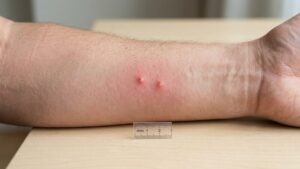
Most people describe a bee-like sting the moment contact happens. What follows is usually two small red bumps sitting close together, paired with noticeable redness and mild swelling. According to Texas A&M AgriLife Extension, the venom carries low toxicity, so minimal reactions stay common.
That said, the bite location matters when judging severity. If untreated, some cases progress toward necrotic lesions, though this remains rare. Watch for delayed reactions, headaches, nausea, or breathing difficulties, since these dangerous symptoms warrant prompt medical assessment without waiting.
Understanding The Bite
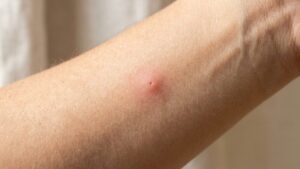
That red bump on human skin often catches people off guard. According to the University of California’s IPM program, the body’s immune response triggers inflammation during the first few hours, leaving a visible puncture mark and slight itching that many mistake for a mosquito nip rather than something spider-related.
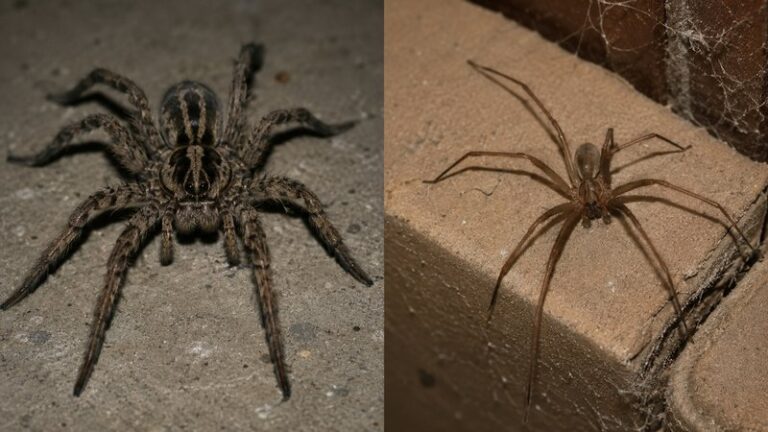
Unlike the debate around Wolf spider vs brown recluse, this venom rarely causes minor necrosis. Instead, the appearance shifts as small sores and mild swelling develop, sometimes carrying a light yellow hue. A burning sensation resembling a bee sting frequently accompanies those two small red bumps.
Severity And Complications
According to the National Poison Control Center, most reactions stay mild, producing minor to moderate symptoms. Occasional muscle cramps, stinging pain, or swelling appear, while rare allergic reaction cases involve trouble breathing. True danger stays low, though monitoring remains sensible.
Untreated lesions may worsen adversely, forming necrotic lesions across swollen, red skin. Watch for burning sensations, spreading infection, plus headache, nausea, or vomiting. Rare severe reactions and fatal outcomes demand prompt medical help, especially when intense pain or severity escalates unexpectedly.
Identifying Yellow Sac Spiders
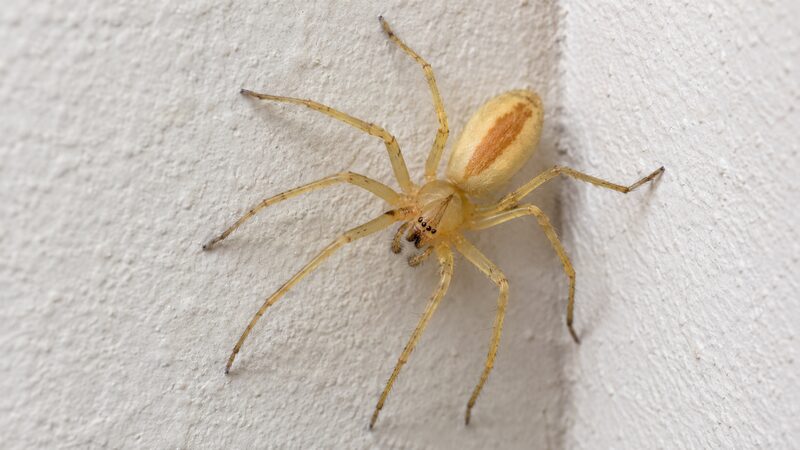
Pale yellow to light tan in color, these arachnids carry a subtle orange-brown stripe running along the abdomen. Measuring just 0.15 to 0.31 inches, an adult shows a smooth texture and extended thin legs that help you distinguish it from lookalikes.
You’ll spot them across outdoor areas — tucked within foliage, resting on trees, or clinging to human-made structures. Come the winter months, their behavior shifts noticeably as they drift closer toward indoor warmth, seeking shelter when temperatures outside begin dropping steadily.
Physical Characteristics
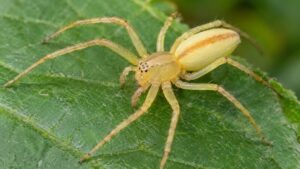
According to the University of Minnesota Extension, these arachnids show a pale yellow to light tan body, though coloring shifts with diet. A subtle orange-brown stripe runs along the abdomen, and extended thin legs give them a delicate frame worth learning to identify.
What truly aids identification are the long thin legs and smooth texture across the frame. Their similar size to a brown recluse spider causes them to be mistaken, yet no fiddle-like pattern exists here—a detail that clearly differentiates and distinguishes the two species apart.
Habitat Preferences
Yellow sac spiders thrive across varied habitats, favoring natural settings where cover stays plentiful. According to pest experts, these arachnids gravitate toward gardens, tucking beneath leaf litter, stones, and along window sills. Both buildings and shaded corners offer ideal shelter for their activity.
When residing outdoors, they colonize leaf piles and scattered garden debris. The female deposits egg sacs within concealed spots, wrapping her egg masses inside protective silk sacs. She’ll guard them through hatching, after which emerging spiderlings develop inside a silken retreat before venturing to hunt by night.
Diet and Behavior of Yellow Sac Spiders
These non-aggressive hunters actively chase prey rather than trapping it, roaming buildings and corners after dark. According to Penn State Extension, their light yellow bodies let them hunt insect populations across rural agricultural areas and urban apartment buildings, supporting the ecosystem through natural regulation quietly.
Unlike web-reliant species, these homes-dwelling arachnids wander walls seeking food, occasionally causing human pain through defensive bites. University of California entomologists note their nightly foraging keeps pest numbers balanced, making them beneficial residents despite the occasional startling nighttime encounter across living spaces.
Immediate First Aid for Yellow Sac Spider Bites
Cleaning The Bite Area
Start with washing the site using mild soap and water to clear debris. According to the Mayo Clinic, gentle cleaning removes surface bacteria and lowers early infection risk. A quick rinse with hydrogen peroxide also disinfects minor wounds, though plain soap remains sufficient for most bites and reduces irritation.
Applying Compresses
A cold compress pressed against the bite helps reduce swelling and dulls localized pain during those first uncomfortable hours after contact. Wrap ice in cloth, never bare skin, and apply intermittently. This simple step supports early management before any deeper reaction develops.
Monitoring Symptoms
Watch closely for worsening symptoms, including spreading redness or tenderness that signals your body reacting beyond the expected mild response. Track any infection signs over the following days. If untreated bites progress toward necrotic lesions, seek professional care without delay.
Long-Term Treatment And Medical Attention
Persistent wounds sometimes demand more than basic care. According to the Mayo Clinic, watch for infection signs like pus or increased redness, since early detection prevents complications. When symptoms change, antibiotics may be needed, and prompt professional treatment supports proper healing overall.
Ongoing infections occasionally develop despite careful attention. Redness that intensifies alongside swelling signals a problem, so seeking medical help matters here. Cleveland Clinic notes that untreated bacterial spread slows recovery, making consistent wound observation and appropriate intervention essential throughout the extended healing period afterward.
Over-The-Counter Remedies
Pharmacy shelves hold surprising relief options. An antihistamine eases itching effectively, while topical remedies reduce redness and swelling. According to Healthline, these products help symptoms resolve faster, letting irritated skin heal without escalating toward more serious reactions requiring specialist care within a typical timeframe.
Comparing minor discomfort matters before dosing. Products used for bee stings often calm initial pain and mild irritation similarly. Should infection or allergic reactions appear, stop self-treatment and pursue medical attention, since worsening severity occasionally demands stronger clinical support beyond simple counter purchases.
Professional Medical Treatments
When bites lead to infections, a healthcare professional may prescribe antibiotics to halt spreading damage. Medical specialists handle cases showing necrotic lesions, offering advanced treatment beyond home remedies. According to the Mayo Clinic, proper professional evaluation ensures complications never escalate into serious tissue concerns.
Infected bites demand advanced methods where exterminators and experts rarely help, but licensed technicians guide prevention afterward. Symptom evaluation through careful infection monitoring supports steady recovery. An antihistamine may ease symptoms, while medical intervention addresses pus formation, increased redness, and lingering irritation effectively.
When To Seek Medical Attention
Seek immediate medical care when symptoms worsen or intense reactions appear suddenly. According to WebMD, infection signs like pus, spreading redness, or worsening symptoms warrant urgent medical attention. Incorrect identification confusing brown recluse bites or black widow bites risks wrong treatments entirely.
Allergic reactions bringing trouble breathing or muscle cramps require advanced treatment without delay. Serious cases involving complication detection need medical specialists performing thorough symptom evaluation. When pain persists past a reasonable timeframe, proper care through professional evaluation prevents dangerous complications developing quietly.
Preventing Yellow Sac Spider Bites
Most people never think about these arachnids until something goes wrong. According to the University of Kentucky Entomology department, yellow sac spiders wander indoors seeking warmth, which means prevention starts long before you ever spot one crawling.
The reality is straightforward: fewer hiding spots translate to fewer surprises. Focus your energy on the places where these spiders settle and feed, and you dramatically cut down encounters without needing chemicals or panic.
Seeing Spiders at Home?
Get rid of spiders for good — book your free inspection.
Fast, no-obligation quote from trusted local pest control pros.
Clean Indoor Environments
Wiping down surfaces and maintaining clean indoor environments removes both spiders and the tiny insects they hunt. A tidy space simply offers them nothing worth staying for. Pay close attention to structural sealing around baseboards and vents. Proper monitoring of these entry points, done regularly, keeps wandering spiders from slipping inside undetected.
Outdoor Precautions
Trim vegetation away from walls and prioritize outdoor maintenance to disrupt nesting zones. This limits how easily spiders travel from garden to living space.
A Single Yellow Sac Spider: Real-Life Encounters
According to pest control experts, a single encounter often happens when this venomous spider feels threatened, delivering a stinging pain that mimics a bee-like sting. Homeowners report two small red bumps, mild redness, and swelling appearing quickly after provocation near furniture or dark corners.
Most human exposure occurs during outdoor maintenance or when reaching into leaf piles and woodpiles. According to entomology sources, symptoms stay minor to moderate, causing discomfort rather than danger. Unlike the brown recluse, these bites rarely evolve into serious necrotic lesions, though untreated wounds risk infection.
Frequently Asked Questions
Are Yellow Sac Spiders Poisonous?
Yellow sac spiders carry venom, though rarely dangerous. According to the University of Kentucky Entomology department, their bite delivers mild pain and localized reactions, not life-threatening harm. Watchful people should track worsening symptoms and infection signs, since secondary complications occasionally develop after the initial sting fades quietly.
How Can I Identify Yellow Sac Spiders?
Recognizing these arachnids early helps you prevent bites and protect your household. They share a similar size with certain hunting spiders, yet their pale yellow-green coloring distinguishes them. Belonging to a different family than lookalikes, learning to predict movements aids safe, confident identification indoors.
What Initial Steps Should I Take When Treating A Yellow Sac Spider Bite?
Start by cleaning the bite area with soap and water—mild soap and gentle scrubbing prevent infection. Rinse, then dry using a clean towel for proper hygiene. A cold compress or cool cloth for 15 minutes numbs pain, reduces swelling, and manages symptoms effectively while supporting healing.
When Should I Seek Medical Attention For A Yellow Sac Spider Bite?
Monitor symptoms closely; substantial pain, serious symptoms, or necrotic lesions warrant medical help. Watch for infection signs—pus, increased pain, fever, chills, or when redness and swelling spreads. Allergies triggering severe reactions demand immediate care. Ignoring complications risks death, though prompt recovery follows action.