Are Spiders Cold Blooded? Yes — Here’s the Science
Quick Answer
- Unlike warm-blooded mammals, spiders are poikilotherms — genuinely cold-blooded arthropods that cannot generate own body heat on their own.
- Their body temperature fluctuates entirely with the surroundings, so a spider stays exactly as cold as its environment allows.
- Contrary to belief, they are not attracted to warmth; heat won’t lure them indoors, and they never shiver.
- As temperatures turn chillier, their metabolism adjusts and they slow down, becoming less active or fully dormant.
Ever wondered whether spiders truly feel winter’s bite? Like every arachnid, they’re cold blooded, so their bodily fluids shift with the surrounding climate. From temperate-zone spiders sheltering beneath leaf litter and bark, to house spiders enjoying your heated home, each copes uniquely. This guide explores how they endure freezing cold, autumn changes, and spring revival.
Spiders Are Cold-Blooded
The phrase cold-blooded misleads more than it clarifies. Spiders are ectothermic, meaning environmental temperature dictates their internal warmth rather than any self-generated heat. According to the Natural History Museum, this dependence explains why activity spikes on warm afternoons and stalls sharply when conditions turn chilly.
Because metabolism tracks the thermometer, a spider’s hunting rhythm, digestion, and web-building all slow during colder months. Pest specialists observe that indoor heating artificially sustains this activity year-round, which is precisely why unwanted eight-legged guests persist inside Texas homes long after outdoor populations quietly disappear.
How Spiders Survive The Cold (Antifreeze / Dormancy)
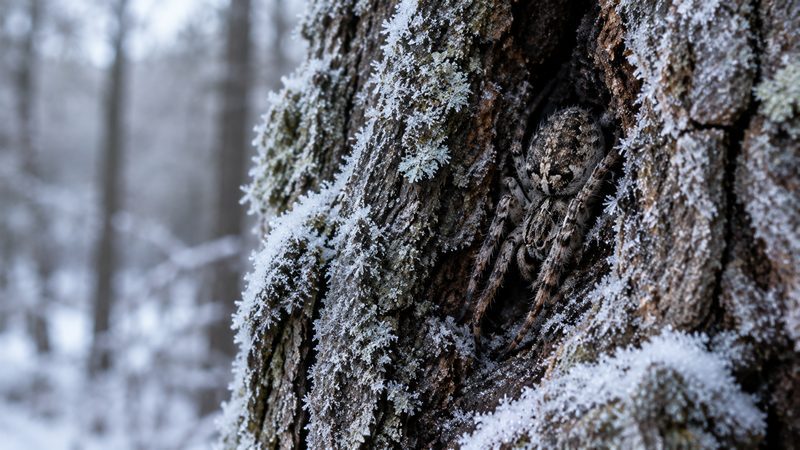
According to entomologists, spiders endure freezing cold through internal chemistry. Their tissues generate cryoprotectant molecules, essentially a natural antifreeze, lowering the temperature where body fluids crystallize. This lets hardy outdoor species tolerate cold and survive brutal outdoor cold without facing a swift, fatal death sentence.
Meanwhile, outdoor spiders enter dormancy, or diapause, where a slow metabolism makes them less active; they shelter beneath bark and snow. Indoor spiders, however, remain active year-round, since heat and steady food availability replace the scarce prey that pushes relatives to hibernate quietly through winter.
Do Spiders Hibernate In My House?
Spiders never truly hibernate the way mammals do; being cold-blooded, their metabolism simply slows into a dormant state biologists call diapause. They don’t consciously sleep — instead, falling temperatures throttle activity, and their inability to regulate body heat forces this quiet, energy-conserving winter pause deep indoors.
According to entomologists, hardy species produce natural antifreeze — cryoprotectants like glycerol and glycol — dropping their freezing point near -5°C to survive temperature shock. Come spring, they warm up and re-emerge; naturally, homeowners asking do spiders come out in summer notice the peak indoor activity then.
Indoor vs. Outdoor Spiders (Two Different Groups)
Entomologists recognize two genuinely separate groups quietly sharing your address. The first are true house spiders, lifelong permanent indoor residents thriving happily within stable indoor temperatures. The second are outdoor spiders, wild ground-dwelling hunters that never once intended to live alongside people indoors at all.
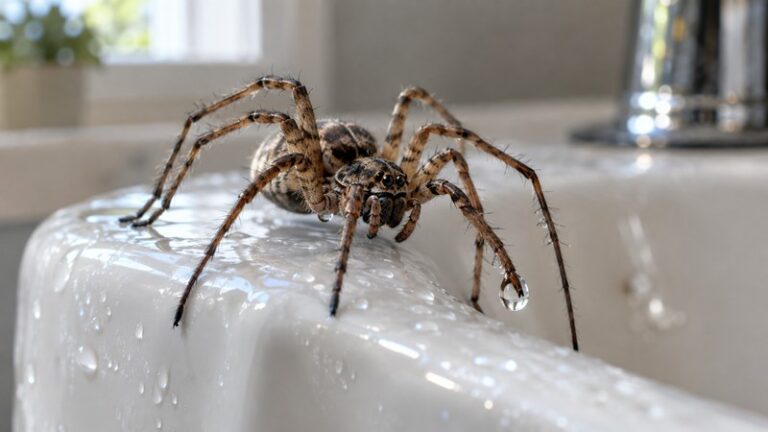
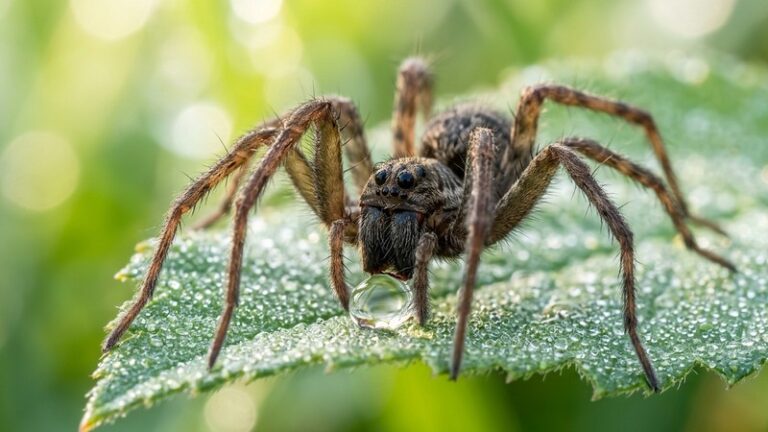
According to the University of California’s IPM program, most spiders discovered inside actually belong to the outdoor group — accidental wanderers such as roaming wolf spiders. These restless hunters with good eyesight typically hunt without webs, drifting through an open garage or dusty shed seeking prey.
Common Spiders You Might See
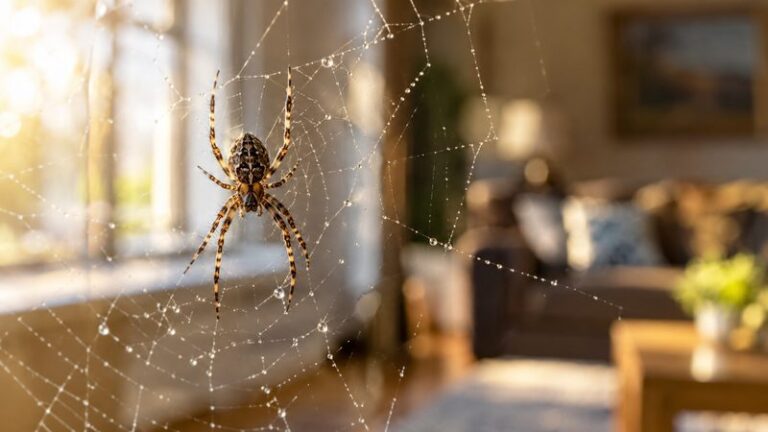
Across most homes, the typical North American spider stays hidden, tucking itself into damp basements where moisture quietly lingers. These common residents hunt moths, flies, and wandering ants, patrolling shadowy crevices and quiet hiding spots rather than ever confronting the people who share their space.
Longevity often surprises people; the house spiders lifespan commonly reaches 1-2 years, occasionally stretching across several years indoors. According to the University of California IPM program, food-rich conditions offering plenty of food and a safe environment naturally draw these hunters wherever silverfish and centipedes roam.
How Long Do House Spiders Live?
Most homeowners assume house spiders are fleeting visitors, yet lifespan varies dramatically by species and sex. According to entomologists at university extension programs, common house females often survive one to two years, while males rarely last beyond a single breeding season inside a warm home.
Counterintuitively, longevity favors the well-fed indoor spider over its wild cousin. Stable temperatures, fewer predators, and reliable prey extend survival considerably. Britannica notes certain females molt repeatedly across seasons, and undisturbed webs in quiet corners frequently outlast the very residents who unknowingly share their space.
Why You See More Spiders in the Fall
Every autumn triggers what people commonly call fall spider season, when eight-legged sightings suddenly spike inside our homes. Popular belief blames the chill, assuming spiders rush inside when we start turning up heat. According to the Burke Museum, they’re genuinely not seeking warmth at all.
The genuine driver is mating season. Mature males abandon their webs, roaming widely to locate receptive females, becoming temporary outdoor visitors that accidentally blunder inside. According to Penn State Extension, these autumn roamers chase mates, not heated rooms — the honest explanation behind fall’s sudden surge.
How To Discourage Spiders
Prevention beats reaction, so start outside. Seal entry points around doors, then inspect foundation walls for hairline gaps. Tighten weather stripping beneath thresholds, and clear perimeter vegetation hugging your siding. According to the EPA, denying easy access outperforms chemicals, removing the pathways spiders exploit indoors.
Next, target attraction indoors. Reduce food source appeal by dimming outdoor porch lights that lure insects, keeping your kitchen clean against fruit flies. Finally, declutter aggressively: relocate cardboard boxes, flatten forgotten clothing piles, and reorganize cluttered storage, since fewer nooks mean noticeably fewer eight-legged tenants.
Seeing Spiders at Home?
Get rid of spiders for good — book your free inspection.
Fast, no-obligation quote from trusted local pest control pros.
Seal Entry Points
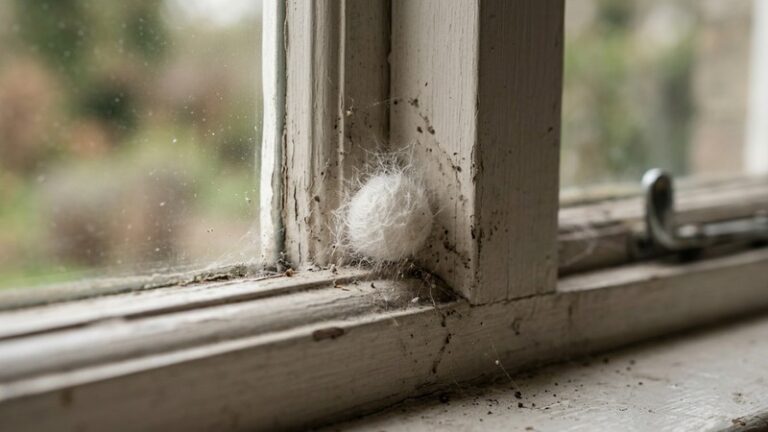
Spiders rarely force their way indoors; they simply exploit whatever gaps already happen to exist. According to the EPA, sealing cracks around windows, doors, and utility lines removes easy access. Inspect windowsills, baseboards, and quiet corners where a spider seeking shelter routinely slips through unnoticed.
As temperatures turn colder, houses become an artificial shelter letting these arachnids survive winter in comfort. Adding door sweeps and sealing every tiny gap genuinely discourage spiders, cutting off the protected, hidden refuge they quietly depend on once outdoor conditions grow harsh and thoroughly unforgiving.
Reduce the Food Source
Here’s the counterintuitive truth: spiders arrive because something edible is already thriving somewhere inside. According to Penn State Extension, these arachnids act as a natural pest controller, so a lingering insect population becomes essentially an open invitation you never realized you’d quietly extended to them.
Rather than chasing after every single web, target food at its origin. Dim outdoor lights attracting moths, gnats, and even garden crop caterpillars that spiders eagerly pounce upon. Though largely harmless, these hunters simply won’t linger somewhere their entire dinner supply has suddenly vanished completely.
Declutter
According to the University of California’s IPM program, cluttered rooms give resident spiders undisturbed shelter and reliable warmth, so messy cobwebs quietly accumulate behind stacked boxes. Clearing away storage piles removes the dim, quiet corners where a daddy longlegs or Cellar Spider prefers settling in.
Relocating a house spider outside during autumn feels humane, yet experts say it’s not recommended, because sudden cold exposure frequently kills them anyway. Instead, trim overgrown foliage hugging your walls and windows, since dense greenery quietly funnels outdoor populations toward your freshly tidied interior spaces.
Do Spiders Crawl Into People’s Mouths While They Sleep?
This widely shared claim is essentially a myth. According to the Burke Museum’s spider experts, a sleeping human radiates body heat and constant vibration that any spider instinctively avoids, since these creatures feel temperature shifts sharply and treat sudden warmth as a clear warning.
Practically speaking, your open mouth offers a spider nothing but discomfort and potential pain. There is no prey and no web anchor here. A spider’s delicate spindly legs register every breath as threatening turbulence, making the entire zone feel intensely uncomfortable and never once inviting.
Can I Put A House Spider Outside?
Here’s a counterintuitive reality: relocating an American House Spider outdoors can quietly kill it. According to the Burke Museum’s arachnologists, these indoor-bred generations rely on stable rooms, so sudden dry, low-humidity exposure often forces them to desiccate and slowly die within just a few days.
If you still prefer removal, skip tossing them into open woods or damp ground near water, where exposure proves fatal fast. A sheltered garage, shed, or crawl space offers far kinder odds, letting the spider acclimate gradually instead of facing a brutal outdoor cold shock.