Do Spiders Come Out in Summer? (The Truth & Peak Season)
Quick Answer
- Yes — spiders grow far more visible in summer, and spider sightings climb from late summer into early fall.
- This peak isn’t random: mating behavior drives it, as mate-seeking males roam and a population boom pushes them indoors.
- Most are harmless house spiders in quiet corners, though venomous ones — the brown recluse and black widow — warrant caution.
- To keep out these year-round pests, a clean, clutter-free home cuts hiding spots so you get rid of them.
Ever wonder why eight-legged houseguests appear once summer heat sets in? With warm weather and ideal temperatures, spiders turn far more active—hunting, wandering, and slipping indoors. Between an easy food supply, the constant pull of seeking shelter from extreme outdoor heat, and their sudden spike in sightings, this seasonal surge suddenly makes complete sense.
Why Spiders Come Indoors In Summer
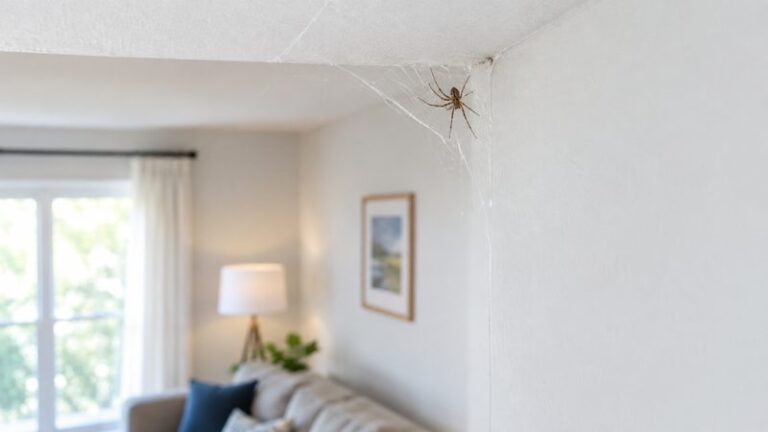
When summer warmth intensifies, many spiders drift toward cooler indoor shelter and reliable moisture inside, quietly becoming active indoors. Because increased insect activity fills your rooms with abundant food, that easy prey naturally draws these indoor spiders across smooth floors and shadowed baseboards nearly everywhere.
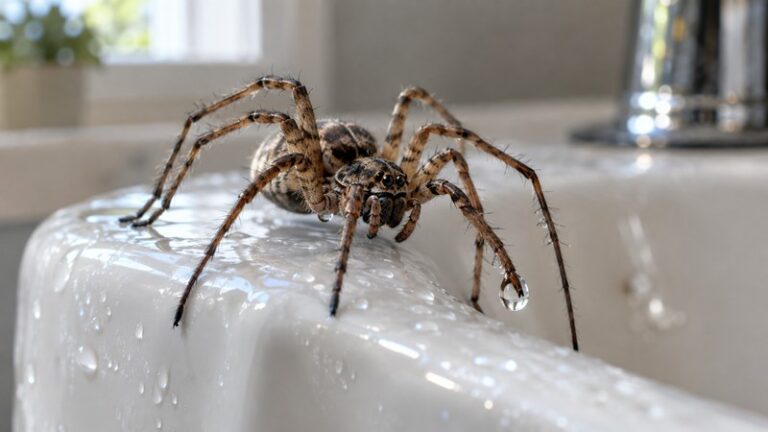
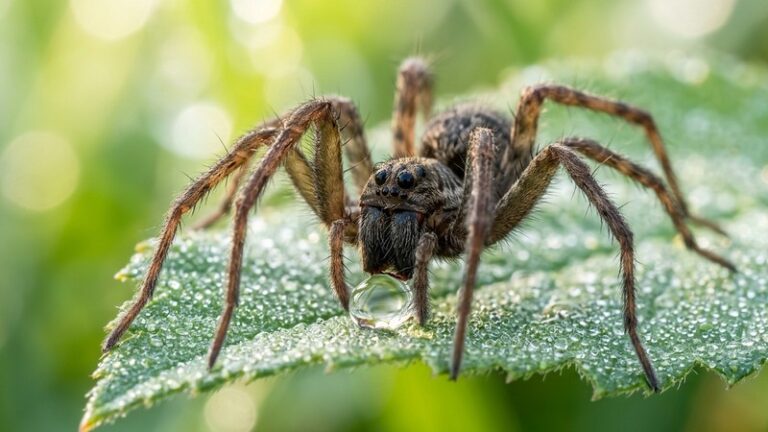
During summer’s breeding season, restless mature males wander far from their silk, and these speedy ground hunters frequently invade homes while pursuing receptive females for mating. As agile wolf spiders and other males roam through quiet passages, they emerge boldly, abandoning their usual hiding indoors.
When Spiders Are Most Active
Timing shapes everything with spiders. According to entomologists, activity steadily climbs through warm months, then peaks during fall spider season, when roaming males abandon hidden corners chasing mates. This behavior shift, not sudden breeding, explains why large numbers suddenly appear almost overnight inside our homes.
Peak season arrives with cooler temperatures, when spiders hunt hardest at dusk and after dark. Cold weather then drives them full force through walls, seeking warmth. Entomologists confirm nightfall, not daylight, marks when these predators stay most active, quietly stalking any insects they can trap.
Common Spiders Seen In Summer
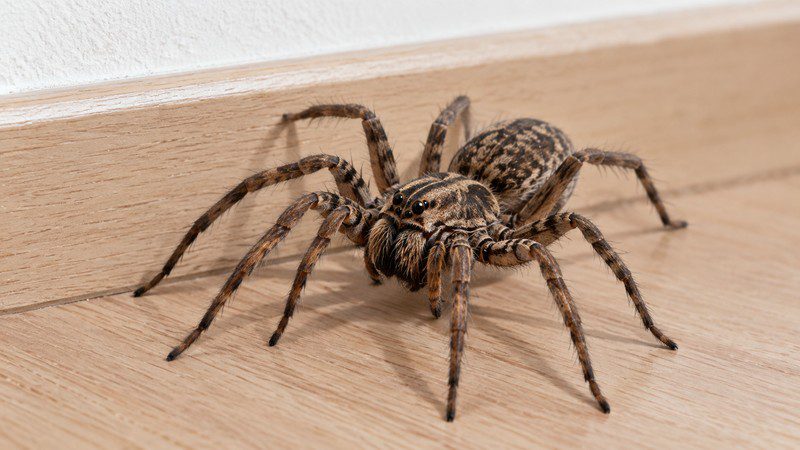
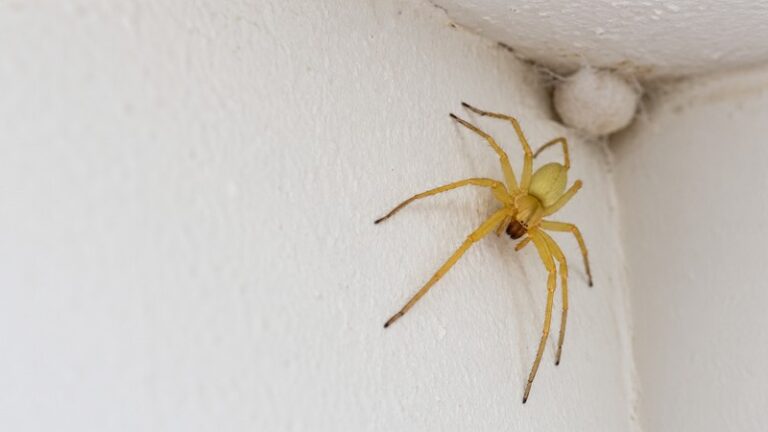
Across warmer months, the spiders most people notice indoors are surprisingly predictable. Wolf spiders, orb-weavers, jumping spiders, and long-legged cellar spiders top the list. According to Texas A&M AgriLife Extension, the vast majority are harmless hunters quietly stalking small prey around baseboards and dim corners.
Which species dominates depends heavily on your region. In Texas, homeowners occasionally encounter black widows and brown recluses seeking shelter inside garages, closets, or near beds. Females guarding egg sacs stay hidden, so bites typically happen only when spiders feel accidentally trapped against bare skin.
Why You Suddenly See Lots Of Spiders
Ever wondered, are spiders cold blooded? They are, so warmth dictates their movement. During breeding season they lay eggs, and hatchlings multiply overnight. As cooling temperatures signal mating, adult males move around more, pushing their visible activity sharply upward across the rooms of your home.
If you’ve noticed clusters lately, come summer sudden surges appear when it turns too hot and too dry. According to university extension entomologists, drought shrinks water sources while scarce outdoor prey vanishes, so spiders slip indoors, chasing an indoor pest buffet shaped by summer weather.
Dangers Of A Spider Infestation
According to the CDC, most household spiders pose little threat to humans, yet a severe infestation signals a much deeper problem. Species like the brown recluse and black widow deliver dangerous bites, causing swelling, nausea, and, in rare cases, serious complications needing urgent medical care.
Beyond bites, an unchecked colony endangers pets and small children who explore quiet corners. Thick webbing attracts other insects, worsening hygiene indoors. Once you notice persistent activity spreading from room to room, arranging professional pest control becomes the safest route before the situation escalates further.
Seeing Spiders at Home?
Get rid of spiders for good — book your free inspection.
Fast, no-obligation quote from trusted local pest control pros.
How To Get Rid Of Spiders
Spiders rarely leave on their own, so a few deliberate steps keep them from settling in.
Start with cleanliness
A tidy, clutter-free home removes the hiding spots spiders love, cutting down on webs, egg sacs, and the shadowy corners where they quietly establish their indoor presence.
Seal the entry points
Spiders slip through surprisingly small gaps, so seal cracks around windows, doors, and utility lines. According to the EPA, sealing openings and repairing screens is one of the most effective ways to stop pests before they invade your living space.
Repel and treat
Natural deterrents like peppermint oil and vinegar help repel wandering spiders, while targeted treatments around baseboards and entryways reduce numbers steadily rather than chasing one visible spider at a time.
Know when to call a professional
If webs keep returning or you feel overwhelmed by a growing infestation, a professional pest control team offers lasting prevention beyond quick home fixes.