Is Fall Spider Season? Why You See More Spiders Now
Quick Answer
- Yes, early fall is spider season, when sightings spike as mature spiders leave hiding and peak activity arrives.
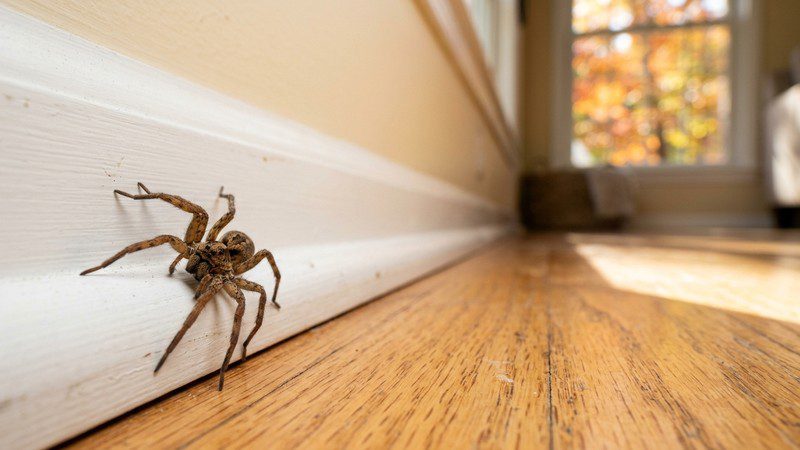
- There is no real population boom; males searching for mates simply wander into the open across floors and baseboards.
- Extension entomologists note most house-dwelling spiders live indoors all year, becoming noticeable only after species mature in late summer.
- Visible activity fades as temperatures drop, so seal cracks, reduce clutter, and vacuum regularly before the cold settles.
Most homeowners blame cold weather for the spider season surge, but that’s half the story. According to Penn State Extension entomologists, mature males leave their webs in early fall and travel seeking partners. Their numbers haven’t exploded; they’re simply wandering. Knowing this breeding cycle turns panic into spider control at doors, windows, and foundation gaps.
When Are Spiders Most Active?
Most homeowners blame the calendar, yet environmental conditions decide everything. Activity peaks between late summer and early autumn, when prey availability hits its high point in gardens. Flying insects are the main food source, so spiders stay busiest where bugs gather, feeding before temperatures cool.
According to Texas A&M AgriLife Extension, fall sightings spike because of mating behavior, not invasion. Mating time sends male spiders wandering, boosting their visibility inside homes. Once nights turn colder, these cold-blooded hunters slow down, and overall activity tapers off until warm spring weather returns.
Why Spiders Become More Noticeable in Fall
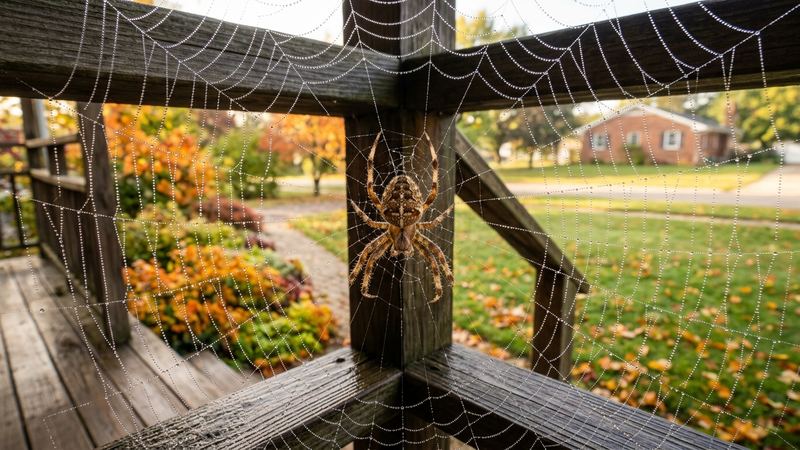
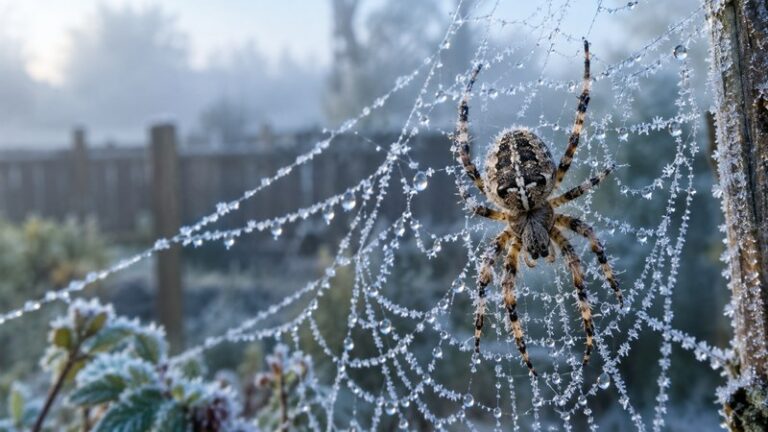
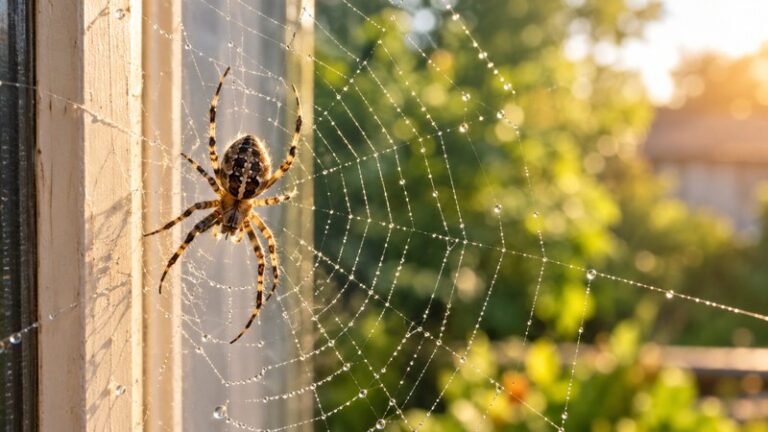
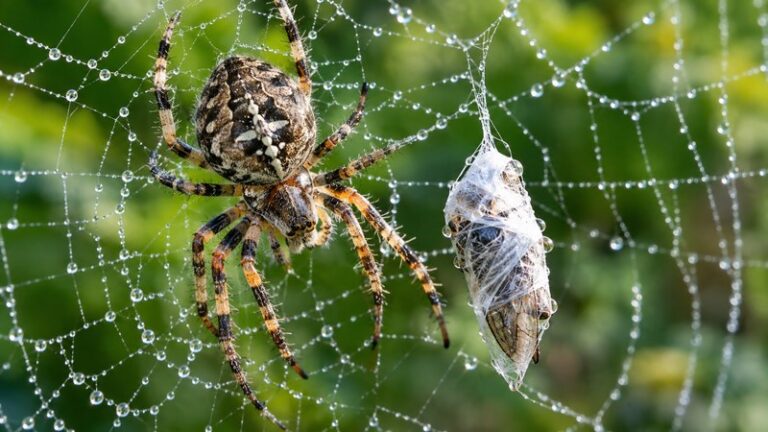
Spiders aren’t suddenly invading in autumn; most simply reach full size together. Spring hatchlings hit maturity around September, so orb-weavers stretch circular webs that catch morning dew, while wolf spiders, classic ground Why Spiders Become More Noticeable in Fallhunters, roam porches and garage thresholds, finally large enough for homeowners to notice.
Then mating season changes everything. According to Texas A&M AgriLife Extension entomologists, wandering males hunting females explain most indoor sightings. Are spiders cold blooded? Yes, technically, so as temperatures drop, dwindling energy pushes them toward sheltered spots, exactly when a local professional inspection pays off.
Seeing Spiders at Home?
Get rid of spiders for good — book your free inspection.
Fast, no-obligation quote from trusted local pest control pros.
Common Spiders Seen During Spider Season
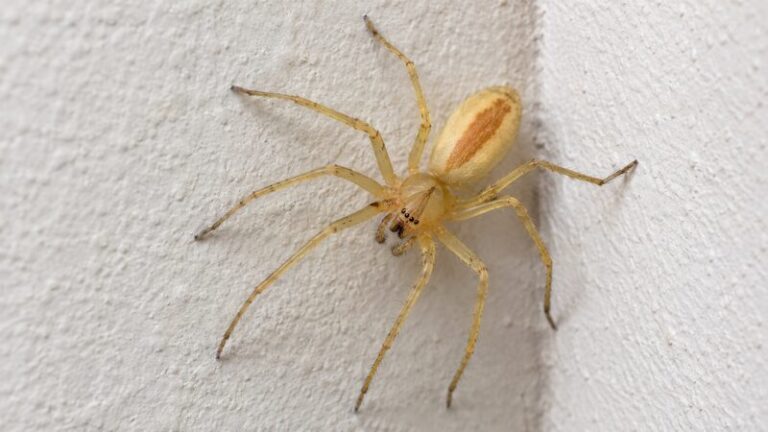
Most fall sightings aren’t invaders; they’re mature spiders finally big enough to notice. In gardens across North America, yellow garden spiders and cross orbweavers stretch wheel-shaped webs as females swell to produce eggs, while wandering male wolf spiders chase mating season through cool autumn evenings.
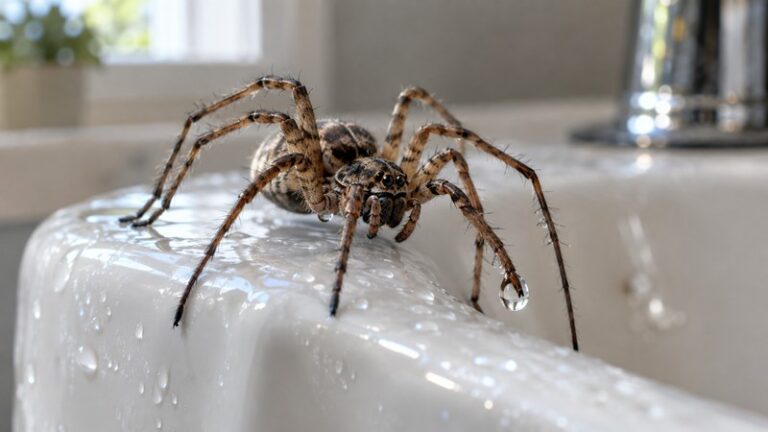
Indoors, the cast shifts to house-dwelling spiders: American house spiders and cellar spiders claiming basements, attics, and cardboard boxes. According to Texas A&M AgriLife Extension, brown recluses prefer undisturbed storage areas and remain docile, delivering a bite only when trapped against skin or otherwise threatened.
How Long Does Spider Season Last & What Happens After?
Spider season ends when the weather does, not on a calendar date. Depending on your region, sightings peak around mid-autumn, fade after October, and last roughly two months from late summer. A warm autumn can extend the season, while an early freeze cuts it short.
Spiders don’t vanish; they adapt. Many outdoor species overwinter as eggs or juveniles, using natural antifreeze against the cold, while adults seek shelter in crevices. According to Penn State Extension, house spiders live indoors year-round; their activity persists, just less visible, so seal cracks early.
Spider Activity Throughout Different Seasons
Winter never really empties a house of spiders. According to Texas A&M AgriLife Extension, many indoor spiders live out their lives inside walls and quiet spaces all year. Do spiders come out in summer? Absolutely, since warm days fuel hunting, yet low temperatures slow movement.
Early autumn changes everything. Males of many species abandon webs to find mates, creating a visible fall spike in homes that feels sudden. Once the first leaves fall and cooler autumn nights settle, activity becomes less visible, but that lull is temporary, not a disappearance.
Spiders Can Be Found Year-Round
Here is the myth worth dismantling first: spider season never truly ends. According to entomologists at Penn State Extension, many spiders living in the home complete entire life cycles indoors, so basement floors and quiet corners host residents during summer, winter, and every month between.
What shifts is visible activity, not presence. Behavior changes around the start of autumn push wandering males into view, while others survive the cold tucked inside dwelling places. With steady food from insects, spiders overall stay active; seasonal misconceptions simply reflect when homeowners notice them.
Manage Spider Season
Most spider problems in fall trace back to conditions, not numbers. According to Texas A&M AgriLife Extension, sealing gaps around doors and windows helps block spiders that seek shelter during cooler months. Fix outdoor moisture near foundations, since damp soil draws the prey spiders chase.
Indoors, prevention means stripping hiding spots. Vacuum abandoned cobwebs and egg sacs from corners, basements, and under furniture, then bin the bag outside. Most visitors are harmless, yet a brown recluse loves dark places, so shake stored shoes first. Any venomous bite needs medical care.