How to Get Rid of Yellow Sac Spiders at Home (5 Safe Steps)
Quick Answer
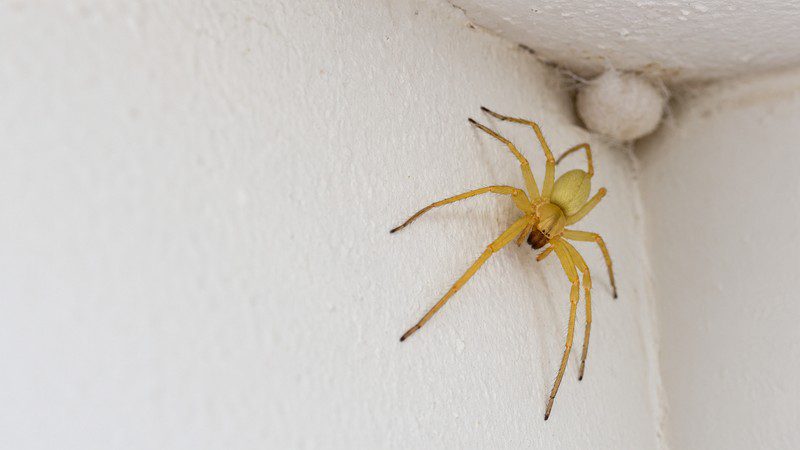
- Identification: Confirm a pale yellow spider with darker leg tips and silk sacs tucked into high corners before treating anything.
- Vacuum: Remove spiders, egg sacs and spider webs from wall corners and behind furniture, then discard the bag outside immediately.
- Seal: Close small gaps around window sills and door frames with caulk so wandering spiders cannot slip back inside overnight.
- Sticky Traps: Set them along baseboards and dark areas, then eliminate insects inside because fewer prey means fewer returning spiders.
- Professional Pest Control: When persistent issues remain, request a free quote and let local spider exterminators finish the job safely.
Most panic about yellow sac spiders begins with a misdiagnosed wound, not an actual sighting. According to arachnologist Rick Vetter of UC Riverside, verified Cheiracanthium bites rarely produce the lesions blamed on them. Still, these light yellow hunters drift indoors every fall, so homeowners need a practical removal plan built on habits rather than fear.
Identification
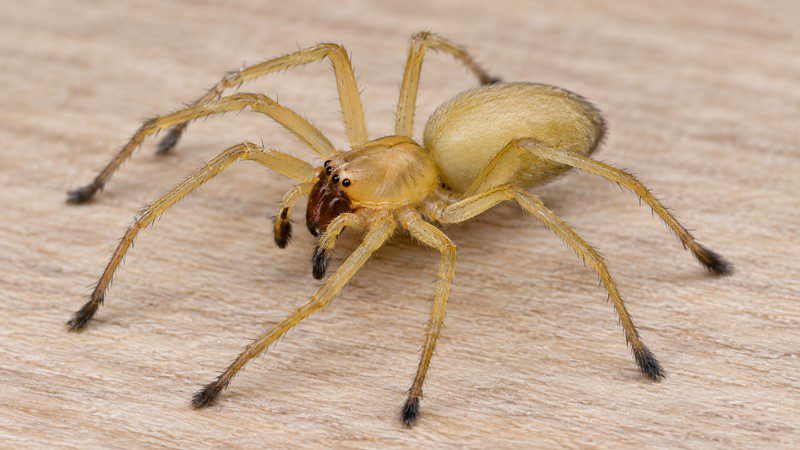
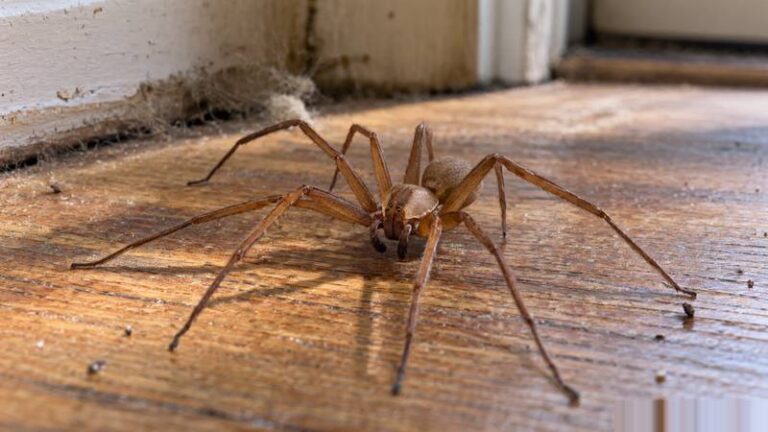
Color is the weakest clue here. Pale arachnids fool homeowners, so check the feet. According to Utah State University Extension, yellow sac spiders carry dark hair tufts on their leg tips resembling socks, a detail worth checking before blaming a wolf spider or garden spider.
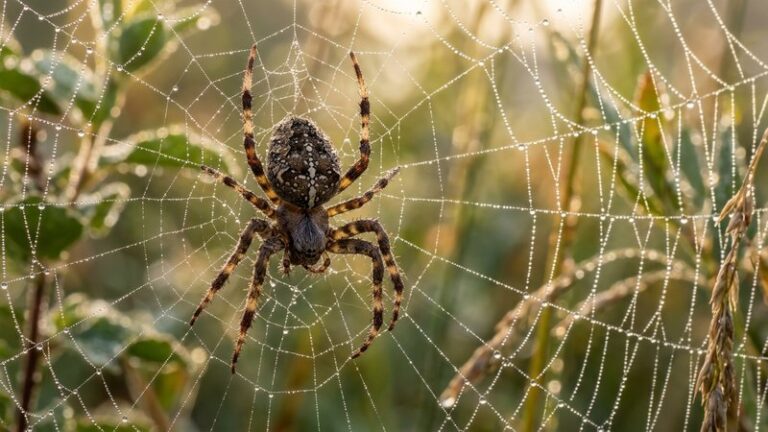
Size settles the rest. Penn State’s Department of Entomology lists adult females at 5-10 mm and males at 4-8 mm, with dark brown jaws. Unlike a black widow, they never spin a capture web, resting in small tubes by day and staying active at night.
Habitat, Nesting and Signs of Infestation
Look for webs and you will miss them, because this hunter rests inside sac-like nests. Learn where it hides before trying to get rid of yellow sac spiders at home.
Habitat
According to Utah State University Extension, these spiders live outdoors beneath bark, rocks and leaves, and indoors behind clutter. Expect more sightings during fall and winter months, when closets, a basement laundry area and quiet indoor spaces offer warm shelter.
Nesting
Each nest is a silk tube, not a trap. University of Minnesota Extension notes these retreats sit high where walls meet ceilings. Females lay eggs inside silk sacs in protected locations, and young spiders return to nesting spots at daybreak.
Signs of Infestation
- Small silk sacs tucked into corners of walls, along ceiling lines, or hidden behind furniture.
- Pale spiders walking walls after dark, mostly males seeking mates or hunters chasing insect prey.
- Thin webbing or small webs in secluded areas, unlike the messy cobwebs house spiders build.
- Repeated sightings near windows and doors, pointing to outdoor hiding spots like firewood or mulch.
Vacuum And Declutter
Pesticides get credit; the vacuum does the work. According to the Northeastern IPM Center, a bagged vacuum works best against spiders and their hatching young. Run the hose where walls meet ceilings, behind pictures, and under furniture, lifting silk sac retreats and any egg case.
Decluttering is less about cleanliness and more about denying shelter. Unused items and stored clothing piled in storage closets become undisturbed areas these night hunters use by day. Thin them out, empty the vacuum bag outside, and fewer hiding spots remain across your living spaces.
Seal Entry Points
No product can ever outwork an open gap. When dropping temperatures push these pale spiders to shelter indoors, they climb even slick surfaces to reach loose window sills, utility holes, and hairline splits along the foundation. Seal those first, and every other method performs better.
According to Utah State University Extension, the fix is hardware: caulk exterior cracks and crevices, fit sweeps under doors, and keep window screens tight. Treat sealing entry points as long-term control, then schedule a regular inspection each season, because caulk shrinks and old routes reopen.
Remove Food Sources (Insects)
A yellow sac spider indoors usually signals a bug problem first. According to Penn State Extension, these spiders leave their retreats after dark to hunt small insects. Wherever they keep feeding on insects, something else is breeding nearby: gnats, pantry moths, or hidden carpet beetles.
So starve the prey before chasing the spider. Wipe crumbs, seal pantry goods, empty bins nightly, and fix leaks; crumbs and moisture are the quiet attractants that swell insect populations. With food sources reduced, sac spiders find little reason to stay and drift back outside.
Traps
Most glue traps disappoint against this species, and the reason sits in its biology. According to Utah State University Extension, these pale wanderers rest inside silk retreats by day, hunt actively at night, and climb slick surfaces easily, so floor-level boards miss plenty of them.
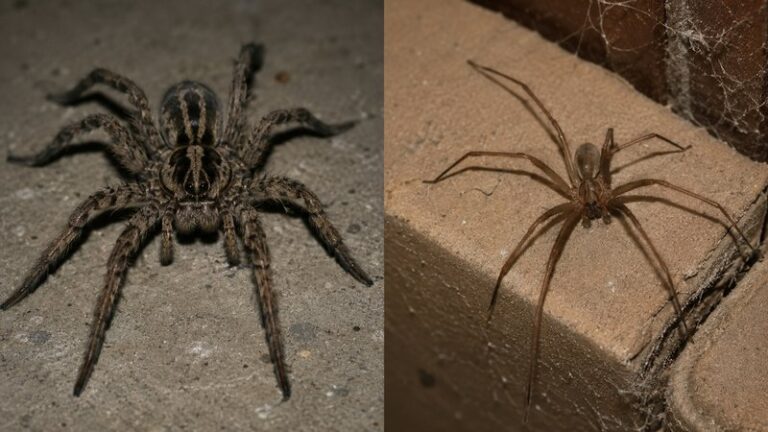
Hobo spiders are a different story; being poor climbers confined to lower floors, they blunder onto baseboard glue boards. For sac spiders, treat catches as evidence: boards along a travel path or wherever they drop down reveal signs of activity a pest specialist can use.
Natural Repellents
Peppermint oil will not kill a single yellow sac spider, and that is the point. Non-toxic repellents work by making corners and closets unpleasant, not lethal. According to the Journal of Economic Entomology, mint oil repelled certain spiders in testing, while lemon oil did nothing.
Diluted peppermint sprays fade within days, so reapplication matters more than strength. Treat natural methods as short-term relief and use them in tandem with sealing cracks, because scent alone rarely deters pests for long. For safety, always keep essential oils away from cats and children.
Keep Spaces Well-Lit And Dry
Light alone never evicts a yellow sac spider. According to Utah State University Extension, these night hunters spend daylight inside silk retreats where walls meet ceilings. Brightening shadowed corners of walls simply exposes every hidden moulting chamber, letting your vacuum reach them before numbers build.
Dryness works indirectly too. Damp crawlspaces swell the insect population these spiders hunt, while arid indoor air can push thirsty wanderers toward sinks. Fix leaks, run a dehumidifier, and swap white porch bulbs for sodium vapor; weaker prey attraction leaves a less inviting environment behind.
Insecticides
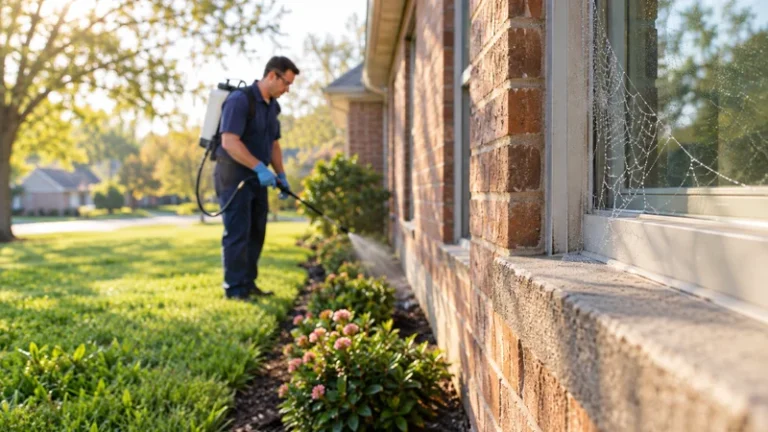
These pale wanderers are hunting spiders, crossing baseboards nightly rather than sitting still. According to Pest Control Technology, residual insecticides belong inside cracks and crevices before any caulking happens, because closing gaps first can drive hidden spiders deeper inside, toward the rooms your family uses.
According to Ask Extension, perimeter applications often succeed indirectly, wiping out the small insects that serve as prey. Product labels matter around children and pets, so a heavy infestation in less-disturbed areas deserves pest control experts, and we can connect you with licensed local ones.
Prevention Tips
According to Utah State University Extension, tight-fitting insect screens and door sweeps on exterior doors keep sac spiders out. Inspect the outside each fall, repair damaged screens, replace weather stripping, and check vents, crawl spaces and basement windows, since those entry points rarely close tightly.
Indoors, regular vacuuming and a thorough declutter of garages, attics and storage rooms remove hiding places. Run dehumidifiers in damp areas, keep woodpiles ten feet away, clear crumbs, and swap porch lamps for sodium vapor light bulbs, which draw fewer insects, their main food sources.
Professional Pest Control
Most yellow sac sightings never justify a service call, and good pest control operators will say so. The exception is a recurring spider infestation that outlasts every DIY solution. Then a certified technician can identify the problematic species, inspect carefully, and map hidden nesting zones.
According to the EPA, label instructions are legally binding, so professional spider control relies on a precisely placed barrier, not guesswork. Bold Pest Control connects each homeowner with licensed local providers who compare treatment options, monitor results, and help prevent future infestations. Call (512) 646-0117.
Seeing Spiders at Home?
Get rid of spiders for good — book your free inspection.
Fast, no-obligation quote from trusted local pest control pros.
Who To Ask For Help
When do-it-yourself measures stop working on yellow sac spiders, the right contact depends on the problem. Bites, recurring spider problems, and identification doubts each belong with a different local expert.
- Local pest professional: we connect you for a free estimate and a customized treatment plan.
- Doctor: According to Mayo Clinic, seek medical attention if a bite site wound keeps growing.
- County extension office: Staff identify specimens and share pest management strategies with the general public.
Bites And Danger
Most indoor spider bites blamed on this species never get confirmed. According to arachnologist Rick Vetter of UC Riverside, twenty verified cases produced no necrosis at all. The venom is real, yet researchers still class it as not medically significant, a low health risk overall.
What a confirmed bite does bring is immediate pain, followed by redness and swelling that fades within days. These spiders hunt at night, so people get bitten in sleep after rolling onto one, never unprovoked. Serious problems are rare; persistent wounds still need a doctor.
Are They Aggressive?
Calling these hunters aggressive oversells them. According to Utah State University Extension, a painful bite usually follows only when one gets trapped against skin, inside bedding or a shirt sleeve. UC Davis’s Bohart Museum agrees, describing them as reluctant biters. Mostly, they’re a nighttime nuisance.
Hobo Spider Note
Many homeowners blame hobo spiders for wounds they never caused. According to Utah State University Extension, the CDC dropped this species from its public health pest listing, so it is considered not significantly dangerous. Much lingering fear is misinformation; verified envenomations rarely produce ulcerated sores.
Geography settles most confusion. Hobos live mostly in the Northwest United States, while yellow sac spiders range throughout the U.S. Both are a common nuisance with low damage risk. Unsure which you found? Take it to your local extension office, where extension agents identify specimens.
Diet
A yellow sac spider indoors usually signals something else: prey is abundant. According to Penn State Extension, these hunters feed on various arthropods, including other spiders. They build no web to catch meals; instead, they stalk nightly, subduing insects with venom wherever small bugs congregate.
Outdoors, the menu widens. In gardens and vineyards, sac spiders patrol vegetation and grapes, eating insect eggs and soft-bodied crop feeders, which makes them beneficial allies that control pests. Researchers have even documented nectar sipping. Indoors, reduce their insect prey and the spider population thins.
Life Cycle
Timing beats spraying. Unlike a web-building spider species, yellow sac spiders move through three stages, and each one hides somewhere different. Knowing their reproduction calendar tells you when to act.
Egg Stage
According to Michigan State University, females deposit eggs in June or July inside a silken retreat and guard them. Outdoors, check rolled leaves; indoors, inspect ceiling corners. Vacuum every sac you find before it hatches.
Spiderling Stage
Newly hatched spiderlings shelter briefly inside the retreat, then scatter toward warmth and prey. They are tiny enough to slip behind furniture and trim unnoticed. Clearing sacs now stops next season’s adults before they mature.
Adult Stage
Adults reach 5 mm to 10 mm and hunt at night, eating insects and other spiders instead of spinning webs. Females can produce several egg masses, so one missed female restarts everything. Target daytime retreats directly.
FAQs
What Are the Symptoms of a Yellow Sac Spider Bite?
People asking what does a yellow sac spider bite look like usually expect something dramatic. According to Michigan State University, it’s sharp pain, then redness, swelling, and itching, less severe than a brown recluse bite. If symptoms persist beyond 2-3 days, seek medical advice promptly.
Do Chemicals Kill Them or Only Traps?
Both work, though differently. Chemicals kill spiders mainly on direct contact, which is why University of California IPM rarely recommends bug sprays indoors. Glue boards with proper placement along suspected pathways catch night hunters, while insecticide applied correctly around entry points blocks newcomers from outside.
What to Do if You See a Yellow Sac Spider?
Stay calm; one wanderer isn’t an infestation. They’re rarely aggressive, so your first step is trapping it under a glass or vacuuming it. Seeing several weekly? Bold Pest Control connects you with licensed pros whose tools and treatments hit targeted areas and protect your property.