Are Boxelder Bugs Harmful? Bites, Stains & Real Risks
No, boxelder bugs are not dangerous to people or pets. They don’t spread disease, can’t cause structural damage, and leave framing, wiring, and woodwork untouched. Think of them as a nuisance pest, one that does no real harm beyond annoyance.
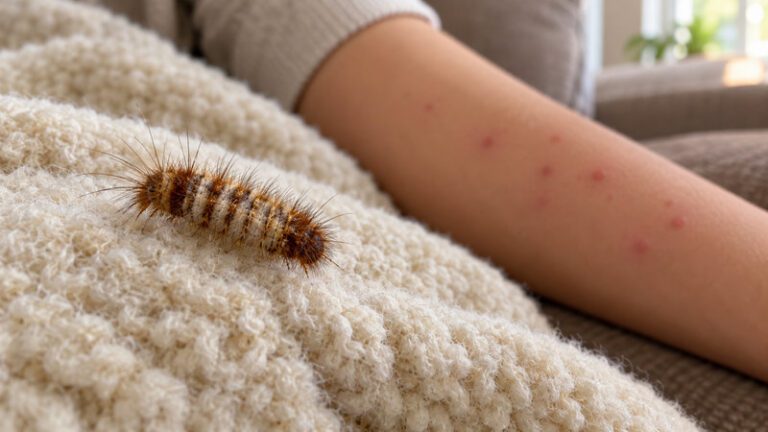
According to the National Pest Management Association, their mouthparts can occasionally pierce skin when handled, leaving an irritated red spot much like a mosquito bite. Indoors, fecal matter leaves reddish stains on curtains and drapes.
Below, we break down identification, diet, why they migrate into homes each fall, proven prevention steps, safe control methods, and when calling a pro beats DIY.
What Do Boxelder Bugs Look Like? (Overview)
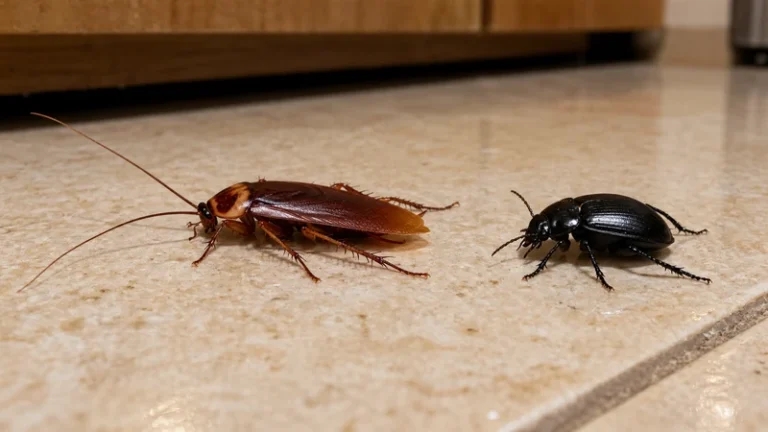
Anyone searching beetle vs cockroach after spotting one on a sunny windowsill is chasing the wrong comparison. Boxelder bugs are neither; they are true bugs, a separate insect species with piercing mouthparts and flat wings.
Adult Boxelder Bugs
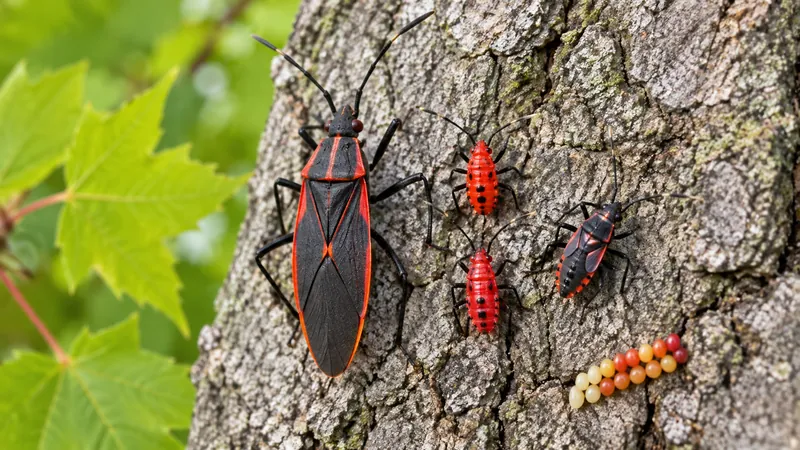
According to the University of Minnesota Extension, adults measure roughly half an inch, with an elongated, flattened body. Their wings fold flat across the back, and a bright red abdomen shows underneath when they fly.
- Size: Close to 12 millimeters, slimmer and smaller than most stink bugs.
- Color: Mostly black body, unlike domed orange shells of Asian lady beetles.
- Markings: Three red stripes behind the head, plus thin red wing edges.
Boxelder Bug Nymphs
Nymphs start out bright red and wingless, hatching as new leaves open in spring. Each molt adds black patches and small wing pads, so one cluster can show red, mixed and fully dark insects together.
Boxelder Bug Eggs
Eggs are tiny, oval and straw yellow, turning reddish as the embryo develops. Look for them in tight rows on bark, leaves, rocks and seed pods of female boxelder trees, usually laid during early spring.
What Do Boxelder Bugs Eat?
People assume bugs swarming the siding are after something indoors, yet boxelder bugs are true bugs with straw-like mouthparts, built to sip sap mostly from a female, seed-bearing boxelder tree.
- Nymphs and adults pierce seeds, leaves, and tender twigs, drawing juices instead of chewing tissue.
- Backup host trees include other maple species and ash whenever boxelder seed crops run thin.
- In late summer, some probe yard apples, plums, and grapes, leaving dimpled, corky feeding scars.
- Nothing in your pantry tempts them; stored dry goods, clothing, and wood stay completely untouched.
According to University of Minnesota Extension, this sap-sipping does little to no harm to established maple trees, and boxelder bugs only rarely bite people. Their diet makes them a nuisance, never a real structural threat.
Are Boxelder Bugs Harmful? (Bites, Stains, Odor, Damage)
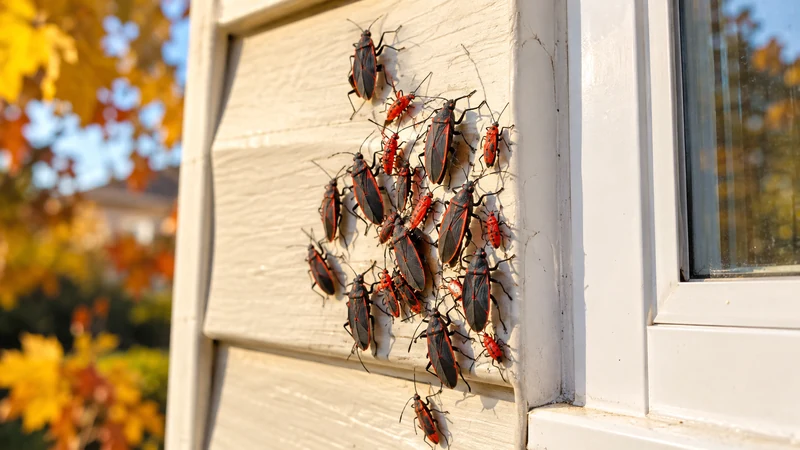
Most homeowners panic when dozens of these red-and-black insects congregate on their siding, yet the real story is gentler. Entomologists classify them as a nuisance pest, not a health threat, causing no real harm indoors.
Do Boxelder Bugs Bite?
Their piercing mouthparts are built for sap, not skin. According to Colorado State University Extension, a bite happens only in rare cases, when one is pinned, leaving a red welt. No damaging bites, no disease.
Do Boxelder Bugs Stain?
Here’s the overlooked headache. Their excrement leaves reddish-orange spots on curtains, fabrics, and light surfaces, and squashed dead bugs smear further. Skip swatting; vacuuming them up first, then washing with mild detergent, prevents permanent discoloration.
Do Boxelder Bugs Smell?
Undisturbed, a cluster smells like nothing. Crush one, though, and it releases a sharp, unpleasant odor, a defensive chemical that deters birds. Seal collected bugs in a plastic bag and promptly dispose of them outdoors.
Do Boxelder Bugs Cause Damage?
Structurally, no. According to University of Minnesota Extension, they cause no property damage indoors and don’t breed there. Outside, minimal feeding damage on apples, pears, and plums appears as dimpling, though tree health stays unaffected.
Why Do Boxelder Bugs Come Inside in Fall?
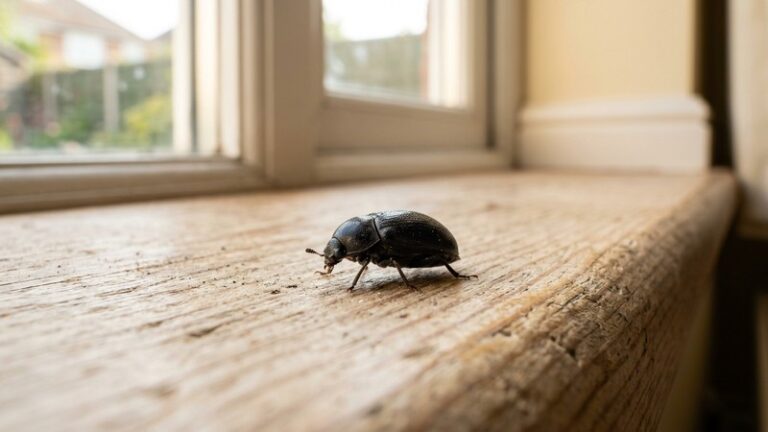
Every fall, the same complaint surfaces: homeowners describing little black beetles in house corners, clustered near sunny windows. Those are usually boxelder bugs, and their move indoors is driven by survival, not appetite or aggression.
According to University of Minnesota Extension, cooler weather pushes adults off boxelder trees, also called Manitoba maples, toward sun-warmed walls. The south- and west-facing exterior heats first, and bugs squeeze into crevices, hunting overwintering spots.
- Gaps around window casings and door casings let them slip behind trim and baseboards unnoticed.
- Cracks in the foundation become entry points, especially where siding meets concrete at ground level.
- Torn window screens and loose door screens invite clusters inside garages, sheds, and living spaces.
Here’s the twist: bugs that invade homes stay harmless and won’t breed indoors. Penn State Extension notes that heated rooms trick them awake on mild winter days, so they wander across surfaces seeking an exit.
How to Prevent Boxelder Bugs (Keep Them Out)
Prevention beats removal every single time with these insects. Once cooler temperatures arrive, they hunt for warm shelter, and the cheapest fix is simply denying them access before they overwinter inside homes and nearby buildings.
- Seal every entry point, including wall cracks, gaps around utility pipes, and loose window screens, using caulk or weatherstripping before early fall arrives.
- Inspect south-facing and west-facing surfaces first. These sunny spots are where adults gather in late afternoon, searching for crevices to slip through.
- Knock clustered bugs off exterior walls with a strong stream of water mixed with soap to reduce numbers before they find gaps.
- If you spray residual insecticides along foundations, follow the label. The University of Minnesota Extension advises treating when bugs first appear outdoors.
- Rake up fallen boxelder seeds and check sheds and garages. These overlooked outbuildings often become staging areas before bugs move inside the home.
Cutting down female boxelder maples rarely solves anything, since bugs travel from neighboring yards. For stubborn infestations, a licensed pest control professional can locate hidden gaps faster, and we connect homeowners with vetted local experts.
How to Get Rid of Boxelder Bugs Inside
Anyone searching how to get rid of beetles in your house each fall is likely chasing black and orange boxelder bugs. Technically true bugs, they deliver no damaging bites, yet indoors, they demand a plan.
- Vacuum them instead of letting them get crushed. University of Minnesota Extension notes squashed bugs release an unpleasant odor and stain light curtains and fabrics.
- Empty the vacuum bag outside right away. Surviving bugs crawl back out, and their droppings leave reddish spots, so seal contents in a trash bag.
- Trace where they congregate. Clusters near warm windows on the south side reveal gaps; seal cracks with caulk and add door sweeps before more enter.
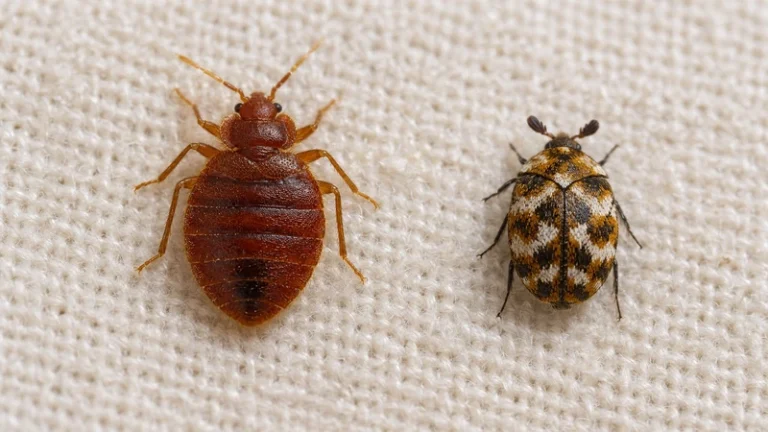
- Avoid indoor sprays. The same Extension warns bugs dying inside walls can feed carpet beetles, creating a second problem; soapy water handles visible stragglers safely.
- Clear hiding spots outside: rock piles, stacked boards and leaf debris near foundations. Follow label directions if applying a perimeter insecticide barrier before fall migration.
Bugs indoors are trying to survive winter, and many will drift in spring toward maple and boxelder hosts. If dozens reappear every cold snap, we’ll connect you with a vetted local pro for exterior treatment.
Should You Leave Boxelder Bugs Alone?
Mostly, yes. According to the University of Minnesota Extension, boxelder bugs cause no structural property damage, carry no disease, and almost never bite. Their damage to yards stays insignificant, so outdoors, tolerance simply beats treatment.
- Crushing one releases a strong foul smell and leaves orange-red stains on curtains or upholstery.
- Blanket outdoor spraying is rarely effective and can harm other species, including bees and pollinators.
- Indoors, a vacuum with a disposable vacuum bag beats any indoor insecticide for sudden clusters.
Leaving them alone outdoors doesn’t mean ignoring entry points. Repair torn screens and seal gaps before fall rather than trying to kill every bug. If hundreds keep appearing indoors, a licensed pest pro handles exclusion.