Bugs That Look Like Chia Seeds: 12 Types & How to ID Them
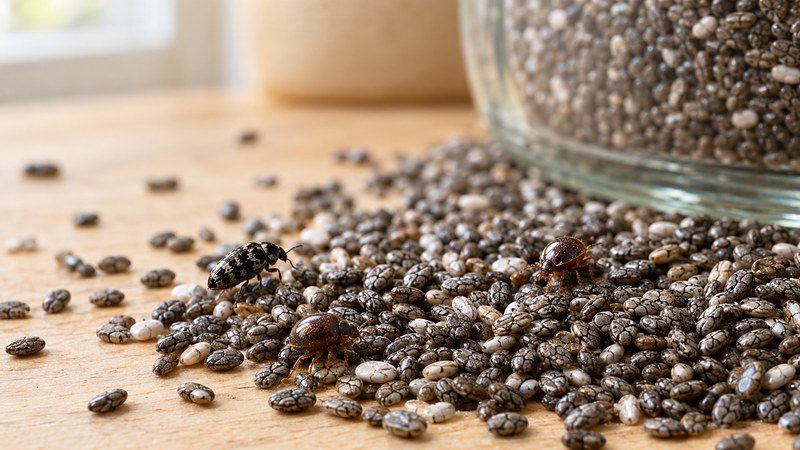
Not every tiny speck on your counter is spilled chia. Many bugs that look like seeds share that rounded poppy-seed profile, slipping by unnoticed until numbers explode. Spotting movement early separates debris from genuine pests.
Size misleads, since most of these little bugs measure less than 5mm. According to Texas A&M AgriLife Extension, a clear specimen or photo enables accurate ID, revealing whether the invaders threaten your home or plants.
What Are These Little Black Bugs?
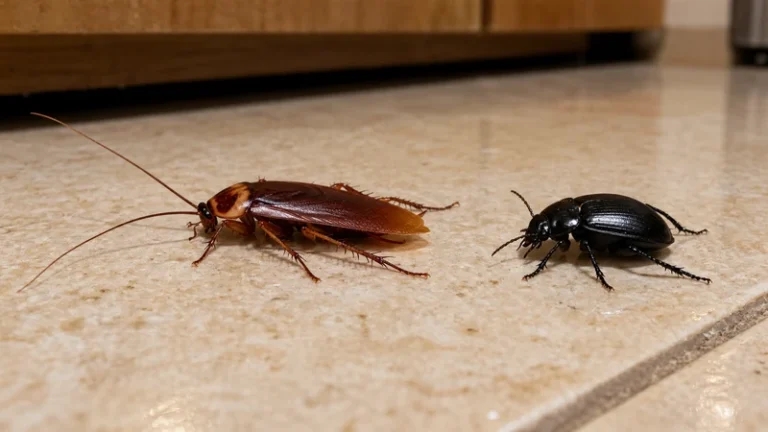
Color tells you almost nothing; where they show up is the best clue. Tiny black bugs on windowsills, in bathrooms, or inside pantries are usually different species. Booklice, drugstore beetles, spider beetles, and bed bugs all pass for poppy seeds, yet only one will bite.
The University of Minnesota Extension calls springtails harmless, signaling a moisture problem; they jump like fleas from damp plant soil. Fungus gnats hover; their larvae damage plants. Carpet beetles favor bedding. Among 15 common types, a photo helps you identify which to get rid of.
Bugs vs. Chia Seeds: How to Tell the Difference
Those tiny black seeds scattered across a shelf might be alive, so investigate with this quick ID guide separating real insects mistaken for seeds from chia.
| Feature | Bugs | Chia Seeds |
|---|---|---|
| Movement | Crawl, hop, or move quickly when disturbed | Stay completely still unless rolled or blown |
| Shape | Oval-shaped, flat, or round bodies, segmented | Smooth oval grains without any body segments |
| Legs/Antennae | Six or eight microscopic legs, often antennae | None; completely smooth, no appendages at all |
| Color & Pattern | Reddish-brown, shiny, or nearly black, uniform | Mottled gray, white, and black specks |
| Water Test Result | Legs kick; nothing swells or turns gelatinous | Absorb water, forming clear gel within minutes |
| Where Found | Mattresses, pantries, plant soil, window frames | Sealed jars, puddings, and pantry shelves |
Crawling Bugs That Look Like Chia Seeds
Not every dark-colored speck on your mattress is a chia seed. Crawlers with no wings that don’t fly travel inside your home, many no bigger than poppy seeds. Seven pests cause most of the confusion.
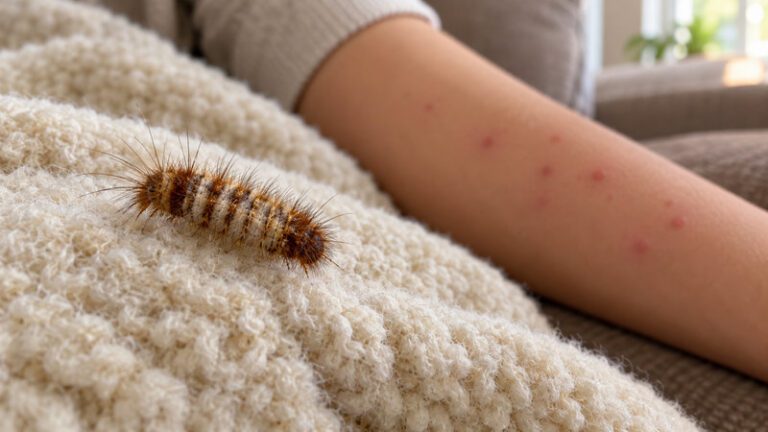
Carpet Beetles
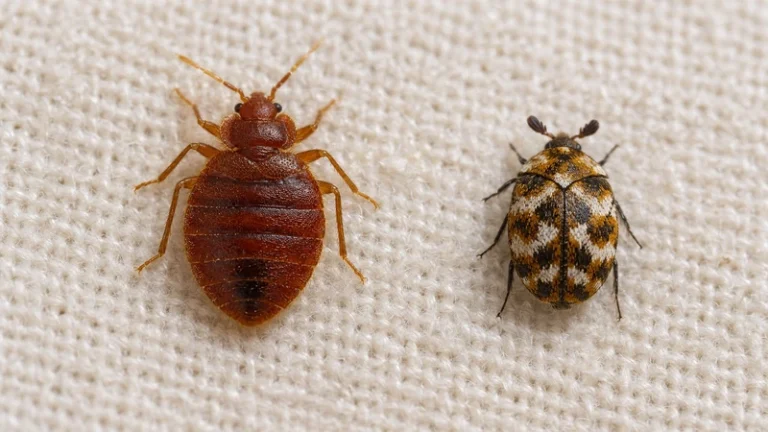
Oval 1–5 mm (1/25 to 1/5 inch) beetles crawling across carpets aren’t the culprits. According to University of Kentucky entomologists, their larvae do the damaging textiles work, chewing wool clothing, natural fibers, and furniture upholstery.
- Regular vacuuming of rug edges removes eggs before larvae hatch.
- Thorough cleaning of stored woolens beats sprays for long-term prevention.
- Indoors they ignore plants, targeting animal-based fibers instead of foliage.
Bed Bugs
Flat, rust-brown, 1–5 mm (1/25 to 1/5 inch) before feeding, bed bugs pass for apple-seed lookalikes until they swell. The EPA notes they hide behind baseboards, inside couches, and leave dark specks of digested blood.
- Waking up with bites in rows often points here first, a key beetle vs bed bug clue.
- Itchy bites can trigger allergic reactions in some people, CDC notes.
- Houseplants face zero plant danger; bed bugs want blood only.
Fleas
Fleas are reddish-black, laterally flattened, and 1–3 mm, built to slip between carpet fibers. According to Texas A&M AgriLife Extension, adults stay on pets while eggs, larvae, and pupae develop in pet bedding and floors.
- Fleas move quickly, crawling through fur faster than eyes follow.
- Ankle-level bites usually mean fleas, not bed bugs, are feeding.
- Treating pets and vacuuming daily together breaks the life cycle.
Ticks
At 1–5 mm (1/25 to 1/5 inch) before feeding, ticks pass for chia seeds. According to UF/IFAS entomologists, brown dog ticks often ride indoors on pets from grassy areas and hide in cracks in walls.
- Ticks carry diseases like Lyme disease, so never crush them barehanded.
- Remove with care using fine tweezers, pulling straight up, CDC advises.
- Embedded ticks can transmit diseases, but they don’t affect plants.
Springtails
Springtails measure 1–2 mm (1/25 to 1/12 inch) and jump like fleas using a tail-like furcula. Colorado State Extension explains they gather around drains, bathrooms, and potted plants wherever excess moisture supports mold and fungi.
- They prefer damp environments and die quickly in drier rooms.
- Springtails are harmless to plants, feeding on decaying organic debris.
- Unlike real fleas, they never bite people or pets indoors.
Booklice
Booklice, or psocids, are not true lice and reach 1–2 mm (1/25 to 1/12 inch). According to University of Minnesota Extension, they graze on microscopic mold and mildew in humid environments like basements and bathrooms.
- Booklice don’t bite, though large crowds of them feel annoying.
- Excess moisture in plant soil can attract them indoors too.
- They’re harmless to plants; fixing mold issues makes them disappear.
Bird Mites
Bird mites look like tiny black dots at 0.5 mm (1/50 inch), moving fast along walls. According to Penn State Extension, once birds abandon nests in attics or gutters, hungry mites invade homes seeking blood.
- They bite humans briefly but can’t reproduce without bird hosts.
- Check window frames near abandoned nests first for crawling clusters.
- Bird mites don’t harm plants; removing old nests solves most cases.
Pantry Bugs That Look Like Chia Seeds
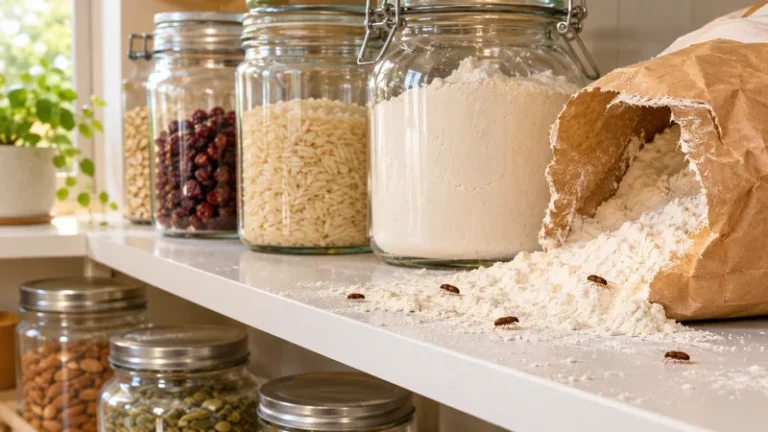
A pantry takeover rarely starts loudly. It begins with one infested package, often flour bags, cereal boxes, or spices, where tiny beetles pass for chia seeds until one wanders out of your dry food containers.
Spider Beetles
Look underneath. At 1.5–3.5 mm (1/16 to 1/8 inch), these little black beetles in house kitchens tuck long legs beneath glossy, humped bodies. Penn State Extension describes them as scavengers that infest pantries, feeding on stored grains, nuts, and debris.
- Adults and larvae contaminate dry food with droppings and shed skins.
- Check dry foods like dried fruit, cocoa, and dog kibble first.
- Movement, legs, and antennae instantly separate them from real chia seeds.
Drugstore Beetles
Notice the color first. Measuring 2–3.5 mm (5/64 to 1/8 inch), the drugstore beetle looks reddish-brown rather than chia-gray. University of Kentucky entomologists report it eats nearly any dried material, raiding spice cabinets and books.
- Larvae tunnel through stored foods, often hiding among sesame seeds.
- Adults take flight toward light, unlike chia sitting on dark shelves.
- Food contamination matters most; they cause no harm to live plants.
Weevils
Weevils rarely choose chia at all. Texas A&M AgriLife Extension explains that rice and granary weevils develop inside whole kernels, so infested rice, wheat, or corn hides larvae until adults chew exit holes through grains.
- Look for a long snout; chia seeds never have one.
- Rice weevils are airborne travelers, while granary weevils move only on foot.
- Dried bean weevils target beans and peas, leaving round exit holes.
Bugs Inside Your Chia Seed Bag
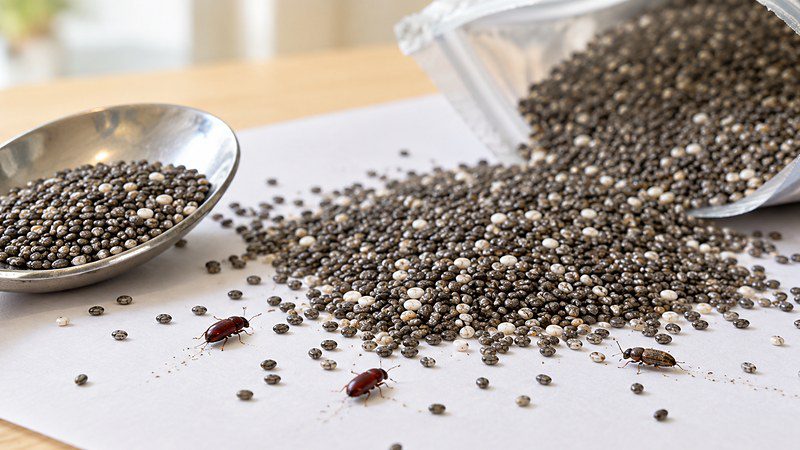
Real chia never leaves trails. Pour a spoonful onto white paper and wait two minutes; anything walking is likely a sawtoothed grain beetle or flour beetle, both small enough to slip through folded packaging seams.
- Silky webbing or clumped seeds point to Indian meal moth larvae.
- Sticky clumps without added water signal humidity that pests love.
- University of Minnesota Extension recommends freezing suspect seeds at 0°F for four days.
- Beetles in several bags? Connect with a vetted local pest pro.
Garden & Plant Pests That Look Like Chia Seeds
Chia seeds don’t walk, yet gardeners keep finding ones that do. A crawling dot the size of a poppy seed on a pepper leaf is rarely debris; plant pests are shuttling between soil and plants.
Black Aphids
Follow the ants. They farm black aphids for sticky honeydew, so a trail usually leads to a cluster of sap-sucking insects 1.5 mm (1/16 inch) long, packed on soft plant stems and new plant growth.
- Draining plant juices in groups can weaken plants and deform flower buds.
- Honeydew coating leaves invites sooty mold that blocks sunlight.
- Check undersides of leaves; UC IPM notes aphids can spread disease through plant viruses.
Flea Beetles
Most growers meet flea beetles through damage, not sightings. Shotgun holes across leaf surfaces in veggie gardens come first; the shiny beetles, 1.5 to 3 mm (1/16 to 1/8 inch), hop away instantly when touched.
- Seedlings are most vulnerable; heavy feeding can kill young plants outright.
- Surviving plants often stunt, yielding smaller radish, arugula, and eggplant harvests.
- These fast movers look like black dots that vanish when approached.
Black Specks That Aren’t Bugs: Flea Dirt & Bed Bug Droppings
Not every pinprick of dark debris is a living pest. Some mystery dots are droppings, and reading them correctly is the best clue to which insect is feeding nearby, often long before anyone spots one.
Flea Dirt
Flea dirt is digested blood that fleas drop while feeding, so it collects wherever pets rest. Veterinarians commonly suggest the wet-towel test: tap specks onto damp white paper, and true flea dirt bleeds rusty red.
- Check the nap spot, rugs, and fabric fibers where pets sleep.
- Vacuum carpets daily; regular cleaning removes eggs hiding in debris.
Bed Bug Droppings
According to the U.S. EPA, bed bugs leave tiny excrement spots that bleed into fabric like a marker would. Unlike flea dirt, these stains smear rather than flake, clustering along mattress seams and bedding edges.
- Wake with itchy red marks? Inspect the bed frame’s hiding spots.
- Can’t identify the stains? A licensed pest control expert confirms fast.
Where Are These Chia Seed-Looking Bugs Hiding?
Chia-seed lookalikes rarely sit in the open. They favor undisturbed spots where humidity, food scraps, or a warm host keep them alive. Where these speck-sized intruders settle often identifies them faster than their looks do.
Beds & Mattress Seams
Mattresses rank first because the host sleeps there. According to the EPA, these pests gather near piping, seams, and tags. Unfed bed bugs appear flat and chia-sized, so anyone bitten overnight should inspect seams immediately.
- Shine a flashlight along piping, tags, and box-spring corners.
- Rusty spots on sheets often confirm activity before insects appear.
Pet Bedding & Carpets
Pet beds trap fur, dander, and body heat, which explains why fleas and ticks drop off there. Rugs add another layer: carpet beetles chew natural fibers as grubs; adults look like dark, rounded chia seeds.
- Wash pet bedding weekly in hot water to break cycles.
- Beat rugs outside and check under furniture where fibers collect.
Pantries
Dry goods attract a different crowd. Drugstore beetles and other pantry beetles bore into flour, spices, and pet kibble. According to Penn State Extension, these insects often contaminate stored food for weeks before anyone notices.
- Move grains and spices into airtight glass or hard-plastic containers.
- Toss any package showing pinholes, webbing, or live beetles.
Houseplant Soil
Overwatered pots act as a welcome mat for pests. Soggy, moist potting mix invites fungus gnats, springtails, and thrips. According to the University of Minnesota Extension, immature gnats live mostly in the soil’s top layer.
- Let the upper inch dry completely before watering again.
- Yellow sticky cards near pots reveal flying adults within days.
Sink Drains & Bathroom Tiles
Bathrooms combine warmth, humidity, and constant splashes, perfect for moisture-loving insects. Booklice graze on fungal films in tile cracks, while drain grime and cabinet drips under sinks feed hidden colonies most homeowners never even notice.
- Run the exhaust fan twenty minutes after every shower.
- Scrub drain overflow holes monthly with a stiff bottle brush.
Window Sills & Door Frames
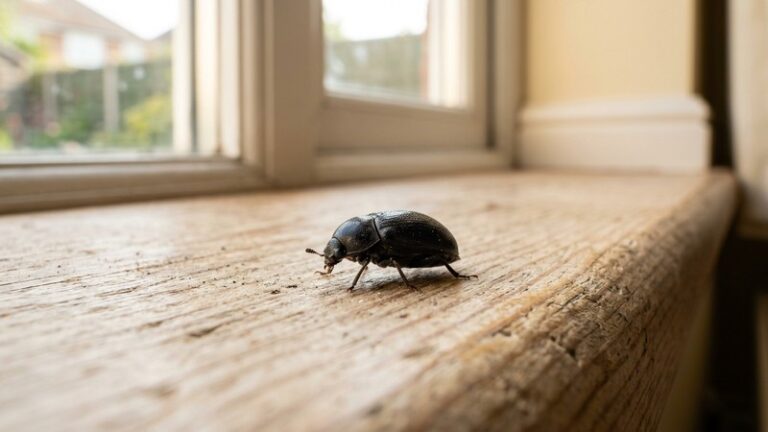
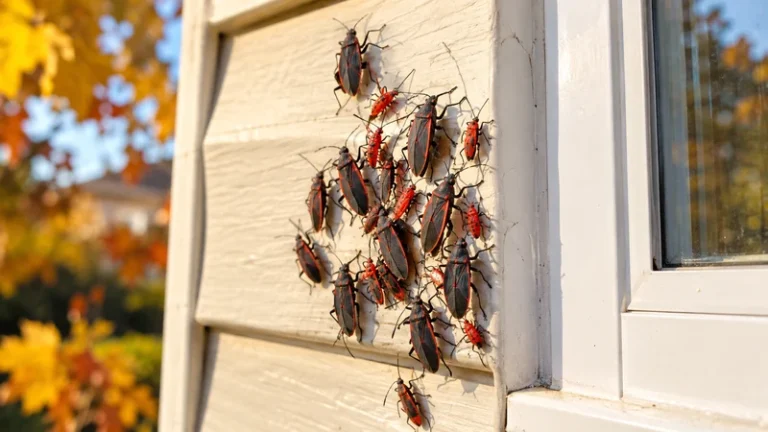
During colder months, cluster flies squeeze through gaps around windows and doors to overwinter. According to the University of Minnesota Extension, clover mites gather on sunny sills, turning frames into hideouts for small flying bugs.
- Seal frame cracks with silicone caulk before early autumn arrives.
- Replace torn screens and worn door sweeps each fall.
Basements & Wall Cracks
Damp basements stay cool year-round, so springtails and mites breed there. Cluttered corners, cardboard stacks, and wall cracks give these critters places to hide. According to Penn State Extension, springtail outbreaks trace to wet foundations.
- Run a dehumidifier to keep basement humidity below 50 percent.
- Fill foundation cracks with hydraulic cement or polyurethane sealant.
Are Bugs That Look Like Chia Seeds Dangerous?
Most chia-seed lookalikes are just annoying, yet a handful pose genuine risks: some bite, some ruin food supplies, and others quietly attack tender plant roots.
- Ticks top the list; the CDC confirms they spread disease, including Lyme disease and anaplasmosis.
- Bird and rodent mites bite people after hosts leave, leaving itchy welts but rarely lasting harm.
- Seed-sized pantry pests are harmful mostly to your budget, spoiling flour, grains, and dried spices.
- Sap-sucking harmful bugs damage leaves, while fungus gnat larvae gnaw the roots of young seedlings.
The danger depends entirely on identification. A speck crawling across your pillow deserves faster attention than one hovering over potting soil. If bites or wilting plants appear, a licensed pest expert can confirm the species.
Can They Harm Your Plants or Garden?
Yes, several of them can. Aphids, thrips, and flea beetles feed on foliage and sap, and once they build up in large numbers, the harm moves from cosmetic to serious, sometimes ending in plant death.
- Sap-suckers crowd tender stems to drain sap, so young leaves curl and stunted growth follows.
- Rasping feeders scar flower buds before they open and distort leaves, leaving blooms streaked and misshapen.
- Chewing beetles damage leaves with shot-holes, and seedlings often never regain full plant vigor.
According to the University of California IPM program, aphids and thrips can spread plant viruses, while sticky honeydew invites sooty mold, so secondary infections often follow. Catch infestations early, before small infestations become firmly established.
How to Get Rid of Bugs That Look Like Chia Seeds
Spraying first is the most common mistake. Effective control of chia-seed lookalikes begins without chemicals, by removing water and food, so home-safe habits come before safe sprays or calling in local pest-control pros for help.
- Identify First: Catch flying bugs on sticky traps, then scan with a black bug identifier app before choosing any fix.
- Starve the Moisture: Fix leaky faucets and pipes; control moisture in damp places with airflow so breeding sites dry out.
- Rethink Watering: According to UC IPM, letting the top 3 cm (1.2 inches) of houseplant soil dry between waterings starves fungus gnats.
- Recruit Allies: Biological controls stay plant-friendly; beneficial nematodes like Steinernema spp. hunt soil larvae, while ladybugs and lacewings devour aphids.
- Clean and Shield: Toss infested pantry items, vacuum crumbs off baseboards and windowsills; floating row covers form physical barriers against flea beetles.
- Spray Last: Mist neem oil (0.5–1%) or insecticidal soaps outside the heat of the day, avoiding scorched leaves; monitor consistently.
When to Call Professional Help
Sometimes persistence with DIY sprays and cleaning every few days still loses, especially when an infestation keeps returning or someone in the family gets bitten.
- Recurring infestations or large numbers in clusters near windows usually signal a hidden breeding source.
- You can’t ID the bug, and a wrong guess might overlook pests that bite pets.
- An odd smell, visible mold, or spreading damage signals hidden water problems beyond surface treatment.
- Plants dying even after repotting suggests root-feeding larvae that a trained professional can confirm quickly.
According to the EPA, integrated pest management targets the source first, often using fewer pesticides. Connecting with a licensed local expert through our referral network means less stress, safer rooms, and healthier greenery without guesswork.
FAQs
What Are the Bugs That Look Like Chia Seeds in My House?
The chia seed lookalikes indoors are usually carpet beetles, spider beetles, booklice, springtails, and fungus gnats. According to Penn State Extension, most gather near damp areas or windowsills, so their location quickly identifies the culprit.
What Bugs Look Like Chia Seeds in My Bed?
Bugs that look like chia seeds in your bed are typically carpet beetles or fleas. Carpet beetle larvae chew wool without biting, while fleas bite. A licensed local pest pro can quickly confirm which one.
What Bugs That Look Like Chia Seeds Jump Like Fleas?
Chia seed bugs that jump are usually springtails or flea beetles. Harmless springtails leap when disturbed near damp soil or bathrooms. Flea beetles stay outdoors chewing vegetable leaves. Neither will bite people, unlike true fleas.
What Are the Chia Seed-Looking Bugs in My Bathroom?
Chia seed-looking bugs in your bathroom are usually booklice or springtails feeding on mold and mildew. Both are harmless, but they signal excess humidity. Fix leaks, improve poor ventilation, and the moisture-loving pests soon disappear.
Which Bugs That Look Like Chia Seeds Bite?
If you’re asking which bugs that look like chia seeds bite, it’s bed bugs, ticks, and bird mites. Bird mites leave abandoned bird nests; ticks ride on pets. Booklice, springtails, and fungus gnats don’t bite.
3 Comments