What Is Termite Frass? Signs, Photos & What to Do
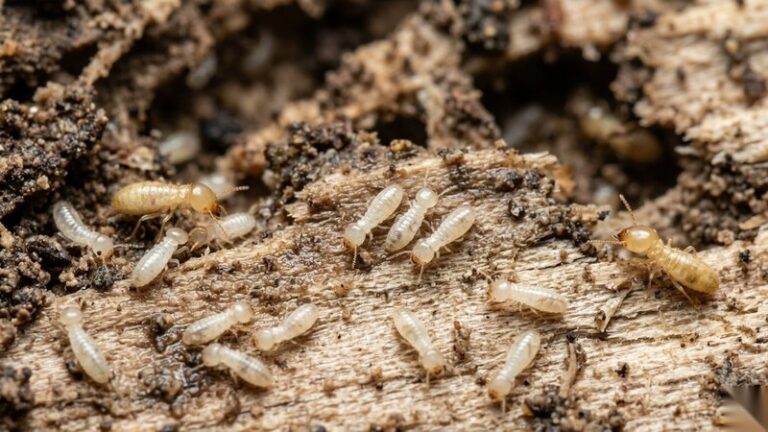
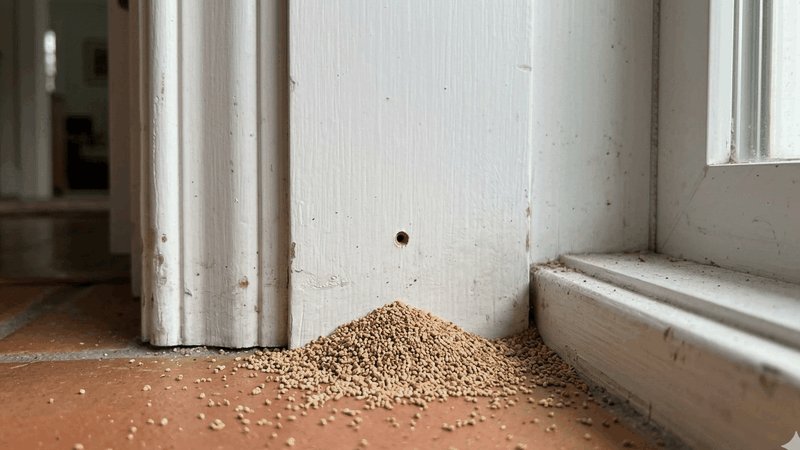
Termite droppings, often called frass, are pellet-shaped droppings left behind during a natural digestion process. These tiny, granular specks resemble ground pepper or coffee grounds, signaling a hidden infestation.
Acting as a referral resource, the focus stays on identifying infestations early. Drywood termites push frass through kick-out holes, scattering fecal pellets that often gather in piles near exposed wood.
What Is Termite Frass and What Do Droppings Look Like?
Anyone who has dealt with an infestation learns to recognize frass by its peculiar uniformity—a scattering of tiny pellets that resemble coarse coffee grounds or sawdust, yet hold a strangely consistent shape under closer inspection.
- Small, pellet-like fecal pellets
- Resembles termite poop or sawdust
- Often near colony entrances
- A telltale sign of hidden activity
Spotting this waste early matters more than most homeowners realize. Because drywood termites quietly deposit material through kick-out holes, treating frass as the earliest sign lets you spot infestations before serious damage spreads through your home.
Drywood Termite Droppings

Unlike their subterranean cousins, drywood termites leave behind distinctly dry, hard evidence. These brownish pellets measure roughly 1 millimeter, forming small mounds beneath kick out holes as colonies clear digested material.
Examining closely reveals six concave sides with rounded ends, each capsule a fraction of an inch. A magnifying glass shows the six-sided, granular texture resembling ground pepper scattered across surfaces below infested wood.
Subterranean Termite Droppings
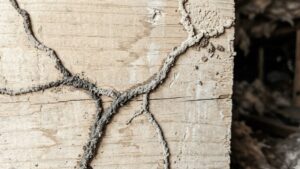
Unlike their drywood relatives, subterranean termites rarely leave visible droppings in tidy piles. Their frass mixes into the soil, blending with nesting material to form mud tubes along foundations and walls.
These termites push waste into tunnel walls rather than discarding it. The liquid foam consistency means homeowners spot mud tubes and structural damage before ever finding actual droppings present.
Where to Find Termite Frass
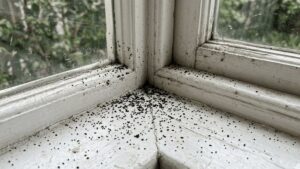
Check windowsills, baseboards, and anywhere wood touches home foundations, since these spots get overlooked yet collect telltale evidence. Areas checked regularly reveal early termite activity before destruction spreads silently through framing.
During inspections, exit holes near furniture and wooden structures drop tiny pellets below. Examine doors, windows, and corners where swarmers emerge, as frass gathers in piles underneath quietly.
Are Termite Droppings Dangerous?
While termite droppings themselves are not toxic or harmful to humans, anyone who has dealt with clean up knows caution matters. Some people allergic to dust find these particles bothersome during removal work.
When handling infestations, the bigger concern involves how handle carefully applies practically. Fine pellets can irritate skin or trigger respiratory issues, especially aggravating asthma sufferers when disturbed dust becomes airborne indoors.
What To Do If You Find Termite Frass
Before touching anything, slip on protective gear. Rubber gloves, plastic gloves, a mask, and goggles shield you while you sweep up droppings into a sealed bag, keeping particles contained.
Once material is gathered, disinfect the surface thoroughly, since lingering bacteria and viruses concern many homeowners. For extensive infestations, skip cleanup entirely and contact professional pest control services before damage worsens significantly.
Suspect Termites?
Protect your home — book your free termite inspection.
Fast, no-obligation quote from trusted local termite control pros.
Differences Between Termite Species’ Droppings
To an untrained eye, pests blur together, yet termite pellets differ sharply from ants and cockroaches. Cockroach droppings leave smears and black pepper-like specs, unlike clean granular pellets entirely.
Ants push irregular piles of sawdust and debris, while termite droppings stay dry, oval-shaped, ridged tiny capsules. Studying these ridges helps you identify the exact type of pest quickly.
Identifying Fresh Vs. Old Termite Droppings
On inspection, fresh termite droppings appear noticeably darker, a reliable marker pointing toward active infestations where the colony continues feeding and pushing waste from tunnels right now.
Old droppings turn lighter and powdery underfoot. After you clean up, watch closely; if pellets come back, that recurrence signals ongoing termite activity demanding professional attention soon.
Other Signs Of Termite Activity
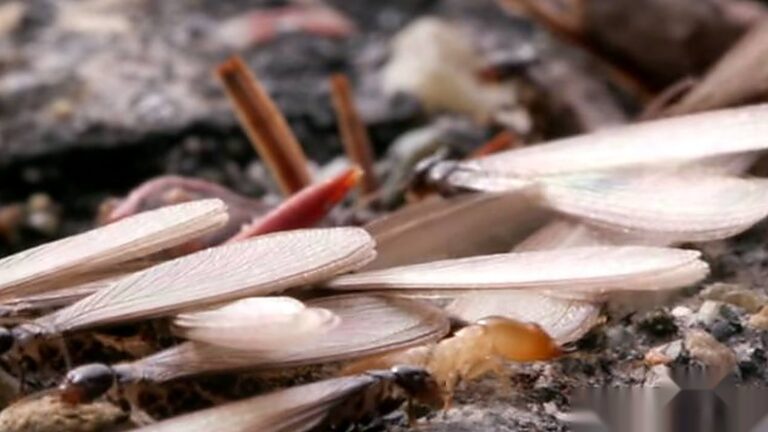
Beyond visible droppings, watch for discarded wings scattered near window sills or door frames, which often appear after swarmers abandon their colony to establish new colonies elsewhere throughout your wooden structures.
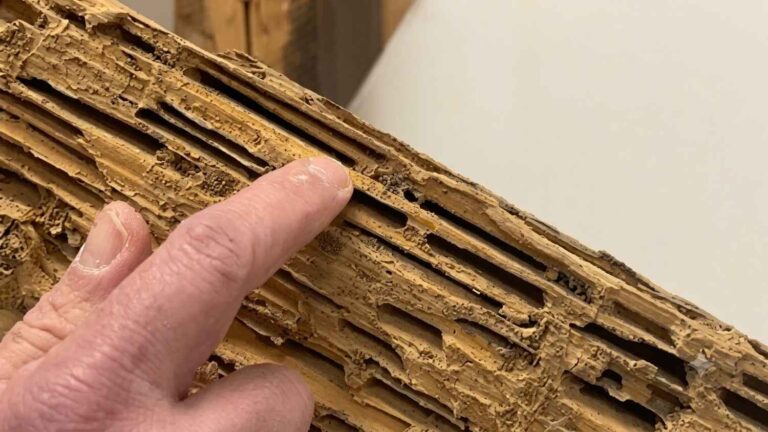
Tapping surfaces reveals hollow-sounding wood, while tiny holes punched through drywall signal hidden trouble. To understand what termites do to your house, the damage often runs deeper than these surface clues. A professional inspection is recommended when mud tubes climb along walls or foundations unexpectedly.
Proper Removal Of Termite Feces
You can vacuum loose termite pellets or sweep away the waste, but they come back quickly unless the source of problem gets treated. Surface cleanup never addresses the deeper infestation hiding within.
A practical approach is to clean up the frass, then track whether it will reappear over a short period. Fresh accumulation confirms ongoing termite activity demanding real treatment.
Dampwood Termite Droppings
Unlike drywood termite pellets that gather in piles, dampwood species favor dry, moisture-rich exposed wood, leaving fewer obvious traces. Their frass tends to stay packed inside tunnels rather than visible kick-out holes.
Inspecting crawlspaces, basements, and wall voids where humidity collects proves essential. Their pellets often turn up near exposed beams and stored wood, blending with sawdust that masks any active infestation underway.
Termite Droppings Vs. Other Pest Droppings
Distinguishing termite droppings from rodent or roach waste matters greatly. Drywood termites produce oval-shaped capsules resembling coffee grounds or ground pepper, with a granular texture that don’t stick to surfaces when touched.
Other pests leave moist, smeared traces, whereas these small hard pellets stay rounded and crumbly. Recognizing the distinctive droppings of each termite species guides smarter pest management and faster identify efforts.
FAQs
What Do Termite Droppings Look Like?
Picture tiny small hard pellets scattered like coarse salt and pepper. Drywood termite pellets measure roughly 0.04 inches, each barely a grain of sand. Their color shifts by type of wood consumed, ranging light brown through dark brown, resembling finely ground coffee or sawdust. See more on what termite droppings look like for a full visual breakdown.
Are Termite Droppings Dangerous?
Mostly not dangerous and non-toxic, carrying no pathogens, yet they signal a bigger problem. Sensitive people may notice skin irritation or respiratory issues, since airborne dust with tiny particles sometimes triggers asthma symptoms. Always handle with care wearing gloves.
Where Should I Look For Termite Frass?
Check kick-out holes near window sills, door frames, baseboards, and floor cracks. Drywood termites leave tiny mounds across wooden floorboards, carpeting, attic floor spaces, plus crawlspaces, basements, garages, and wall voids. Inspect exposed beams, electrical outlets, and stored wood carefully.
How Can I Tell If Termite Droppings Are Fresh Or Old?
Distinguishing freshness proves tricky since fresh and old appear remarkably similar. The real test: clean up every pile, then watch. Should droppings reappear within a short period, that presence confirms an active infestation with ongoing feeding rather than abandoned activity.
What Other Signs Indicate Termite Activity?
Beyond frass, scan for discarded termite wings near small holes in drywall or plaster. Subterranean termites construct small tunnels functioning as protected highways across wood. Tap suspect boards—hollow-sounding wood strongly betrays hidden termite presence beneath seemingly solid surfaces indoors.
When Should I Call A Professional For Termite Control?
The moment you spot frass, mud tubes, or other signs of termites, calling pest experts matters. Early intervention prevents extensive damage and costly repairs. A pest control professional can identify and remove infestation before active termites cause major damage, then build a solid termite protection plan.
Can I Vacuum Up Termite Pellets?
You can clean up visible termite droppings, but vacuuming only removes surface traces, not the nesting colony driving destruction. After a professional termite inspection confirms whether active termite infestation exists, pest experts apply proper treatments. Document anything fresh first, since regular inspections guide each treatment plan.
Why Do Termites Leave Droppings Behind?
Drywood termites push termite feces through kick-out holes to keep tunnels clear while feeding inside wooden structures. These piles of pellets, often resembling coffee grounds or sawdust, become the first visible clue of hidden colonies. Subterranean termites instead use waste to seal tunnels, leaving mud tubes rather than visible droppings.