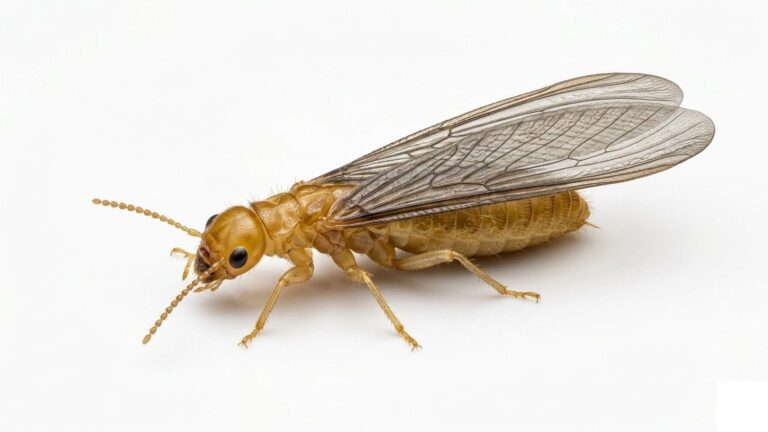
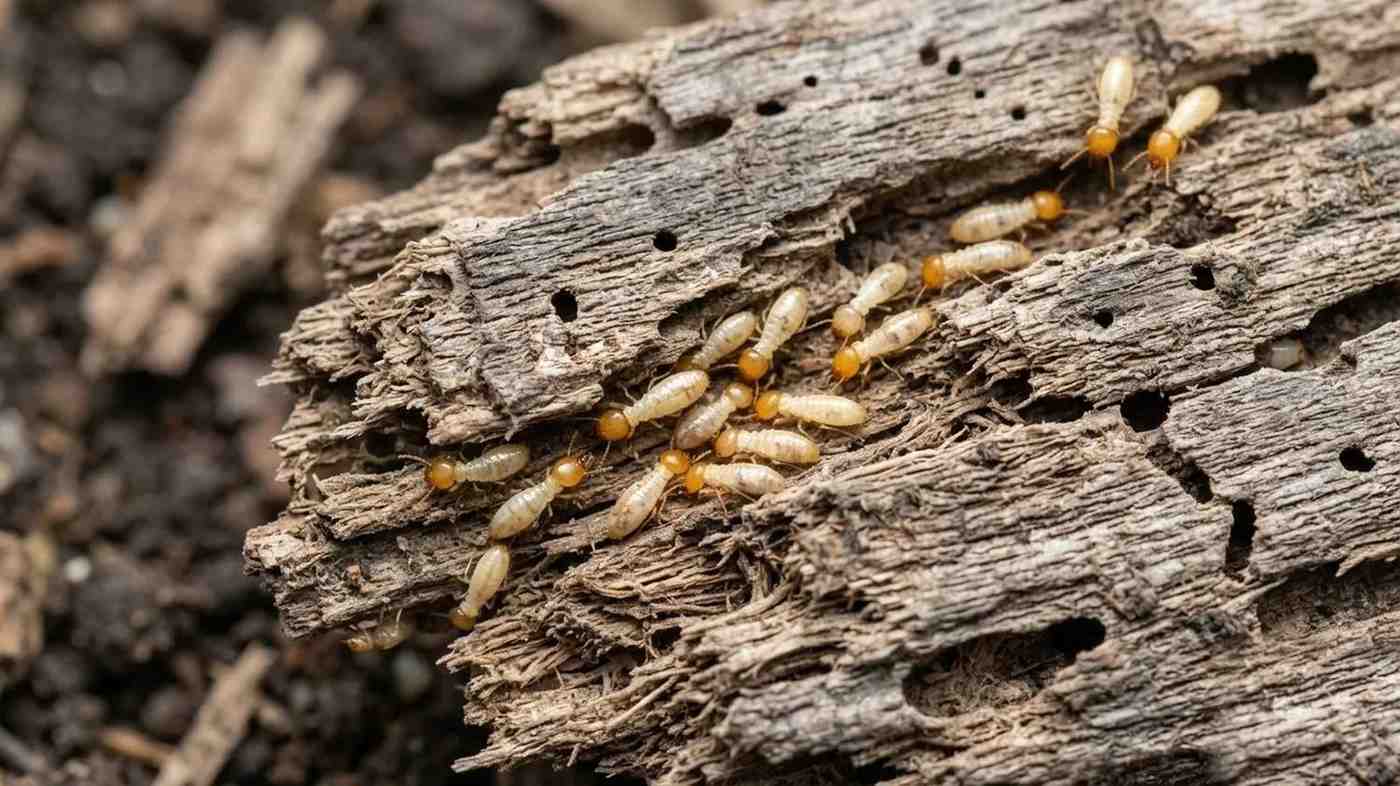
How to Kill Termites: Fast & Proven Methods That Work
Most homeowners discover a termite problem far too late — after structural damage has quietly accumulated. These insects have survived for millions of years, evolving into remarkably destructive colonies that silently eat wood, compromise foundation integrity, and damage homes faster than most people realize.
Understanding the infestation early requires knowing what attracts these pests — moist wood, moist soil, and dark warm places they find undisturbed. From subterranean termites tunneling below ground to drywood termites invading furniture, every species operates with one goal: consuming your home’s cellulose-rich materials without interruption.
How to Identify Termites
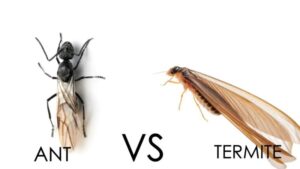
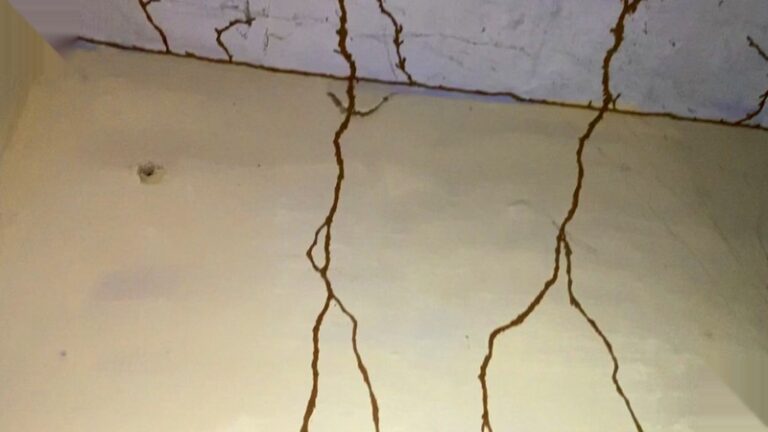
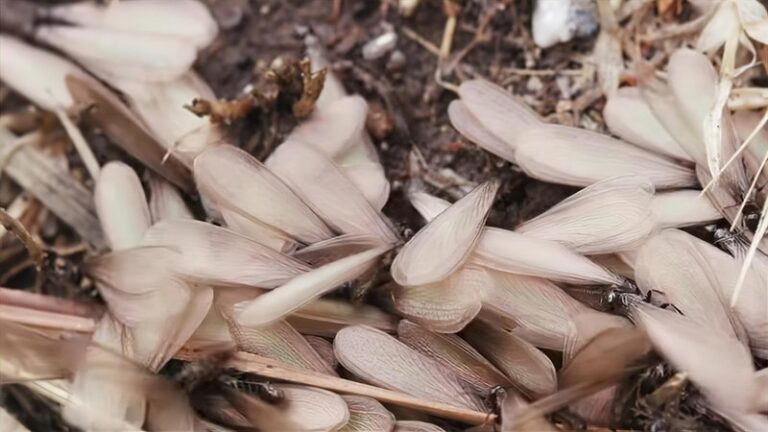
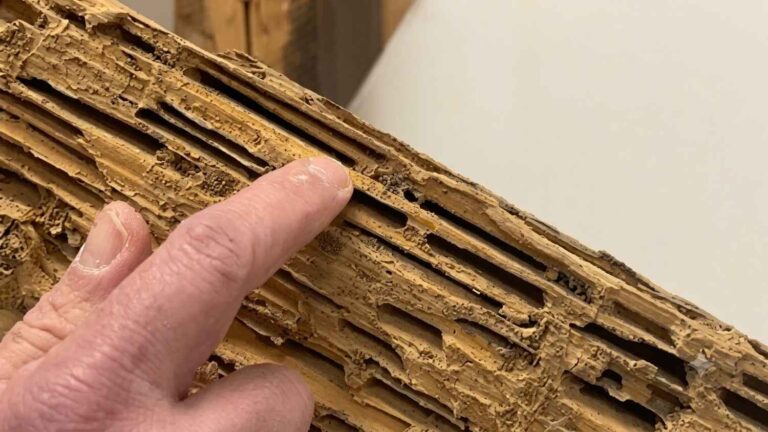
Most people misidentify termites until colony activity becomes obvious. Unlike ants, termites leave hollowed out wood, mud tubes, and discarded wings near entry points. Watching for soft wood or bubbling paint early helps detect structural damage before floor joists get compromised.
Hollow-sounding wood, small holes in drywall, and loose tiles signal hidden burrowing activity. Swarmers appearing in large numbers indoors confirm a structural infestation already underway. Experienced eyes spot mud tunnels — roughly the width of a straw — along wooden beams and floorboards where colonies travel.
Types of Termites
Subterranean, drywood, and dampwood termites represent three distinct species that homeowners encounter most. Each colony targets specific homes differently.
- Subterranean termites build underground mud tubes connecting soil to damaged wood, making them the most destructive insect in the United States — responsible for over two billion dollars in annual losses.
- Drywood termites infest woody debris, dead trees, and structural timber directly, requiring no soil contact — their hidden life inside damaged wood makes early inspection difficult even for professionals.
- Dampwood termites thrive in moist environments near water leaks, targeting dead trees and decayed wood — rarely entering homes unless persistent moisture issues create ideal colony conditions.
How to Tell If You Have Termites
Spotting termites early saves thousands in repairs. Swarmers, mud tubes, and hollow wood are textbook warning signs most homeowners overlook until colonies already compromise structural integrity.
- Discarded wings near windowsills, joints, or cracks indicate reproductive termites have shed and begun establishing a new colony inside your walls, confirming active infestation already progressing.
- Tapping exposed wood with a flathead screwdriver reveals hollow spots and decay — subterranean termites and drywood termites consume cellulose internally, leaving paper-thin wood surfaces deceivingly intact from outside.
- Thin mud structures roughly 1/4-inch diameter running along wooden structure bases, electrical meters, or fuse boxes confirm active tunneling — classic evidence differentiating termites from flying ants and other household pests.
What Are Termites Attracted To?
Termites don’t invade randomly — they follow precise environmental signals. Moist wood, moisture, and hidden cellulose sources create irresistible conditions that draw entire colonies toward your structure.
- Damp wood and decayed wood near plumbing leaks or improper grading give subterranean species the perfect foothold, accelerating structural compromise before any visible damage appears.
- Dense vegetation, trees, and shrubs pressed against your house trap moisture and create a warm habitat, offering termites direct access to exposed wood surfaces along your foundation.
- Firewood stored within 20 feet of your structure, combined with wood-to-ground contact, acts as a primary invitation — especially when ground level conditions remain consistently humid and undisturbed.
How to Treat and Kill Termites
Choosing the wrong treatment after identifying a termite problem can cost thousands. Effective termite control requires matching the method to the species — subterranean termites, drywood termites, and Formosan termites each respond differently to available treatment strategies.
Before committing to any approach, it helps to understand how much it will cost to get rid of termites, since pricing varies widely between DIY methods, bait systems, and full professional treatment.
Suspect Termites?
Protect your home — book your free termite inspection.
Fast, no-obligation quote from trusted local termite control pros.
Non-Chemical Treatments
Not every infestation demands chemicals. Several proven non-chemical approaches disrupt colonies at the source:
- Cardboard traps exploit termites’ appetite for cellulose — place moist cardboard near affected areas, then burn the trap once loaded with insects, using it alongside a cardboard bait system as a monitoring tool before committing to full eradication.
- Nematodes — specifically entomopathogenic, microscopic worms — work by injecting bacteria directly into termite larvae, offering safe biological control without harming humans, pets, or wood structures; available at garden centers and online sources.
- Diatomaceous earth (DE), a non-toxic fossilized algae-based barrier, dehydrates and dries out termites on contact — apply along walls, ceilings, and floors as a preventive measure against multiple types of termites with consistent vigilance.
Chemical Treatments / Conventional Barrier Treatments
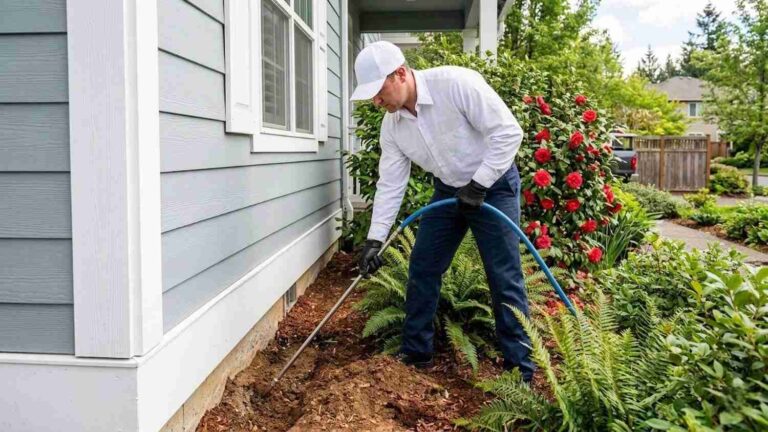
- Liquid termiticide applied to soil creates a long-lasting barrier around the home, capable of protecting structures for up to five years while targeting subterranean colonies tunneling from ground level.
- Termiticides registered by the EPA under strict federal labeling and state review processes meet defined safety standards for both human health and the environment — always follow pesticide label label directions precisely.
- Pest management professionals bring knowledge, expertise, and specialized equipment to apply highly toxic chemical treatments safely, managing risks while maximizing effectiveness against established colonies.
Termite Baits
- Bait stations placed at ground level intercept subterranean termites along active tunnels, delivering slow-acting toxins back to the nest before swarmers can establish a new colony.
- Unlike conventional barrier sprays, termite baits allow monitoring of colony activity over weeks and months, confirming whether populations have been fully eliminated or have returned.
- Professional installation ensures bait placement aligns with real tunneling paths — reducing potential risks and improving termite elimination success rates across the treated structure.
Additional Treatment Methods
- Orange oil, containing d-limonene, penetrates infested wood when applied or injected directly, causing dehydration by breaking down termite exoskeletons — best suited for localized drywood termites treatment.
- Boric acid remains a reliable option for dry wood termites, disrupting their nervous system through repeated exposure to treated wood surfaces with consistent effectiveness.
- Vinegar with elevated acetic acid concentration dehydrates surface termites through direct exoskeleton contact — though concentrated vinegar potency dilutes quickly and cannot reliably reach deep tunnels or threaten the queen for full colony eradication, limiting it to surface-level infestation management.
Are Pesticides Used Against Termites Safe?
Pest management professionals consistently emphasize that EPA–registered termiticides undergo rigorous federal, state, and local agencies review before approval. Following label directions and precautions precisely reduces minimal risk exposure, making modern termite control products considerably safer than older-generation pesticide formulations when applied correctly.
Homeowners re-entering treated spaces should observe reoccupied timelines listed on product labels — the applicator determines when you safely reenter building areas. Consulting the Citizen’s Guide to Pest Control Safety and contacting the National Pesticide Information Center (NPIC) at 1-800-858-7378 addresses pesticide-related issues, health effects, and potential risks before product use begins.
How to Prevent Termite Infestations
Prevention beats treatment every time — and most homeowners learn this only after spending thousands on repairs. Proactive steps that keep termites away through moisture management, structural sealing, and smart landscaping are far more cost-effective than eradicating an established colony. Here’s exactly what pest management professionals recommend before a single mud tube appears.
Fix Leaks / Check for Moisture
Controlling moisture is the single most overlooked prevention step. Subterranean species actively track water leaks, water pipes, and even condensation from AC units — any damp environment turns your foundation into an invitation worth tunneling toward.
Improve Ventilation
Poor ventilation traps humidity inside crawl spaces, accelerating wood rot and creating the exact moist conditions drywood termites and subterranean species exploit. Installing proper airflow reduces dehydration-resistant humidity that otherwise sustains hidden colonies underground.
Check the Dryer Vent
A blocked dryer vent quietly releases warm, humid exhaust directly into wall cavities or crawl spaces, mimicking the moist soil environment that attracts termite species. Inspect and clear this vent regularly — it’s a moisture source most homeowners never connect to termite infestations.
Protect Wood / Eliminate Wood-to-Ground Contact
Wood-to-ground contact is a direct structural invitation. Structural timbers, fence posts, and utility poles touching soil give subterranean termites an effortless entry path — eliminating this contact removes their primary bridge between ground and house.
Elevate Insulation
Insulation resting against foundation soil traps moisture, softens exposed wood, and provides shelter tubes that traveling colonies exploit without detection. Elevating or repositioning insulation cuts off this concealed pathway before reproductive termites establish a new colony inside wall cavities.
Keep Mulch Off the Foundation
Wood mulch placed directly against a foundation offers moisture, cellulose, and darkness — three conditions every termite species actively seeks. Maintaining a clear gap of at least six inches between mulch and your home’s base significantly reduces termite attracted pathways.
Clear Overgrowth
Dense vegetation pressed against exterior walls traps moisture, blocks sunlight, and hides mud tubes from early detection. Removing overgrowth regularly eliminates both physical shelter and the humid microclimate that encourages subterranean and drywood termites to thrive.
For a longer-term approach, consider replacing risky greenery with plants that repel termites — certain species naturally discourage colonies from settling near your foundation.
Clean Gutters
Gutters clogged with debris redirect water back toward fascia boards and soffits — moist tunnels form faster than most homeowners expect in these saturated wood zones. Routine gutter cleaning keeps pipes and drainage functioning properly, cutting off a major moisture source termites track.
Seal Cracks
Cracks, crevices, and poorly sealed utilities ports act as direct entry points for swarmers scouting a location for a new colony. Sealing these with caulk, expanding foam, or construction-grade materials removes the access routes reproductive termites depend on during late winter and fall swarming seasons.
Call an Expert
Even perfect prevention has limits — pest control companies, licensed pest management professionals, and licensed inspectors carry diagnostic tools that detect concealed activity homeowners cannot see. Scheduling annual home inspection visits remains the most reliable layer of termite control available.
How Do I Handle a Termite Infestation?
Handling a termite infestation demands a calculated sequence — not panic-driven guesswork.
- Confirm Before You Act: Professional home inspection pinpoints whether you face mild infestation or deep soil-level colony activity — skipping this step wastes money on mismatched treatment methods that fail to eradicate root-level homeowners‘ structural threats entirely.
- Match Method to Severity: Surface treatments suit early-stage mild infestation, but entrenched colonies need licensed intervention — professional assessment determines whether targeted soil barriers or systemic methods will fully eliminate what standard homeowners‘ DIY treatment cannot reach.
- Monitor After Treatment: Confirmed elimination still demands regular inspections — weeks and months post-treatment, present colony remnants often returned undetected, requiring follow-up eliminate protocols before declaring the infestation genuinely, completely, and permanently resolved without recurrence.
What If Something Goes Wrong?
Even the most carefully executed termite treatment occasionally produces unexpected outcomes. When licensed pest management professionals apply liquid termiticide or barrier treatments, structural conditions like concrete slabs, brick, or improper soil saturation sometimes compromise continuous protection — leaving isolated colony pockets untouched beneath your home.
Recognizing treatment failure early matters enormously. If swarmers reappear indoors in large numbers weeks or months post-application, or mud tubes rebuild along ground-level structure bases, contact your pest control company immediately — your product labels and applicator agreement typically outline reoccupied timelines and retreat guarantees protecting your residence.
What is the Government’s Role in Termite Control?
- Federal agencies like the EPA establish termiticide registration standards, ensuring every pesticide product label meets safety thresholds before licensed applicators legally deploy treatments near residential structures.
- State pesticide regulatory agency authorities enforce compliance among pest control company operators, verifying that licensed professionals follow approved concentration levels and application protocols protecting homeowner investments statewide.
- Local governments mandate annual inspections in high-risk regions, requiring licensed contractors to document termite control activity, protecting property owners from undisclosed structural damage during real estate transactions.
- EPA-registered insecticides undergo scientific studies and tests before receiving approval — regulatory bodies impose strict restrictions ensuring active ingredients like Fipronil and Imidacloprid meet environmental and human health benchmarks.
- Government extension programs — including experts like Eric Benson, Ph.D., professor emeritus, extension entomologist, Clemson University — educate homeowners on identifying infestation risks before significant damage reaches billions of dollars nationally.
- State agencies maintain updated registries of approved termite treatments, protecting consumers from fraudulent operators offering unregistered chemical treatments that risk drinking water wells contamination near residential soil barriers.
- Regulatory frameworks governing new home construction require developers to pretreat wood and soil using government-approved Borates or liquid termiticide barriers before certificates of occupancy get issued to buyers.
- Federal oversight of pest management professional licensing ensures practitioners understand concentration thresholds, distribution protocols, and contamination prevention — directly reducing pesticide misapplication incidents that damage surrounding ecosystems.
- The National Pesticide Information Center operates under government coordination, offering homeowners direct access to pesticide-related guidance, health effect reporting, and product use clarification across the United States around the clock.
FAQs
Can You Treat Termite Infestations Yourself?
DIY termite treatment works for mild infestation cases involving dry wood or surface-level drywood termites — applying boric acid, diatomaceous earth, or cardboard traps delivers measurable results. However, entomopathogenic nematodes, vinegar, and natural ways rarely eliminate deep nest activity without professional intervention.
Are Termites Hard to Get Rid Of?
Destructive insect colonies operating beneath concrete slabs or inside structural timbers resist most DIY job attempts — drywood termites and subterranean species retreat deeper when disturbed. Billions of dollars in significant damage annually confirm that termite control without licensed pest management professional support rarely achieves complete colony elimination.
What Kills Termites Instantly?
Fipronil and Imidacloprid — active ingredients in professional-grade liquid termiticide — kill adult termites on contact when applied via trench or drilling methods. Fumigation reaches drywood termites inside damaged wood instantly, while foam agents and dust agents penetrate hidden nest galleries standard spray treatments cannot access.