What Do Termite Droppings Look Like? Frass ID Guide
The drywood termite announces itself quietly. Tiny piles of pellets appear near walls, the earliest few signs of hidden activity within structural wood.
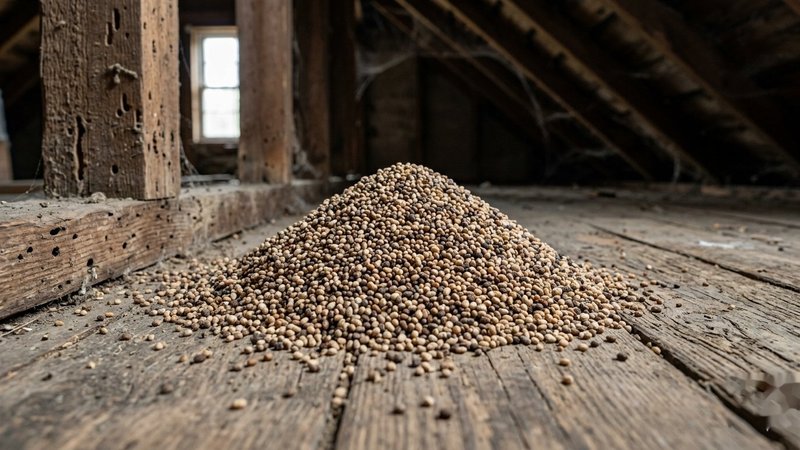
These termite droppings resemble salt and pepper scattered across floors. Each frass particle, barely 1 millimeter in length, signals a small nest where unseen colonies steadily consume wood.
What Do Termite Droppings Look Like?

Termite droppings rarely announce themselves loudly—they masquerade as ordinary household mess. The frass left behind by drywood termites appears as tiny, light brown to black pellets, often mistaken for sawdust or coffee grounds scattered near wooden floorboards.
Below is a list to help in identifying termite droppings. Termite droppings are:
- Tiny six-sided fecal pellets
- Colored light brown to black
- Resembling sawdust or coffee grounds
- Found in small piles near wood
- Pushed through kick-out holes
Spotting these pellets along window sills, carpets, porches, attics, or crawlspaces signals an active colony eating away at your structure. While not harmful to touch, they confirm an infestation that demands a professional inspection and a proper treatment plan before serious damage spreads.
Locating Termite Droppings
The earliest clues surface not where you’d suspect, but along quiet edges of a home. Scan window sills, wooden floorboards, and porches, since termites deposit their frass near hidden kick-out holes.
Drywood colonies push waste through a tiny opening, leaving small piles resembling coffee grounds or sawdust. These fecal pellets accumulate beneath attics, crawlspaces, and carpets, marking an active zone of feeding inside wood.
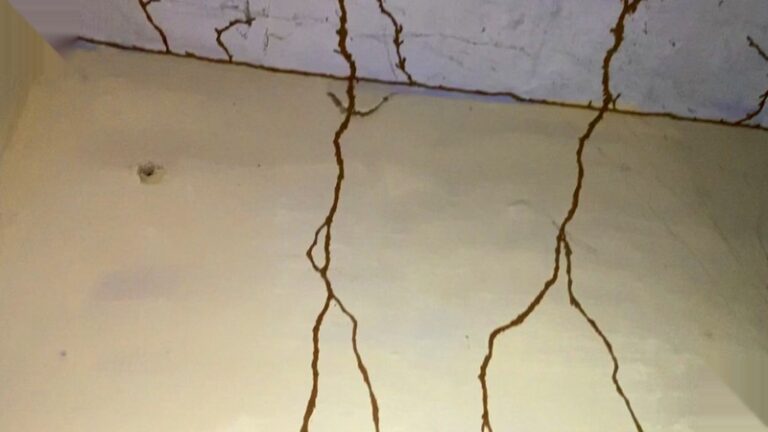
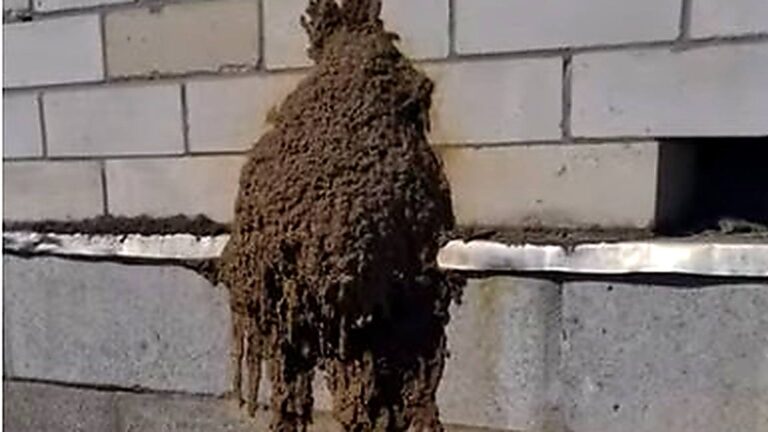
When you suspect their presence, knowing where to find deposits matters most. Subterranean species build mud tubes along foundations and walls, while their wormlike mud tunnels betray a nesting infestation demanding professional attention.
Are Termite Droppings Dangerous?
Termite frass isn’t toxic, yet direct contact can trigger allergies in some people. It’s best to call a professional to handle cleanup and proper treatment rather than risking exposure yourself.
What Should I Do If I See Termite Droppings?
When you spot termite droppings, your first move should check area carefully for additional signs of termite activity, especially damaged wood or small holes near baseboards, furniture, or any exposed wooden surfaces indoors.
After noting the next steps, schedule a professional termite inspection without delay, since trained technicians confirm issue quickly and accurately, determining whether you face an active colony or simply leftover residue.
Suspect Termites?
Protect your home — book your free termite inspection.
Fast, no-obligation quote from trusted local termite control pros.
Termite Droppings Vs. Other Debris
Anyone who has dealt with wooden structures long enough learns that not every small pile of granular material on a floor spells trouble. The trick is reading the telltale signs that separate genuine termite frass from ordinary household mess, because while a quick glance makes them look interchangeable, the details give everything away.
Termite Droppings Vs. Sawdust
The clearest difference shows up in shape and uniformity: real frass comes as oval-shaped pellets with six concave sides and rounded ends, each one remarkably consistent in size. Sawdust, by contrast, is irregular, flat, and stringy, lacking that distinctive ridged grainy structure you only get from digested wood pushed out of kick-out holes.
Termite Droppings Vs. Coffee Grounds
Coffee grounds clump and smear because of their moisture content, whereas authentic drywood termite excrement is hard, dry, and made of fine, sand-like wood particles that stay loose and do not smear when touched.
The Touch Test
Here’s a quick check before calling it: press a few grains firmly between your fingers. Termite poop won’t crush into a stain the way damp organic debris does, and under a magnifying glass you’ll spot the unmistakable six flat sides on each individual dropping. If the pile grows or reappears after cleaning, you’re almost certainly looking at an active colony rather than stray clutter.
What Are Termite Droppings?
When you spot tiny pellets that look like a grain of sand, those are fecal pellets, the termite excrement that drywood termites excrete and kick out holes from their crowded nesting areas.
These oval-shaped capsules vary in color—light brown, tan, dark brown, even black. Each six-sided pellet shape measures roughly 0.04 inches, a fraction of an inch, leaving small piles near exit holes.
What Do Termite Droppings Mean For Your Home?
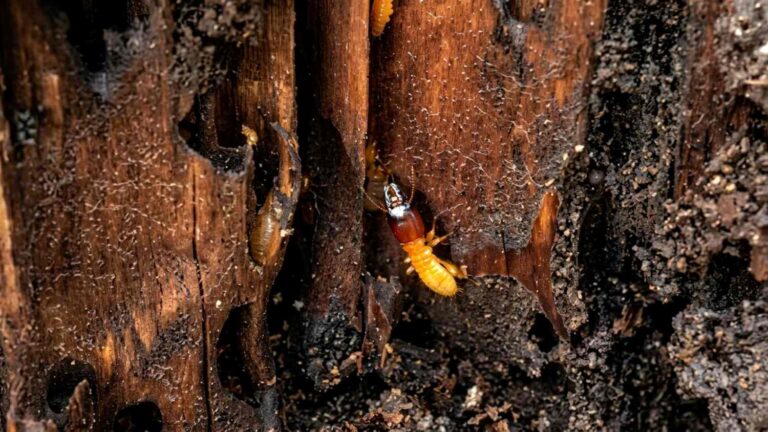
Finding piles beneath damaged wood signals subterranean termites or dampwood termites feed within. They seal themselves inside, ejected remnants of cellulose-based materials revealing colonies hidden deep.
Once you’ve distinguished these visible droppings from sawdust, contact a termite control professional quickly. They assess treatment options, locate kick-out holes, and stop hidden termite species before structural harm spreads.
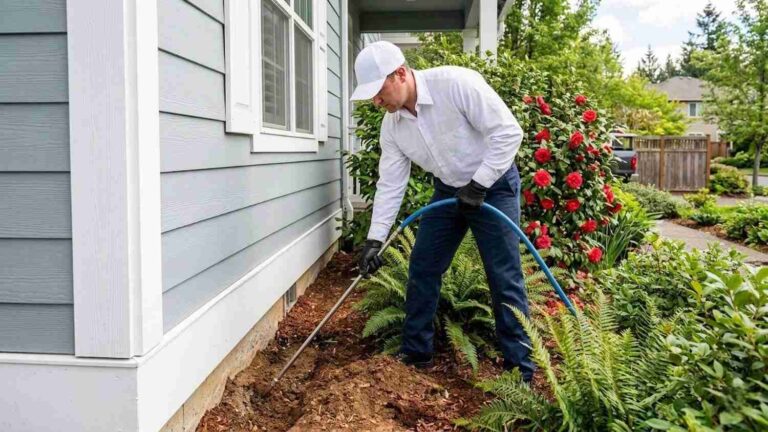
How To Spot Treat Termites
Most homeowners panic the moment they spot those tiny pellets, imagining demolition crews and emptied bank accounts. The truth is far less dramatic. Spotting an infestation early gives you real leverage, and treatment doesn’t always demand tearing apart your home’s structure.
Before you assume the worst, know this: targeted intervention beats wholesale destruction nearly every time when caught early.
- Professional Termite Inspection — Bring in pest experts who identify the exact type of termites plaguing your property before any chemicals get applied anywhere blindly.
- Recognize signs like kick-out holes and frass
- Check for hollow-sounding wood and bubbling paint
- Look for mud tubes signaling subterranean or dampwood species
- Confirm The Cause — Never assume termite droppings alone mean disaster; trained technicians assess damage and trace the root of problem back to its true nesting origin point.
- Distinguish additional termite signs from harmless debris
- Locate where colonies cannot see daylight yet thrive
- Targeted Professional Treatment — Skip risky DIY methods that rarely reach deep galleries; proper termite control uses the right tools and field experience to remove threat completely.
- Remove infestation at the source, not just surface symptoms
- Secure long-term protection against future returns
- Safe Cleanup Routine — Handle waste carefully because these pellets look different depending on wood, appearing very small with varied color and shape across different infestations entirely.
- Wear gloves, use a vacuum and dustpan
- Never handle directly; always wash hands afterward
- Termite Protection Plan — Schedule regular inspections so hidden destruction spanning years leaves no traces undetected, protecting your investment long before silent damage compounds.
FAQs
What Should I Do If I See Termite Droppings?
Once you recognize signs of activity, the smart move is safe cleanup: wear gloves, then vacuum waste into a dustpan and remove it. Never handle directly, wash hands, and call for professional treatment to assess damage and deliver long-term protection.
Can You Have Termite Droppings But No Termites?
Yes, surprisingly. Frass sits where subterranean species tunnel, yet the active colony stays indoors, hidden inside galleries. The fecal pellets you spot mean a small number were feeding, though acting quickly still helps reduce risk before damage to walls widens.
Does Termite Frass Mean Infestation?
Typically, fresh frass that reappears after cleaning signals an active drywood termite infestation, not just more than a few insects. Ongoing tunneling demands immediate action; delaying lets wood weakened by spread create new infested areas throughout the home.
Are Termite Droppings Harmful To Humans?
The pellets themselves are not dangerous to your home‘s occupants. They are simply a common sign of termite infestation, the real bigger problem. While no termites touch you directly, the structure feasting happening behind them threatens the home itself.