Black & White Striped Spiders: Poisonous or Harmless?
Quick Answer
- Most black and white striped spiders are jumping spiders or orbweavers, and harmless to people.
- These arachnids show contrasting patterns across legs and abdomens, sometimes with bright accents.
- Their intimidating look sparks concern, yet a bite is rare and not terribly venomous.
- Common zebra spiders and black jumping spiders rarely bite, preferring to jump and catch prey.
Most homeowners spotting these jumpers on sunny surfaces panic needlessly. According to Penn State Extension, jumping spiders rank among the most curious, harmless arachnids around homes. Their fuzzy body, striking black-and-white patterning, and fast, darting movement across walls signal a beneficial predator, not danger.
What Do They Look Like
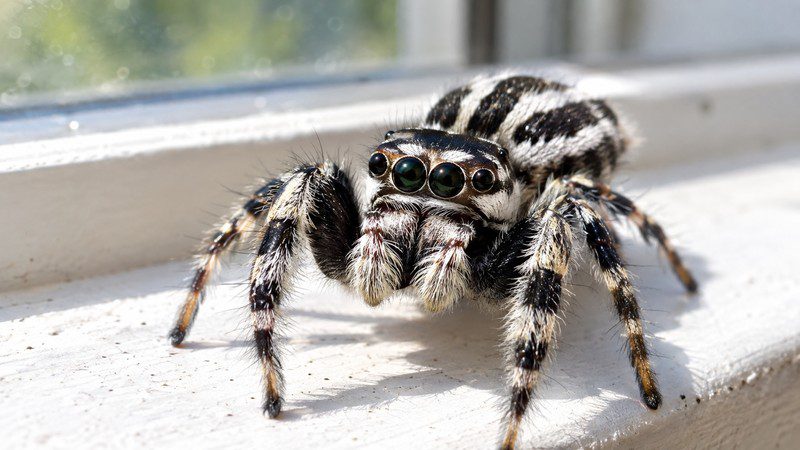
Most black-and-white striped spiders carry a crisp black-and-white banding across a fuzzy body, though patterns shift by species. The Zebra Jumping Spider stays small, roughly 4–7 mm, while the Bold Jumping Spider appears more robust with thick black legs and clear white striping.
According to spider identification guides, the abdomen often shows three white spots, and some display metallic green front fangs. The curious, agile tiny spider favors sunny surfaces like walls, decks, and fences, showing rapid movement across windows and siding throughout homes.
Species
According to entomologists at the University of Florida, most black-and-white striped spiders belong to the jumping spiders of Family Salticidae. The zebra spiders, with their gray bodies, white markings, and compact body, remain the most known species you’ll spot around windows.
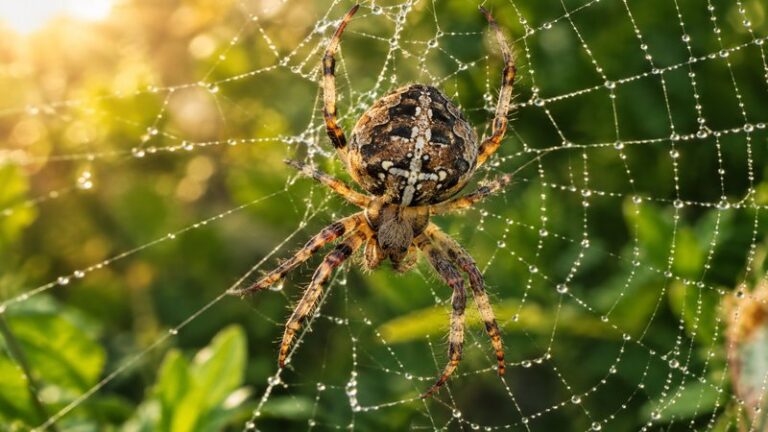
The bold jumper (Phidippus audax variant) shows a fuzzy body, forward-facing eyes, and occasional red accents that fade with age. Orbweavers like the banded garden spider (Argiope trifasciata) display striped legs, bold patterns, and large webs across gardens.
Are They Poisonous
The short answer surprises most people: these harmless creatures carry mild venom built only to subdue small insects, not threaten you. According to the University of California IPM program, the zebra spider and common house spider stay not medically dangerous, causing at most minor itching.
Serious reactions remain rare, typically tied to an individual allergy rather than venom strength. These spiders control insect populations around your property, and unlike questions people ask about whether are tiny red spiders dangerous, they pose no real risk to humans and aren’t considered dangerous.
Where They Live
Across North America, these striped hunters settle wherever prey gathers. Zebra jumping spider individuals favor walls, window frames, and building exteriors, while bold jumpers roam suburban structures. Warmer states like Florida and Texas host thriving diversity, especially near garages, sheds, and sunny stone walls.
Banded garden spiders prefer dry open fields and garden fences, spinning across open Midwest fields. According to Texas A&M AgriLife Extension, striped orbweavers appear year-round in Southern California, while striped-leg orbweavers favor coastal mix habitats. Regional guides note spring and summer activity peaks throughout rural landscapes.
Behavior
Watching these spiders reveals distinct hunting styles shaped by species and habitat.
Jumping Spiders
The zebra jumping spider relies on remarkable vision rather than webs, actively stalking prey across warm sunlit walls and textured surfaces. According to arachnologists at the Australian Museum, these agile hunters explore, hunt walls and windows, and pounce on insects with precise, calculated leaps that reflect their strong eyesight.
Orbweavers
Unlike their jumping cousins, orbweavers such as the banded garden spider build large webs to trap flying prey. The University of Florida entomology department notes these spiders sit patiently in open spaces, favoring gardens, flowerbeds, and fences where their striped legs blend against outdoor furniture and foliage while awaiting vibrations.
General Traits
- Hunt near doors and windows
- Jumps, frequently near light
- Rarely aggressive toward humans
- Sometimes wander indoors
Size
Judging these spiders starts with careful size assessment.
- Small builds: zebra jumpers stay compact at 3–7 mm.
- Medium range: bold jumpers reach roughly 7–15 mm wide.
- Larger specimens: banded garden spiders span 15–28+ mm easily.
According to Penn State Extension, accurate size gauging paired with checking markings, stripes, and body shape narrows down species quickly.
Range
According to the University of Florida’s entomology department, these spiders thrive wherever prey stays abundant, favoring sunny areas near flowerbeds and tall grasses. You’ll spot them across siding, window frames, and porch railings, plus tree trunks, weathered bark, and sun-warmed stones.
Their reach extends indoors too, since jumping spiders exploit cracks around door and window molding, settling into indoor corners and quiet retreats. Meanwhile orbweavers anchor webs near windows and doors, and zebra jumpers patrol building exteriors, decks, bushes, and shaded boards.
Professional Help
Most sightings never warrant professional intervention, since these creatures stay harmless. However, when populations grow excessive indoors, or multiple spiders appear alongside an insect food source, calling experts becomes practical. According to the University of California IPM program, correct misidentifying prevention matters most before treatment.
Caution rises with genuine dangerous spiders like widows, whose venomous bite and distinctive red dot demand real attention. If bites, swelling, hives, or allergic reactions follow, seek help immediately. Bold Pest Control connects you with specialists handling wandering spiders and confirmed infestations across affected homes safely.
Seeing Spiders at Home?
Get rid of spiders for good — book your free inspection.
Fast, no-obligation quote from trusted local pest control pros.
Comparison Table: Common Look-Alikes
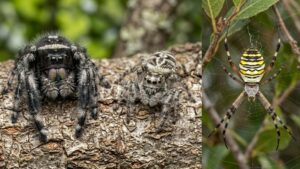
According to the University of Florida Entomology Department, these three species account for most black-and-white spider sightings. Each stays overwhelmingly harmless, controlling pest insects while rarely bothering people who share their space.
Black-and-White Spiders by Color Variants
Red Body With Black-and-White Striped Legs
The bold jumping spider wears a fuzzy body in red juvenile coloring, paired with forward-facing eyes that scan surroundings. Unlike orbweavers, this color variant relies on ambush, using striped legs for precise, calculated pounces on prey.
Orange Body With Striped Legs
According to arachnologists, tropical jumpers frequently display orange abdomens against dark striped legs. This Phidippus audax morph favors walls, window frames, and sheds, where orange pigmentation signals maturity while contrasting sharply with crisp black-and-white banding.
Yellow Body With Black-and-White Legs
The banded garden spider (Argiope trifasciata) shows yellow striping across a broad abdomen, with extended legs marked in bold patterns. Building large webs in gardens, this harmless species excels at controlling pest insects naturally.
Brown Body With Black and White Stripes
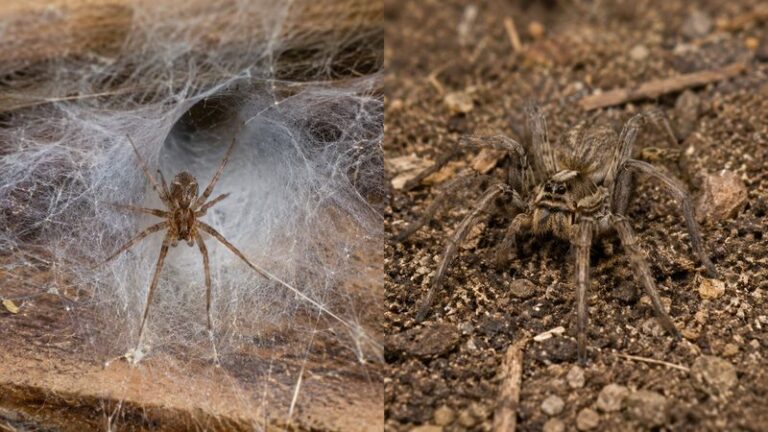
Brown spiders carrying a white stripe often confuse observers seeking the classic zebra spider. This distinctive pattern aids identification, though subtle striping on grass spiders and funnel weavers in grassy areas mimics the same brown-and-white contrast.
Grey or Fuzzy Black-and-White Species
The zebra spider displays gray bodies with white markings, gray rings, and dense hairs. Cellar spiders haunt dark, damp areas like basements, while crab spiders ambush from flowers and foliage, posing no threat.
When To Be Concerned
Most encounters stay uneventful, yet certain warning signs genuinely warrant closer attention and caution.
- Watch for persistent swelling or spreading hives
- Difficulty breathing signals a possible allergy response
- A black widow with a distinctive red dot is dangerous
- Severe reactions are uncommon but need medical attention
According to the University of California IPM program, symptoms that worsen past 24 hours justify seeking professional help promptly.
FAQs
What Do Jumping Spiders Eat?
These agile hunters primarily prey on insects, actively pursuing flies and gnats rather than trapping them. According to the University of Florida entomology extension, their excellent vision lets them pounce on prey with swift reflexes, targeting small insects across sunny window sills, walls, and tree bark daily.
Do Jumping Spiders Infest Homes?
Genuine infestations are unusual since these beneficial hunters wander indoors seeking insects near windows and doors. According to Penn State Extension, spotting one darting across walls signals controlling flies naturally. Leave it alone—they’re harmless visitors that hunt pests, not colonizers building nests within your home.
How Far Can Jumping Spiders Jump?
According to the University of California IPM program, these small hunting predators generate remarkable power despite their compact body. With swift reflexes and precise jumping ability, they launch multiple body-lengths forward. Their excellent vision guides each pounce on prey, using jerky movements and startling darting away speed.
Do Jumping Spiders Have Good Eyesight?
Their forward-facing eyes deliver exceptional sight among arachnids. Featuring eight eyes arranged in three rows, the front row holds four eyes, dominated by a large middle pair. This vision lets them watch humans, track flies across sunny areas, and stalk insects with genuinely curious, focused attention.
Do Jumping Spiders Build Webs?
Unlike orbweavers that construct elaborate orb webs across gardens, jumping spiders rarely spin catching structures. According to Penn State Extension, these jumping spiders hunt using sharp vision instead. They produce silk for a dragline safety line and shelter retreat. Wondering are spider eggs visible? Females wrap eggs inside silken sacs.
What Is The Jumping Spider Life Cycle?
According to the University of Florida Entomology department, these jumping spiders begin as eggs guarded within saclike retreats. Molting repeatedly, spiderlings mature through summer warm months. Reproduction sparks males performing leg-waving courtship. How long do jumping spiders live? Typically under one year, with females guarding egg sacs before hibernation claims them.
What Are the Signs of a Jumping Spider Infestation?
Honestly, true infestations are uncommon, but a few clues stand out. You’ll typically start seeing the spider darting across windows and doors during daylight, since these agile creatures rely on vision rather than webs. Repeated hunting activity near sunlit surfaces usually signals more than one lurking visitor.