Do Spiders Poop? Yes — Here’s What It Looks Like
Quick Answer
- Yes, spiders genuinely poop and eliminate waste through a digestive process quite different from humans, producing runny discharge.
- Their liquid diet means waste comes out wet, not as hard dry pellets, often resembling bird poop in consistency.
- After spiders chew prey, digestive fluids break down the liquefied parts, leaving a smearable white stuff that dries quickly.
- This little spider waste appears as a tiny splatter or spot across window sills, floors, and surfaces.
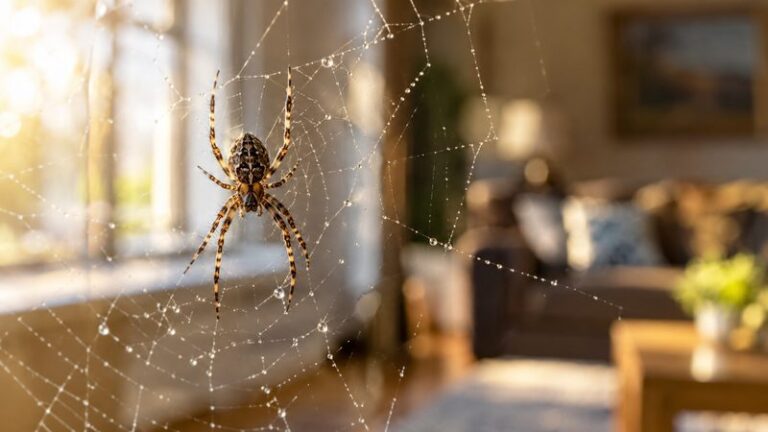
Ever spotted a mysterious random dark mark on your wall and wondered about the culprit? If you regularly see spiders around your house, those tiny droppings likely belong to them. Spider waste appears as small dots, often easy to miss but revealing surprising details about your eight-legged tenants.
Do Spiders Actually Poop?
Yes, spiders genuinely poop. When these tidy creatures eat, whatever they can’t digest must pass through the body and drip out. Some firsthand experience with a first tarantula shows they even designate one corner of a tank as a bathroom.
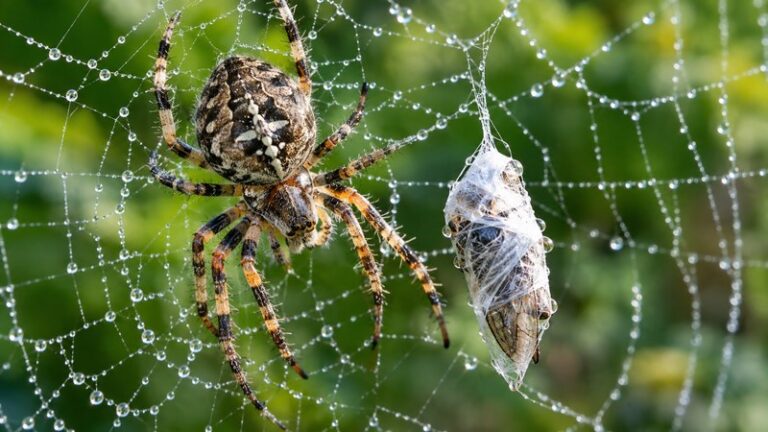
Interestingly, spiders don’t have tongues to taste food; instead they spray digestive juices, then throw up and reabsorb their liquefied meal. Hard insect shells and leftover bits become waste, leaving a noticeable mark or tiny white pebbles where the creature likes to hang out.
What Does Spider Poop Look Like?
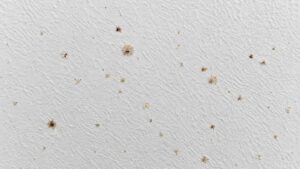
According to pest control experts, identifying spider waste comes down to a few telltale traits. You’ll typically spot small round dried drops clustered near spider bodies or webbing. The cream colored to light brown specks, sometimes bearing black spots, aren’t difficult to recognize once seen.
Sizing matters when confirming what you found. These 1/16 to 1/8 inch diameter marks contain guanine, a compound linked to DNA breakdown that lends a faint silver coloring. Thankfully harmless, the residue washes off with plain water, leaving surfaces clean and free of lasting stains.
Do Spiders Pee?
Unlike mice or other insects, spiders don’t produce separate liquid urine. Their firsthand experience of waste removal combines everything into one. According to arachnid biologists, uric acid passes through body as a semi-solid paste, so how they get rid of waste stays remarkably tidy.
When my first tarantula, a Chilean Rose Hair named Blinky, touches water in its water dish, people wonder about hydration. Yes, spiders drink water—but they don’t pee it back out. Avicularias and similar tidy creatures designate spots, keeping walls clean without noticeable mark or drip.
Is Spider Poop Dangerous?
Finding spider droppings around your home raises fair concerns. While these spots aren’t highly toxic, the semi-liquid waste can harbor bacteria picked up from the insects and bugs a spider ate. According to Healthline, contact with contaminated surfaces may occasionally trigger mild reactions in sensitive people.
The real worry isn’t poison but hygiene. Dried droppings leaving yellow stains near a web signal ongoing spider activity inside your home. Wearing gloves while cleaning matters, since the frass touches food-prep zones. Persistent signs of activity suggest an infestation worth addressing before it spreads further.
How To Clean Up Spider Droppings
Spotting mystery pest droppings near a cozy corner? Grab a paper towel, then wipe up each splatter carefully. According to Texas A&M AgriLife extension guidance, dampen dried stains before scrubbing, since a semi-liquid residue dries fast and clings to surfaces, walls, and window sills stubbornly.
Always wash thoroughly with soap and water afterward, using caution while you handle any spot. Homeowners who notice droppings returning should wipe up areas nearby, then check hiding spots and ceiling corners where spiders spend time building fresh webs quietly.
Do Spiders Fart?
Whether spiders actually pass gas remains oddly debated among enthusiasts. According to Scientific American, their digestive tract hosts bacteria breaking down liquefied meals, and any gas buildup logically escapes somewhere. Trapped air could realistically exit through the stercoral pocket during digestion.
The abdomen stores this bacterial fermentation process, though nobody has scientifically recorded an audible toot. Since spiders predigest food externally, swallowing mostly liquid meals, flatulence seems minimal. Still, entomologists suggest tiny gas releases probably happen quietly, unnoticed by curious human observers watching closely.
Do Spiders Poop Out Their Webs?
A common mix-up assumes spiders push webs through their rear, yet the reality flips this idea. Silk emerges from spinnerets near the abdomen tip, while actual waste exits a wholly separate route. These two systems never overlap inside the arachnid.
According to Australian Museum researchers, spinnerets manufacture silk as a protein liquid that hardens into thread, functioning independently of the gut. Digested prey travels through a distinct digestive tract, and leftover material leaves elsewhere. Will Spiders Eat Dead Bugs they encounter? Often, yes—scavenging happens readily.
Do Other Animals Besides Spiders Make Webs?
While spiders dominate the build webs reputation, they aren’t alone. Certain caterpillars, notably webworms and tent-makers, spin webbing using proteins from their silk glands. According to National Geographic, some larvae collaborate to trap prey and shelter, weaving communal structures rivaling any arachnid’s engineering feat.
Certain insects produce silk too, though not through spinnerets like arachnids do. Webspinners craft tunnels from foot glands, while some moth larvae eat bugs caught in sticky threads. According to Britannica, these creatures independently evolved fecal matter-free silk production, unrelated to any anus or digestive webbing origin.
Do Spiders Poop Out Their Eggs?
No, spiders never expel their eggs the way waste leaves the body. According to arachnologists, females release eggs through a separate reproductive opening, then wrap them inside protective silk sacs. This function stays entirely distinct from any digestive or excretory pathway inside them.
Egg sacs and droppings share nothing biologically. One safeguards developing offspring; the other discharges leftover food matter. Confusing the two is common, yet experts confirm reproduction and defecation operate through wholly independent systems, each serving its own purpose without any overlap whatsoever between them.
Where You Could Find Spider Poop
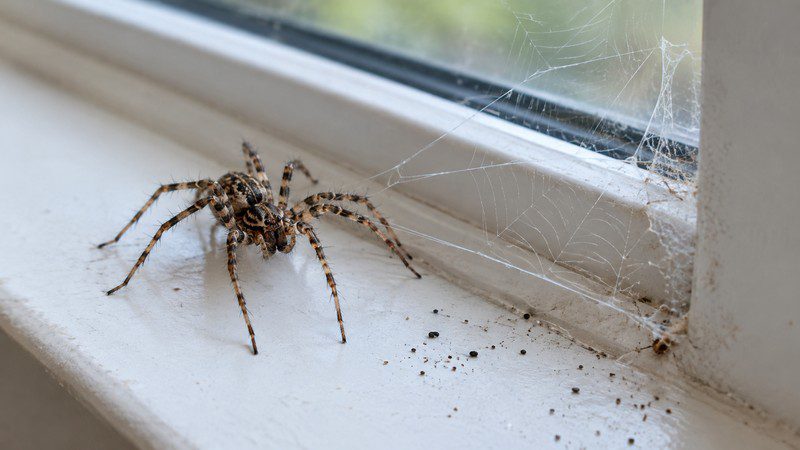
Spotting spider waste starts with knowing where these creatures hang out. Check any undisturbed corner, especially below web structures or inside an unused corner where a spider refuge forms. Dark stains often gathers on walls, quietly appearing near webs.
According to pest experts, droppings collect in a dark place you’d rarely inspect. Look for a splatter on your kitchen floor, faint spots beneath an active spider web, or drips trailing surfaces where live spiders and their egg sacs reveal quiet signs of activity.
How to Tell Spider Poop From Other Bug Droppings
Telling spider poop apart starts with location and shape. Unlike roach or rodent waste, spider droppings appear as dark drips or splatter rather than solid pellets. You’ll typically spot them below web zones, gathered in an unused corner or undisturbed area.
The appearance helps too. Spider waste shows a monotone grayish-white to black look, sometimes runny when fresh, then dry. Roach droppings stay uniform and dark; rodent waste is larger. Look near a web to confirm the untrained eye guessed right.
What Spider Poop Can Tell You About Spider Activity
Those little marks reveal more than you’d think.
Finding spider droppings in one corner repeatedly is your clearest hint that eight-legged tenants have claimed that territory as home.
Here’s what these deposits signal:
- Fresh stains mean active hunters nearby
- Clusters point to a settled spider
- Droppings plus insects they feed on
- Signs spiders are showing up everywhere
According to the University of California IPM program, repeated droppings alongside webbing usually indicate a breeding population rather than a lone wanderer passing through your space.
If you’re constantly removing new webs and fresh deposits keep appearing, that pattern tells you cleanup alone won’t cut it. You likely need extra help to fully inspect home conditions.
At that point, a proper treatment plan beats living with unwanted roommates. Getting real spider control is worth it.
When To Call A Professional For Spider Control
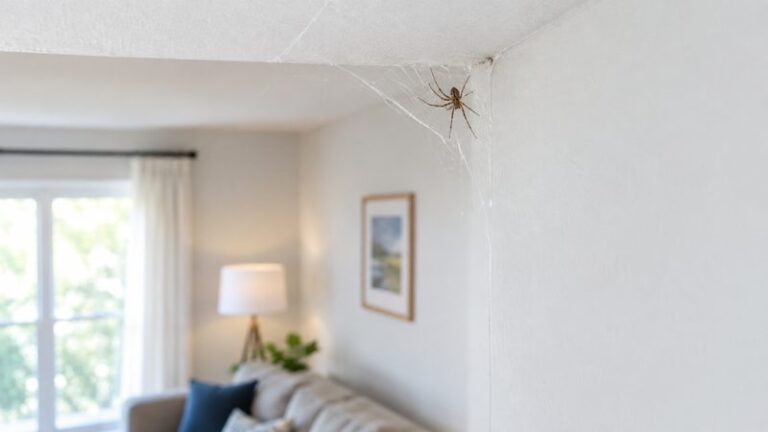
Persistent spider activity signals something deeper than random visitors. When frequent spider sightings pair with recurring webs appearing in the same places, your home is likely attracting them through food, shelter, or steady insect activity worth investigating professionally.
Spotting spider egg sacs or new webs after cleaning means reducing clutter alone isn’t enough. According to the National Pest Management Association, sealing gaps around doors and windows, plus removing webs, makes spaces less inviting, though heavy pest activity demands expert help.
Seeing Spiders at Home?
Get rid of spiders for good — book your free inspection.
Fast, no-obligation quote from trusted local pest control pros.