What Do Baby Termites Look Like? Identify Them Fast
Baby termites rank among the most overlooked household threats, yet According to university extension entomologists, spotting these tiny, soft-bodied creatures early signals serious termite trouble. These pale white, wingless insects measuring roughly 1/10 inch long quietly indicate a hidden colony thriving nearby within your home.
What Do Baby Termites Look Like?
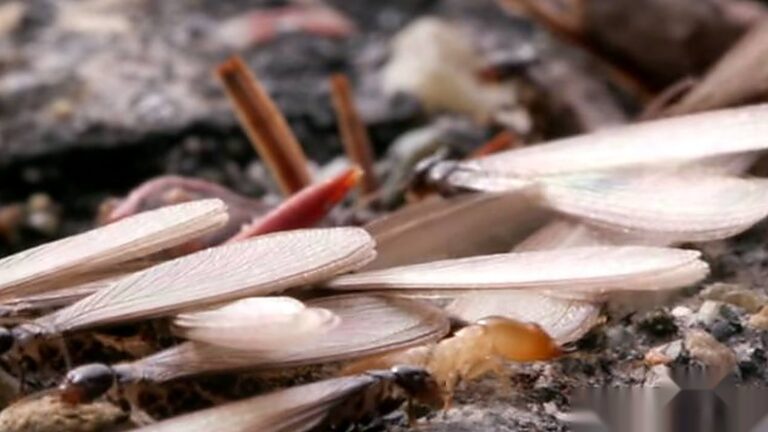
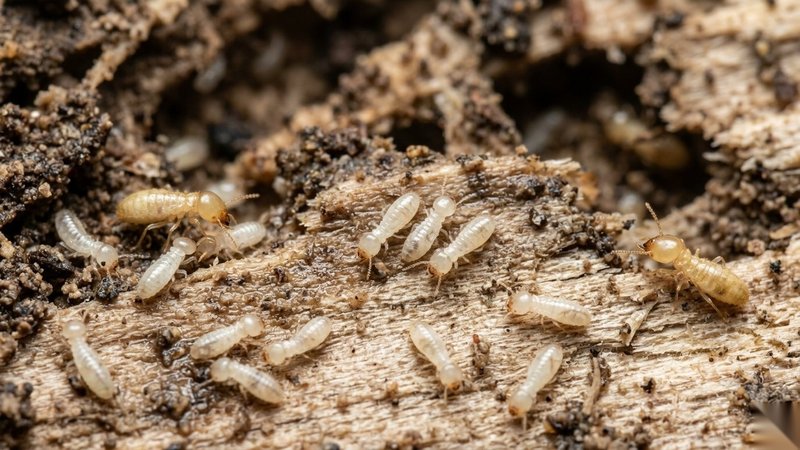
Most homeowners picture something dramatic, but baby termites are surprisingly tiny, pale white creatures with soft bodies. These miniature termite forms emerge once an egg hatches, appearing as smaller, almost translucent versions of adult termites within the nest.
According to the University of Kentucky Entomology department, identification often confuses people. Their straight antennae that point straight out distinguish them from ant larvae or maggots. Unlike ants, young termites lack a narrow waist, making this appearance detail genuinely useful for identifying infestations.
At this earliest stage of life, they remain protected deep inside, rarely venturing into the open. Their white, sometimes yellow coloring resembles clear eggs, and being difficult to spot means this threat often goes unnoticed until structural concerns surface.
Where Are Baby Termites Found?
Most homeowners never spot them, and that’s precisely the problem—these creatures thrive in places you’d never think to check:
- Deep within hidden colony chambers
- Buried inside infested wood
- Tucked into damp soil
- Sealed in protected nest pockets
According to the University of Kentucky Entomology Department, immature termites stay concealed near the heart of the colony, where worker termites feed and tend them. Because they’re harder to spot and rarely surface, catching them usually requires a trained eye during inspection.
How Baby Termites Develop
How Baby Termites Develop Through Colony Stages
Inside any active termite colony, the youngest members move through a quiet progression that most homeowners never witness firsthand. According to the University of Kentucky Entomology department, this growth unfolds across three defining phases: hatching, feeding dependence, and role assignment.
Hatching Stage
After the termite queen lays her eggs, each egg hatches into a miniature termite that emerges pale, soft, and almost invisible to the naked eye.
Dependent Feeding
During this period the larvae rely entirely on worker termites for care and food, since their limited movement keeps them tucked deep within the colony where they remain protected.
Role Assignment
As these young termites molt several times, their bodies gradually shift toward specialized castes, and according to Texas A&M AgriLife Extension, each individual is eventually directed into becoming one of the workers, soldiers, or reproductive termites based on the colony’s needs.
These connected phases of hatching, dependence, and specialization explain why early termite activity signals a maturing threat that demands attention before significant damage takes hold.
Why You Should Be Concerned
A handful of tiny, soft white specks in your woodwork might seem harmless, but they signal something far more dangerous beneath the surface.
- Silent Spread: These young termites mature into a destructive workforce that can eat through your home’s wooden framework before you ever notice.
- Structural Risk: Left ignored, an early infestation quietly compounds into serious structural damage that surfaces only when it’s too late.
- Hidden Threat: Because larvae stay protected deep inside the nest, their presence is a clear early warning sign that a colony is already established—often alongside other clues like discarded wings or termite frass left near infested wood.
- Costly Inaction: According to the University of Kentucky Entomology Department, termites cause billions in property damage annually—a threat demanding you act fast.
Spotting these pests early is your best defense against a full-blown invasion.
What to Do if You See Baby Termites
Spotting baby termites in your home demands immediate action before the colony growing beneath your floors does lasting harm.
- Avoid Disturbing Them — Leave the active area untouched, since spraying or breaking into wood scatters the workers and drives the infestations deeper.
- Document the Evidence — Photograph the larvae and any damaged furniture so a specialist can confirm an expanding infestation.
- Call a Professional — Schedule an inspection fast, because finding larvae signals an active termite colony already at work.
According to the University of Kentucky Entomology Department, DIY sprays rarely reach the hidden nest where termite growth continues unchecked. A licensed technician can target the source directly, stopping significant damage to your wooden structures before repair costs climb.
Suspect Termites?
Protect your home — book your free termite inspection.
Fast, no-obligation quote from trusted local termite control pros.
How to Tell Termite Larvae Apart from Other Insects
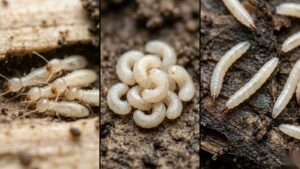
Termite larvae are frequently confused with several other tiny household pests, since their pale, soft bodies look deceptively similar at a glance. Just as adult bugs that look like termites fool homeowners, these young forms create the same confusion. Here’s how they differ:
- Ant larvae: These have a curved, grub-like shape with no defined body segments, whereas termite young show a distinct head and a segmented body. According to the University of Kentucky Entomology Department, ant brood is also kept in clustered piles rather than dispersed through galleries.
- Maggots: Fly larvae taper sharply toward a pointed end and lack legs entirely. Termite larvae instead display straight antennae that point straight out and retain functional limbs from hatching.
- Booklice: Often mistaken for miniature termite young, booklice are darker and move quickly across surfaces. Termite larvae are slow-moving and rarely venture into the open, staying deep within colonies.
If identification remains uncertain, a professional termite inspection offers the most reliable confirmation.
What Do Termite Larvae Eat?
When termite larvae first hatch, they cannot feed themselves and depend entirely on worker termites, who supply pre-digested cellulose so each helpless newborn stays healthy while its soft exoskeleton keeps developing inside the nest.
According to the University of Kentucky Entomology department, mature workers groom and nourish young colony members, transferring food through mouth-to-mouth contact. This care lets the immature stage complete gradual development, eventually maturing into defined reproductive roles the queen directs.
How To Get Rid Of Termite Larvae
Honestly, the hardest part is that larvae stay hidden inside deep colonies, so spotting a few rarely means much. Don’t try to scatter them—document the location with photos before they expand activity.
According to most extension entomologists, DIY methods prove ineffective against termite larvae because workers keep consuming wood unseen. A licensed pest control professional uses proven methods to eliminate termites, protecting your home from serious damage.
FAQs
How Can I Identify Baby Termites?
According to the University of Kentucky Entomology department, spotting baby termites means looking for tiny grains of rice with soft bodies and straight antennae. These pale white insects show translucent appearance, oval-shaped bodies, and darker heads, distinguishing them from ants through their thick straight waist.
What Is Termite’s Biggest Enemy?
The soldier termites with their powerful jaws and armored heads handle defending the colony, yet subterranean termites face ants as natural predators. Beneath your damp soil, mud tubes shield colonies, but professional termite control remains their true threat, eliminating the colony entirely through targeted methods.
How Do I Get Rid Of Baby Termites?
Since larvae survive through workers that feed them, DIY treatments rarely reach the hidden nest inside walls, soil, or wood. Effective solutions target the entire colony, including soldiers and reproductives, to reduce activity and ultimately protect your property from spreading.
What Do Early Termites Look Like?
At the larval stage, immature forms appear almost entirely white with visible body segments spanning 1/10 of an inch long. According to Texas A&M AgriLife, these incredibly small, cream-colored insects lack pigmentation, showing limited movement while worker termites provide constant care.
What Kills Termites Immediately?
Targeting the termite colony at its colony’s center within underground termite galleries disrupts survival fast. According to pest control experts, treatments reaching wall voids, crawl spaces, and attic beams penetrate well-protected areas, striking the worker caste that sustains food distribution across infested wood.